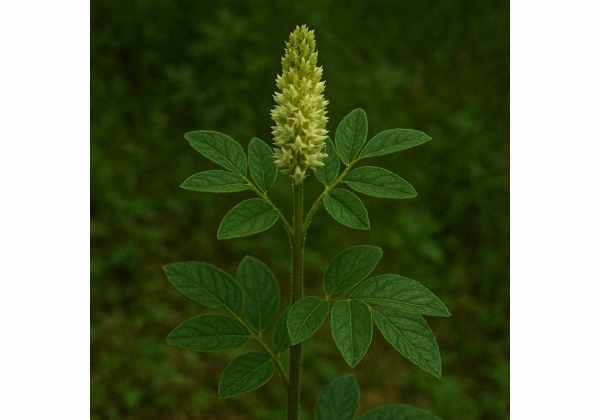
Oriental licorice, botanically known as Glycyrrhiza uralensis, is one of the most important licorice species used in East Asian herbal practice. Its root has a long history in traditional formulas for cough, sore throat, stomach irritation, spasms, and general formula balancing. Modern research has focused on its sweet triterpenes, calming flavonoids, and polysaccharides, which may help explain its soothing, anti-inflammatory, antioxidant, and expectorant actions.
What makes this herb especially interesting is that it is both a remedy and a modifier. In traditional use, it is not only taken for its own effects, but also added to multi-herb blends to soften harsh ingredients, improve taste, and support overall tolerance. At the same time, Oriental licorice deserves careful handling. Its glycyrrhizin content can affect blood pressure, fluid balance, and potassium levels when used too often or in high amounts. Used thoughtfully, it can be a useful herb for short-term throat, digestive, and respiratory support. Used carelessly, it can create real safety problems.
Quick Overview
- Oriental licorice may help soothe irritated throat tissues and support a calmer cough.
- It may also ease mild stomach irritation and support digestive comfort.
- A practical short-term range for dried root is about 1 to 5 g daily, depending on the form and preparation.
- People with high blood pressure, low potassium, kidney disease, or heart failure should avoid unsupervised use.
- Long-term or high-dose use raises the risk of swelling, headaches, and elevated blood pressure.
Table of Contents
- What Oriental Licorice Is and How It Differs
- Key Ingredients and How They Work
- Oriental Licorice Health Benefits and Medicinal Properties
- Common Uses, Forms, and Practical Preparation
- Oriental Licorice Dosage, Timing, and Duration
- Safety, Side Effects, Interactions, and Who Should Avoid It
What Oriental Licorice Is and How It Differs
Oriental licorice is the dried root and rhizome of Glycyrrhiza uralensis, a perennial legume native to parts of northern China, Mongolia, and neighboring regions. It is one of the recognized botanical sources of medicinal licorice, alongside Glycyrrhiza glabra and Glycyrrhiza inflata. In Chinese medicine it is often known as Gan Cao, and it appears in a remarkable number of classical formulas.
The root is naturally sweet, fibrous, and yellow-brown inside. That sweetness is not just a culinary feature. It reflects the presence of glycyrrhizin, one of the main compounds associated with both its therapeutic value and its risks. Compared with everyday confectionery “licorice” flavoring, true Oriental licorice is a medicinal raw material with a far more complex chemical profile and a stronger physiologic effect.
One important point for readers is that not all licorice products are the same. Some are made from whole root, some from concentrated extract, and some are deglycyrrhizinated licorice, often shortened to DGL. Whole-root and standard extracts still contain glycyrrhizin and therefore carry the classic blood-pressure and potassium-related cautions. DGL has most of the glycyrrhizin removed, so it is commonly used for digestive support rather than systemic licorice effects. These forms should not be treated as interchangeable.
Oriental licorice also differs from other herbs because it is often used as a supporting herb rather than a stand-alone one. In traditional East Asian practice, it may be added to formulas to reduce harshness, support the middle digestive system, and create a more balanced final blend. That role helps explain why it is frequently paired with herbs chosen for resilience or energy support, including astragalus in broader tonic-style traditions.
Modern science broadly supports the idea that licorice is pharmacologically active, but there is an important nuance: many published studies discuss licorice as a genus or combine evidence from several species. That means the traditional reputation of Glycyrrhiza uralensis is strong, while direct human evidence specific to this species is still smaller than the full body of licorice research might suggest. For practical readers, that means using the herb with measured expectations. It has promising properties and a respected history, but it is not a cure-all.
In real-life herbal use, Oriental licorice is best viewed as a short-term soothing herb with formula-supporting value. It fits situations involving throat irritation, a dry or hacking cough, mild digestive discomfort, and certain traditional combinations where its sweet, harmonizing action is desirable. It is less suitable for casual daily use over long stretches, especially in people with cardiovascular or kidney concerns.
Key Ingredients and How They Work
The medicinal activity of Oriental licorice comes from a mix of triterpenoid saponins, flavonoids, chalcones, and polysaccharides. These compounds do not all act in the same way. Some coat and soothe tissues, some influence inflammatory signaling, and some help explain the herb’s effects on fluid balance and blood pressure.
The best-known constituent is glycyrrhizin, sometimes called glycyrrhizic acid. This is the compound responsible for licorice’s characteristic sweetness and many of its systemic effects. After digestion, glycyrrhizin is converted to metabolites such as glycyrrhetinic acid. These metabolites can interfere with the enzyme that normally helps protect mineralocorticoid receptors from excess cortisol. When that protection is weakened, the body may begin retaining sodium and water while losing potassium. That is why licorice can sometimes cause swelling, higher blood pressure, muscle weakness, or low potassium with repeated use.
A second important group is the flavonoids, especially liquiritin, liquiritigenin, and isoliquiritigenin. These compounds are often discussed for their antioxidant and anti-inflammatory potential. They appear to influence inflammatory messengers, oxidative stress pathways, and tissue irritation responses. This helps explain why Oriental licorice has long been used for inflamed mucous membranes, irritated throats, cough, and gastrointestinal discomfort.
Polysaccharides are another useful part of the plant. These long-chain carbohydrates may contribute to the herb’s soothing and immunomodulating reputation. They are not as famous as glycyrrhizin, but they add to the broader impression of Oriental licorice as a tissue-calming plant rather than just a sweet root.
There are also smaller amounts of coumarins, sterols, amino acids, and volatile constituents. These likely play supporting roles rather than acting as the herb’s main drivers. In whole-plant herbal medicine, that matters. The effect of the complete root is often broader and less linear than the effect of a single isolated compound.
From a practical standpoint, the chemistry of Oriental licorice creates two main patterns of action. The first is surface soothing. The herb can calm irritated mucosal tissues in the throat, stomach, and sometimes the upper digestive tract. The second is systemic modulation. Some compounds may affect inflammation, immune signaling, and oxidative stress more deeply, which is why the herb appears in traditional formulas for respiratory irritation, inflammatory patterns, and general support.
This dual nature is also why the herb requires judgment. A tea made from modest amounts of dried root for a few days is very different from a concentrated extract taken several times a day for weeks. The more concentrated the product and the longer it is used, the more likely glycyrrhizin-related effects become clinically relevant.
For readers comparing herbs, Oriental licorice is not mainly a mucilage-heavy demulcent in the same sense as marshmallow, but it can still feel soothing in the throat and upper digestive tract because of its own combination of sweet saponins, flavonoids, and tissue-calming actions. That broader chemistry is part of what makes it valuable in both single-herb use and traditional formulas.
Oriental Licorice Health Benefits and Medicinal Properties
Oriental licorice is best known for a cluster of benefits rather than one single dramatic effect. Its traditional uses and modern lab research point most strongly toward throat comfort, respiratory support, digestive soothing, and anti-inflammatory activity. Even so, it is important to separate likely short-term supportive effects from stronger disease claims that still need more high-quality human data.
One of the most practical benefits is throat and upper airway soothing. The root has long been used in teas, syrups, lozenges, and decoctions for hoarseness, throat irritation, and cough. In these settings, it works less like a stimulant and more like a calming herb. Many people notice that it softens the sharp edge of a dry, irritated cough and reduces that raw feeling after overuse of the voice or during a mild upper respiratory infection.
Digestive support is another major reason people use it. Oriental licorice may help calm irritation in the stomach and upper digestive tract, especially when discomfort is linked to inflammation, acidity, or temporary sensitivity. This is one reason licorice products, especially DGL forms, have been used for meal-related stomach discomfort and mucosal support. Whole licorice root can also be included in blended digestive teas, though it should be used more cautiously because of glycyrrhizin.
Its anti-inflammatory and antioxidant properties are frequently discussed in modern reviews. This does not mean the herb should be seen as a general anti-inflammatory substitute for medical treatment, but it does mean the plant contains compounds that appear biologically active in pathways relevant to irritation, swelling, and tissue stress. That helps explain its long-standing use in inflamed throat conditions, certain oral preparations, and broader traditional formula design.
Oriental licorice is also described as an expectorant and antispasmodic herb. In practice, that means it may help loosen stubborn mucus and reduce the sense of tight, irritated coughing. It tends to fit best when the throat feels scratchy, the cough is uncomfortable, or the chest feels irritated rather than deeply congested. When thick mucus, fever, shortness of breath, or chest pain are present, self-treatment is not enough.
Another interesting property is what traditional systems call harmonizing. In modern language, that often means improving palatability, softening rough formula edges, and supporting tolerance. This is not a flashy benefit, but it is one reason the herb shows up so often in classical multi-herb prescriptions.
Topical and oral mucosal uses are also worth noting. Licorice-containing mouthwashes, patches, and gels have been studied for oral irritation and aphthous-type discomfort, with encouraging findings in some clinical contexts. That does not prove the herb is a universal oral remedy, but it does support the idea that licorice can be helpful where tissues are inflamed, sore, or easily irritated.
For readers who like herbal comparisons, Oriental licorice shares some comfort-oriented territory with slippery elm, especially for throat and upper digestive soothing. The difference is that licorice brings stronger endocrine and electrolyte-related cautions. That means it may feel more pharmacologically active, but it is also less carefree to use.
Common Uses, Forms, and Practical Preparation
Oriental licorice can be used in several forms, and the best choice depends on the goal. The most traditional preparation is a decoction, which means simmering the sliced root rather than simply steeping it like a delicate leaf tea. This method helps extract the root’s active compounds more thoroughly and is still one of the most useful ways to prepare the herb at home.
For throat support, a short decoction is often the most practical option. A common home approach is to simmer the dried root gently in water for 10 to 20 minutes, strain it, and sip the liquid warm. Some people divide the amount into two or three smaller servings across the day rather than drinking a strong cup all at once. This tends to be more comfortable and easier to tolerate.
Another common form is a liquid extract or tincture. These are convenient, more concentrated, and easier to dose consistently than home-prepared teas. The tradeoff is that concentration can make it easier to overuse the herb if directions are ignored. Capsules and tablets are also widely sold, including standardized extracts and DGL products. When the goal is upper digestive comfort, DGL is often preferred because it removes most of the glycyrrhizin that causes the classic blood pressure and potassium problems.
In traditional formula work, Oriental licorice is often combined with other herbs rather than used alone. For a warming digestive tea, it may be paired with ginger to create a more balanced, soothing blend for cold-sensitive stomach discomfort. In throat-supporting mixtures, it may appear with aromatic or calming herbs, and in broader tonics it may help smooth the formula and improve taste.
Topical and oral-care uses are also becoming more visible. Licorice is sometimes found in mouth rinses, lozenges, and soothing oral preparations aimed at irritated mucous membranes. In these cases, the contact effect may be just as relevant as systemic absorption. That helps explain why some topical licorice preparations appear better tolerated than routine swallowing of large oral doses.
A few practical rules make home use safer and more effective:
- Start with the mildest effective form.
- Use it for a clear purpose, not as a casual daily sweet herb.
- Avoid stacking tea, capsules, candies, and cough syrups that all contain licorice.
- Read labels carefully because licorice may be hidden in blends.
- Stop early if swelling, headache, rising blood pressure, or muscle weakness appear.
People sometimes assume that because licorice is familiar in sweets and herbal blends, it is automatically gentle. That is not always true. The form matters, the concentration matters, and the duration matters. A short cup of properly prepared root tea for a sore throat is very different from chronic intake through supplements, candies, and digestive products all at once.
When used appropriately, Oriental licorice is one of the more versatile roots in traditional herbal practice. It can soothe, balance, and improve formula tolerance. The key is matching the form to the purpose and respecting the herb’s real physiologic power.
Oriental Licorice Dosage, Timing, and Duration
Dosage for Oriental licorice depends heavily on the preparation. There is no single universal amount that fits tea, tincture, capsules, standardized extract, and DGL tablets equally well. That is why the safest approach is to dose by product type, start low, and keep use short unless a qualified clinician is guiding the plan.
For dried root, a practical short-term range is about 1 to 5 g per day. That total may be used as a decoction or divided into smaller servings. For mild throat or digestive support, many adults do better at the lower end first, especially if they are new to the herb. A gentle daily decoction can be enough for several days of support without pushing exposure too high.
Liquid tinctures are usually dosed by milliliters rather than grams. A common adult range is 2 to 5 mL up to three times daily, depending on the extract ratio and manufacturer directions. Because tinctures vary so much, the label matters. One brand’s 2 mL may not be comparable to another brand’s 2 mL.
Standardized extracts are stronger still. Some commonly cited ranges fall around 250 to 300 mg up to three times daily, but this depends on standardization and glycyrrhizin content. This is one reason capsules can be deceptively easy to misuse. The product may look simple, but the total glycyrrhizin exposure can add up quickly if taken several times a day for weeks.
DGL products are different. They are often used before meals for upper digestive comfort, and common products are taken as chewable tablets shortly before eating. Two 380 mg chewables before meals is a familiar pattern in commercial DGL use, but DGL should not be assumed to provide the full systemic effects of whole licorice root. It is designed more for digestive lining support than for the broader traditional actions of glycyrrhizin-containing licorice.
Timing matters too. For throat and cough support, smaller repeated doses through the day often make more sense than one large evening dose. For digestive use, licorice or DGL is often taken before meals or between meals, depending on the product and the reason for use. For formula-based traditional use, timing may follow the broader prescription rather than the licorice alone.
Duration is the most overlooked issue. Whole Oriental licorice is better suited to short courses than indefinite daily use. A cautious self-care window is often about several days to a few weeks, not month after month. If someone feels they need it continuously, that is a sign to reassess the underlying issue rather than simply keep increasing the dose.
Helpful dosing habits include:
- Keep a note of the exact product and strength.
- Use the shortest effective course.
- Do not combine multiple glycyrrhizin-containing licorice products.
- Check blood pressure if using it regularly.
- Stop and seek advice if edema, weakness, or palpitations develop.
For children, older adults, and people with chronic illness, professional guidance is especially important. Oriental licorice is not the herb to dose casually in vulnerable groups.
Safety, Side Effects, Interactions, and Who Should Avoid It
Safety is the most important part of any Oriental licorice guide because this herb has real risks when it is overused. The main problem is not allergy or stomach upset, although those can happen. The classic concern is pseudoaldosteronism, sometimes called licorice-induced mineralocorticoid-like excess. In plain language, this means the body starts behaving as if it has too much mineralocorticoid effect, leading to sodium retention, fluid buildup, and potassium loss.
The most common warning signs are rising blood pressure, puffiness, ankle swelling, headaches, unusual fatigue, muscle weakness, and cramps. In more serious cases, low potassium can contribute to irregular heartbeat or dangerous weakness. This risk is not theoretical. It is well described in the medical literature, and it becomes more likely with higher doses, concentrated products, long-term use, older age, and certain medical conditions.
Some people should avoid unsupervised use altogether. This includes anyone with high blood pressure, heart failure, kidney disease, liver disease with fluid retention, low potassium, or a history of arrhythmia. Pregnancy is another group where routine medicinal use is best avoided unless a clinician specifically recommends it. Breastfeeding use also lacks enough reassuring safety data for casual self-treatment.
Drug interactions are a major issue. Caution is especially important with:
- Diuretics, because both licorice and these drugs can worsen potassium loss.
- Digoxin and other rhythm-sensitive heart medicines, because low potassium can increase risk.
- Corticosteroids, because the effects can overlap and intensify fluid and electrolyte problems.
- Stimulant laxatives, which can also promote potassium depletion.
- Antihypertensive medicines, because licorice may work against blood-pressure control.
- Multiple herbal formulas taken together without realizing they each contain licorice.
Another practical problem is hidden exposure. Someone may drink licorice tea, take a cough syrup, chew herbal throat lozenges, and eat licorice candy in the same week while assuming each amount is small. Together, that can become a meaningful dose.
Short-term use at modest amounts is usually better tolerated than chronic use, but “natural” does not mean harmless. Stop using Oriental licorice and get medical advice if you notice sudden swelling, a rapid rise in blood pressure, chest fluttering, severe weakness, or new shortness of breath.
For readers who want a gentler comfort herb with fewer blood-pressure concerns, options such as chamomile or other non-glycyrrhizin-containing soothing herbs may sometimes be a better starting point, depending on the goal.
The bottom line is simple: Oriental licorice can be genuinely useful, but it is not ideal for casual, indefinite daily use. Use it with a clear reason, a measured dose, and a defined stopping point. When in doubt, especially if you take medication or have a chronic health condition, ask a qualified clinician or pharmacist before using it.
References
- Glycyrrhiza, a commonly used medicinal herb: Review of species classification, pharmacology, active ingredient biosynthesis, and synthetic biology – PMC 2024 (Review)
- Clinical Risk Factors of Licorice-Induced Pseudoaldosteronism Based on Glycyrrhizin-Metabolite Concentrations: A Narrative Review – PMC 2021 (Narrative Review)
- Effects of Licorice Functional Components Intakes on Blood Pressure: A Systematic Review with Meta-Analysis and NETWORK Toxicology – PMC 2024 (Systematic Review)
- Topical Licorice for Aphthous: A Systematic Review of Clinical Trials – PMC 2023 (Systematic Review)
- Liquiritiae radix – herbal medicinal product | European Medicines Agency (EMA) 2025 (Official Monograph Hub)
Disclaimer
This article is for educational purposes only and does not replace medical advice, diagnosis, or treatment. Oriental licorice can affect blood pressure, potassium balance, and medication response, so it is not appropriate for everyone. Do not use it to self-treat persistent cough, chest symptoms, ulcers, severe digestive pain, or chronic inflammatory problems without professional guidance. Speak with a qualified healthcare professional before using Oriental licorice if you are pregnant, breastfeeding, have heart, kidney, or liver disease, or take prescription medicines.
If you found this article useful, please share it on Facebook, X (formerly Twitter), or any platform you prefer to help more readers use herbal remedies more safely.