Orris root is the dried and aged rhizome of several iris species, most commonly Iris germanica, Iris pallida, and Iris florentina. While many readers know it for its elegant violet-like scent in perfumes and powders, orris has also been part of older European and Middle Eastern herbal practice. Traditionally, it was used in very small amounts for digestive sluggishness, throat irritation, stale breath, and topical preparations, while modern interest focuses more on its aromatic chemistry, antioxidant compounds, and skin-related applications.
What makes orris root unusual is that time changes it. Fresh iris rhizome is harsh and irritating, but after careful drying and aging, the root develops its prized fragrance and becomes the form associated with classical herbal and cosmetic use. Even so, this is not a casual herb. Much of the evidence for its benefits comes from phytochemical and laboratory research rather than strong human trials, and its internal use today is far less common than its fragrance and topical use. A helpful modern guide to orris root should therefore be balanced: open to its potential, clear about its limits, and careful about safe use.
Key Insights
- Orris root may provide mild soothing support for the throat and upper digestive tract when used cautiously.
- Its aged rhizome contains aromatic and phenolic compounds with antioxidant and anti-inflammatory potential.
- A conservative traditional internal range is about 0.3 to 1 g of dried aged rhizome per day, not a modern clinically established dose.
- Fresh rhizome should be avoided because it is more irritating and more likely to cause nausea or purging.
- Pregnant people, children, and anyone with sensitive digestion or known iris allergy should avoid unsupervised use.
Table of Contents
- What Orris Root Is and Why Aging Matters
- Key Ingredients and How Orris Root Works
- Orris Root Health Benefits and What the Evidence Suggests
- Common Uses, Preparation Methods, and Best Forms
- Orris Root Dosage, Timing, and Duration
- Safety, Side Effects, Interactions, and Who Should Avoid It
What Orris Root Is and Why Aging Matters
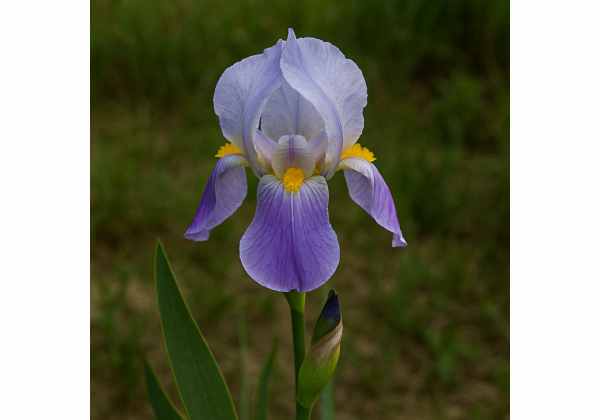
Orris root is not actually a root in the strict botanical sense. It is the rhizome, or underground stem, of certain iris plants, especially Iris germanica, Iris pallida, and Iris florentina. After harvest, the rhizomes are peeled, dried, and then aged for a long period, often several years. This slow aging process is central to what orris becomes. Fresh material is sharp, unpleasant, and more irritating, while aged material develops the soft, powdery, violet-like scent that made it famous in perfumery and old-fashioned body powders.
This aging process is more than cosmetic. It changes the chemistry of the rhizome. Over time, precursor compounds break down and form irones, the aromatic molecules most closely linked with the distinctive scent of orris. That means the plant used in fragrance, tooth powder, sachets, and limited herbal medicine is not the same as freshly cut iris rhizome. For practical use, that distinction matters. Aged orris is the traditional finished material; fresh rhizome is the form most often associated with irritation and stronger purgative effects.
Historically, orris occupied an interesting middle ground between medicine, personal care, and household use. It was valued in tooth powders, breath-freshening blends, perfumed starches, cosmetic powders, and at times small medicinal preparations. In older herbals, it appears as a stimulant, expectorant, cathartic, and topical ingredient, though many of those traditional claims are broader than the evidence modern readers should accept at face value.
Today, orris root is used more often in fragrance and topical products than in everyday internal herbal practice. That modern shift makes sense. The aroma is well established, the chemistry is increasingly mapped, and the safety margin for internal use is less comfortable than for many gentler household herbs. In other words, orris root remains valuable, but its strongest modern place is not necessarily as an all-purpose medicinal tea.
It is also worth noting that the three species commonly grouped under the name orris root are similar but not chemically identical. Iris pallida is especially prized in perfumery, while Iris germanica has attracted more discussion in traditional medicine and phytochemical reviews. Iris florentina appears frequently in historical trade and cosmetic naming. For most readers, however, the key point is simpler: the term “orris root” refers to a family of closely related aged iris rhizomes used for scent, selective herbal use, and topical applications.
Readers familiar with aromatic herbs may find it useful to compare orris with lavender’s active compounds. Both are prized for fragrance and both show interesting bioactive chemistry, but orris is denser, slower to mature, and generally less straightforward for casual internal use.
Key Ingredients and How Orris Root Works
The chemistry of orris root helps explain both its appeal and its limits. Its most famous compounds are irones, aromatic ketones that give aged orris its powdery violet scent. These do not appear in high amounts in fresh rhizomes. They develop gradually during storage as precursor triterpenes, often called iridals, undergo oxidation and transformation. This is why well-aged material is so much more valued than newly harvested rhizome.
From a medicinal perspective, though, scent is only one part of the story. Orris rhizomes also contain isoflavones, flavonoids, triterpenoids, phenolic compounds, fatty acids, and smaller amounts of other secondary metabolites. Reviews of Iris species repeatedly highlight compounds such as irigenin, tectorigenin-related molecules, irisolidone-type constituents, and other phenolics with antioxidant, anti-inflammatory, and antimicrobial activity in preclinical work. These findings do not prove that a home cup of orris tea will deliver dramatic therapeutic results, but they do show that the plant is chemically active rather than merely fragrant.
Isoflavones are especially important in discussions of medicinal properties. These compounds are often studied for antioxidant behavior, signaling effects, and possible influence on inflammatory pathways. In orris root, they seem to contribute to the plant’s broader reputation for tissue support and skin-related use. Some laboratory work on Iris pallida extracts, for example, suggests potential value in protecting collagen and skin hydration pathways under stress conditions. That is not the same as a proven clinical anti-aging treatment, but it is a plausible clue to why orris remains interesting in cosmeceutical research.
Triterpenes and related lipophilic constituents may contribute to both aroma development and bioactivity. Some older reports also suggest expectorant, irritant, or stimulant actions from certain rhizome fractions. This duality is important. Orris root contains compounds that may support useful effects in small, appropriate amounts, but the same chemical complexity can also explain why the herb is not especially gentle when misused.
Another practical point is that whole aged orris behaves differently from isolated fragrance ingredients. Orris butter or essential fractions may be valued for scent and fixative properties, while powdered rhizome or extracts may carry more of the traditional herbal profile. Product form matters. A cosmetic extract designed for skin application is not interchangeable with crude powder intended for tooth powders or old-style decoctions.
For most readers, the best way to understand how orris root works is to think of it in three layers:
- Aromatic action, mainly linked to irones and fragrance-related compounds.
- Biological activity, linked to isoflavones, phenolics, and triterpenes studied in laboratory settings.
- Irritant potential, especially with fresh or overly concentrated material.
That third layer is easy to overlook, but it is central to safe use. Orris is not just a pleasant-smelling rhizome. It is a complex plant product with both valued constituents and genuine downsides. That is why a balanced article about orris should talk as much about form, preparation, and restraint as it does about possible benefits.
Orris Root Health Benefits and What the Evidence Suggests
The most honest way to discuss orris root benefits is to separate traditional use from modern proof. Orris has a long herbal history, but strong human clinical evidence remains limited. Most modern support comes from phytochemical studies, laboratory research, and broad Iris-species reviews rather than large, well-controlled trials focused specifically on aged orris root in real patients.
One likely area of benefit is mild soothing support for the mouth, throat, and upper digestive tract. Historically, orris appeared in tooth powders, breath preparations, and small internal formulas for catarrhal or sluggish digestive states. The traditional logic is easy to understand: the aged rhizome is aromatic, drying, and gently stimulating, with a pleasant scent that freshens the mouth and a chemistry that may help calm certain forms of mild irritation. In practice, though, it is not a first-choice soothing herb today. It tends to fit best in tiny supportive amounts, not in large cups or long daily courses.
A second area of interest is antioxidant and anti-inflammatory activity. Reviews of Iris species consistently describe flavonoids, isoflavones, and other phenolics that show antioxidant behavior and modulation of inflammatory pathways in laboratory settings. This does not mean orris root is a proven treatment for inflammatory disease, but it does help explain why it has remained pharmacologically interesting. The possibility of tissue-protective effects appears especially relevant to skin and mucosal research.
Skin support is perhaps the most modern and realistic area of renewed attention. Iris pallida extracts have been studied in cultured human skin cells, with findings suggesting possible support for collagen and hyaluronic acid balance under cortisol-related stress. This is still preclinical evidence, not a guarantee of visible cosmetic change in everyday users, but it makes topical and cosmetic use more plausible than ambitious internal medical claims.
Antimicrobial and oral-care potential also deserves cautious mention. Traditional use in tooth powders and breath formulas matches modern interest in aromatic plant materials that can influence oral hygiene and microbial balance. Yet this is still a developing evidence area. Orris should be viewed as a historical and aromatic adjunct, not as a replacement for dental care or evidence-based oral treatment.
Some older herbals also describe expectorant, digestive, laxative, or diuretic uses. These claims should be handled carefully. They may reflect real physiologic activity, especially because fresh and stronger preparations can be irritating, but they do not automatically translate into safe modern self-care. A herb can be active without being ideal.
For readers comparing herbs, orris root does not soothe tissues in the same soft, mucilage-rich way as marshmallow’s demulcent profile. Instead, it appears to work through aromatic constituents and phenolic chemistry, with a narrower safety margin and a more specialized role.
The practical conclusion is this: orris root has credible traditional uses and interesting modern phytochemistry, especially for fragrance, oral care, and topical skin support. What it does not yet have is the kind of human evidence that would justify bold internal health promises. That makes it a thoughtful, niche herb rather than a mainstream daily remedy.
Common Uses, Preparation Methods, and Best Forms
In modern practice, the form of orris root matters almost as much as the herb itself. Most people encounter it as powder, perfumery material, cosmetic extract, or an ingredient in aromatic blends rather than as a daily medicinal tea. That pattern reflects both tradition and common sense. Orris root is at its best when used deliberately and in the right form.
Powdered aged rhizome is one of the classic preparations. Historically, it was included in tooth powders, sachets, cosmetic powders, and fragrant household mixtures. In oral-care use, the goal was not only fragrance but also dryness, freshness, and a refined mouthfeel. That said, modern oral use should be cautious. Finely powdered botanicals can irritate sensitive mouths, and they should not replace normal dental hygiene.
A dilute tea or light decoction is sometimes mentioned in traditional herbal use, but this is not a common modern daily beverage. If taken internally, the rhizome should always be dried and aged, not fresh. Very small amounts are more appropriate than heavy, medicinal-style decoctions. The older reputation of fresh rhizome as emetic or strongly purgative is precisely why experienced herbalists treat internal use conservatively.
Tinctures and fluid extracts also exist, though they are much less common than tinctures of major Western herbs. Here again, restraint matters. Alcoholic extracts may concentrate both the desirable and the irritating constituents. Anyone using such a product should follow the maker’s directions carefully and avoid improvising large doses.
Topical and cosmetic forms are often more practical. Orris appears in creams, fragrance compositions, bath products, powders, and specialty skin formulations. In these uses it is valued for scent, elegance, and possible skin-supportive phytochemistry. A patch test is sensible, especially for people with reactive skin.
Another long-standing role is in aromatic blending. Orris root has been used as a fixative in perfumes and potpourri because it helps stabilize scent and gives a refined powdery tone. It can also appear in artisanal beverage botanicals and flavored products, though those uses depend on commercial processing rather than household herbal medicine.
For readers thinking about home use, the most practical forms are:
- Aged powder in very small amounts for traditional aromatic purposes.
- Commercial topical or cosmetic preparations designed for skin use.
- Professionally made extracts used according to label directions.
- Limited internal use only when the product is clearly identified as dried aged orris and the user understands the safety cautions.
Orris is not a good herb for “more is better” thinking. Unlike widely used kitchen-friendly botanicals, it does not reward casual overuse. If someone mainly wants gentle digestive or respiratory support, herbs such as peppermint for digestive and respiratory comfort are usually more approachable for routine home use.
The best modern use of orris root is therefore selective and realistic: as an aromatic medicinal plant with specialized topical, perfumery, and occasional traditional internal roles, not as a broad self-prescribed cure.
Orris Root Dosage, Timing, and Duration
Dosage is one of the most important and least straightforward parts of orris root use. Unlike better-studied herbs, orris does not have a modern, evidence-based therapeutic oral dose supported by clinical trials. That means any dosage guidance should be conservative, clearly labeled as traditional or practical rather than clinically established, and shaped by the plant’s irritant potential.
For internal use, the safest principle is to think small. A cautious traditional range for dried aged rhizome is roughly 0.3 to 1 g per day. Some older herbal sources place dried orris in that small-dose territory, while also warning that stronger amounts can become irritating, purgative, or emetic. This is one reason the herb has never become a comfortable modern daily tonic.
If prepared as a tea or light decoction, many practitioners keep the amount modest, often around 0.5 to 1 g of dried aged rhizome per cup, taken once or occasionally twice in a day rather than as a large-volume beverage. The point is not to saturate the body with orris. It is to use a small, controlled amount when there is a specific reason, such as an older-style aromatic digestive or throat formula.
Powdered forms should also be kept modest. Because the powder is easy to overuse, especially when blended into homemade preparations, it helps to measure carefully rather than estimate. Orris is not a good candidate for casual spoonful dosing.
Timing depends on the intended purpose. For mouth or breath use, a very small amount may be used in an oral preparation or aromatic blend rather than swallowed as a supplement. For digestive use, any internal dose is usually taken before or between meals in a limited course. For topical use, the timing follows the product directions rather than herbal tradition.
Duration matters just as much as dose. Orris root is better suited to short, clearly defined use than to ongoing daily intake. A cautious self-care window might be a few days to a week, not month after month. If a person feels they need a longer course, that is a sign to step back and reconsider the goal, the herb choice, and the safety profile.
A few practical rules make dosing safer:
- Use only dried, aged rhizome, never fresh.
- Start at the low end of the range.
- Avoid combining several orris-containing products.
- Stop early if nausea, cramping, or unusual bowel changes appear.
- Do not treat lack of effect by sharply increasing the dose.
For topical and cosmetic use, follow the product instructions and patch test first. Commercial preparations may use concentrations and extraction methods very different from home powders or teas.
Because the modern evidence base is limited, the best dosage advice is not aggressive precision but careful restraint. With orris root, the wise approach is smaller amounts, shorter duration, and a clear reason for use.
Safety, Side Effects, Interactions, and Who Should Avoid It
Orris root has a refined reputation, but its safety profile deserves respect. The main issue is irritation. Fresh iris rhizome is well known in traditional literature as more harsh and more likely to cause nausea, vomiting, intestinal upset, or purging. Even dried aged orris is not as forgiving as many familiar household herbs. That is why experienced guidance consistently favors small amounts and carefully prepared material.
The most likely side effects from internal use are stomach upset, cramping, nausea, loose stools, and irritation of the mouth or throat if the preparation is too strong or poorly tolerated. In sensitive people, even a modest dose may feel too stimulating or drying. This is one reason modern herbalists often reach for gentler mucosal herbs first.
Skin sensitivity is another concern. Orris appears in cosmetics and aromatic products, but fragrance plants can still irritate reactive skin. Patch testing is sensible before applying a new cream, powder, or aromatic preparation more broadly. Anyone with a history of plant-related dermatitis, fragrance sensitivity, or allergy to iris family plants should be especially careful.
Pregnancy is a straightforward avoid category. Because of the herb’s traditional stimulating and purgative reputation, and because strong safety data are lacking, internal use during pregnancy is not appropriate without professional supervision. The same cautious logic applies to breastfeeding. Children should also avoid unsupervised internal use because the safety margin is less certain and dosing errors are easier to make.
People with delicate digestion, inflammatory bowel conditions, active ulcers, frequent reflux, or a history of vomiting with herbs should be cautious or avoid internal use altogether. Orris is not the best choice for a sensitive gastrointestinal tract. If the goal is simple throat or upper digestive soothing, gentler alternatives are usually more practical.
Drug interactions are not as well documented as with major pharmaceutical herbs, but prudence is still warranted. Because orris can irritate the digestive tract, it may complicate the use of medicines that already cause nausea or bowel upset. Concentrated extracts and compounded herbal formulas also deserve extra caution because it is harder to predict their total effect.
For people who want a milder tissue-soothing herb, slippery elm’s soothing actions may be a more comfortable fit, especially when the goal is coating and calming irritated mucous membranes rather than working with an aromatic iris rhizome.
In practical terms, orris root should be avoided or professionally supervised in these groups:
- Pregnant or breastfeeding people.
- Children.
- Anyone with known iris or fragrance sensitivity.
- Anyone with a very sensitive stomach or active gastrointestinal inflammation.
- Anyone considering long-term daily internal use.
The bottom line is simple. Orris root can be useful, but it is a specialized herb, not a casual one. The safest modern relationship with it is selective use, careful form choice, and a willingness to stop at the first sign of irritation.
References
- The State of Knowledge of the Primary and Secondary Metabolites of the Iris Genus 2026 (Review)
- Exploring the Use of Iris Species: Antioxidant Properties, Phytochemistry, Medicinal and Industrial Applications 2022 (Review)
- A review on phytochemical and therapeutic potential of Iris germanica 2021 (Review)
- Gas Chromatography–Mass Spectrometry Analysis of Volatile Organic Compounds from Three Endemic Iris Taxa: Headspace Solid-Phase Microextraction vs. Hydrodistillation 2024 (Research Article)
- Iris Pallida Extract Alleviates Cortisol-Induced Decrease in Type 1 Collagen and Hyaluronic Acid Syntheses in Human Skin Cells 2023 (Preclinical Study)
Disclaimer
This article is for educational purposes only and is not a substitute for medical advice, diagnosis, or treatment. Orris root has a narrower safety margin than many common household herbs, and its internal use is not well supported by modern clinical trials. Do not use it to self-treat persistent digestive symptoms, chronic cough, skin disease, or any serious medical condition. Speak with a qualified healthcare professional before using orris root if you are pregnant, breastfeeding, taking medicines, or have allergies or a sensitive digestive system.
If this article helped you, please share it on Facebook, X (formerly Twitter), or another platform you prefer so more readers can approach herbal use with better information and safer expectations.