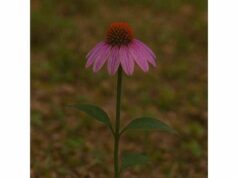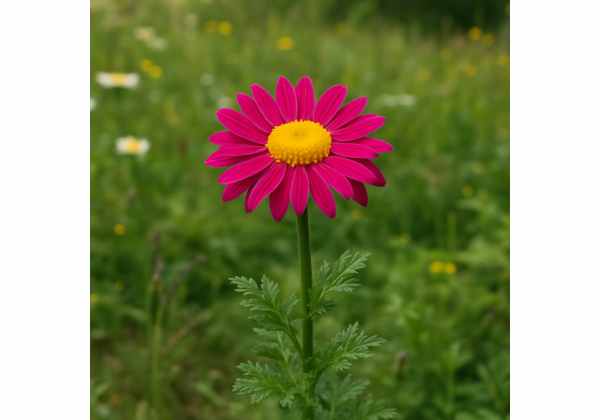
Painted daisy, also called Tanacetum coccineum, is a bright flowering member of the Asteraceae family and a close botanical relative of pyrethrum daisy, feverfew, and tansy. It is best known as an ornamental plant and as a modest natural source of pyrethrins, the insect-active compounds historically linked with pyrethrum powders. That background often leads people to assume it has broad medicinal value, but the real picture is more nuanced. Painted daisy does contain biologically interesting compounds such as pyrethrins, flavonoids, volatile terpenes, and other phenolic constituents, and traditional systems have used related Tanacetum species for headaches, digestive complaints, skin issues, and inflammatory discomfort. Even so, direct human clinical evidence for painted daisy itself remains very limited.
For most readers, the practical question is not whether painted daisy is “powerful,” but where it genuinely fits. Its strongest modern role is external and product-based, while internal medicinal use is far less established. Understanding that distinction helps you use the plant more safely and judge online claims more realistically.
Essential Insights
- Painted daisy is more credible as a source of external pyrethrin-related applications than as a proven oral medicinal herb.
- Its compounds show antioxidant, insecticidal, and mild anti-inflammatory potential in laboratory and traditional-use contexts.
- The most common human-use pyrethrin strength is topical 0.33% in lice shampoos, with repeat treatment often done in 7 to 10 days when the label directs it.
- People with ragweed or broader Asteraceae allergies, asthma triggered by plant allergens, pregnancy, breastfeeding, or plans for homemade internal use should avoid it unless a clinician advises otherwise.
Table of Contents
- What Painted Daisy Is and Why It Is Often Confused with Pyrethrum
- Key Compounds and Medicinal Properties
- Painted Daisy Health Benefits and What the Evidence Says
- Traditional and Modern Uses
- Dosage and How to Use It Safely
- Safety, Side Effects, and Who Should Avoid It
- How Painted Daisy Compares with Related Herbs
What Painted Daisy Is and Why It Is Often Confused with Pyrethrum
Painted daisy is a perennial flowering plant native to the Caucasus region and now widely grown in temperate gardens for its bold red, pink, or white daisy-like blooms. Botanically, it belongs to the Tanacetum genus, which includes feverfew, tansy, and pyrethrum daisy. That family relationship matters because many claims about painted daisy actually come from studies on related species rather than from strong direct evidence on Tanacetum coccineum itself.
The biggest source of confusion is pyrethrum. In ordinary language, people sometimes use “pyrethrum” to describe several daisy relatives that contain insect-active compounds, but the commercially important source of pyrethrins is mainly Tanacetum cinerariifolium, not painted daisy. Painted daisy can contain pyrethrins too, yet current research shows it produces them in much smaller amounts. That difference is central to understanding the herb honestly. If you are reading dramatic claims about painted daisy as a potent medicinal or insecticidal plant, many of those claims are likely borrowed from the better-studied pyrethrum daisy.
This does not make painted daisy uninteresting. It still belongs to a chemically rich genus with a long record of folk use. Across Tanacetum species, researchers have documented phenolic acids, flavonoids, volatile compounds, sesquiterpenes, and other secondary metabolites with possible biological activity. But for painted daisy specifically, the evidence base is much thinner than many herbal summaries suggest.
A useful way to think about the plant is in three layers:
- Botanical identity: a decorative Tanacetum species with historical pyrethrum associations.
- Chemical interest: a lower-pyrethrin relative of commercial pyrethrum with additional flavonoids and aromatic compounds.
- Practical use: mostly ornamental, sometimes insect-related, and only cautiously discussed for internal wellness use.
Because it sits close to several better-known daisies, painted daisy is often bundled into the broader chrysanthemum-like medicinal conversation. That can be helpful for understanding context, but it can also blur important differences in safety, strength, and intended use. If you want a gentler example of a more clearly tea-oriented flower herb in the same broad daisy family, compare it with chrysanthemum as a medicinal flower rather than assuming all daisy relatives behave the same way.
In short, painted daisy is real, relevant, and pharmacologically interesting, but it is not the same thing as standardized pyrethrum extract and it should not automatically be treated like a proven everyday medicinal tea.
Key Compounds and Medicinal Properties
Painted daisy’s value comes from a pattern of compounds rather than from one single “magic” ingredient. The best-known group is the pyrethrins, a family of natural insecticidal esters found in certain Tanacetum species. In painted daisy, these compounds are present, but at lower levels than in commercial pyrethrum species. That means the plant is chemically relevant, though not especially concentrated when compared with its better-known relatives.
Beyond pyrethrins, painted daisy and related Tanacetum species contain several compound classes that help explain why the genus has attracted interest in both herbal medicine and phytochemistry:
- Flavonoids: These are often linked with antioxidant and mild anti-inflammatory activity. In botanical medicine, flavonoid-rich plants are commonly discussed for tissue protection, vascular support, and general oxidative-stress moderation.
- Phenolic acids: These compounds may contribute to radical-scavenging activity and can support the plant’s broader antioxidant profile.
- Volatile terpenes: These aromatic molecules may influence scent, plant defense, and some topical or antimicrobial properties.
- Sesquiterpene-type compounds: Across the daisy family, these can contribute both to bioactivity and to allergy risk.
- Other secondary metabolites: Different Tanacetum plants may also contain coumarin-like substances, fatty components, and species-specific compounds that influence their traditional use.
When people refer to painted daisy’s “medicinal properties,” the most realistic list includes the following:
- Insecticidal
- Antioxidant
- Mild anti-inflammatory
- Potential antimicrobial
- Potential irritant or allergenic
That last point deserves equal weight. Not every active plant compound is automatically beneficial. Some of the same plant defenses that help repel insects or microbes can also irritate human skin or airways in sensitive people.
A key practical insight is that plant chemistry changes with species, flower stage, processing, and extraction method. Fresh blossoms, dried powder, alcohol extracts, and regulated pharmaceutical-style products are not interchangeable. Even within painted daisy itself, research suggests that pyrethrin accumulation and terpene expression vary across different plant tissues and developmental stages. That is one reason homemade preparations are unpredictable.
Another important point is that compound presence does not equal clinical proof. A plant may contain flavonoids and still fail to deliver reliable human benefits if the dose, absorption, formulation, or safety window is unclear. This is especially relevant for painted daisy, because much of the medical interest is chemical or traditional rather than supported by modern human trials.
If you are familiar with feverfew for migraine support, that is a useful comparison. Feverfew also belongs to the Tanacetum group, but it is far better studied for oral use than painted daisy. The lesson is simple: being in the same genus does not make herbs interchangeable.
So the right way to view painted daisy’s ingredients is with balance. Its chemistry is real and interesting. Its pyrethrin content helps explain its long insect-related reputation. Its flavonoids and aromatics help explain why some traditional medicinal uses developed. But none of that removes the need for caution, especially when the product is unstandardized or used internally.
Painted Daisy Health Benefits and What the Evidence Says
The phrase “health benefits” can be misleading when applied to painted daisy, because the herb has more traditional and laboratory support than direct clinical proof. The strongest way to discuss benefits is to separate what is plausible, what is historically reported, and what is actually demonstrated in humans.
The most credible benefit connected to painted daisy is external insect control, especially through pyrethrin-related products. That is not a wellness claim in the tea-tonic sense, but it is a meaningful human-use benefit. Natural pyrethrins have been used in household and public-health settings for decades, and regulated topical lice products still rely on pyrethrum-derived ingredients. For readers looking for proven internal medicinal benefits, though, painted daisy is much less established.
The next level of plausible benefit is mild topical or supportive anti-inflammatory activity. Because Tanacetum species contain flavonoids, phenolic compounds, and aromatic molecules, they are often studied for inflammation-modulating and antioxidant effects. These properties may help explain why folk traditions linked painted daisy and related species with soothing applications for irritated skin, minor aches, or general inflammatory discomfort. Still, that remains a possibility-based benefit, not a clinically settled one.
A third possible benefit is antioxidant support. Antioxidant activity appears often in Tanacetum research, but readers should interpret that carefully. A lab assay showing antioxidant behavior does not automatically mean a person drinking or applying the plant will receive a meaningful health outcome. It tells us the chemistry has potential. It does not by itself prove prevention or treatment of disease.
Traditional records also suggest uses for:
- Headache and migraine-like symptoms
- Dyspepsia and bloating
- Nausea and mild digestive discomfort
- Ringworm and skin complaints
- Women’s health complaints in regional folk traditions
These reports matter historically, but they do not all carry equal scientific weight. Some may reflect local experience with preparations that were never standardized. Others may apply to related Tanacetum plants more than to painted daisy itself.
A fair summary of the evidence looks like this:
- Best supported: insecticidal and product-based external use tied to pyrethrins.
- Reasonably plausible but not clinically proven for painted daisy: antioxidant, antimicrobial, and mild anti-inflammatory actions.
- Traditional but weakly validated: digestive, headache, and skin-related internal folk uses.
This is why exaggerated marketing can become a problem. Painted daisy is sometimes presented as if it were a broad-spectrum medicinal herb with verified benefits for infections, blood pressure, metabolism, and chronic inflammation. That is not where the evidence currently stands. A better expectation is modest potential in narrow contexts, with much more certainty for external pyrethrin-linked uses than for internal therapy.
If you have seen bold claims around closely related herbs such as tansy and its traditional applications, the same caution applies here: botanical families can be pharmacologically interesting without all family members being equally safe or equally proven.
For most people, the takeaway is simple. Painted daisy has genuine botanical and pharmacological interest, but its “benefits” are strongest when framed conservatively. It may deserve a place in discussions about traditional herbal history and plant chemistry. It does not yet deserve confident claims as a proven oral medicinal herb.
Traditional and Modern Uses
Painted daisy sits at an unusual intersection of ornamental gardening, folk medicine, and natural pest control. Historically, plants associated with pyrethrum were valued not only for their appearance but also for their ability to help deter insects. In some regional traditions, Tanacetum coccineum and closely related plants were also prepared as teas, decoctions, or external applications for common complaints.
Traditional uses reported for painted daisy or the broader Tanacetum group include:
- Digestive discomfort such as bloating, dyspepsia, and nausea
- Headache or migraine-like symptoms
- Skin complaints, including ringworm and irritated patches
- Mild respiratory or inflammatory complaints in folk practice
- General tonic or household remedy roles in local traditions
These uses are valuable as ethnobotanical history, but they should not be mistaken for modern clinical guidance. Traditional remedies often varied by region, preparation, plant part, and amount used. In many cases, the exact dose was never standardized. That makes historical use informative, but not automatically safe to copy.
Modern use is more practical and much narrower. Today, painted daisy is most commonly relevant in four ways:
1. Garden and landscape use
Its bright blooms and pollinator appeal make it mainly an ornamental perennial for borders and cottage gardens.
2. Insect-related use
Because it contains pyrethrin-related compounds, it remains tied to the idea of natural insect deterrence. However, regulated products are more reliable than homemade flower extracts.
3. Botanical education and herbal comparison
Herbalists and researchers may discuss painted daisy when comparing it with feverfew, tansy, and commercial pyrethrum species.
4. Limited folk-style personal use
Some people still explore it in the form of teas or external household remedies, but that is the area where evidence and safety become least certain.
What painted daisy is not well suited for is casual “kitchen herbalism” without species awareness. The problem is not only that the evidence is thin. It is also that daisy-family herbs can carry allergy and irritation risks, and confusion with related species is common.
A more sensible approach is to separate traditional curiosity from practical self-care. If your goal is learning about ethnobotany, painted daisy is fascinating. If your goal is a dependable oral herb for daily use, there are better-established choices. If your goal is mild external support or plant-based pest management, product quality and correct identification matter more than romantic ideas about homemade remedies.
This is especially true because “traditional use” can sound more reliable than it really is. A plant may have been used for centuries and still be poorly studied, variably prepared, or inappropriate for modern unsupervised ingestion. Readers interested in historical daisy-family herbs sometimes also explore yarrow for better-documented traditional support uses, which is a reminder that related herbs can have very different evidence profiles.
The most honest modern use case for painted daisy is therefore selective and external. Keep the ornamental value. Respect the traditional record. But do not assume that long use automatically means low risk or strong proof.
Dosage and How to Use It Safely
Dosage is the section where painted daisy needs the most caution. Unlike well-established medicinal herbs, Tanacetum coccineum does not have a standardized oral dosage supported by strong modern clinical evidence. That means the usual herb-article approach of giving a neat tea range or capsule amount would be misleading here.
The safest practical dosage message is this: there is no well-established evidence-based oral dose for painted daisy itself, and homemade internal use should not be treated as routine self-care.
What can be discussed more clearly is the dosing of regulated pyrethrin-containing topical products, which are related to the plant’s best-supported human use. In over-the-counter lice shampoos, a common strength is 0.33% pyrethrins combined with piperonyl butoxide. These products are applied to dry hair, left in place for about 10 minutes, then rinsed, with a second treatment often recommended in 7 to 10 days if the label instructs it. That is not the same thing as using the whole herb internally, but it is the most concrete human-use dosing model linked to painted daisy’s pyrethrin story.
For practical readers, dosage guidance can be divided like this:
Oral use
- No standardized self-care dose is established.
- Avoid homemade teas, tinctures, or powders unless guided by a qualified clinician who knows the species and preparation.
- Do not assume that guidance for feverfew, chrysanthemum, or chamomile applies to painted daisy.
Topical medicinal product use
- Use only a regulated product label.
- Follow age limits and repeat-treatment instructions exactly.
- Keep away from eyes, mouth, nose, and broken skin unless the label specifically allows otherwise.
Household or garden insect use
- Prefer registered products over homemade concentrates.
- Crude flower strength varies too much for reliable dosing.
- Wear gloves if you are allergy-prone or sensitive to daisy-family plants.
Duration
- Painted daisy is not a herb with a well-defined “take daily for 8 weeks” evidence model.
- If a clinician suggests using a formulation, use the shortest effective duration and stop if irritation or breathing symptoms develop.
A common mistake is to think that because pyrethrins are plant-derived, stronger homemade preparations must be better. In reality, natural products can be less predictable, more irritating, and harder to dose safely than standardized preparations.
This is where comparison helps. If you want a gentle daily infusion for relaxation or digestion, a herb such as chamomile with clearer tea-style dosing guidance is far more practical. Painted daisy belongs in the “specialized and cautious” category, not the “casual daily tea” category.
So the dosage conclusion is straightforward: use label-based dosing for regulated external pyrethrin products, and treat unregulated internal painted daisy use as unsupported and potentially avoidable.
Safety, Side Effects, and Who Should Avoid It
Painted daisy’s safety profile depends heavily on the form used. A garden plant you occasionally touch is one thing. A concentrated homemade extract, powdered flower preparation, or topical medicinal product is another. The plant’s daisy-family chemistry means that allergy and irritation are just as important to discuss as possible benefits.
The main safety concerns include the following:
- Asteraceae allergy: People allergic to ragweed, mugwort, chrysanthemums, daisies, marigolds, or related plants may react to painted daisy as well.
- Skin irritation or contact dermatitis: Crude plant material and extracts may irritate sensitive skin.
- Respiratory sensitivity: Some pyrethrin-containing products carry warnings for people with ragweed allergy because breathing difficulty can occur in susceptible users.
- Eye and mucous membrane irritation: These preparations should not be used near the eyes, inside the nose, mouth, or other delicate tissues unless a regulated label specifically directs it.
- Accidental ingestion risk: Swallowing concentrated pyrethrin products or homemade extracts is not appropriate and may require urgent medical advice.
Who should avoid painted daisy or use it only with professional guidance?
People with plant-allergy histories
If you have reacted to ragweed or other Asteraceae plants, painted daisy deserves extra caution. Even “natural” formulas can trigger wheezing, itching, rash, or facial irritation.
Pregnant or breastfeeding people
There is not enough reliable safety data to recommend casual internal use. Because safer alternatives exist, avoidance is the more prudent default.
Young children
For pyrethrin-containing lice products, labels usually direct parents to ask a doctor before use in children under age 2. Whole-herb use is even less predictable.
People with asthma or strong respiratory sensitivity
A plant or aerosolized preparation may be more irritating than expected, especially if there is an allergy component.
Anyone considering homemade internal remedies
This is the group most likely to overestimate safety. Painted daisy is not an ideal candidate for unsupervised tinctures, capsules, or concentrated teas.
Possible side effects include:
- Skin redness
- Itching
- Scalp irritation
- Eye irritation after accidental contact
- Breathing symptoms in allergic individuals
- Nausea or discomfort if swallowed
Drug-interaction data for the whole herb are not well characterized, but caution is sensible with medicines that affect allergy response, skin sensitivity, or neurologic status. More broadly, uncertain chemistry is itself a safety issue. When a plant lacks standardized oral dosing and robust clinical trials, the absence of documented interactions does not prove the absence of risk.
A practical rule works well here: if you would not be comfortable explaining the exact species, product form, and reason for use to a clinician, the preparation is probably too uncertain for self-experimentation.
That balanced caution is especially important because painted daisy can sound gentler than it really is. Beautiful flowers do not always equal low-risk herbal medicine.
How Painted Daisy Compares with Related Herbs
One of the best ways to understand painted daisy is to compare it with other herbs people often confuse with it. That comparison quickly shows where painted daisy fits and where it does not.
Painted daisy vs pyrethrum daisy
Commercial pyrethrum daisy is the better-known source of pyrethrins. Painted daisy is related, but it generally produces lower levels. If your interest is insecticidal chemistry, painted daisy is relevant but not the top species.
Painted daisy vs feverfew
Feverfew is also a Tanacetum herb, but it has much stronger recognition for oral use, especially in migraine-related discussions. That does not mean feverfew is risk-free, but it does mean it has a clearer medicinal identity than painted daisy.
Painted daisy vs chamomile or chrysanthemum
Chamomile and chrysanthemum are easier to place in daily wellness routines. They have clearer tea traditions, more practical dosing patterns, and gentler reputations for internal use. Painted daisy does not fill that same role well.
Painted daisy vs calendula
For topical soothing and skin-focused use, calendula is usually the more sensible plant to consider. It is still a daisy-family herb and still requires allergy awareness, but it has a much more established reputation for external care. Readers interested in a more directly skin-oriented flower herb may find calendula for topical support a better fit.
These comparisons lead to a simple practical conclusion:
- Choose painted daisy when your main interest is botanical history, insect-related chemistry, or careful comparison within the Tanacetum genus.
- Do not choose painted daisy first for routine internal herbal use.
- Use regulated pyrethrin products when you need product-based external treatment rather than improvising with the raw plant.
- Pick better-established herbs when your goal is tea-based relaxation, digestion support, migraine prevention, or skin care.
That does not diminish painted daisy. It simply puts it in the right lane. Many herbs become more useful when expectations are narrower and more realistic. Painted daisy is a good example. It is not a universal remedy, but it is an important reminder that traditional plants often have specialized strengths rather than broad, interchangeable ones.
For readers and writers alike, that is the strongest final takeaway: painted daisy is worth respecting, but it is even more worth describing accurately.
References
- Tanacetum species: Bridging empirical knowledge, phytochemistry, nutritional value, health benefits and clinical evidence – PubMed 2023 (Review)
- Draft Genome of Tanacetum Coccineum: Genomic Comparison of Closely Related Tanacetum-Family Plants – PubMed 2022
- Transcriptional Responses and GCMS Analysis for the Biosynthesis of Pyrethrins and Volatile Terpenes in Tanacetum coccineum – PubMed 2021
- Pyrethrins and Pyrethroids: A Comprehensive Review of Natural Occurring Compounds and Their Synthetic Derivatives – PMC 2023 (Review)
- DailyMed – LICE KILLING- piperonyl butoxide, pyrethrum extract shampoo 2024 (Official Label)
Disclaimer
This article is for educational purposes only and is not medical advice, diagnosis, or treatment. Painted daisy is not a well-standardized oral medicinal herb, and evidence for internal human use is limited. Do not use it to replace professional care for infections, persistent headaches, skin disease, breathing problems, or other significant symptoms. Seek medical advice before using painted daisy or pyrethrin-containing products if you are pregnant, breastfeeding, treating a child, have asthma, or have allergies to ragweed or other daisy-family plants.
If you found this article useful, please consider sharing it on Facebook, X, or your preferred platform.