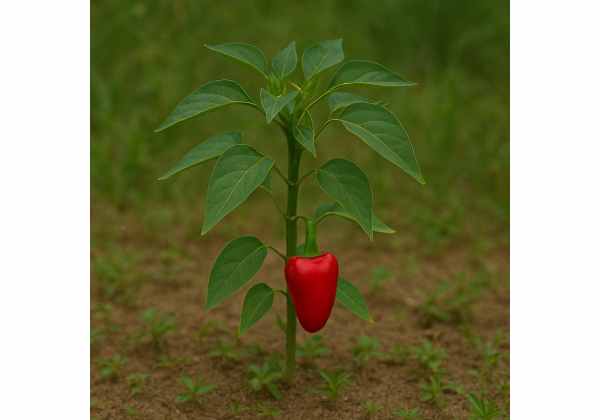
Paprika is the deep red spice made from dried and ground peppers in the Capsicum annuum family. Depending on the variety, it can be sweet, mildly pungent, hot, or smoked, which means its chemistry and health effects are not completely uniform. Sweet paprika leans more toward carotenoids such as capsanthin, capsorubin, beta-carotene, and zeaxanthin, while hotter paprika may also deliver capsaicinoids, the compounds associated with heat, nerve signaling, and topical pain relief. That difference matters, because the best-supported benefits of paprika depend on the form.
In everyday use, paprika is both a culinary spice and a functional food ingredient. It can add flavor, color, and antioxidant compounds to meals, and standardized paprika extracts have been studied for skin, abdominal fat, and bone-related outcomes in small human trials. At the same time, it is not a miracle remedy, and concentrated forms are not right for everyone. The most helpful way to understand paprika is to see it as a spectrum: a food first, a bioactive plant second, and a targeted therapeutic ingredient only in certain preparations.
Quick Facts
- Paprika provides carotenoids that can support antioxidant status and eye-focused nutrition, especially in red and sweet varieties.
- Hotter paprika or capsaicin-rich extracts may modestly support pain control and metabolic health, but these effects are more form-dependent than many people assume.
- Human supplement studies have commonly used 9 mg paprika xanthophylls daily or 20 mg paprika carotenoid extract daily.
- People with pepper allergy, severe reflux, active stomach irritation, or strong sensitivity to spicy foods should avoid concentrated forms.
Table of Contents
- What Paprika Is and How It Differs from Other Pepper Spices
- Key Ingredients and Medicinal Properties
- Paprika Health Benefits for Eyes, Oxidative Stress, and Metabolic Support
- Capsaicin, Carotenoids, and What Human Studies Really Show
- Culinary, Supplemental, and Topical Uses
- How Much Paprika to Use
- Safety, Side Effects, and Who Should Avoid It
What Paprika Is and How It Differs from Other Pepper Spices
Paprika is a spice made from ripe, dried peppers, most often from selected forms of Capsicum annuum. Although many people treat it as one ingredient, paprika actually covers a range of products. Some are sweet and almost non-pungent. Some are hot. Some are smoked. Some are blended for color rather than heat. That variation changes both its culinary role and its likely health profile.
The first practical distinction is between sweet paprika and hot paprika. Sweet paprika is valued mainly for its carotenoid-rich red pigments and mild earthy flavor. Hot paprika contains more capsaicinoids and behaves more like a spicy pepper product. In other words, the paprika in a deviled egg recipe is not pharmacologically identical to the paprika used in a hotter pepper blend. This is one reason online claims about paprika can feel confusing. People are often talking about different products without saying so.
A second distinction is between paprika and chili powder. Paprika is usually a single-ingredient pepper spice, while chili powder is often a seasoning blend that may contain cumin, garlic, oregano, and salt. That means paprika is the cleaner ingredient to evaluate if you want to understand the effects of pepper carotenoids or capsaicinoids by themselves.
A third distinction is between culinary paprika and standardized extracts. Most people use paprika in food, where it functions as a spice with modest amounts of bioactive compounds. Research studies, however, often examine paprika carotenoid extracts or paprika xanthophyll capsules rather than spoonfuls of kitchen paprika. Those are not equivalent. The extract form concentrates selected compounds, improves dosing consistency, and may behave differently in the body.
This is why the question “Is paprika medicinal?” needs a precise answer. Paprika absolutely contains medically interesting compounds. It also has a long food-based history and a good nutritional reputation. But it is best described as a functional spice rather than a fully standardized medicinal herb. Its benefits are more believable when tied to specific compounds, such as capsanthin or capsaicin, than when presented as a broad cure-all.
The easiest mental model is this:
- Sweet paprika is mainly about color, carotenoids, and mild antioxidant value.
- Hot paprika adds capsaicinoids and more sensory intensity.
- Standardized paprika extracts are the forms most often used in human trials.
- Household paprika should be treated as food first, not as a substitute for a tested extract or topical product.
That also helps explain why paprika overlaps with, but is not the same as, chili pepper as a hotter medicinal spice. They come from the same broad pepper family, yet their pungency, chemistry, and practical uses can differ enough to matter.
Key Ingredients and Medicinal Properties
Paprika’s health value comes from a mix of pigments, pungent compounds, vitamins, and smaller phytochemicals rather than from one single active constituent. The exact balance depends on the pepper variety, how ripe it was at harvest, how it was dried, and whether the final paprika is sweet or hot.
The standout compounds in red paprika are its carotenoids. The most distinctive are capsanthin and capsorubin, which give paprika much of its intense red color. Paprika also contains beta-carotene, beta-cryptoxanthin, and zeaxanthin. Some of these compounds act as antioxidants, some contribute provitamin A activity, and some are relevant to eye and skin nutrition. Capsanthin and capsorubin are especially important because they are characteristic paprika pigments rather than generic plant pigments found everywhere.
Hotter paprika also contains capsaicinoids, especially capsaicin and related molecules. These compounds activate the TRPV1 receptor, the same sensory pathway involved in heat and burning sensation. That is why hot paprika feels warming or irritating, but it is also why capsaicin has medical interest in pain modulation and metabolism. This effect is much less relevant for mild sweet paprika, which may contain little or no meaningful capsaicin.
Paprika also supplies:
- Phenolic compounds and flavonoids, which add to antioxidant capacity
- Vitamin C, especially in the original pepper before drying
- Vitamin E and other minor antioxidants
- Fatty acids and volatile compounds, which influence stability, aroma, and absorption behavior
- Natural pigments that affect food color and may have biologic activity
When people talk about paprika’s “medicinal properties,” they are usually referring to one or more of these actions:
- Antioxidant
- Mild anti-inflammatory
- Colorant and food-protective
- Potentially eye-supportive through carotenoid intake
- Potentially analgesic or metabolism-related when capsaicin is present
The eye-supportive angle is especially relevant because paprika can contribute zeaxanthin and other carotenoids associated with retinal and macular nutrition. That does not mean paprika alone is an eye treatment, but it does make it a meaningful food-source spice in a broader nutrient pattern, especially when combined with other carotenoid-rich foods and fats that improve absorption. Readers interested in that angle may also want a closer look at zeaxanthin and macular pigment support.
One important nuance is bioavailability. Paprika carotenoids are fat-soluble, so they are not absorbed equally in every meal. The same teaspoon of paprika is likely to deliver more useful carotenoid uptake when eaten with oil, eggs, yogurt, avocado, or another fat-containing food than when sprinkled onto a very low-fat dish.
So paprika’s medicinal profile is real, but it is layered. Sweet paprika leans toward pigment-based antioxidant and nutrient effects. Hot paprika adds capsaicin-linked sensory and therapeutic potential. That is why the form, variety, and context matter more than the spice name alone.
Paprika Health Benefits for Eyes, Oxidative Stress, and Metabolic Support
Paprika’s most credible health benefits are not dramatic or drug-like. They are better understood as supportive effects that depend on regular intake, product type, and the rest of the diet. The strongest benefit categories are antioxidant support, carotenoid-related nutrition, and modest metabolic or skin-related effects seen in selected extract studies.
1. Antioxidant support
Paprika is rich in carotenoids, and those pigments are not only decorative. Capsanthin, capsorubin, beta-carotene, and related compounds can help neutralize oxidative stress in laboratory and nutrition models. In practical terms, that means paprika may contribute to a diet pattern associated with lower oxidative burden, especially when used regularly with other colorful plant foods. This is one of the clearest and least controversial reasons to include it in meals.
2. Eye and vitamin A related nutrition
Because paprika contains beta-carotene and other carotenoids, it can support nutrient intake relevant to vision and epithelial health. It is not a replacement for a balanced diet, but it fits well into eye-supportive food patterns. In red paprika, zeaxanthin and beta-cryptoxanthin add to this appeal. Some of these compounds also contribute provitamin A activity, which is one reason paprika is more nutritionally meaningful than many people assume. That makes it a useful companion spice in meals built around vitamin A and carotenoid-rich foods.
3. Metabolic and body-composition support
This is the area most likely to be overstated. Paprika xanthophyll studies suggest modest improvements in abdominal fat area, body mass index, and lipid markers in certain overweight adults. That is promising, but it should be framed carefully. These studies used standardized supplements, not casual kitchen seasoning, and the changes were supportive rather than transformative. Paprika can be part of a metabolic-health strategy, but it is not a stand-alone fat-loss tool.
4. Skin support
Paprika xanthophylls have shown interesting results in photoprotection and skin moisture research. Again, this is more relevant to defined supplement trials than to ordinary sprinklings on food. Still, it suggests paprika compounds may influence skin resilience through antioxidant and barrier-related mechanisms.
5. Pain-related interest in hotter paprika forms
This benefit belongs more to capsaicin than to paprika as a whole. If the paprika is pungent enough to supply meaningful capsaicinoids, it overlaps with the better-known pain and sensory biology of hot peppers. But sweet paprika should not be marketed as if it had the same topical pain evidence.
The main message is that paprika’s benefits are real but tiered. Food-level paprika is best for nutritional support and flavor. Standardized paprika extracts may show modest targeted benefits. Capsaicin-rich forms are the ones with the clearest therapeutic overlap in pain science. The closer a claim gets to disease treatment, the more careful you should be about separating the spice from the extract and the extract from the drug-like product.
Capsaicin, Carotenoids, and What Human Studies Really Show
Human research on paprika is more encouraging than many spices receive, but it is still modest in size and scope. The strongest studies do not prove that paprika prevents major disease. What they show is that specific paprika extracts may have measurable effects in narrow settings.
One of the more interesting clinical findings comes from paprika xanthophyll supplementation in overweight adults. In a randomized, double-blind, placebo-controlled study, participants taking 9 mg of paprika xanthophylls daily for 12 weeks showed reductions in abdominal fat area and body mass index compared with placebo. That is useful, but it does not mean ordinary paprika causes weight loss in everyday cooking. It means a standardized carotenoid supplement produced a modest effect under trial conditions.
Another study looked at skin protection. In a double-blind placebo-controlled trial, 9 mg of paprika xanthophylls daily for 5 weeks increased resistance to ultraviolet-induced skin damage. A later randomized trial found that oral paprika xanthophyll supplementation improved facial skin moisture over 4 weeks. These are meaningful signals, especially because carotenoids are known to accumulate in tissues, but they are still niche outcomes from relatively small studies rather than broad dermatology guidelines.
Paprika carotenoid extract has also been studied in postmenopausal women. In a randomized placebo-controlled trial, 20 mg of paprika carotenoid extract daily, providing about 1.4 mg carotenoids, for 24 weeks reduced a marker of bone resorption. The authors concluded that supplementation may help maintain bone quality. That is promising, but it is best viewed as an early supportive finding, not a replacement for established bone-health measures such as resistance exercise, calcium adequacy, vitamin D status, and evidence-based osteoporosis care.
The capsaicin side of the evidence is stronger overall, but it belongs more to hot pepper pharmacology than to paprika in general. Topical capsaicin has clinical evidence for certain pain conditions, including short-term osteoarthritis pain reduction, though burning at the application site is common. That is why hotter paprika belongs conceptually closer to cayenne and capsaicin-based pain uses than to sweet red paprika used only for color.
So what does the evidence actually justify?
- Paprika extracts can produce measurable biologic effects in humans.
- The best signals involve skin, abdominal fat, and bone-turnover markers.
- The strongest pain evidence belongs to capsaicin-rich topical products, not ordinary sweet paprika.
- Most benefits are modest, form-specific, and dependent on regular intake.
That is a good evidence base for a functional food ingredient. It is not yet a reason to treat paprika as a high-confidence medicinal treatment on its own.
Culinary, Supplemental, and Topical Uses
Paprika is one of those rare ingredients that can be used as a flavoring, a colorant, a nutrient-rich spice, and in some cases a bioactive extract. The best use depends on your goal. For most people, food use is the smartest starting point.
Culinary use
In the kitchen, paprika works best as a daily-support spice rather than as a therapeutic dose. Sweet paprika adds warmth without much heat. Smoked paprika adds aroma. Hot paprika adds pungency. Used regularly, it can raise carotenoid intake and help make vegetable, legume, egg, fish, and grain dishes more satisfying. This matters because consistency is often more realistic than intensity.
Practical culinary uses include:
- Stirring paprika into soups, stews, lentils, and bean dishes
- Rubbing it onto fish, chicken, tofu, or roasted vegetables
- Mixing it into yogurt sauces, hummus, or olive oil marinades
- Adding it to eggs, potatoes, or grain bowls
- Combining it with garlic, cumin, coriander, or black pepper for balanced seasoning
Because paprika carotenoids are fat-soluble, it is especially useful in dishes that include some oil, nuts, seeds, eggs, dairy, or avocado. A low-fat meal can still contain paprika, but absorption of its pigments may be lower. Pairing it with healthy fats often makes more nutritional sense, which is one reason it works well alongside olive oil in savory meals.
Supplemental use
Supplement-style paprika products are very different from culinary paprika. These may be sold as paprika carotenoid extract, paprika xanthophylls, or softgel formulas. Their purpose is to deliver a consistent dose of selected compounds, usually for skin, antioxidant, or metabolic support. These products make sense only if the label is clear and the goal is specific. They are not automatically superior to food, but they are the forms most often studied in clinical trials.
Topical or therapeutic overlap
Ordinary paprika powder is not a standard topical treatment. However, paprika’s hotter relatives and capsaicin-rich preparations overlap with topical pain science. This is where a lot of people overgeneralize. The existence of capsaicin creams does not mean homemade paprika poultices are a good idea. Standardization, concentration, and skin safety all matter.
A practical way to choose is simple:
- Use culinary paprika for flavor, carotenoid intake, and food-based support.
- Consider supplements only when the goal is specific and the formulation is clear.
- Use topical capsaicin products only when the product is designed for that purpose.
That approach keeps paprika useful without turning it into something it is not.
How Much Paprika to Use
Paprika dosage depends entirely on the form. A teaspoon in a meal, a carotenoid softgel, and a capsaicin-rich topical preparation should not be discussed as though they were the same thing. The safest way to think about dosage is by purpose and preparation.
Culinary paprika
There is no official medicinal dose for ordinary paprika powder. In food, people commonly use amounts ranging from a light dusting to 1 teaspoon or more per dish, depending on flavor preference and whether the paprika is sweet, hot, or smoked. For regular home use, a practical daily intake is often around 1 to 3 teaspoons total across meals, though this is culinary guidance rather than a clinical prescription. The main limit is tolerance, especially if the paprika is pungent or if you are prone to reflux.
Supplement extracts
This is where the research becomes more concrete. Human studies have used:
- 9 mg paprika xanthophylls daily for skin and abdominal-fat related outcomes
- 20 mg paprika carotenoid extract daily, providing about 1.4 mg carotenoids, for bone-turnover outcomes
These doses belong to standardized products, not spoonfuls of spice. They also do not prove that higher is better. With carotenoid supplements, more is not automatically more effective, and formula quality matters more than aggressive dosing.
Timing
Paprika and paprika extracts are generally easier to tolerate with meals, especially meals that contain some fat. This may improve both comfort and carotenoid absorption. Taking concentrated pepper compounds on an empty stomach is more likely to cause burning, nausea, or upper abdominal discomfort.
Duration
Food use can be ongoing if it suits your digestion. Supplement use should be more deliberate. In research, paprika extracts were used for 4 to 24 weeks depending on the target outcome. That does not automatically define a perfect duration, but it does suggest that benefits, when they occur, are usually expected with regular intake over weeks rather than after a single dose.
A sensible real-world approach
- Start low if you are new to paprika or sensitive to spices.
- Prefer food use first.
- If using an extract, match the dose to the label and the study range rather than improvising.
- Stop or reduce use if it clearly worsens reflux, stomach pain, or bowel irritation.
Paprika is one of those ingredients where moderation is usually more effective than ambition. The goal is steady use that fits your body and your meals, not a heroic dose.
Safety, Side Effects, and Who Should Avoid It
Paprika is broadly safe as a food, but that does not mean every form is harmless for every person. Safety changes with the product. A mild sweet spice in soup is one thing. A concentrated hot pepper extract or capsaicin-rich topical product is another.
The most common side effects from paprika are digestive or sensory:
- Heartburn or reflux
- Stomach irritation
- Burning in the mouth or throat
- Loose stools in sensitive people
- Skin or eye irritation if powder or concentrated pepper oils are mishandled
These risks increase when the paprika is hot, when it is taken in concentrated form, or when a person already has reflux, gastritis, ulcer symptoms, irritable bowel sensitivity, hemorrhoids, or other conditions that make spicy foods hard to tolerate.
People who should be especially cautious include:
People with reflux or upper-GI irritation
Hot or concentrated paprika can aggravate symptoms, especially on an empty stomach.
People with pepper or nightshade sensitivity
True allergy is not common, but it happens. Anyone who reacts to peppers should avoid paprika extracts and be cautious even with culinary use.
People using concentrated supplements
Extracts are less forgiving than food. Labels vary, and quality matters. Anyone taking supplements for a medical reason should treat them more like a structured intervention than a pantry spice.
People applying capsaicin-rich products
The capsaicin literature shows meaningful therapeutic potential, but it also consistently reports burning and local irritation. Do not apply hot pepper preparations to broken skin, mucous membranes, or near the eyes. Wash hands carefully after handling them.
Pregnancy, breastfeeding, and children
Food use is generally acceptable in normal culinary amounts if tolerated, but concentrated supplement use is a different question and is best reviewed with a clinician. For young children, even mild spices can be irritating in larger amounts, and extracts are not appropriate without clear guidance.
Drug interactions with ordinary paprika are not a major concern, but concentrated capsaicin or pepper extracts may complicate symptom interpretation in people with gastrointestinal disease, pain conditions, or medication-sensitive skin. Also remember that red spices can vary in purity and authenticity, so reputable sourcing matters.
One more point is easy to miss: paprika is a high-value spice and can be adulterated. Buying from reputable brands reduces the chance of poor-quality or mislabeled products.
The best safety rule is simple. Use paprika freely as food if you tolerate it. Use caution with hotter varieties if you are sensitive. Use extracts and capsaicin-style products only when the form and purpose are clear.
References
- A comprehensive review of capsaicin: Biosynthesis, industrial productions, processing to applications, and clinical uses – PMC 2024 (Review)
- Sweet Bell Pepper: A Focus on Its Nutritional Qualities and Illness-Alleviated Properties – PMC 2023 (Review)
- Biological Activities of Paprika Carotenoids, Capsanthin and Capsorubin – PubMed 2021 (Review)
- Effects of Oral Supplementation with Paprika Xanthophylls on Human Skin Moisture – PubMed 2022 (RCT)
- Effects of paprika carotenoid supplementation on bone turnover in postmenopausal women: a randomized, double-blind, placebo-controlled, parallel-group comparison study – PMC 2020 (RCT)
Disclaimer
This article is for educational purposes only and is not medical advice, diagnosis, or treatment. Paprika is generally safe as a food, but concentrated pepper extracts, xanthophyll supplements, and capsaicin-rich products can affect people differently and may worsen reflux, stomach irritation, or skin sensitivity. Speak with a qualified healthcare professional before using paprika supplements or topical pepper products for a medical purpose, especially if you are pregnant, breastfeeding, managing a chronic condition, or taking regular medicines.
If this article helped you, please share it on Facebook, X, or another platform you prefer.