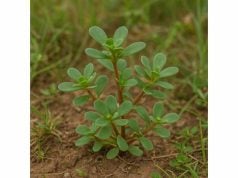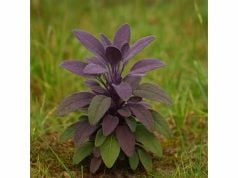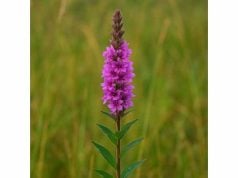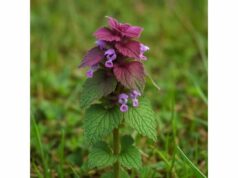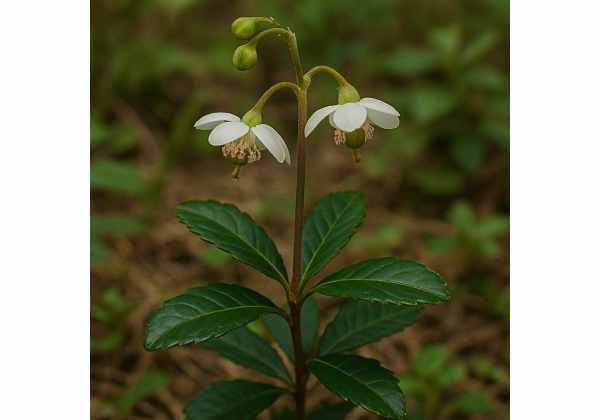
Pipsissewa, or Chimaphila umbellata, is a small evergreen woodland herb with a long history in North American and European herbal traditions. It is also known as prince’s pine or umbellate wintergreen, names that hint at both its forest habitat and its aromatic chemistry. For generations, it has been used mainly for urinary discomfort, fluid retention, bladder irritation, rheumatic complaints, and certain skin conditions. Modern phytochemical research helps explain why the plant earned that reputation. Pipsissewa contains chimaphilin, arbutin-related compounds, flavonoids, tannins, triterpenoids, and methyl salicylate-linked chemistry, all of which suggest antimicrobial, anti-inflammatory, antioxidant, and mild diuretic potential.
Even so, pipsissewa is not a simple everyday herb. Human clinical research is sparse, much of the evidence remains preclinical, and the plant raises real questions about skin sensitization, salicylate-like irritation, and responsible harvesting because some regional populations are declining. The most useful modern view is careful and balanced: pipsissewa is a historically important urinary and anti-inflammatory herb with interesting laboratory evidence, but it should be used conservatively and never treated as a proven cure-all.
Quick Summary
- Pipsissewa has the strongest traditional reputation for urinary tract irritation, mild fluid retention, and bladder-focused herbal support.
- Its chemistry suggests antimicrobial, antioxidant, and anti-inflammatory potential, especially through chimaphilin, arbutin-related compounds, and phenolics.
- Traditional infusion-style use is often placed around 1 to 2 g dried leaf per cup, but this is not a validated clinical dose.
- People with salicylate sensitivity, pregnancy, breastfeeding, kidney disease, or a history of plant-contact dermatitis should avoid unsupervised use.
Table of Contents
- What Pipsissewa Is and Why It Has a Urinary Herb Reputation
- Key Ingredients and Medicinal Properties
- Pipsissewa Health Benefits and What the Evidence Supports
- Traditional Uses for the Urinary Tract, Skin, and Rheumatic Complaints
- How Pipsissewa Is Prepared and Used
- Dosage and Practical Use Limits
- Safety, Side Effects, and Who Should Avoid It
What Pipsissewa Is and Why It Has a Urinary Herb Reputation
Pipsissewa is a low-growing evergreen herb in the Ericaceae family, the same broad plant family that includes heather, wintergreen relatives, and some berry shrubs. It grows in dry to mesic conifer and mixed woodland habitats, usually in acidic soils, and it spreads slowly through underground stems. Its dark glossy leaves and nodding flowers make it look delicate, but its place in herbal history is much more practical than ornamental.
The herb’s common names tell part of the story. “Prince’s pine” refers to its neat evergreen appearance, while “pipsissewa” comes from an Algonquian-rooted name often interpreted as “it breaks into small pieces,” a phrase historically linked to urinary gravel or stone complaints. Whether or not that translation was always used precisely, the plant became strongly associated with the urinary tract in both Indigenous and later North American herbal practice. It was taken for bladder irritation, difficult urination, mild fluid retention, gravel-like discomfort, and chronic urinary sluggishness.
That traditional role makes pipsissewa easy to compare with uva ursi as another classic urinary herb. Both plants have long reputations in urinary care, both contain arbutin-related chemistry, and both are better understood as targeted traditional herbs than as all-purpose daily tonics. The difference is that pipsissewa also developed a reputation for rheumatic complaints, swollen glands, skin eruptions, and a more general “alterative” or tissue-clearing role in older Western herbals.
Modern researchers have taken this history seriously, but not uncritically. The plant contains compounds that plausibly support antimicrobial, antioxidant, astringent, and anti-inflammatory effects, which helps explain why it was used for urinary irritation and certain external conditions. At the same time, the strongest modern evidence for pipsissewa still comes from phytochemistry and laboratory work rather than from large human trials.
There is another modern reason to pay attention: conservation and sustainability. Pipsissewa is slow-growing, ecologically specialized, and declining in some regions. It depends on a woodland environment that is easily disturbed, and some populations are sensitive to overharvesting. That matters because herbs with strong woodland traditions are often treated as if they are abundant simply because they are old-fashioned. Pipsissewa is not a weed-like, endlessly renewable plant.
So the correct frame is this: pipsissewa is a historically important woodland urinary herb with wider folk uses, promising but incomplete scientific support, and a need for careful, selective use. It is far more interesting than an ordinary diuretic tea, but it is also less straightforward than many modern herb summaries suggest.
Key Ingredients and Medicinal Properties
Pipsissewa owes its medicinal reputation to a compact but potent phytochemical profile. The most frequently discussed compounds are chimaphilin, arbutin and related hydroquinone glycosides, methyl salicylate, flavonoids, tannins, sterols, and triterpenoids such as ursolic acid. This mixture helps explain why the herb has been described as urinary, astringent, anti-inflammatory, and antimicrobial all at once.
The best-known characteristic compound is chimaphilin, a naphthoquinone that appears to be one of the plant’s signature constituents. It has been studied for antifungal, antioxidant, and broader bioactive effects. In practical herbal terms, chimaphilin helps support the idea that pipsissewa is not just folklore. It contains a distinctive, pharmacologically active molecule with meaningful laboratory activity.
Another important group is the arbutin-related compounds. Arbutin is familiar from urinary herbs because it can break down into hydroquinone-related metabolites, which historically contributed to the idea of urinary antiseptic action. This is one reason pipsissewa has often been grouped with older bladder-support herbs. But it is also why the plant should not be treated casually. Chemistry that seems “urinary cleansing” on paper can become irritating, especially at high doses or with repeated use.
The plant also contains methyl salicylate, the aromatic compound best known from wintergreen-like scents and topical pain products. In pipsissewa, this helps explain both its fragrance and part of its traditional use for rheumatic or inflammatory discomfort. It also introduces an important note of caution. Salicylate-like chemistry may be useful, but it is not trivial, especially for sensitive individuals.
Flavonoids, tannins, and triterpenoids round out the profile. These compounds are often linked with:
- Antioxidant activity
- Mild anti-inflammatory effects
- Tissue-toning or astringent action
- Support for skin and mucosal surfaces
- Possible protection against microbial overgrowth
Taken together, pipsissewa’s most realistic medicinal properties are:
- Mild diuretic
- Urinary-supportive
- Astringent
- Antioxidant
- Anti-inflammatory
- Potentially antimicrobial or antifungal
- Potentially irritating or sensitizing in some people
That last point is essential. Pipsissewa is not merely “active.” It is active in ways that can cut both directions. A major constituent such as chimaphilin has been shown to have sensitizing capacity, which means the herb cannot be assumed to be risk-free simply because it is traditional. This is a good example of why old forest herbs often require more respect than kitchen herbs.
If your interest is in gentler, food-like anti-inflammatory plants, nettle and its better-known bioactive profile offer a useful contrast. Pipsissewa is narrower, more targeted, and more specialized. Its chemistry fits the urinary and rheumatic traditions well, but it does not make the herb automatically suitable for long-term, unsupervised use.
Pipsissewa Health Benefits and What the Evidence Supports
Pipsissewa’s potential health benefits are real enough to justify interest, but they are not equally supported. The most accurate way to discuss them is to sort them into traditional credibility, preclinical evidence, and modern clinical uncertainty.
The strongest traditional benefit area is urinary support. Pipsissewa has long been used for bladder irritation, difficult urination, mild fluid retention, urinary gravel, and chronic urinary discomfort. That role fits its chemistry, especially its arbutin-related constituents, astringent tannins, and anti-inflammatory compounds. It also fits its inclusion in some modern urinary-support formulas. But there is an important limit here: there are no strong single-herb clinical trials showing that pipsissewa alone reliably treats urinary tract infections, bladder pain, or kidney stones in modern patients. Readers who want a more established food-based urinary strategy may find cranberry for urinary support easier to place in evidence-based self-care.
A second benefit area is anti-inflammatory and rheumatic support. Traditional writers used pipsissewa for chronic joint pain, rheumatic irritation, swollen tissues, and glandular sluggishness. Modern phytochemistry makes this plausible. Methyl salicylate-related chemistry, triterpenoids, and phenolics all point in an anti-inflammatory direction. Still, “plausible” is not the same as proven. There is no modern rheumatology-grade clinical evidence for pipsissewa as a stand-alone anti-inflammatory treatment.
A third benefit area is antifungal and antimicrobial potential. This is one of the plant’s better supported laboratory directions. Chimaphilin has demonstrated antifungal activity, and crude extracts have shown antioxidant behavior that may also help explain wound-related traditional uses. This is promising, but it remains a laboratory finding unless paired with appropriate clinical testing.
A fourth area is possible antiproliferative or cytotoxic activity. More recent experimental work suggests that pipsissewa extracts may affect cancer cell lines and signaling pathways involved in cell death. That is scientifically important, but it should be handled with care. Cell-line anticancer activity is not unusual in phytochemical research, and it does not justify cancer self-treatment in any form.
A fifth area is possible kidney-protective or nephroprotective effects in animal models. Recent research on phenolic-rich extracts in rat models of chronic kidney disease suggests improved diuresis and some favorable changes in urinary and biochemical markers. This is interesting because it aligns with the plant’s old urinary reputation. It is still animal research, not human proof.
So the benefit summary is best kept honest:
- Most credible traditional role: urinary discomfort and mild fluid retention
- Most reproducible lab support: antioxidant and antifungal activity
- Most promising modern direction: urinary and kidney-related experimental models
- Least supported consumer claim: confident oral treatment advice for infection, stones, or prostate disease
That is a useful profile. It is also narrower than many promotional herb summaries imply. Pipsissewa looks promising, but it still lives closer to the border between tradition and research than to the center of evidence-based herbal self-care.
Traditional Uses for the Urinary Tract, Skin, and Rheumatic Complaints
Pipsissewa’s older uses are broad, but they are not random. Most of them cluster around three themes: urinary discomfort, skin and glandular irritation, and chronic inflammatory pain. That pattern makes sense once you look at the plant’s chemistry and taste profile. It is aromatic, slightly bitter, mildly astringent, and historically regarded as both clearing and toning.
The classic use is for the urinary tract. Older North American and European herbals describe pipsissewa for cystitis-like discomfort, urinary gravel, bladder irritation, and fluid retention with a heavy, sluggish quality. It was rarely framed as a quick symptom herb. Instead, it was often treated as a plant that slowly improved an irritated urinary terrain. In this sense it resembles goldenrod and other traditional urinary tract herbs, though goldenrod is usually considered gentler and more straightforward in modern herbal use.
The second historical lane is rheumatic or gouty discomfort. Many older writers used pipsissewa where urinary sluggishness and joint pain seemed to overlap. In older herbal language, that often meant the herb was thought to help eliminate irritating wastes while also calming tissue inflammation. Modern readers do not need to adopt the old theory word for word to see the practical pattern: pipsissewa was used where bladder irritation, edema, and deep inflammatory aches seemed connected.
A third traditional use is for skin eruptions, ulcers, boils, and sores, usually through topical application or internal use combined with other “alterative” herbs. This is where the herb’s astringent and antimicrobial reputation becomes relevant. Still, the skin story has a built-in complication: some constituents of pipsissewa can also sensitize the skin. That means the same herb historically applied to skin conditions may also trigger irritation in susceptible people.
There are also more specialized or less commonly repeated traditional uses, including:
- Swollen glands
- Chronic catarrhal states
- Old sores
- Dropsy-like fluid retention
- Some genitourinary discomforts in men and women
Modern readers should notice something important here. Traditional use does not automatically equal broad safety. It tells us what the herb was tried for, not what it is best proven for. In pipsissewa’s case, the tradition is coherent enough to deserve respect, but not strong enough to bypass modern caution.
This is also where the difference between a historical herb and a practical household herb becomes clear. Some old remedies, like mint or chamomile, translated smoothly into modern gentle self-care. Pipsissewa did not make that transition as clearly. It remains a more specialized plant, usually better suited to practitioner-guided formulas or careful, short-term use than to casual daily tea use.
That does not reduce its value. It simply puts it in the right category: a historically respected urinary and rheumatic herb with specific traditional uses, meaningful chemistry, and a need for more restraint than nostalgia alone would suggest.
How Pipsissewa Is Prepared and Used
Pipsissewa has traditionally been used in several forms, but the most common have been infusions, decoctions, tinctures, and topical preparations made from the leaves or aerial parts. The exact preparation matters because the plant is chemically active enough that strong extracts and casual home use are not equivalent.
The gentlest traditional use is the infusion, usually made from dried leaves. In this form, pipsissewa functions as a urinary and mildly astringent woodland herb rather than as an aggressive stimulant. Some practitioners have used it alone for short-term urinary irritation, while others combine it with gentler herbs. That combination approach often makes more sense because pipsissewa is not the sort of plant that benefits from being pushed. If a person mainly wants mild fluid movement from a tea, dandelion as a gentler diuretic-style herb is often easier to justify for everyday use.
A second form is the decoction. Older texts frequently used stronger leaf preparations or more concentrated water extractions, especially for chronic urinary or rheumatic complaints. These preparations belong more to historical herbalism than to current casual self-care, because they can increase exposure to the plant’s more active and potentially irritating constituents.
A third form is the tincture or fluid extract. This is likely the form most associated with modern herbal commerce and with older eclectic practice. Tinctures can make sense for practitioner-guided formulas because they allow smaller volumes and more precise blending. They also make it easier to overuse the herb or to assume that a small dropperful must be safe simply because it is liquid. That assumption is not reliable.
Topical use has included washes, compresses, or leaf preparations for sores and chronic skin irritation. This is a traditional route, but not a risk-free one. Since chimaphilin has sensitizing potential, topical use is not automatically gentler than internal use. A plant can be both antimicrobial and allergenic.
There is also a practical modern issue that older herbal texts did not face as strongly: sustainability. Pipsissewa is not an ideal herb for heavy wildcrafting. If used at all, it should come from responsibly cultivated or carefully sourced material. This matters even more because slow woodland plants do not recover from commercial enthusiasm as easily as common garden herbs.
So how should pipsissewa be used today?
- Prefer leaf-based, mild preparations over aggressive extracts.
- Keep the use targeted rather than daily and indefinite.
- Avoid assuming topical use is automatically safer.
- Be cautious with wild-harvested material.
- Treat it as a specialized urinary and inflammatory herb, not a general wellness tea.
That restrained approach fits the plant much better than the modern tendency to turn every traditional herb into a broad-spectrum daily supplement.
Dosage and Practical Use Limits
Dosage is where pipsissewa needs an honest, two-part answer. First, there is no modern evidence-based clinical dose established for single-herb pipsissewa in common urinary, kidney, or rheumatic self-care. Second, traditional herbal practice does provide older preparation ranges, but these should be treated as historical guidance, not as validated medical instructions.
For a traditional infusion, an often-cited herbal range is about 1 to 2 g dried leaf per cup of hot water, typically taken once or twice daily for short periods. Older texts sometimes used somewhat stronger preparations or larger fluid amounts, but that is not the same as proof of safety. In modern practice, lower and shorter use makes more sense than aggressive dosing.
Tincture-style use is even harder to standardize. Commercial extracts vary widely, and the active content is rarely described clearly enough to make confident comparisons. Because pipsissewa contains compounds such as arbutin-related glycosides and methyl salicylate-linked chemistry, there is good reason to avoid improvising with high-potency extracts.
A sensible way to think about pipsissewa dose is to focus on limits rather than on targets:
- Start low
- Use short courses
- Avoid stacking it with multiple urinary or salicylate-like herbs unless guided
- Stop if irritation, ringing in the ears, stomach upset, rash, or unusual symptoms appear
This is especially important because pipsissewa appears in some multi-herb urinary formulas, not always as a single-agent remedy. In those formulas, its role may be supportive rather than dominant, and the effect of the combination cannot be assigned to pipsissewa alone. Readers who see the herb listed in urinary products should keep this in mind. A formula does not automatically confirm a safe, studied stand-alone dose for the individual herb. That is one reason comparison with horsetail in urinary-support formulas can be useful: herbs often travel together in practice long before they are cleanly separated in research.
Duration also matters. Pipsissewa is not a herb that invites indefinite daily use. Because modern safety data are limited and older sources already warn against excess, it is more reasonable to think in terms of brief, purpose-specific use rather than long-term maintenance. Weeks are more sensible than months, and a clear reason is more sensible than vague wellness experimentation.
So what is the best consumer-level dosage advice?
- Traditional infusion ranges exist.
- Modern validated dosing does not.
- The herb should not be taken in large amounts, for long periods, or with casual confidence.
That may sound cautious, but it is exactly the kind of caution a specialized woodland urinary herb deserves.
Safety, Side Effects, and Who Should Avoid It
Pipsissewa is often described as mild in traditional practice, but that should not be mistaken for “risk-free.” Its chemistry gives several reasons for caution: skin sensitization, salicylate-like irritation, possible gastrointestinal and neurologic symptoms with excess, unknown safety in pregnancy, and uncertainty about long-term use.
The clearest specific safety signal is contact sensitization. Chimaphilin, one of the plant’s signature naphthoquinones, has been shown to have sensitizing capacity. That means pipsissewa is not a good candidate for casual topical experimentation on sensitive skin, especially for people with a history of plant dermatitis or fragrance-related reactions.
The plant’s methyl salicylate content adds another layer. Even though pipsissewa is not the same thing as wintergreen oil, the presence of salicylate-like chemistry makes caution sensible for people who react badly to aspirin-like compounds, strong topical rubefacients, or salicylate-heavy preparations. If someone needs pain-relief herbs but has salicylate sensitivity, corn silk for gentler urinary soothing is a very different and often simpler option in the urinary space.
Older herbal and review sources also mention that excessive or long-term use may be associated with ringing in the ears, confusion, vomiting, and even seizures. These are not routine effects at ordinary herbal levels, but they are important because they show the plant was never meant to be treated as limitless or harmless.
People who should avoid pipsissewa or use it only with professional guidance include:
- Pregnant or breastfeeding people
- Children
- Anyone with kidney disease or major urinary obstruction
- People with salicylate sensitivity
- People with a history of plant-contact dermatitis
- Anyone already taking multiple diuretic, urinary, or strong anti-inflammatory herbs
Possible side effects may include:
- Stomach upset
- Nausea
- Rash or skin irritation
- Oral or throat irritation from strong preparations
- Tinnitus-like symptoms or neurologic discomfort if used excessively
There is also a non-medical but practical safety issue: wild harvesting. Pipsissewa is slow-growing and declining in parts of its range. Even if a person tolerated it well, that would not make reckless harvesting responsible. This is a plant where good herbal ethics and good personal safety overlap. If you do not need it, do not take it. If a gentler, more common herb will do, use that instead.
So the final safety message is straightforward. Pipsissewa is not forbidden, but it is specialized. It should be respected as a targeted traditional herb, not promoted as an everyday urinary cure. Careful sourcing, short duration, and a low threshold for stopping are the right habits with this plant.
References
- Chimaphila umbellata; a biotechnological perspective on the coming-of-age prince’s pine – PMC 2023 (Review)
- Study of phenolic compounds of umbellate wintergreen herb and their influence on biochemical indicators of blood and urine in the rat model of chronic kidney disease | ScienceRise: Pharmaceutical Science 2024
- Medicinal plants and natural products for treating overactive bladder – PMC 2024 (Review)
- Antifungal and antioxidant activities of the phytomedicine pipsissewa, Chimaphila umbellata – PubMed 2008
- The sensitizing capacity of chimaphilin, a naturally-occurring quinone – PubMed 1988
Disclaimer
This article is for educational purposes only and is not medical advice, diagnosis, or treatment. Pipsissewa has a meaningful traditional history and promising preclinical research, but it does not have strong modern clinical evidence for routine self-treatment of urinary infections, kidney stones, rheumatic disease, or skin disorders. Seek qualified medical advice before using pipsissewa if you are pregnant, breastfeeding, have kidney disease, take regular medications, or have a history of plant allergy or salicylate sensitivity.
If you found this article helpful, please share it on Facebook, X, or another platform you prefer.