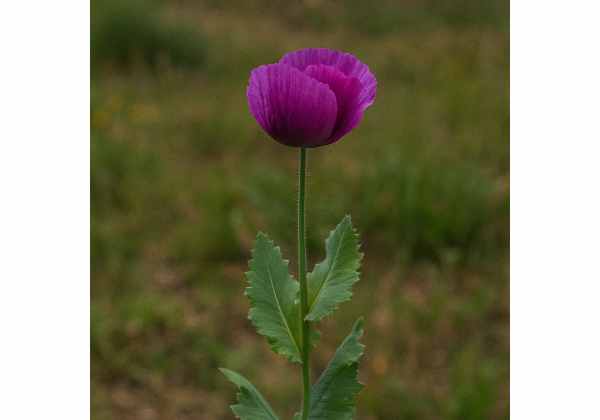
Poppy, or Papaver somniferum, is one of the most complicated plants in herbal and medical history. It is known both as a food plant that gives us poppy seeds and seed oil, and as the original botanical source of several powerful opioid medicines. That dual identity matters. The nutritious seeds used in baking are very different from the latex-rich parts of the plant that yield alkaloids such as morphine and codeine. Because of that, “poppy benefits” can mean two very different things: gentle nutritional value from the seeds, or potent drug effects from tightly regulated medicines derived from the plant.
For everyday readers, the most helpful approach is to separate food use from medicinal use. Culinary poppy seeds can add healthy fats, fiber, and minerals to meals. Prescription poppy-derived medicines can relieve severe pain, but they also carry serious risks, including dependence and overdose. This article explains the plant’s key compounds, realistic health benefits, traditional and modern uses, dosage issues, and the safety points that deserve the most attention before anyone considers using poppy beyond the kitchen.
Key Insights
- Culinary poppy seeds are best understood as nutrient-dense foods that provide fats, fiber, and minerals rather than as stand-alone herbal medicines.
- The plant is the original source of morphine, codeine, and related alkaloids used in tightly controlled pain treatment.
- There is no safe self-care dose for crude poppy latex, tea, or unregulated extracts; prescription morphine products may begin around 10 to 20 mg every 4 hours in selected adults.
- Avoid poppy-based self-treatment during pregnancy, while breastfeeding, with alcohol or sedatives, or if you have opioid use disorder or breathing problems.
Table of Contents
- What Poppy Is and Which Parts Are Used
- Key Ingredients and Medicinal Actions of Poppy
- Potential Benefits and What the Evidence Really Supports
- How Poppy Is Used in Food Herbal Tradition and Medicine
- Poppy Dosage Timing and Practical Guidelines
- Safety Side Effects Interactions and Who Should Avoid It
What Poppy Is and Which Parts Are Used
Papaver somniferum is an annual flowering plant in the poppy family. It has delicate petals, a round seed capsule, and a long history that spans farming, pharmacy, and food culture. In ordinary conversation, people often treat “poppy” as a single substance, but from a health perspective that is misleading. Different parts of the plant have different chemistry, different legal status, and very different risk profiles.
The first important distinction is between the seeds and the rest of the plant. The seeds are commonly used in breads, pastries, fillings, and spice blends. They can also be pressed into poppy seed oil. These culinary forms are legal in many places and are generally consumed like other seeds. Their main value is nutritional. They contribute fat, some protein, fiber, and trace minerals, and they fit naturally into a food-based diet.
The second distinction is the capsule and latex. When the seed pod is immature, it contains a milky sap rich in biologically active alkaloids. Those alkaloids are the foundation of several important medicines, but in crude form they are unpredictable and potentially dangerous. This is why the same plant can be discussed both as a food crop and as a controlled narcotic source. In many countries, cultivation rules reflect that difference, and the way poppy is handled may be subject to strict regulation.
A third distinction matters for consumers: grocery-store poppy seeds are not the same as homemade poppy teas, pod preparations, or raw latex products sold online. Seeds themselves contain very little intrinsic opioid material, but they can be contaminated on the surface during harvesting and processing. That is why food safety discussions focus on washing, handling, and contamination control rather than assuming all seeds are pharmacologically strong.
From a practical standpoint, poppy belongs in three separate boxes:
- Food use: seeds, seed pastes, and seed oil.
- Pharmaceutical use: prescription opioid medicines derived from purified alkaloids.
- High-risk self-treatment: crude teas, extracts, latex, or pod-based preparations with uncertain potency.
Keeping those boxes separate helps readers avoid one of the biggest mistakes around poppy: assuming that because the seeds are familiar, the whole plant is safe for home herbal use. It is not. For most people, the relevant everyday form is the seed. The more potent medicinal forms belong in professional care, not casual experimentation.
Key Ingredients and Medicinal Actions of Poppy
Poppy’s reputation comes from two very different groups of compounds. The first is its nutrient profile in the seeds and oil. The second is its alkaloid profile in the latex-rich parts of the plant. Understanding both helps explain why poppy can be discussed as a wholesome food in one sentence and as a high-risk drug source in the next.
In the culinary seeds, the main “active” components are not narcotics but nutrients. Poppy seeds provide oil rich in unsaturated fatty acids, especially linoleic acid, with smaller amounts of oleic and saturated fats. They also supply protein, insoluble fiber, and minerals such as calcium, phosphorus, potassium, and magnesium. Poppy seed oil additionally contains compounds such as tocopherols, which contribute antioxidant stability. These features support poppy’s place as a nutrient-dense seed, similar in spirit to other oil-rich seeds such as flax seed, although the exact fatty acid profile is different.
The second compound group is what made Papaver somniferum historically famous: benzylisoquinoline alkaloids and related morphinan compounds. The best known are morphine, codeine, and thebaine. Papaverine and noscapine are also important. These chemicals do not all work the same way.
Here is the simplest way to think about them:
- Morphine: strong analgesic action through opioid receptors, especially for severe pain.
- Codeine: weaker opioid analgesic and antitussive action, often used in controlled pharmaceutical settings.
- Thebaine: not used directly for pain relief in the way morphine is, but important as a pharmaceutical precursor.
- Papaverine: not a classic opioid pain drug; better known for smooth-muscle and vasodilatory effects.
- Noscapine: traditionally associated with cough suppression rather than strong pain relief.
When people talk about poppy’s “medicinal properties,” they are usually referring to actions that come from these alkaloids: analgesic, antitussive, sedative, antispasmodic, and central nervous system effects. The key problem is that those properties become useful only when the dose is known and controlled. In unregulated preparations, the same chemistry that can reduce pain can also slow breathing, impair judgment, and create dependence.
That is why poppy is different from many gentler household herbs. A reader looking for mild evening calm is better served by non-opioid options such as valerian for sleep support rather than assuming opium poppy is an herbal shortcut. In modern practice, the plant’s important medicinal actions are usually harnessed through standardized medicines, not raw home preparations.
So the “key ingredients” story is really a split story. In seeds, poppy offers fats, fiber, and minerals. In the rest of the plant, it offers powerful alkaloids with real therapeutic value and real danger. Both are true, but they belong to very different use contexts.
Potential Benefits and What the Evidence Really Supports
When readers search for poppy’s health benefits, they often expect a simple list. A more honest answer is that the benefit depends almost entirely on which form of poppy is being discussed. The strongest evidence supports two broad areas: nutritional benefit from the seeds and potent symptom control from prescription medicines derived from the plant. Claims beyond that are more limited and should be treated with caution.
1. Nutritional support from culinary seeds
Poppy seeds can contribute useful nutrients to the diet. Their main advantages are practical rather than dramatic. They add energy density, unsaturated fats, some protein, and a meaningful amount of fiber. They also contribute minerals, especially calcium and magnesium. This makes them a reasonable supporting food for satiety, texture, and dietary variety. They are not a miracle ingredient, but they can fit well into a balanced eating pattern.
2. Pain relief from purified poppy-derived medicines
This is the most medically important benefit linked to Papaver somniferum. Morphine and related opioids derived from the plant can reduce severe pain, particularly when non-opioid options are not enough. In hospitals, palliative care, and selected outpatient settings, these medicines remain important tools. This benefit is real, strong, and well established. At the same time, it applies to regulated pharmaceutical products, not to raw plant use at home.
3. Cough suppression and sedation in controlled contexts
Certain poppy alkaloids have long been used for cough suppression and for central nervous system effects such as sedation. Historically, poppy preparations were used for sleep, restlessness, spasm, and diarrhea. Some of those historical uses help explain the plant’s reputation, but they should not be treated as modern self-care recommendations. A traditional use is not the same as a safe home practice.
4. Possible food-based support from seed oil and seed cake
Poppy seed oil can serve as an edible oil with a pleasant flavor, and seed by-products may offer fiber and protein in specialty foods. This is more of a culinary and nutritional advantage than a medicinal one. The evidence supports poppy as an ingredient with food value, not as a proven treatment for chronic disease.
What does the evidence not support strongly? It does not support unregulated poppy tea, pod use, or latex use as a safe natural therapy for pain, insomnia, or anxiety. Those practices are risky because alkaloid levels can vary widely. In other words, the plant’s strongest therapeutic potential comes with the strictest need for standardization.
That leads to a balanced summary. Poppy’s realistic benefits are:
- nutrient support from seeds,
- serious pain control from prescription opioid medicines,
- limited traditional support for cough and sedation,
- culinary value from oil and baked-food use.
If your goal is mild pain support without opioid exposure, exploring non-opioid options such as white willow for pain relief usually makes more sense than treating opium poppy as a casual herb. The evidence for poppy is strongest when its risks are acknowledged, not ignored.
How Poppy Is Used in Food Herbal Tradition and Medicine
Poppy use makes the most sense when divided into culinary, traditional, and pharmaceutical categories. That framework helps people understand which uses are reasonable in everyday life and which belong in specialist care.
Culinary use
The safest and most familiar use is the seed. Whole poppy seeds are added to breads, crackers, pastries, noodles, dressings, and fillings. Ground seeds are used in Central and Eastern European baking, and white seeds are common in parts of South Asia. Poppy seed oil is sometimes used as a finishing oil because of its flavor and fatty acid profile. In this setting, poppy is functioning as a food ingredient, not as an herbal sedative or painkiller.
Traditional use
Traditional medical systems in different regions have used parts of Papaver somniferum for cough, pain, spasm, sleep, and gastrointestinal complaints. These uses reflect the plant’s strong pharmacology, but they also reflect older periods when purity, dose control, and drug safety standards were limited. Traditional descriptions may mention the seed, fruit, capsule, or latex, but modern readers should not assume those uses are safe to copy at home. Traditional relevance is important for context, not as a substitute for modern safety standards.
Pharmaceutical use
This is the most important modern medical use. Alkaloids isolated from poppy, or semisynthetic medicines built from those alkaloids, are used for severe pain management and other tightly controlled indications. Here the plant is no longer being used as a kitchen herb. It becomes the raw source for carefully manufactured drugs with known concentrations, labeled dosing, contraindications, and monitoring requirements.
A helpful way to think about current poppy use is by preparation type:
- Seed as food: reasonable for most healthy adults in normal dietary amounts.
- Seed oil: mainly culinary, sometimes cosmetic, not a major stand-alone medicine.
- Standardized prescription opioids: appropriate only under medical supervision.
- Homemade teas, pod brews, raw latex, or concentrated washes: not appropriate self-care.
That final category deserves special emphasis. Some people are drawn to “natural” poppy preparations for sleep, pain, or withdrawal symptoms. The problem is that natural does not mean predictable. Crude preparations can contain highly variable amounts of morphine, codeine, thebaine, and other alkaloids. One batch may seem weak, while another can cause dangerous sedation or respiratory depression.
There is also a practical food-safety point. Even culinary seeds can sometimes carry surface contamination from plant latex. Washing and processing may reduce contamination in some cases, but they do not make home experimentation with stronger plant parts safe or reliable.
So how should most readers actually use poppy? For most households, the answer is simple: use the seeds as food, enjoy them in moderate culinary portions, and treat all non-food or opioid-like uses as medical territory. That approach captures poppy’s value without pretending it is a gentle all-purpose herb.
Poppy Dosage Timing and Practical Guidelines
Dosage is where poppy demands more caution than many other herbs. There is no responsible one-size-fits-all “herbal dose” for the whole plant, because the plant is not usually used safely as a crude self-treatment. The only sensible dosage discussion separates culinary seed intake from clinician-directed prescription opioid use.
Culinary seed amounts
For food use, poppy seeds are typically consumed in recipe-sized amounts rather than medicinal doses. In practice, that often means a sprinkle on bread or a modest portion in a filling or dressing. These are food amounts, not therapeutic doses. If you tolerate seeds well, they can be used like other seeds in meals. The goal here is flavor and nutrition, not sedation or pain control.
Prescription opioid dosing
Once poppy-derived alkaloids are being used for pain relief, the conversation changes completely. Dosing is individualized according to the patient, the formulation, the pain severity, prior opioid exposure, age, and other medications. Standard labels for morphine products show why self-dosing is inappropriate: even approved products require careful titration, attention to milligrams versus milliliters, and screening for overdose risk.
A simple rule is worth remembering:
- Seeds in food: culinary portions.
- Medicinal opioid forms: prescription only.
- Crude plant preparations: do not self-dose.
Timing considerations
Timing also depends on the form. Food use has no special timing beyond the meal itself. Prescription opioids may be taken as needed or on a schedule depending on the product and indication, but that is determined medically. There is no safe general advice for timing homemade teas, pods, or latex preparations because potency is unpredictable and delayed overuse can lead to overdose.
Common mistakes to avoid
- Assuming that “seed” and “whole plant” carry the same potency.
- Using household spoons for liquid opioid medicines instead of calibrated devices.
- Taking extra amounts because the first dose “did not work yet.”
- Mixing poppy-based substances with alcohol, benzodiazepines, sleep aids, or other sedatives.
- Using crude poppy preparations for insomnia, pain, or withdrawal without medical care.
A practical bottom line
If you are using poppy as food, stay in the food lane. If you are using a poppy-derived medicine, follow the exact label and your clinician’s directions. If you are considering poppy because you want better sleep or calmer evenings, it is much safer to look at better-characterized non-opioid options such as valerian for sleep support rather than trying to build a dosing routine around an opium poppy preparation.
The most accurate dosage advice for Papaver somniferum is not a number. It is a boundary: there is no evidence-based self-care dose for crude poppy latex, pod tea, or unregulated extracts. That boundary is what keeps the discussion medically useful rather than casually dangerous.
Safety Side Effects Interactions and Who Should Avoid It
Safety is the most important part of any poppy article. The plant’s chemistry is powerful enough that a vague or overly enthusiastic safety section would be misleading. For most people, the central issue is not whether poppy has bioactive effects. It clearly does. The real issue is whether those effects can be predicted, dosed, and monitored safely.
Possible side effects
With culinary seeds, side effects are usually mild and may include digestive discomfort in sensitive people, especially with larger food portions. Allergy is possible but uncommon. The larger concern is contamination rather than the seed itself. Contaminated seeds can contain surface alkaloids that may cause unexpected opioid exposure.
With opioid medicines derived from poppy, side effects may include:
- drowsiness,
- nausea,
- constipation,
- slowed thinking,
- dizziness,
- impaired coordination,
- respiratory depression,
- tolerance and dependence.
These risks rise when doses are high, when formulations are misunderstood, or when other sedatives are involved.
Important interactions
The most dangerous combinations are with substances that also depress the central nervous system. These include alcohol, benzodiazepines, prescription sleep medications, some antihistamines, and other opioids. Combining them can magnify sedation and breathing suppression. Even “natural” calming products can add to that burden. People already using sedative herbs or supplements should avoid assuming they can safely stack them with poppy-based products.
Who should avoid poppy-based self-treatment
Avoid self-directed use of non-food poppy preparations if you are:
- pregnant or trying to conceive,
- breastfeeding,
- a child or older adult at higher risk of sedation,
- living with asthma, sleep apnea, or other breathing problems,
- taking sedatives, opioid medicines, or alcohol regularly,
- living with a history of substance use disorder or opioid use disorder,
- dealing with liver disease, severe constipation, or unexplained drowsiness.
This section also includes one point many readers overlook: homemade poppy teas and pod brews are especially risky because alkaloid content varies sharply between sources and batches. That makes it hard to estimate exposure and easy to take far more than intended. “Natural” variability is not a safety feature; in this case it is part of the hazard.
There is also a legal and occupational angle. Poppy seed consumption can, in some situations, contribute to positive drug screens or raise questions after heavy intake of contaminated products. That risk may matter for athletes, transportation workers, healthcare professionals, and others in safety-sensitive roles.
The safest summary is straightforward. Food use of clean poppy seeds is one thing. Self-medicating with crude opium poppy preparations is something else entirely. If someone wants help with chronic pain, persistent insomnia, or anxiety, the next step should be medical assessment or a safer non-opioid strategy, not experimentation with a plant that can depress breathing and cause dependence.
References
- Papaver Plants: Current Insights on Phytochemical and Nutritional Composition Along with Biotechnological Applications – PMC 2022. (Review). ([PMC][1])
- Nutritional and Chemical Characterization of Poppy Seeds, Cold-Pressed Oil, and Cake: Poppy Cake as a High-Fibre and High-Protein Ingredient for Novel Food Production – PMC 2022. (Food Composition Study). ([PMC][2])
- Determination of Opium Alkaloid Content in Poppy Seeds Using Liquid Chromatography Coupled with a Mass Spectrometer with a Time-of-Flight Analyzer (UPLC-TOF-HRMS) – PMC 2024. (Food Safety Study). ([PMC][3])
- Update on Opium Alkaloids in Food: Exploring Their Occurrence, Effect of Culinary Processing and Advances in Analytical Methodologies – PMC 2025. (Review). ([PMC][4])
- DailyMed – MORPHINE SULFATE solution 2025. (Drug Label). ([DailyMed][5])
Disclaimer
This article is for educational purposes only and is not a substitute for medical advice, diagnosis, or treatment. Papaver somniferum is a medically significant plant whose potent effects are linked to regulated opioid alkaloids. Do not use crude poppy latex, pod tea, or unregulated extracts to treat pain, sleep problems, anxiety, cough, or withdrawal. Seek prompt medical care for breathing difficulty, extreme drowsiness, or suspected overdose, and speak with a qualified clinician before using any poppy-derived medicine if you are pregnant, breastfeeding, taking sedatives, or living with a substance use disorder.
If you found this article useful, please share it on Facebook, X (formerly Twitter), or your preferred platform to help others make safer and better-informed decisions.