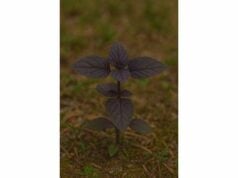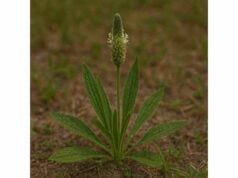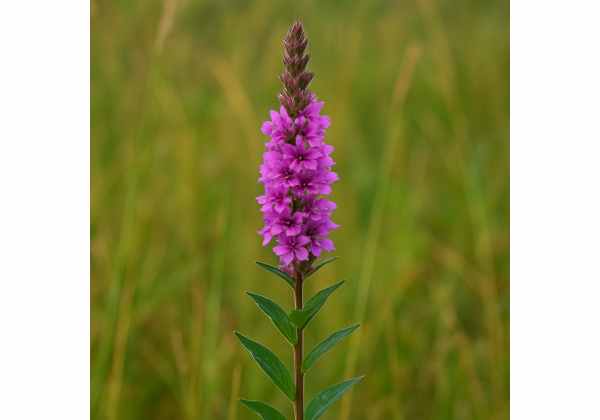
Purple loosestrife, Lythrum salicaria, is best known to many people as a striking wetland plant with tall purple flower spikes, yet it also has a long medicinal history in European herbal practice. Traditionally, the aerial parts of the plant were used as a strong astringent for loose stools, irritated mucous membranes, minor bleeding, and inflamed skin. That older reputation still shapes how herbalists think about it today. Modern phytochemical research adds a clearer explanation: purple loosestrife is rich in tannins, ellagitannins, flavonoids, and other polyphenols that help explain its tissue-tightening, antioxidant, antimicrobial, and soothing properties.
Even so, this is not an herb with strong modern clinical evidence. Its benefits are supported mainly by tradition, pharmacopoeial use, and preclinical studies rather than large human trials. That makes practical judgment especially important. Purple loosestrife is most convincing as a short-term, tannin-rich herb for digestive upset and topical care, not as a broad internal tonic. Knowing how to prepare it, how much to use, and when to avoid it matters just as much as knowing its possible benefits.
Quick Overview
- Purple loosestrife is most traditionally used for mild diarrhea and irritated mucous membranes.
- Its tannin-rich chemistry also supports topical use for minor skin irritation and weepy tissues.
- A traditional tea is often prepared with about 2 to 5 g of cut herb in 150 mL of boiling water.
- People who are pregnant, breastfeeding, under 18, or prone to significant stomach irritation should avoid self-treatment.
Table of Contents
- What purple loosestrife is and why it has been used medicinally
- Key compounds and how purple loosestrife may work
- Purple loosestrife for digestive support and mucosal aid
- Topical uses, skin care, and traditional astringent applications
- How to prepare and use purple loosestrife
- Dosage, timing, and practical best practices
- Safety, side effects, interactions, and who should avoid it
What purple loosestrife is and why it has been used medicinally
Purple loosestrife is a perennial herb in the loosestrife family that thrives in wet soils, marsh edges, streambanks, and damp meadows. It is easy to recognize when in bloom because of its upright stems and dense spikes of magenta-purple flowers. In herbal medicine, the part most often used is the flowering aerial herb, usually harvested while the plant is in bloom and then dried for tea, extracts, or external preparations.
Historically, purple loosestrife earned its place in European medicine as an astringent herb. That means it was valued for tightening and toning tissues, reducing excessive secretions, and helping calm irritated surfaces. In practice, that translated into traditional use for diarrhea, dysentery, inflamed mouth and throat tissues, minor bleeding, hemorrhoidal irritation, eczema-like skin problems, and small weeping wounds. The herb was especially associated with digestive and mucosal problems where excessive moisture, irritation, or looseness seemed to be the main pattern.
That astringent profile makes purple loosestrife easier to understand if you compare it with other tannin-rich astringent herbs such as oak bark. Both herbs are used to tighten tissues and reduce excessive discharge, though purple loosestrife is generally viewed as milder and more suitable for tea preparations.
Its older medicinal status is also notable because purple loosestrife was not simply a folk curiosity. It was important enough to be recognized as a pharmacopoeial herbal material in Europe, which suggests a serious historical reputation even if modern clinical research has not fully caught up. That is an unusual position for a plant that many people now know mainly as an invasive wetland species in North America.
This split identity matters. In ecology, purple loosestrife can be a problem plant in some regions. In herbal history, it is a respected astringent. The fact that a plant is invasive does not automatically make it dangerous or useless medicinally, but it does mean harvesting should be thoughtful. Foragers should avoid contaminated wetlands, sprayed areas, and places where gathering could spread seed or conflict with local management rules.
The best modern way to think about purple loosestrife is as a specific-use herb, not a catch-all remedy. It belongs to a narrower category of traditional plants that are most useful when the symptom pattern matches the herb well. Loose stools, irritated membranes, superficial skin seepage, and overactive secretions are classic examples. General fatigue, chronic inflammation, or broad wellness support are not.
That specificity is actually one of its strengths. Purple loosestrife does not need to be everything. It has a clear traditional lane, a chemistry profile that fits that lane, and a modest but meaningful body of modern research suggesting that its older uses were not arbitrary.
Key compounds and how purple loosestrife may work
Purple loosestrife owes most of its medicinal reputation to polyphenols, especially tannins and tannin-related compounds. If you understand that one point, much of the rest of the herb makes sense. Its bitterness is not the main story. Its tissue-tightening, protein-binding, surface-protective chemistry is.
The most important constituents identified in modern research include ellagitannins and other hydrolysable tannins, along with flavonoids and related polyphenols. Compounds such as vescalagin, castalagin, salicarinins, orientin, vitexin, and isoorientin are often discussed in the literature. Some newer analyses also report constituents such as isoquercitrin, chlorogenic acid, and plant sterols in certain extracts. The exact profile varies with extraction method, plant part, and harvest timing.
This chemistry matters because tannins do several practical things at once:
- They can bind with proteins on irritated surfaces, creating a temporary protective effect.
- They can reduce excess moisture and secretion in mucosal tissues.
- They may help limit microbial adhesion or growth in some experimental settings.
- They contribute antioxidant capacity by neutralizing reactive compounds.
- They may influence inflammatory signaling, especially in cell-based models.
That combination helps explain why purple loosestrife has been used for both diarrhea and topical skin care. In the gut, astringent polyphenols may help calm irritated lining and reduce excessive secretions. On the skin or mucosa, the same chemistry can help tone, dry, and soothe minor inflamed tissue. This dual use is common in tannin-dominant herbs.
At the same time, purple loosestrife is not only a tannin plant. Its flavonoids and related polyphenols add antioxidant and potential anti-inflammatory depth. Some studies also suggest that specific ellagitannins from the herb can affect intestinal cell models in ways that may support barrier integrity and reduce bacterial adhesion. That is especially interesting because it provides a modern mechanistic clue for the herb’s old reputation in diarrhea care.
This is where it helps to contrast purple loosestrife with demulcent herbs such as marshmallow. Marshmallow soothes by coating with mucilage, while purple loosestrife soothes more by tightening, drying, and toning. Both can help irritated tissue, but they do so in very different ways. Purple loosestrife is the better match when the tissue is too wet, too loose, or too secretory.
Modern experimental work also suggests antimicrobial and antioxidant activity in some extracts, but this should be framed carefully. Lab activity is not the same as clinical proof. It supports plausibility, not certainty. The herb’s most responsible description remains this: purple loosestrife is a tannin-rich, polyphenol-dense astringent herb with experimental antioxidant, antimicrobial, and anti-inflammatory properties that likely help explain its traditional digestive and topical uses.
That phrasing matters because it keeps the herb grounded. Purple loosestrife does not need exaggerated claims. Its chemistry is already coherent, practical, and distinctive enough to justify interest.
Purple loosestrife for digestive support and mucosal aid
The clearest traditional use of purple loosestrife is digestive. If there is one place where the herb’s historical identity, chemistry, and experimental research all point in the same direction, it is here. Purple loosestrife has long been used for diarrhea, dysentery-like complaints, chronic loose stools, and irritated digestive mucosa. Modern writers should still be cautious, because human trials are sparse, but the pattern is strong enough to take seriously.
What kind of digestive problem fits this herb best? Usually, it is a pattern of excessive looseness, urgency, irritation, or secretion rather than sluggish digestion. Purple loosestrife is not mainly a carminative, a laxative, or a bitter tonic for appetite. It is more of an astringent stabilizer. That means it makes the most sense when the gut feels too wet and overactive, not too dry or constipated.
A practical picture of where it may fit includes:
- mild acute diarrhea after dietary upset
- chronic loose stool patterns that are not severe
- irritated gut lining with excessive mucus
- recovery support after short-term bowel irritation
- inflamed mouth or throat tissues when used as a cooled gargle
Its role in mucosal care goes beyond the intestines. Herbal tradition also used it for inflamed oral tissues, mild gum irritation, and other irritated membranes. This fits the same astringent logic. The herb does not numb tissue in the way a local analgesic would. Instead, it tends to dry, tone, and calm.
Interestingly, experimental work with purple loosestrife ellagitannins suggests effects on intestinal barrier models and bacterial adhesion, especially involving enteropathogenic E. coli. That does not mean the herb should replace medical treatment for infectious diarrhea, but it does make the old use feel less speculative. Astringency alone may not be the whole story. Some of the herb’s polyphenols may actively influence how microbes interact with intestinal surfaces.
Even so, the limits matter. Purple loosestrife is not appropriate for severe diarrhea with dehydration, fever, blood in the stool, or symptoms lasting longer than expected. It is not a replacement for oral rehydration, stool testing, or medical care when red flags are present. Its best use is supportive and short-term.
This is one place where comparison can be helpful. If your main goal is soothing a raw gut without much astringency, a demulcent may be better. If the problem is excessively loose stool and irritated secretions, purple loosestrife may fit better than fiber-based digestive support such as psyllium, which works through bulk rather than tissue toning.
There is also an important subtlety: stronger is not always better. Very tannic herbs can become irritating or constipating if overused. Purple loosestrife seems most useful when used precisely, not heavily. It is a “bring things back together” herb, not a herb to take indiscriminately for every digestive complaint.
For people who understand that narrow but useful role, purple loosestrife can still feel surprisingly relevant today.
Topical uses, skin care, and traditional astringent applications
Purple loosestrife has also been used externally for a wide range of minor tissue problems, especially where moisture, irritation, mild bleeding, or surface inflammation are involved. This is the topical counterpart to its digestive role. If the gut use is about tightening inflamed mucosa from the inside, the external use is about doing something similar on the skin or accessible membranes.
Traditional topical applications include:
- weepy or inflamed skin patches
- minor cuts and abrasions
- superficial wounds that need gentle cleansing and drying
- hemorrhoidal irritation
- mild gum inflammation
- occasional mouth or throat rinses
- compresses for irritated skin surfaces
The herb’s tannins are central here. Astringent herbs can help reduce superficial oozing, create a feeling of tightened tissue, and sometimes lessen the sensation of minor irritation. Purple loosestrife may also offer some antioxidant and antimicrobial support, which is why it has historically appeared in washes, compresses, and gargles.
Modern experimental work has added a few interesting angles. Certain purple loosestrife extracts have shown antibacterial activity in laboratory settings, and newer skin-focused research suggests antioxidant and anti-inflammatory potential in cell-based models. Some work even points toward possible dermo-cosmetic applications, especially around barrier-supportive and protective effects. Still, that does not turn the herb into a modern wound drug. It remains a gentle traditional aid, not a replacement for proper wound care.
This topical identity makes it comparable in some ways to witch hazel as an astringent topical herb. Both are often used where tissue needs drying, toning, and mild soothing rather than heavy moisturizing. Purple loosestrife is less famous, but its overall logic is similar.
There are a few practical rules for external use:
- Use it on minor problems, not deep wounds.
- Avoid applying it to obviously infected, spreading, or heavily damaged tissue without medical advice.
- Test first on a small area if skin is reactive.
- Use cool or lukewarm preparations rather than very hot ones on irritated surfaces.
- Stop if the area becomes more red, painful, or itchy.
One of the herb’s classic external uses is as a cooled tea or wash. This form makes sense because water extracts the tannin fraction well enough for a topical astringent effect. A cooled infusion can be used as a rinse, compress, or gargle. For topical purposes, simplicity often works better than more elaborate extraction methods.
Purple loosestrife is especially appealing for people who understand the difference between soothing and smothering. Not every irritated skin problem needs oil, fat, or heavy ointment. Some need drying, cleansing, and toning. That is the lane purple loosestrife occupies.
It is also worth noting that topical use may be the more accessible modern pathway for this herb. Internal use always raises questions about dosing precision, stomach sensitivity, and symptom seriousness. External use is narrower, easier to judge, and often more forgiving, as long as the problem is mild and clearly superficial.
How to prepare and use purple loosestrife
Purple loosestrife is usually prepared as a tea, infusion, decoction-like steep, liquid extract, or external wash. Unlike resinous herbs that need alcohol or oil to make sense, this plant works reasonably well in water because so much of its action depends on tannins and other water-extractable polyphenols. That makes tea the most practical traditional form.
The dried flowering aerial herb is the usual starting material. When prepared as a tea, it can be taken internally between meals or allowed to cool for external rinses and compresses. This dual use is convenient and fits the herb’s historical role well. A single batch can serve as a digestive tea, a gargle, or a topical wash, depending on how it is handled.
Common forms include:
- dried cut herb for infusion
- liquid extracts or tinctures
- cooled tea for gargling
- external compresses or rinses
- blended formulas with other astringent or soothing herbs
The form should match the goal. For loose stools or irritated oral tissues, tea makes the most sense. For portable use or practitioner-guided formulas, a tincture may be more convenient. For skin or hemorrhoidal support, a cooled infusion or compress is usually better than a concentrated alcohol preparation.
There are also a few smart preparation habits:
- use clean, well-dried herb from a trusted source
- avoid overboiling unless a product specifically recommends it
- strain thoroughly before mouth or skin use
- prepare small fresh batches rather than keeping tea around for long periods
- avoid collecting from polluted wetlands, drainage ditches, or sprayed sites
This last point matters more than usual because purple loosestrife is a wetland plant. Wetland plants can accumulate contaminants from the environments where they grow, and some of the most common places people encounter purple loosestrife are not ideal harvesting sites. A beautiful stand along a roadside marsh is not automatically a safe herbal source.
In terms of blending, purple loosestrife pairs logically with herbs that complement either its digestive or topical role. For example, some herbalists might combine it with plantain for broader topical soothing and tissue support in external washes, or with milder digestive herbs in short-term gut formulas. The key is not to bury its astringency. Purple loosestrife is most useful when its tissue-toning character remains clear.
One practical caution is not to confuse it with a daily wellness tea. This is not the sort of herb most people sip casually every day for months. Its best use is need-based and targeted. You reach for it when the tissue picture calls for it.
That is why good use begins with good identification of purpose. Ask: am I trying to reduce excessive looseness, secretions, or superficial irritation? If the answer is yes, purple loosestrife may make sense. If not, another herb may fit better.
Dosage, timing, and practical best practices
Dosage for purple loosestrife should be described as traditional rather than clinically standardized. That distinction matters. There are not enough modern human trials to claim a firm evidence-based dose, but there is traditional guidance that can still be used cautiously. The most commonly cited tea preparation uses about 2 to 5 g of finely cut herb in roughly 150 mL of boiling water, steeped for around 10 minutes, with a cup taken several times daily between meals.
That is a reasonable traditional framework, but it should be treated as a moderate, short-term approach rather than an open-ended routine. More is not necessarily better with a tannin-rich herb. Overuse may simply shift the body from loose irritation to dryness, heaviness, nausea, or constipation.
A practical dosing mindset looks like this:
- start at the lower end if you are sensitive
- use it for a specific symptom pattern
- keep the trial short unless supervised
- reassess after a day or two in acute situations
- stop if it clearly does not fit or causes irritation
Timing depends on the intended use. For digestive support, taking the tea between meals is traditional and sensible. For gargles or mouth rinses, timing is more about symptom relief than digestion. For external compresses, use them when tissue is irritated or weepy, but do not keep a damp compress in place so long that the skin becomes macerated.
A simple best-practice routine for mild digestive use might be:
- Prepare a fresh cup using a modest amount of dried herb.
- Sip it slowly between meals.
- Keep meals simple and bland while the gut settles.
- Use only for a brief period unless a clinician advises otherwise.
- Escalate to medical care if red-flag symptoms appear.
One common mistake is using purple loosestrife for the wrong kind of digestive problem. Astringent herbs are not ideal for constipation, dry irritation, or gut discomfort that improves with moisture and demulcents. Another mistake is assuming all diarrhea is suitable for herbs. Fever, blood, significant pain, or dehydration all change the picture.
For topical use, there is more flexibility. A cooled infusion can be applied as needed for brief compresses, rinses, or gargles. Even then, excessive frequency can sometimes leave tissue feeling overly dry or tight.
It also helps to think of purple loosestrife as a pattern herb rather than a daily supplement. Some plants are taken for weeks as nutritive supports. Purple loosestrife usually is not. It is more like a focused, situation-specific tool. In that sense, it behaves more like classical astringent remedies used for short-term tissue toning than like gentle everyday tonics.
The most responsible dosage advice, then, is not just a number. It is a method: start low, match the herb to the symptom picture, keep use short, and watch for signs that the condition is more serious than self-care can handle.
Safety, side effects, interactions, and who should avoid it
Purple loosestrife is generally considered a low-to-moderate risk herb when used appropriately and for short periods, but its safety profile is still shaped more by traditional guidance than by modern clinical testing. That means caution should come before confidence.
The main safety issue is not dramatic toxicity. It is mismatch and overuse. Because the herb is rich in tannins, it can aggravate certain stomach symptoms, especially in people who already have irritation from very astringent or bitter preparations. Some sources note that irritable stomach symptoms may worsen rather than improve. This is a good reminder that even a useful herb can be the wrong herb for some constitutions or situations.
Key groups who should avoid self-treatment include:
- people who are pregnant
- people who are breastfeeding
- children and adolescents under 18
- anyone with persistent or unexplained digestive symptoms
- people with known sensitivity to strong tannin-rich herbs
- those using the herb instead of medical care for significant bleeding or infection
Possible side effects may include:
- stomach discomfort
- nausea from overly strong tea
- constipation or excessive drying with repeated use
- irritation if applied too often to delicate tissues
- worsening of symptoms if the herb does not match the condition
Known herb-drug interactions are not well established, but that should not be mistaken for proof of none. The literature is simply limited. With tannin-rich herbs, there is always a reasonable theoretical concern that large or repeated doses could affect absorption of some compounds if taken at the same time. The simple practical solution is to separate purple loosestrife tea from medications by a margin of time rather than stacking everything together.
There are also situation-specific safety issues. Do not use purple loosestrife as a substitute for care in severe diarrhea with dehydration, in recurrent bleeding, or in infected skin lesions. Do not apply it to deep wounds or serious burns. And do not assume that because a plant is “natural” and historically used, it is appropriate for vulnerable groups.
One more practical caution relates to sourcing. Because purple loosestrife often grows in wetlands and drainage zones, contamination risk can be real. Heavy metals, agricultural runoff, and roadside pollutants matter. In some areas, the plant is invasive and subject to control measures, so local management rules may also affect whether harvesting is appropriate.
This overall safety picture makes purple loosestrife a good example of an herb that is probably safest when used simply, briefly, and conservatively. It is not an herb that needs dramatic warning labels for most healthy adults, but it is also not one to use casually for long periods.
The herb’s sweet spot is narrow but respectable: short-term traditional use, modest doses, and clear boundaries. When those conditions are respected, purple loosestrife remains an interesting and practical old-world astringent that still has a place in modern herbal thinking.
References
- Assessment of Purple Loosestrife (Lythrum salicaria L.) Extracts from Wild Flora of Transylvania: Phenolic Profile, Antioxidant Activity, In Vivo Toxicity, and Gene Expression Variegation Studies 2025
- Optimized Sambucus nigra L., Epilobium hirsutum L., and Lythrum salicaria L. Extracts: Biological Effects Supporting Their Potential in Wound Care 2025
- Antimicrobial and Antioxidant Effects of Aqueous Extract of Lythrum Salicaria 2021
- Lythrum salicaria Ellagitannins Stimulate IPEC-J2 Cells Monolayer Formation and Inhibit Enteropathogenic Escherichia coli Growth and Adhesion 2020
- Purple loosestrife – medicinal use of the drug: indications for use, dosage, side effects, interactions, and warnings n.d.
Disclaimer
This article is for educational purposes only and does not replace medical advice, diagnosis, or treatment. Purple loosestrife is a traditionally used astringent herb, but it is not a proven treatment for infectious diarrhea, inflammatory bowel disease, serious skin disorders, or unexplained bleeding. Seek prompt medical care for dehydration, fever, blood in the stool, persistent symptoms, spreading skin infection, or any condition that is severe or worsening.
If this article was helpful, please share it on Facebook, X, or any other platform you prefer.