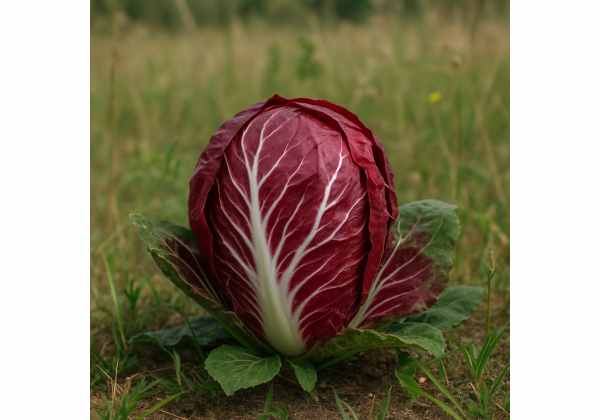
Radicchio is the deep red, white-veined, pleasantly bitter leaf many people know from Italian salads, but it is more than a decorative vegetable. It is a cultivated form of chicory, a plant in the daisy family with a long history as both food and traditional digestive support. Its firm leaves supply fiber, vitamin K, folate, potassium, and a range of polyphenols, including red-purple anthocyanins and bitter sesquiterpene lactones. Together, those compounds help explain why radicchio is often discussed for digestion, antioxidant support, appetite regulation, and overall dietary quality.
What makes radicchio especially useful is that it sits between culinary and medicinal traditions. In the kitchen, it can be eaten raw, grilled, braised, or sautéed. In traditional use, bitter chicories have been valued for stimulating digestion and supporting bile flow. Still, radicchio should be approached mainly as a health-supportive food, not a drug. Its benefits are real but usually gentle, cumulative, and best seen when it becomes part of a consistent eating pattern rather than a quick fix.
Key Insights
- Radicchio provides fiber and polyphenols that support a more nutrient-dense, plant-rich diet.
- Its natural bitterness may help stimulate appetite and digestion, especially when eaten before or with meals.
- A practical adult amount is about 1 to 2 cups raw leaves or 1/2 to 1 cup cooked, roughly 75 to 150 g per day.
- People with Asteraceae allergy, bile duct obstruction, or very sensitive IBS may need to avoid or limit it.
Table of Contents
- What Radicchio Is and How It Differs from Other Chicories
- Key Ingredients and Why They Matter
- Radicchio and Digestive Health
- What Radicchio May Offer for Antioxidant and Metabolic Support
- Uses in Food and Traditional Herbal Practice
- Dosage, Serving Size, and the Best Way to Use It
- Safety, Side Effects, and Who Should Avoid It
What Radicchio Is and How It Differs from Other Chicories
Radicchio is a leafy form of Cichorium intybus, the same species that includes several cultivated chicories. Depending on the variety, it may appear round and compact, long and tapered, or loose and open. The best-known types are Chioggia, which resembles a small burgundy cabbage, and Treviso, which has elongated leaves and a cleaner, slightly sharper bitterness. That bitterness is part of its identity, and it is the reason radicchio often divides first-time eaters into two groups: those who love it immediately and those who need to learn how to use it well.
Botanically, radicchio is not the same thing as endive, although grocery labels sometimes blur the distinction. Endive usually refers to Cichorium endivia, while radicchio belongs to Cichorium intybus. In everyday cooking, the overlap matters less than the form you are using. Radicchio is a leaf vegetable first. Chicory root products, by contrast, are usually discussed for roasted beverages or extracted inulin fiber. That distinction is important because many of the strongest human studies on chicory focus on root-derived fibers, not on radicchio leaves themselves.
As a food, radicchio works in three main ways. First, it contributes to total vegetable intake, which is already one of the strongest predictors of better dietary quality. Second, it adds bitterness, a taste that is often missing from modern diets but can make meals feel more balanced and stimulating. Third, its red pigments and bitter plant compounds give it a richer phytochemical profile than milder lettuces.
In practical terms, radicchio is best thought of as a bitter leafy vegetable with modest traditional medicinal value. It is not a concentrated herbal remedy, yet it does more than iceberg lettuce. It can help diversify the plant compounds in a meal, raise fiber intake, and encourage slower, more attentive eating because bitter foods are rarely rushed.
People often do best with radicchio when they match the form to the goal:
- For a crisp salad element, use it raw and thinly sliced.
- For a milder, sweeter profile, grill, roast, or braise it.
- For digestive support, serve a small portion before or with richer meals.
- For overall nutrition, rotate it with other greens instead of relying on one “superfood.”
If you want the broader botanical context, a full chicory guide helps clarify how radicchio fits within the larger chicory family.
Key Ingredients and Why They Matter
Radicchio’s health value comes from a combination of nutrients and phytochemicals rather than one standout ingredient. That matters because many articles make bitter greens sound as if they work like supplements. In reality, radicchio acts more like a layered food: part fiber source, part micronutrient source, and part phytochemical-rich vegetable.
The main components worth knowing are these:
- Dietary fiber
Radicchio is not as fiber-dense as isolated chicory root inulin, but it still contributes useful fiber in a normal serving. That supports fullness, bowel regularity, and a healthier overall eating pattern. When radicchio replaces low-fiber refined side dishes, the metabolic payoff is usually more meaningful than any single compound effect. - Anthocyanins
The red to purple color in radicchio comes largely from anthocyanins, the same broad family of pigments found in berries, purple cabbage, and black rice. These compounds are known for antioxidant activity and may help protect plant tissues and, indirectly, support human health through a more polyphenol-rich diet. - Phenolic acids and flavonoids
Radicchio also contains hydroxycinnamic acids and related polyphenols. These compounds are often discussed for antioxidant and anti-inflammatory potential. In whole foods, their importance lies less in drug-like strength and more in cumulative, long-term support of a varied plant-based eating pattern. - Sesquiterpene lactones
These bitter compounds are central to radicchio’s taste. They are also the reason bitter chicories have long been used as digestive plants. In traditional herbal language, they are associated with appetite stimulation, digestive secretions, and bile flow. In modern terms, they likely help explain why a bitter salad can make a meal feel more satisfying and easier to process. - Vitamin K, folate, and potassium
Radicchio contributes small to moderate amounts of important nutrients, especially vitamin K and folate, plus potassium and traces of vitamin C and manganese. Its nutritional profile is not as concentrated as darker greens like kale, but it still adds useful diversity. - Water and food volume
This may sound simple, but it matters. Radicchio is bulky, low in calories, and satisfying when paired with fat and protein. That makes it helpful for people who want meals that feel substantial without being heavy.
Taken together, these ingredients give radicchio a practical profile: bitter, colorful, fibrous, and nutrient-supportive. It is not a miracle food, but it is a smart one. It brings compounds that many modern diets lack, especially bitterness and pigment diversity.
For readers who like comparing leafy greens side by side, this guide to lettuce nutrition and medicinal uses offers a helpful contrast with milder salad leaves.
Radicchio and Digestive Health
Digestive support is the most believable traditional use for radicchio and related chicories. That does not mean it works like a laxative or prescription digestive medicine. It means radicchio can gently support the early stages of digestion through bitterness, while also contributing fiber that supports bowel regularity over time.
The bitter taste is the first clue. Bitter foods tend to stimulate salivation and may encourage the release of digestive juices before and during meals. That is one reason bitter greens have traditionally been served as aperitifs, first-course salads, or side dishes with rich foods. Many people notice that a small radicchio salad makes a heavy dinner feel more balanced. This effect is subtle, but it is one of the most practical ways to use the plant.
Radicchio can support digestion in several ways:
- It adds fiber, which helps stool bulk and supports more regular bowel habits.
- Its bitterness may increase appetite when food feels unappealing.
- It can make rich meals feel less cloying and easier to finish comfortably.
- It encourages slower eating because bitter foods tend to be chewed more deliberately.
Still, a key distinction matters here: the strongest clinical research in the chicory family concerns chicory root fiber, especially inulin-type fructans. Those compounds have clearer evidence for prebiotic effects, bowel habit support, and microbiome changes. Radicchio leaves likely contribute some of that family’s digestive value, but not at the same concentration as extracted root fiber. So it is more accurate to say that radicchio supports digestion as a bitter vegetable than to claim it reproduces the effects of a chicory inulin supplement.
People often find radicchio most helpful in these situations:
- after periods of eating bland, heavy, or low-fiber foods
- when trying to improve meal quality without adding many calories
- as a transition vegetable for learning to tolerate bitter tastes
- as part of a routine for mild sluggish digestion, especially before dinner
Common ways to use it for digestion include:
- A small raw salad with olive oil and acid before a rich meal
- Grilled wedges alongside fatty fish, meat, or cheese
- Sautéed radicchio mixed with beans, lentils, or whole grains
- Thin shreds added to sandwiches or wraps to cut heaviness
Who may need caution? People with very sensitive IBS, especially those reacting to fermentable carbohydrates, may find bitter greens and chicory-family vegetables irritating during flares. Others do well with small cooked portions but not large raw salads.
When digestive regularity is the main goal, some people tolerate a gentler supplemental fiber better than a more fermentable chicory-family approach. In that case, a psyllium dosage guide for regularity can be a useful comparison point.
What Radicchio May Offer for Antioxidant and Metabolic Support
Radicchio is often promoted for antioxidant and metabolic benefits, and there is some truth there, but the claims should stay grounded. Its value is strongest as part of a plant-rich dietary pattern, not as a stand-alone intervention for blood sugar, cholesterol, liver disease, or inflammation.
The antioxidant argument begins with color. Red radicchio contains anthocyanins and other polyphenols that help explain its protective plant chemistry. In nutrition, deeply colored vegetables are often encouraged because they add phytochemical variety. That does not mean every serving creates a dramatic measurable effect in the body. It means regular intake may contribute to a broader dietary pattern associated with better cardiometabolic health.
Potential areas of support include:
- Oxidative balance: Polyphenols may help reduce oxidative stress at the dietary level.
- Meal quality: Replacing refined side dishes with vegetables can improve glycemic load and satiety.
- Weight management: Low-calorie, high-volume foods often help meals feel more satisfying.
- Cardiometabolic support: More vegetables, more fiber, and more polyphenol diversity usually improve the overall diet.
Radicchio may be especially helpful in metabolic health for indirect reasons. It makes salads and grain bowls more interesting, which can increase total vegetable intake. Its bitterness pairs well with fats and proteins, which may help people build meals that are more balanced and less centered on refined starches. It also contributes fiber, which supports fullness and steadier eating patterns over time.
What about liver support? Bitter chicories are often described as liver-friendly because traditional systems associate bitterness with bile flow and digestive cleansing. That tradition has some plausibility, and chicory-family plants do show interesting biological activity in laboratory and review literature. But with radicchio itself, strong clinical claims would go too far. It is better to say that radicchio is a useful bitter vegetable in a liver-supportive diet than to present it as a treatment.
The same careful framing applies to blood sugar and cholesterol. A radicchio-rich diet may help because it increases vegetable intake and dietary diversity, not because radicchio alone behaves like a medication. The effect is usually cumulative and modest.
A realistic way to think about metabolic value is this:
- one serving will not transform lab markers
- repeated use can improve the quality of everyday meals
- better meals can improve weight, glucose, and lipid patterns over time
That is still meaningful. Nutrition works through repetition, not spectacle.
For readers interested in the broader category of bitter digestives, artichoke benefits and digestive uses provide a useful comparison with another food-based bitter plant.
Uses in Food and Traditional Herbal Practice
Radicchio is one of the easiest medicinally interesting plants to use because it is already a familiar food. You do not need capsules, tinctures, or powders to benefit from it. In fact, most people are better served by learning how to cook it well than by searching for a supplement version.
In the kitchen, radicchio has four especially useful roles:
- Raw in salads
Thin slicing softens its bitterness and improves texture. It pairs well with citrus, apple, pear, balsamic vinegar, mustard, walnuts, blue cheese, olive oil, and fennel. - Grilled or roasted
Heat reduces bitterness and brings out sweetness. Grilling wedges with olive oil and a pinch of salt is one of the best ways to convert people who think they dislike radicchio. - Braised or sautéed
This is a classic Italian approach. Cooking it with garlic, onion, beans, or broth makes it more mellow and deeply savory. - Mixed with milder greens
Radicchio works well when it is not the only leaf on the plate. Mixing it with romaine, butter lettuce, arugula, or spinach gives the meal complexity without overwhelming bitterness.
From a traditional-use perspective, radicchio belongs to the wider world of bitter chicories. These plants have long been eaten to stimulate appetite, support digestion, and balance rich diets. In some herbal systems, the bitter profile is linked with liver and gallbladder support. That tradition is easier to understand when you see radicchio used the old-fashioned way: in small amounts, before or with meals, rather than as a giant raw salad.
Practical traditional-style uses include:
- a small bitter salad before a main meal
- warm cooked radicchio with olive oil in colder months
- pairing it with fatty or creamy foods to reduce heaviness
- using it regularly, not aggressively
It is also important to separate radicchio from other chicory preparations. Roasted chicory root drinks, root extracts, and inulin powders are related, but they are not the same thing as the leaf. If you are using radicchio, stay focused on food-based use. If you want a stronger prebiotic or bitter effect, that usually calls for a different preparation.
A good rule is to let the plant stay recognizable. If you can still identify it as a vegetable on your plate, you are probably using it in the form where it fits best.
Readers who enjoy sour and bitter greens may also appreciate how sorrel is used for antioxidant and culinary support, since it fills a similar “small amount, big flavor” role in meals.
Dosage, Serving Size, and the Best Way to Use It
Because radicchio is primarily a food, dosage is better understood as serving size, frequency, preparation, and tolerance rather than as a single therapeutic milligram target. That makes the guidance more practical and safer.
For most adults, a useful range is:
- Raw: 1 to 2 cups shredded or chopped, about 75 to 150 g
- Cooked: 1/2 to 1 cup, since cooking reduces volume
- As a pre-meal bitter: 1/2 to 1 cup raw, 10 to 15 minutes before eating
- As part of a mixed dish: 1/4 to 1/2 of the total greens in the recipe
These amounts are enough to get flavor, fiber, and phytochemical variety without pushing bitterness too far.
A sensible way to start is this:
- Begin with 1/2 cup raw or a small cooked portion.
- Pair it with acid and healthy fat, such as lemon and olive oil.
- Use it two or three times per week first.
- Increase toward daily use only if digestion and taste tolerance are good.
For people who already eat many vegetables, radicchio can be used daily. For beginners, three to five times weekly is usually more realistic and still useful.
Timing also matters. If the goal is digestive stimulation, smaller portions before meals often work better than very large portions during the meal. If the goal is dietary diversity, it can simply replace part of your usual lettuce or cooked greens. If the goal is satiety, pair it with protein and fat rather than eating it alone.
Preparation changes both tolerance and effect:
- Raw preserves crunch and a sharper bitter taste.
- Grilled keeps structure but softens bitterness.
- Braised is easiest for many sensitive stomachs.
- Mixed with sweet, acidic, or fatty ingredients makes the taste more balanced.
A few practical combinations work especially well:
- radicchio with orange, walnuts, and olive oil
- radicchio with white beans and garlic
- grilled radicchio with fish or chicken
- chopped radicchio folded into farro or barley dishes
Duration matters less than consistency. Unlike a short herbal course, radicchio is most useful when it becomes one of your regular rotating vegetables for months, not days. You do not need to “cycle” it unless you simply want variety.
One final caution: do not assume radicchio leaf portions translate directly into chicory root extract doses or inulin supplement doses. Those are related but distinct uses, and their dosing should be handled separately.
Safety, Side Effects, and Who Should Avoid It
Radicchio is generally safe for most people when eaten as a food, but “safe” does not mean “right for everyone in any amount.” Its bitterness, fiber, and botanical family all matter when thinking about side effects and interactions.
The most common issues are digestive and dose-related. Large raw servings may cause:
- bloating
- abdominal discomfort
- increased gas
- looser stools in sensitive people
- an unpleasant bitter aftertaste that discourages eating enough overall
These effects are more likely when someone suddenly shifts from a low-fiber diet to a very raw, bitter one. Cooking the leaves, reducing the portion, or mixing radicchio with milder greens often solves the problem.
People who should be more cautious include:
- Those with Asteraceae allergy
Radicchio belongs to the daisy family, which also includes ragweed, chamomile, dandelion, marigold, and artichoke. Anyone with a known allergy to this family should be careful, especially with first exposures. - People with very sensitive IBS or active low-FODMAP restriction
Some people tolerate radicchio well, especially cooked. Others notice more gut irritation from bitter chicories or from related fermentable compounds in the broader chicory family. Portion size matters. - Those with bile duct obstruction or significant gallbladder disease
Because bitter plants are traditionally linked to bile stimulation, people with active biliary obstruction should avoid using radicchio aggressively as a digestive “bitter” without professional guidance. - People taking warfarin or other vitamin K-sensitive regimens
Radicchio is not the richest leafy green in vitamin K, but consistency still matters. Sudden large increases in leafy vegetable intake can complicate management in some people. - Pregnant and breastfeeding adults using more than food amounts
As a vegetable, radicchio is generally acceptable. Concentrated extracts, unusual medicinal dosing, or mixed herbal bitters are a different matter and should be discussed with a clinician.
A few practical safety tips improve tolerance:
- introduce it gradually
- choose cooked forms if raw salads feel harsh
- pair it with food rather than eating very bitter portions alone
- keep portions consistent if you are monitoring medication effects
- stop and seek advice if you notice rash, wheezing, swelling, or severe abdominal pain
Overall, radicchio’s safety profile is good when it is treated as a vegetable with traditional bitter qualities rather than a cure-all. Used that way, it is usually a helpful addition to the diet.
If you want another example of how daisy-family bitters are approached carefully, dandelion safety and digestive use offers a useful comparison.
References
- Chicory (Cichorium intybus L.) as a food ingredient – Nutritional composition, bioactivity, safety, and health claims: A review 2021 (Review)
- Chicory: Understanding the Effects and Effectors of This Functional Food 2022 (Review)
- Health Benefits of Key Constituents in Cichorium intybus L 2023 (Review)
- Health Effects and Mechanisms of Inulin Action in Human Metabolism 2024 (Review)
- Healthy diet 2026 (Guideline)
Disclaimer
This article is for educational purposes only and is not a substitute for personal medical advice, diagnosis, or treatment. Radicchio is generally used as a food, not as a proven medical therapy. If you have food allergies, gallbladder or digestive disease, take anticoagulants, follow a medically restricted diet, or are pregnant or breastfeeding and considering concentrated chicory-based products, speak with a qualified healthcare professional before making major dietary or supplement changes.
If this article was helpful, please consider sharing it on Facebook, X, or your preferred platform so others can find it too.