Restharrow is a traditional European herb best known for supporting urinary comfort and gentle fluid balance. The name usually refers to the root of plants in the Ononis group, especially spiny or creeping restharrow, and that detail matters more than many labels suggest. In older herbal practice, restharrow root was used to “flush” the urinary tract, ease mild irritation, and support the body when water retention felt light and temporary rather than severe or disease-related.
What makes restharrow interesting today is not flashy clinical proof, but the combination of long-standing traditional use, a defined European herbal monograph, and a growing lab-based picture of how its root compounds may work. Isoflavonoids, saponins, triterpenes, and related plant chemicals appear to contribute to its mild urinary and anti-inflammatory profile. At the same time, this is not an herb to oversell. Restharrow is better understood as a measured, low-intensity botanical for minor urinary complaints than as a replacement for antibiotics, prescription diuretics, or kidney care. Used well, it is a practical herb. Used casually in the wrong situation, it can delay needed treatment.
Quick Facts
- Restharrow is mainly used to increase urine flow as a gentle flushing aid for minor urinary complaints.
- Its best-supported traditional role is short-term urinary comfort rather than treatment of a confirmed infection.
- A typical tea range is 2–4 g dried root per cup, up to 3–4 times daily, with a maximum of 12 g per day.
- Avoid self-use during pregnancy, breastfeeding, in children under 12, or if you have been told to limit fluid intake.
Table of Contents
- What restharrow is and why the species name matters
- Key ingredients in restharrow root
- Potential health benefits and what the evidence supports
- Traditional uses and practical applications
- How to prepare and use restharrow
- Dosage timing and duration
- Safety side effects interactions and who should avoid it
What restharrow is and why the species name matters
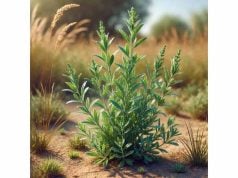
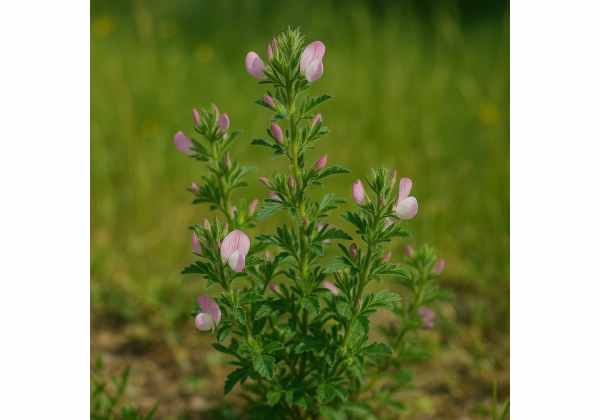
Restharrow is a prickly or creeping perennial from the pea family, Fabaceae. Its medicinal use centers on the root, not the flower or the leafy tops. Historically, the plant earned its common name because its tough root system could literally hinder a harrow moving through the field. That agricultural image also tells you something useful about the herb: the root is dense, woody, and chemically distinct from the softer aerial parts.
The phrase “restharrow root” can be botanically messy. Your article title uses Ononis repens, commonly called creeping or common restharrow. But much of the formal herbal literature, including the current European monograph, focuses on Ononis spinosa root. Some modern botanical sources treat O. repens within the broader O. spinosa complex, while other floras keep the two separate. For readers and shoppers, the practical point is simple: do not assume that every “restharrow” product on the shelf refers to the same exact plant identity. Check three things on the label:
- The Latin name.
- Whether the medicinal part is the root.
- Whether the product is tea-cut root, powdered root, or an extract.
That label check matters because traditional use, dosage, and safety language are tied most clearly to root preparations. It also matters because restharrow is not a kitchen herb in common everyday use the way peppermint or chamomile is. Product quality and identity influence how predictable the experience will be.
In practical herbal use, restharrow is chosen for a narrow lane: short-term support for minor urinary complaints, especially when the goal is to increase urine output gently while maintaining hydration. It is not commonly used as a broad wellness tonic. It is also not an herb that has strong, modern, human clinical evidence behind many different claims. That is why an honest article about restharrow should stay grounded in its actual strengths: defined traditional use, urinary-focused support, and a chemistry profile that plausibly explains why earlier herbalists valued it.
The best way to think about restharrow is as a targeted, old-school urinary herb with modern relevance only when it is matched to the right situation.
Key ingredients in restharrow root
Restharrow root does not rely on one famous “hero compound.” Its activity appears to come from a mix of chemical families working together. That matters because herbs like this often feel broader and gentler than single-compound supplements. They also tend to be harder to summarize in a neat one-line mechanism.
The most discussed groups in restharrow root include:
- Isoflavonoids such as formononetin-related compounds, ononin, and other glycosides.
- Pterocarpans and isoflavanones, which are structurally related compounds often studied for antimicrobial and signaling effects.
- Triterpenes, including compounds linked with anti-inflammatory activity in laboratory work.
- Saponins, which are common in many traditional urinary and “flushing” herbs.
- Phenolic acids and related polyphenols, which may contribute antioxidant and tissue-response effects.
This profile helps explain why restharrow has long been described as more than “just a diuretic.” Some of its compounds appear relevant to inflammatory pathways, while others may influence how microbes interact with tissues in the urinary tract. That does not mean the herb cures infection. It means its traditional reputation is at least chemically plausible.
A useful modern insight is that urinary herbs are often less dramatic than the word “diuretic” suggests. Many herbal preparations work more like gentle flushing aids than like prescription water pills. In other words, they may increase urine flow modestly without behaving like a powerful drug that rapidly changes electrolyte handling. That distinction can help set expectations. A person drinking restharrow tea should not expect a dramatic overnight effect. The likely value is steadier, subtler support.
Another reason the ingredient profile matters is species and preparation variability. A tea made from coarse dried root, a standardized capsule, and a tincture will not present identical chemistry. Water preparations emphasize water-soluble fractions. Alcohol extracts may pull different constituents in higher proportions. Even the cut size of the root can change how strong a home infusion feels.
For readers who want a practical takeaway, it is this: restharrow’s key ingredients point toward a urinary-support herb with mild anti-inflammatory potential, not a miracle remedy. That balance between old tradition and restrained modern evidence is exactly why label quality and realistic dosing matter so much with this plant.
Potential health benefits and what the evidence supports
The clearest potential benefit of restharrow is support for minor urinary complaints by increasing urine output. That is the core traditional use recognized in European herbal guidance, and it remains the best-supported way to describe the herb. In plain language, restharrow is used to encourage a bit more urinary flow so the urinary tract is more consistently flushed.
That may be helpful in situations such as:
- mild urinary irritation,
- a sense of sluggish urination without red-flag symptoms,
- light, temporary puffiness when serious causes are not suspected,
- short-term support alongside hydration.
The second potential benefit is anti-inflammatory support, especially in the context of irritated urinary tissues. Laboratory studies suggest that restharrow root extracts can reduce inflammatory signaling, which gives a rational basis for some traditional use. This does not elevate the herb to a proven anti-inflammatory therapy in humans, but it does suggest that the root may do more than simply increase fluid passage.
A third area of interest is anti-adhesive activity against bacteria in preclinical models. That is an important nuance. Some plant extracts do not directly kill bacteria well but may make it harder for them to adhere to urinary tissues. This mechanism is interesting because it aligns with traditional urinary-support use without forcing the inaccurate claim that the herb functions like an antibiotic. Readers who are drawn to gentler urinary herbs often compare restharrow with corn silk for gentle urinary comfort; restharrow is usually the more root-based and traditionally “flushing” option, while corn silk is often perceived as softer and more soothing.
What the evidence does not strongly support is equally important. There is not strong human clinical evidence showing that restharrow treats active urinary tract infections, dissolves kidney stones, or meaningfully manages chronic edema on its own. Traditional texts sometimes mention urinary gravel or stone-related discomfort, but that is not the same thing as proof of modern therapeutic effectiveness.
So the fairest benefit summary looks like this:
- Most plausible: mild urinary flushing support.
- Reasonably plausible: some anti-inflammatory contribution.
- Interesting but preliminary: reduced bacterial adhesion in lab models.
- Not established: stand-alone treatment for infection, stones, or serious swelling.
That kind of hierarchy matters. It helps readers use the herb in a way that matches the evidence instead of stretching an old remedy into a cure-all it was never shown to be.
Traditional uses and practical applications
Traditional herbal systems mostly place restharrow in the urinary category. It has been used as a root infusion or decoction for minor complaints involving the bladder and lower urinary tract, and sometimes for fluid retention when the underlying cause seemed mild and temporary. Older herbal writing also links it with “gravel,” a traditional term that usually pointed to small stones, sandy sediment, or gritty urinary irritation rather than a modern confirmed stone diagnosis.
In modern practical use, restharrow fits best in four scenarios.
First, as a short-term flushing herb.
This is the classic use. Someone increases fluids, uses a measured restharrow tea for a few days, and monitors symptoms carefully.
Second, as part of a urinary-support routine.
Some people combine it with lifestyle basics such as drinking enough water, reducing bladder irritants, and not waiting too long to urinate. In this role, restharrow is not the whole plan. It is one modest piece of it.
Third, as a root herb in traditional blends.
Restharrow is sometimes paired with other urinary botanicals. If you compare it with uva ursi for short-term urinary support, restharrow generally feels milder and more hydration-oriented, while uva ursi is usually approached more cautiously and for shorter, more targeted use.
Fourth, as a “pause before escalation” herb, but only when symptoms are minor.
This is where common sense matters. Restharrow may be reasonable for mild, early discomfort without fever, severe pain, or blood in the urine. It is not appropriate when symptoms point to infection spreading upward, significant obstruction, or systemic illness.
A thoughtful practical application also means knowing what restharrow is not good for. It is not a substitute for antibiotics when a bacterial urinary tract infection is clear and progressing. It is not a replacement for evaluation when kidney stone pain is intense. It is not the right self-care tool for major swelling related to heart, liver, or kidney disease.
That boundary is part of good herbal practice. Traditional herbs often work best when they are used early, gently, and in the right lane. Restharrow belongs to that category. Its value lies in being a specific herb for a specific type of mild complaint, not a catch-all botanical for every urinary symptom a person might experience.
How to prepare and use restharrow
Restharrow is most often used as a tea made from the dried root, and that remains the most sensible starting form for most readers. Tea aligns with the herb’s traditional use and naturally encourages fluid intake, which is part of the whole point. If an herb is intended to help flush the urinary tract, taking it in warm water is usually more logical than swallowing it dry in capsules.
The main preparation options are:
- Tea or infusion: the classic approach for dried, cut root.
- Decoction: sometimes chosen when the root is particularly coarse or woody.
- Capsules: convenient, but they do not contribute fluid intake.
- Tincture or liquid extract: useful for people who prefer measured drops, though the feel of use differs from tea.
For home use, tea is the most practical form. The root is placed in boiling water and steeped long enough to extract a meaningful amount of material. Because restharrow root is tougher than soft leaf herbs, some people prefer a longer covered steep or a light simmer. The taste is usually earthy, woody, and mildly bitter rather than pleasant or floral.
A few practical habits improve the experience:
- Use a measured amount instead of guessing.
- Cover the cup while steeping.
- Drink it earlier in the day if nighttime urination is a concern.
- Keep overall hydration adequate rather than assuming the herb works independently of fluids.
Blending is common in herbal practice, but restraint is wise. Combining too many urinary herbs at once makes it harder to know what is helping or irritating. If you do use a blend, keep it simple. Some people compare restharrow with horsetail in urinary tea blends, but blends should still be chosen carefully, especially if you are already dealing with dehydration, medications, or kidney concerns.
When buying a product, prefer labels that state:
- the Latin name,
- the plant part used,
- whether it is plain root or an extract,
- the serving size in grams or milligrams,
- the extraction ratio if it is concentrated.
That last point is underrated. A vague “restharrow herbal complex” label tells you much less than “Ononis root, 500 mg per capsule” or “cut root for infusion.” With a narrower herb like restharrow, transparency is part of quality.
Dosage timing and duration
For adults and adolescents, the most practical evidence-based dosage reference is the European herbal monograph for restharrow root tea. It describes 2 to 4 grams of comminuted root in 150 mL of boiling water, taken up to 3 to 4 times daily, with a maximum daily dose of 12 grams. That gives readers a concrete range without encouraging excess.
A useful real-world way to apply that is:
- Start near the lower end, especially if you have never used the herb before.
- Use a kitchen scale when possible.
- Reassess after a few days rather than assuming more is better.
Timing matters. Because restharrow is used to support urine flow, late-evening dosing can be inconvenient. Many people do better with morning, midday, and early afternoon use. If the goal is daytime urinary comfort, that timing also keeps the herb aligned with normal hydration rather than interrupting sleep.
Duration matters even more. Restharrow is a short-term herb, not an indefinite daily tonic. If symptoms last longer than one week, medical guidance is the safer next step. The same applies sooner if symptoms worsen instead of improving. An herb that makes sense for mild, transient discomfort stops making sense when the complaint is persistent.
Readers often ask whether stronger dosing improves results. Usually, that is the wrong mindset. Restharrow is not a “push harder” herb. Beyond the defined daily maximum, you are not moving into smarter use. You are more likely moving into unnecessary use, especially if the real issue needs diagnosis rather than more tea.
It also helps to match the dosage form to the situation. Tea is best when you want the root plus added fluids. Capsules may be more convenient, but they can tempt people to ignore the hydration part of the plan. That is one reason some people who prefer beverage-style herbal care compare restharrow with dandelion tea, though the herbal focus and flavor are different.
A practical restharrow routine is simple: measured dose, enough water, short duration, and a low threshold for getting evaluated when symptoms do not behave like a minor problem.
Safety side effects interactions and who should avoid it
Restharrow is generally presented as a traditionally used herb with a manageable safety profile when used correctly, but “generally well tolerated” does not mean appropriate for everyone. The main safety issue is not dramatic toxicity. It is using a urinary-flushing herb in the wrong context.
The groups who should avoid self-use or seek professional guidance first include:
- children under 12,
- pregnant or breastfeeding people,
- anyone advised to restrict fluid intake,
- people with significant kidney, heart, or fluid-balance disorders,
- those with known allergy to the plant or related ingredients.
The fluid-intake warning is especially important. Restharrow is used alongside sufficient water intake, so it is not a good fit when reduced fluid intake has been recommended for medical reasons. That single point rules out casual use for some people with advanced kidney disease, heart failure, or other conditions where water handling is already medically managed.
Known adverse effects are limited, and formal interaction reports are sparse. Still, caution is sensible if you use prescription medicines that strongly affect fluid balance. Even when an official monograph reports no established interactions, prudence matters with real-world medication stacks. A mild herbal urinary aid can still complicate the picture if someone is already on diuretics, blood pressure medicines, or treatment for kidney disease. That does not automatically make the herb unsafe, but it does make unsupervised use less wise. People exploring broader urinary herb options sometimes also look at golden rod urinary support, but the same principle applies there too: the herb choice should match the person and the context.
Red-flag symptoms deserve immediate attention, not more herbal experimentation. Seek medical care promptly if urinary symptoms come with:
- fever,
- blood in the urine,
- painful spasms,
- severe burning,
- flank or back pain,
- nausea or vomiting,
- rapidly worsening swelling,
- symptoms that persist beyond a week.
Finally, quality is part of safety. Misidentified botanicals, vague blends, and low-detail labeling make a narrow traditional herb harder to use responsibly. The safer restharrow product is usually the boring one: clearly labeled root, measured dose, simple instructions, and no exaggerated promises.
That is the right final frame for restharrow safety. It is not an especially dramatic herb, but it does demand sensible use, clear boundaries, and respect for when urinary symptoms need proper diagnosis.
References
- European Union herbal monograph on Ononis spinosa L., radix 2025 (Guideline)
- Aqueous Root Extract from Ononis spinosa Exerts Anti-adhesive Activity against Uropathogenic Escherichia coli 2020 (Preclinical Study)
- Root Extracts From Ononis spinosa Inhibit IL-8 Release via Interactions With Toll-Like Receptor 4 and Lipopolysaccharide 2020 (Mechanistic Study)
- Qualitative and Quantitative Phytochemical Analysis of Ononis Hairy Root Cultures 2021 (Phytochemistry)
- New Light on Plants and Their Chemical Compounds Used in Polish Folk Medicine to Treat Urinary Diseases 2024 (Review)
Disclaimer
This article is for educational purposes only and does not diagnose, treat, or replace medical care. Restharrow is a traditional herbal option for minor urinary complaints, but urinary symptoms can also signal infection, stones, kidney disease, or other conditions that need prompt evaluation. Do not use this herb as a substitute for prescribed treatment, and seek professional care quickly if symptoms are severe, worsening, or accompanied by fever, blood in the urine, marked pain, vomiting, or significant swelling. Always check with a qualified clinician before using restharrow if you are pregnant, breastfeeding, under 12, managing a chronic medical condition, or taking prescription medicines.
If you found this guide useful, please consider sharing it on Facebook, X, or your preferred platform.