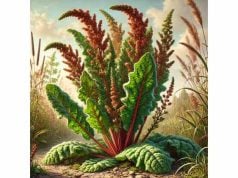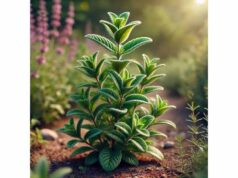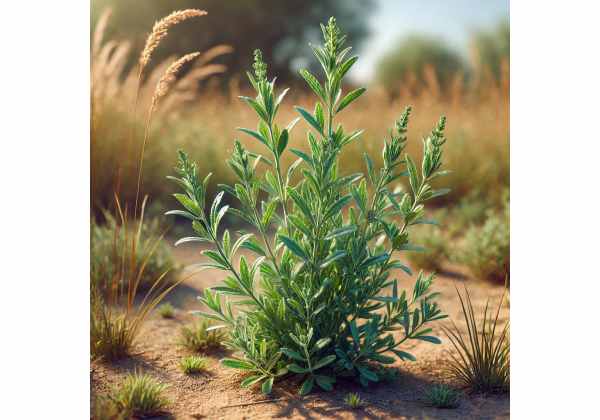
Russian tarragon is an herb many people grow for convenience but overlook for its medicinal potential. Hardier and easier to cultivate than French tarragon, it has a rougher, greener taste and a stronger link to traditional herbal use than to fine cooking. Botanically, it belongs to the tarragon group within Artemisia dracunculus, a plant long used in parts of Asia and Eastern Europe for digestive complaints, low appetite, discomfort, and general household remedies.
What makes Russian tarragon especially interesting today is the gap between its modest culinary reputation and its more serious research profile. Modern studies have explored its polyphenols, coumarins, flavonoids, and aromatic compounds for possible antioxidant, anti-inflammatory, antimicrobial, and glucose-support effects. At the same time, this is not a herb that should be romanticized. Tarragon preparations can vary widely in chemistry, and safety questions around estragole and methyleugenol make preparation method an important part of responsible use. The most useful way to approach Russian tarragon is as a practical digestive herb with promising metabolic research, selective uses, and a clear need for moderation.
Quick Summary
- Russian tarragon is most credible as a digestive herb that may help appetite, heaviness, and post-meal comfort.
- Extract research suggests possible support for glucose metabolism, but those findings do not automatically apply to ordinary culinary use.
- A practical home range is about 1 to 2 g dried herb or 2 to 4 g fresh herb per 250 mL cup of tea.
- Avoid medicinal use if you are pregnant, breastfeeding, sensitive to ragweed-family plants, or considering frequent use of concentrated extracts or essential oil.
Table of Contents
- What Russian tarragon is and how it differs from French tarragon
- Key compounds and medicinal properties of Russian tarragon
- Health benefits and what the evidence actually supports
- Common uses and the best ways to use it
- Russian tarragon dosage timing and how long to use it
- Safety side effects and who should avoid Russian tarragon
- How to buy store and set realistic expectations
What Russian tarragon is and how it differs from French tarragon
Russian tarragon is the tougher, less refined side of the tarragon family. In gardens, it wins on resilience. It grows more easily from seed, handles colder weather better, and tolerates imperfect conditions with less complaint than French tarragon. In the kitchen, though, it is usually considered the less elegant plant. French tarragon has the famous sweet-anise aroma that defines classic sauces and herb vinegars. Russian tarragon is rougher, greener, a little bitter, and less polished.
That difference in flavor has shaped the way each type is used. French tarragon became the chef’s herb. Russian tarragon became the practical herb. It stayed closer to household herbal use, regional food traditions, and folk medicine rather than to fine dining. That does not make it inferior. It simply means it developed a different identity. The qualities that make it less desirable in a delicate sauce can make it more convincing as a digestive or appetite herb.
Another important point is botanical language. Many sources discuss both French and Russian forms under Artemisia dracunculus, while some older or horticultural references use names such as Artemisia dracunculoides for Russian-type forms. For most readers, the practical lesson is that Russian tarragon belongs to the broader tarragon group but should not be assumed to behave exactly like French tarragon in flavor, chemistry, or use.
Its membership in the Artemisia genus also helps explain its medicinal tone. This is the same broad plant group that includes several aromatic bitter herbs with long traditional use. That family resemblance does not mean Russian tarragon works like wormwood, but it does help explain why it feels more herbal and functional than merely decorative. If you already know wormwood as another bitter Artemisia herb, Russian tarragon will make more sense as a milder, more food-friendly relative rather than as an isolated oddity.
People are often surprised to learn that Russian tarragon has attracted modern interest for blood sugar and insulin research. That attention did not arise because the herb tastes amazing. It arose because certain extracts showed promising activity in preclinical work and small human studies. In other words, Russian tarragon became more interesting scientifically precisely because it sits outside the narrow “fine herb” category.
The best way to think about it is this: Russian tarragon is not the tarragon you choose when taste is your only priority. It is the tarragon that becomes interesting when you care about resilience, traditional digestive use, and the possibility of broader medicinal action. That makes it less glamorous than French tarragon, but often more useful for people who want a herb that lives between the garden, the kitchen, and the apothecary.
Key compounds and medicinal properties of Russian tarragon
Russian tarragon owes its medicinal reputation to a mix of aromatic compounds, polyphenols, coumarins, flavonoids, and phenolic acids. It is not a plant defined by one famous molecule alone. Instead, it is better understood as a chemically layered herb whose effects depend on which part is used and how it is prepared.
Among the best-known compound groups in tarragon are essential-oil constituents. These shape the herb’s smell and much of its traditional digestive value. Aromatic herbs often help digestion in simple, practical ways. They stimulate saliva, make food more appealing, and can support appetite and post-meal comfort. Russian tarragon’s greener, slightly bitter aroma fits that pattern well.
Flavonoids and phenolic acids matter for a different reason. They help explain why tarragon is discussed for antioxidant and inflammation-related effects. Polyphenols do not make a herb feel strong in the immediate way that caffeine or menthol might, but they often form the background chemistry behind a plant’s broader protective and restorative profile. This is one reason Russian tarragon appears in research on oxidative stress, glucose handling, and inflammatory pathways rather than only in cooking discussions.
Coumarins are another important group. They add to the plant’s complexity and may contribute to some of its biological actions, although they also reinforce the idea that this is not a completely casual herb. The chemistry of tarragon is not trivial, and that is part of why preparation matters so much.
Two names deserve special attention in the safety conversation: estragole and methyleugenol. These aromatic constituents are naturally present in some tarragon preparations and are part of the reason the herb has a sweet, spicy, anise-like edge. They are also the reason concentrated use deserves more thought than ordinary culinary use. Water-based preparations may expose the user to much lower amounts than essential oils or more concentrated extracts, which is why tea and food use are not the same as concentrated products.
The medicinal properties most often associated with Russian tarragon include:
- digestive and carminative support,
- mild bitter and appetite-stimulating action,
- antioxidant potential,
- support for healthy inflammatory signaling,
- antimicrobial activity in laboratory settings,
- possible metabolic effects in standardized extract research.
That last point is where Russian tarragon stands apart from many other kitchen herbs. Some of its compounds have been studied for their influence on glucose metabolism and insulin-related pathways. That does not turn the herb into a diabetes treatment, but it does explain why it appears in metabolic research more often than people expect.
A useful comparison is green tea for antioxidant support. Green tea and Russian tarragon are very different herbs, but both remind us that a plant’s broader value often comes from layered chemistry rather than a single headline ingredient. With Russian tarragon, that layered chemistry is exactly what makes the herb interesting and exactly what makes thoughtful use necessary.
Health benefits and what the evidence actually supports
Russian tarragon is linked with several potential health benefits, but they do not all stand on the same level of evidence. The most useful way to present them is by ranking them from most practical and tradition-backed to most promising but still specialized.
The strongest everyday case is digestive support. Russian tarragon has long been used as a carminative and appetite herb, and that makes sense both traditionally and chemically. Aromatic, slightly bitter herbs are often most helpful for people who feel heavy after eating, have a flat appetite, or want a more functional herb for savory meals and simple teas. This kind of support is often modest, but it is also realistic. It matches how people actually use the plant.
A second credible area is antioxidant and inflammation-related support. Polyphenols, flavonoids, and phenolic acids in Russian tarragon help explain why the herb has shown antioxidant and anti-inflammatory activity in laboratory and animal models. These findings are useful because they give biological backing to traditional uses for discomfort and general restorative care, even if the clinical meaning in humans remains limited.
The most intriguing modern benefit is metabolic support. Russian tarragon extracts have been studied for their effects on glucose regulation, insulin sensitivity, and related metabolic markers. Small human research suggests that a specific Artemisia dracunculus extract may improve markers such as glycated hemoglobin and insulin responses in people with impaired glucose tolerance. This is the area where the herb becomes more than a digestive tea. It becomes a research plant with targeted clinical interest.
That said, the distinction between herb and extract matters enormously. The metabolic findings come from controlled extract use, not from sprinkling dried tarragon on dinner. This is where articles often go wrong. They report a study result and let readers assume the kitchen herb will behave identically. It will not.
Russian tarragon has also shown antimicrobial effects in experimental settings. Extracts and infusions have demonstrated action against selected bacteria and fungi in vitro. That supports the idea that the plant has real medicinal activity, but it does not justify self-treatment of infection.
A balanced ranking of benefits would look like this:
- Digestive and appetite support for everyday use.
- Broad antioxidant and inflammation-related support.
- Extract-based metabolic potential.
- Antimicrobial promise in laboratory settings.
This ranking keeps the herb useful without turning it into a cure-all. It also helps match the form to the goal. If someone wants digestion support, tea and food use make sense. If someone is interested in glucose metabolism, the conversation shifts toward standardized preparations and professional guidance.
For readers already familiar with fennel for digestion and bloating, Russian tarragon fits a similar practical niche in some situations, though its chemistry and research profile are more complex. Fennel is easier to recommend broadly. Russian tarragon is more nuanced. Its benefits are real enough to deserve attention, but selective enough to require careful interpretation.
Common uses and the best ways to use it
Russian tarragon works best when it is used in forms that suit its character. Because its flavor is less refined than French tarragon, it is usually more satisfying in practical, robust preparations than in delicate herb applications. That makes it a good candidate for digestive teas, infused vinegars, broths, beans, savory grain dishes, and herb blends intended for appetite and post-meal comfort.
Tea is the easiest entry point. A mild infusion can be used before or after meals, depending on the purpose. Before meals, it may help stimulate appetite. After meals, it may feel better suited to heaviness and sluggish digestion. The tea is not as beautiful or sweet as mint or lemon balm, but it has a functional, slightly bitter quality that many digestive herbs share.
Culinary use also matters more than many people think. Russian tarragon may not be the first herb you reach for in a refined sauce, but it works well with hearty dishes. It can be added to legumes, soups, roast vegetables, grain salads, and vinegars. Used this way, it behaves less like a luxury herb and more like a practical household plant that supports digestion while seasoning food.
Other useful forms include:
- herb vinegar for dressings and savory tonics,
- broths or soups where bitterness softens into depth,
- blended digestive teas with fennel or coriander,
- occasional use in bitters-style formulas,
- standardized extracts when the goal is metabolic support rather than flavor.
The right form depends on the reason for use. If the goal is digestive support, leaf-based preparations make the most sense. If the goal is to explore the research on glucose metabolism, a standardized extract is more relevant than tea. That does not automatically mean extract is better. It simply means the evidence belongs to that form, not to all forms equally.
Russian tarragon also combines well with other savory herbs. In this respect, it can work alongside coriander in culinary and digestive herb blends where the goal is balance rather than sweetness. Its rougher taste can actually be an advantage in a formula designed to support appetite and meal tolerance.
One important limit is essential oil. Tarragon essential oil is not equivalent to the leaf, and it should not be treated as a casual household remedy. Concentration changes the chemistry enough that the traditional food-and-tea logic no longer applies cleanly.
So the best way to use Russian tarragon is not to force it into the role of French tarragon or to oversell it as a modern supplement. It is to use it where it already makes sense: in sturdy food, simple tea, herbal vinegars, and thoughtfully chosen preparations that respect both its usefulness and its limits.
Russian tarragon dosage timing and how long to use it
Dosage with Russian tarragon depends almost entirely on form. This is not a herb where a single number can cover fresh leaf, dried tea, tincture, and standardized extract. The most practical advice is to separate home herbal use from research-style extract use and keep expectations appropriate to each.
For ordinary tea, a sensible range is about 1 to 2 g dried herb or 2 to 4 g fresh herb in about 250 mL of hot water. One to two cups per day is a reasonable short-term home pattern for adults who tolerate the herb well. This range suits the traditional digestive role of Russian tarragon and keeps use close to the forms most people can manage safely.
For culinary use, dosing is looser. A few sprigs in a pot of beans, broth, or an infused vinegar may be enough. In food, the aim is usually not a “therapeutic dose” in the modern supplement sense. It is a steady, moderate exposure through meals.
Standardized extracts are different. The most cited human metabolic study used 1000 mg of Artemisia dracunculus before breakfast and dinner for 90 days in people with impaired glucose tolerance. That is a research condition, not a general home-herb recommendation. It tells us something important about potential metabolic action, but it does not mean everyone should take two grams of tarragon extract daily.
Timing should follow the intended use:
- before meals if the goal is appetite stimulation,
- after meals if the goal is digestive comfort,
- with meals when using it mainly as a culinary herb,
- according to label instructions and study context if using a standardized extract.
How long should you use it? For tea or food use, a two- to four-week trial is enough to judge whether it helps digestion or fits your routine. If there is no noticeable benefit, increasing the amount blindly is rarely wise. For extract use, longer periods have been studied, but self-directed long-term use should still be reassessed rather than assumed safe or necessary.
A few practical dosing mistakes are common:
- treating the leaf and the extract as interchangeable,
- assuming more bitterness means better results,
- combining Russian tarragon with several glucose-active supplements at once,
- using concentrated products because the culinary herb feels too subtle.
That last mistake is especially common in herbs with mixed food and research identities. People notice that the tea feels mild, then jump to stronger products without a clear need. But a mild digestive herb is not a failed herb. It may simply be functioning in its proper lane.
For readers who already use peppermint for post-meal tea support, Russian tarragon is usually a rougher and more medicinal option rather than a direct replacement. Peppermint is easier and more immediately pleasant. Russian tarragon asks for a bit more intention. Its best dose is the smallest amount that fits the actual reason for use, not the biggest amount you can tolerate.
Safety side effects and who should avoid Russian tarragon
Russian tarragon is best approached with moderate respect rather than fear or carelessness. In ordinary food amounts, it is unlikely to cause problems for most healthy adults. The safety discussion becomes more important when the herb is used frequently as tea, when concentrated extracts are involved, or when essential oil enters the picture.
The central safety issue is chemical. Tarragon may contain estragole and methyleugenol, aromatic compounds that raise toxicology concerns when exposure becomes significant. This does not mean a light infusion or occasional culinary use should be treated like a major hazard. It does mean the herb should not be promoted as a carefree, high-dose daily supplement, especially in concentrated forms.
Preparation matters a great deal. Water-based preparations may carry much lower exposure than essential oils or other concentrated extracts. That is one reason tea and food use generally make more sense than essential-oil self-treatment.
Possible side effects include:
- mild stomach irritation,
- nausea from strong bitter infusions,
- dislike of the taste at higher amounts,
- allergy-like reactions in people sensitive to ragweed-family plants,
- irritation or discomfort from concentrated products.
People who should be especially cautious include:
- pregnant individuals,
- breastfeeding individuals,
- children,
- people with Asteraceae allergies,
- those with chronic liver concerns,
- anyone considering long-term concentrated extract use.
Pregnancy and breastfeeding deserve a more conservative approach because minimizing exposure to compounds such as estragole is sensible in sensitive groups. Culinary use is not the same as medicinal use, and that distinction matters here.
Interaction questions also come up. Because Russian tarragon extracts have shown effects related to glucose metabolism, anyone using diabetes medication should be careful with concentrated forms. It is also reasonable to be cautious with complex medication regimens or with supplements that already target blood sugar, since layering multiple active products can make cause and effect hard to interpret.
Essential oil deserves its own warning. Internal use of tarragon essential oil is a poor self-care choice. Essential oils compress plant chemistry into a highly concentrated form that bears little resemblance to a food herb or mild tea. In the case of tarragon, that difference matters even more because the safety conversation is already partly driven by volatile aromatic constituents.
The safest general rule is simple. Food use is the lowest-risk lane. Tea is the middle lane. Concentrated extracts and essential oil are the highest-risk lane and require the most restraint. When those lanes are kept separate, Russian tarragon becomes much easier to use responsibly. When they are blurred together under the label “natural,” avoidable mistakes follow.
How to buy store and set realistic expectations
Buying Russian tarragon well starts with honesty about what you want from it. If you want refined culinary tarragon, buy French tarragon. If you want a hardy garden herb with digestive tradition and some interesting medicinal potential, Russian tarragon makes much more sense. That distinction alone prevents many disappointments.
Fresh Russian tarragon should smell green, aromatic, and slightly sharp rather than soft and sweet. The leaves should look lively, not faded or limp. Dried herb should still carry a noticeable scent. If it smells flat, stale, or dusty, both its flavor and functional value are likely reduced.
For most readers, the smartest purchase is plain herb rather than an ambitious extract. Fresh leaf for cooking and dried leaf for tea are usually enough to explore the plant’s real-world value. Extracts only make sense when there is a clear goal, such as investigating the metabolic literature, and even then product quality matters greatly. A label that mentions only “tarragon extract” without any detail about standardization or preparation is not very informative.
If you do consider an extract, look for signs that the manufacturer has taken chemistry seriously. This includes clear plant identification, a defined preparation type, and some acknowledgement that concentrated tarragon products are not identical to culinary herb use.
Storage is simple but worth doing well. Fresh herb belongs in the refrigerator and should be used relatively quickly. Dried herb should be sealed away from light, air, heat, and moisture. Tarragon loses character with age, and once its aroma fades, much of its point goes with it.
Setting expectations matters just as much as product quality. Russian tarragon is not likely to become your strongest digestive tea, your best culinary herb, and your most effective metabolic supplement all at once. Its true strengths are more modest:
- it is practical and hardy,
- it supports appetite and digestion reasonably well,
- it has intriguing extract research,
- it offers antioxidant and inflammation-related potential,
- it suits people who value medicinal culinary herbs.
That makes it a good herb, not a miracle one. In fact, Russian tarragon often becomes more satisfying when it is judged by the right standards. It does not need to outperform every better-known herb to deserve a place in the garden or pantry.
For readers who enjoy sturdier savory herbs such as dill in practical kitchen use, Russian tarragon can fit naturally into the same kind of routine, with the added twist of a more serious medicinal backstory. Used that way, it becomes what it has always been at its best: a resilient, slightly bitter, food-friendly herb with genuine value and clear limits.
References
- Artemisia dracunculus (Tarragon): A Review of Its Traditional Uses, Phytochemistry and Pharmacology 2021 (Review)
- Artemisia dracunculus L. (tarragon): a critical review of its traditional use, chemical composition, pharmacology, and safety 2011 (Review)
- Effect of Artemisia dracunculus Administration on Glycemic Control, Insulin Sensitivity, and Insulin Secretion in Patients with Impaired Glucose Tolerance 2016 (RCT)
- Investigating the Polyphenolic Profile and the Antioxidant and Antibacterial Activity of Tarragon (Artemisia dracunculus L) cultivated in Central Romania 2023
- Use of herbal medicinal products containing estragole – Scientific guideline 2023 (Guideline)
Disclaimer
This article is for educational purposes only and is not medical advice. Russian tarragon has a meaningful traditional record and promising research, but its metabolic findings are mostly tied to specific extracts, and its safety depends strongly on dose and preparation. It should not be used to diagnose, treat, or replace professional care. Speak with a qualified healthcare professional before using Russian tarragon medicinally, especially if you are pregnant, breastfeeding, managing blood sugar disorders, have liver concerns, or are considering concentrated extracts.
If you found this article useful, please share it on Facebook, X, or any platform where careful herbal information may help others.