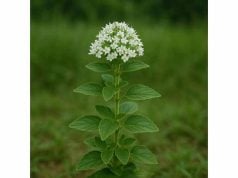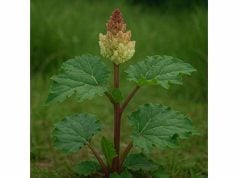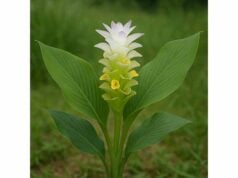
Turtlehead, botanically known as Chelone glabra and historically called balmony, is a North American wetland herb with an old reputation as a bitter tonic, digestive support herb, vermifuge, and topical remedy. It is not among the best-known modern herbs, yet it has a distinctive place in traditional North American plant medicine. Older herbalists valued it for sluggish digestion, poor appetite, constipation, liver complaints, intestinal worms, and certain external skin or tissue irritations. Modern scientific interest is more limited, but the plant’s chemistry, especially its iridoid glycosides such as catalpol and aucubin, helps explain why turtlehead has drawn attention.
At the same time, this is not a thoroughly studied contemporary supplement. Much of what is said about turtlehead still comes from historical use, ethnobotanical records, and chemical research rather than large human trials. That does not make the herb irrelevant, but it does change how it should be approached. The most accurate way to understand turtlehead is as a traditional bitter digestive and topical support herb with interesting phytochemistry, limited direct clinical evidence, and a need for cautious, informed use.
Quick Overview
- Turtlehead has a long traditional reputation as a bitter digestive tonic and appetite stimulant.
- It was also used historically for constipation, sluggish bile flow, intestinal worms, and certain topical irritations.
- No modern evidence-based standard dose is firmly established, but traditional use commonly relied on modest tea or tincture-style dosing rather than heavy intake.
- People who are pregnant, breastfeeding, taking multiple medications, or managing liver or digestive disease should avoid unsupervised use.
Table of Contents
- What Turtlehead Is and Why It Was Once Valued
- Key Ingredients and Medicinal Properties of Turtlehead
- Potential Health Benefits and What the Evidence Actually Suggests
- Traditional Uses for Digestion, Liver Support, and Topical Care
- Turtlehead in Modern Herbal Practice
- Dosage, Timing, and How to Use Turtlehead Cautiously
- Safety, Side Effects, Interactions, and Who Should Avoid It
What Turtlehead Is and Why It Was Once Valued
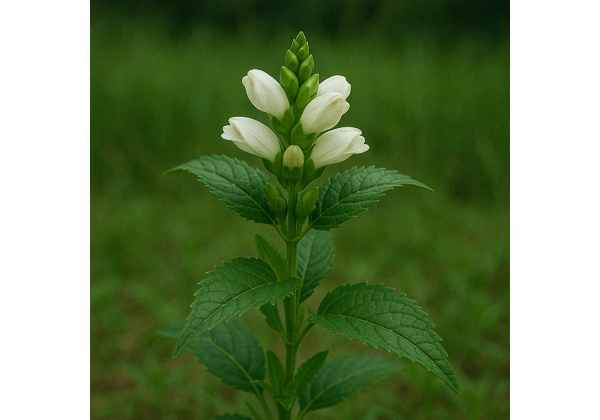
Turtlehead is a perennial herb native to eastern North America, especially in swamps, stream margins, wet meadows, and other damp habitats. Its common name comes from its white or pale pink flowers, which resemble the head of a turtle with a partly open mouth. In the wild, it is now often known more as a pollinator and butterfly host plant than as a medicinal herb, yet historically it was widely respected in North American herbal traditions.
Older herbal literature usually refers to it as balmony. In that context, the plant was valued less for fragrance or soothing qualities and more for its pronounced bitterness. That bitterness mattered. In traditional herbal systems, bitter herbs were often given to stimulate appetite, improve digestive tone, encourage bile flow, and support recovery after illness. Turtlehead fit that pattern well. It was described as useful for weak stomach, sluggish digestion, constipation with a sense of torpor, and a general state of digestive heaviness.
The herb was also given a reputation as an anthelmintic, meaning it was used to help expel intestinal worms. This may sound old-fashioned, but it helps explain the plant’s place in home medicine before modern sanitation and pharmaceuticals reduced the centrality of worm remedies. Historical accounts also connect turtlehead with jaundice, liver sluggishness, piles, and certain external irritations.
That broad traditional range does not mean all of those uses were equally effective. It means turtlehead belonged to a very particular class of old herbal bitters: plants used when the system seemed slow, loaded, or bogged down. This is why it was often discussed alongside digestive and hepatic herbs rather than alongside fragrant calming teas or culinary tonics.
Another part of its identity is geographic and cultural. Turtlehead appears in Native American and settler-era medicinal records, and later in Eclectic and folk-herbal writing. Its history is North American in a way that differs from globally famous herbs like turmeric or ginseng. That makes it especially interesting from an ethnobotanical perspective, even if modern clinical research has not kept pace with that traditional reputation.
A useful comparison is to think of turtlehead as a more obscure North American bitter, somewhat closer in historical logic to gentian as a classic digestive bitter than to a gentle daily tea herb. That does not make the two interchangeable, but it helps place turtlehead in the right medicinal category.
So why was turtlehead once valued? Because it was bitter, active, and believed to get digestion and elimination moving. That historical role remains the best starting point for understanding it today.
Key Ingredients and Medicinal Properties of Turtlehead
The chemistry of turtlehead is one of the strongest reasons it still draws occasional herbal interest. The plant is known to contain iridoid glycosides, especially catalpol and smaller amounts of aucubin. These compounds are important not only because they are measurable chemical markers, but also because they are associated in the broader botanical literature with bitter taste, anti-inflammatory potential, chemical defense, and biologic activity relevant to both plants and animals.
Catalpol is the compound most consistently associated with Chelone glabra. Aucubin is also relevant, both as a compound in its own right and as a chemical precursor in the pathway leading to catalpol. These iridoid glycosides help explain the herb’s bitterness and likely contribute to the old observation that turtlehead acts as a digestive stimulant rather than a soothing demulcent. In herbal terms, it behaves more like a bitter corrective than a coating or moistening herb.
The medicinal properties most often associated with turtlehead are these:
- Bitter tonic action for appetite and sluggish digestion
- Mild laxative or aperient support in traditional use
- Cholagogue and hepatic support in older herbal language
- Anthelmintic use in traditional practice
- Topical support for painful ulcers, hemorrhoids, mastitis, and irritated tissue in older records
- Possible anti-inflammatory or antioxidant relevance inferred from iridoid chemistry
It is important to be honest about what is known and what is inferred. Modern direct human research on turtlehead itself is sparse. The chemical profile gives plausible reasons for some of its traditional uses, but it does not prove that every old claim has strong clinical backing. In other words, the chemistry supports interest, not certainty.
The iridoid glycosides also make turtlehead ecologically fascinating. These compounds play a defensive role in the plant and are part of why specialist insects, especially the Baltimore checkerspot caterpillar, interact with white turtlehead in such a chemically specific way. That ecological research is not the same as human herbal medicine, but it helps confirm that the plant is chemically active in a meaningful way.
Unlike strongly aromatic herbs, turtlehead is not defined by essential oil chemistry. Its medicinal identity comes more from bitter and glycosidic compounds than from fragrance or pungency. That is a key point, because readers sometimes expect all medicinal plants to smell strongly or act quickly. Turtlehead is more subtle in scent but still pharmacologically interesting.
A comparison with andrographis as another very bitter medicinal herb can be useful. Both plants are known more for bitterness and active phytochemistry than for culinary appeal, though their traditions and evidence bases are very different.
So the simplest way to summarize turtlehead’s key ingredients is this: it is an iridoid-rich bitter herb whose chemistry fits its historical use as a digestive and eliminative stimulant, even though modern clinical study remains limited.
Potential Health Benefits and What the Evidence Actually Suggests
Turtlehead’s possible health benefits need to be described with restraint. This is not a plant backed by large modern clinical trials for common consumer use. Still, the available evidence and historical record together suggest a few areas where the herb’s traditional reputation makes sense.
The first and most plausible benefit is digestive support through bitter stimulation. This is the use that best fits both historical practice and the plant’s chemistry. Bitter herbs are often taken before meals or in small amounts to promote appetite, digestive readiness, and bile-related digestive function. Turtlehead’s long use for weak stomach, sluggish digestion, and torpid bowel patterns fits that model well.
A second plausible area is mild support for constipation associated with digestive sluggishness. Older herbals describe turtlehead as aperient or gently laxative, which likely reflects the classic bitter-herb pattern of stimulating secretion and movement rather than acting like a harsh purgative. This is very different from a stimulant laxative herb used for rapid evacuation. The historical implication is slower, corrective support rather than dramatic bowel action.
A third traditional benefit is liver or biliary support. Historical language often used terms such as “hepatic,” “cholagogue,” or “anti-bilious.” These words are old, but the general meaning is recognizable: the herb was believed to help when digestion felt stagnant, appetite was poor, and bile-related function seemed impaired. Modern herbalists would usually translate this more cautiously into support for bitter digestive function rather than a treatment for diagnosed liver disease.
A fourth area is vermifuge use. Turtlehead’s old reputation as an anthelmintic is historically consistent, but this is one of the least suitable areas for modern self-treatment. Intestinal parasites require accurate diagnosis and, often, standard medical therapy. So while the old use is relevant to understanding the herb, it is not a good modern headline benefit.
Topical uses are another part of the plant’s reputation. Historical sources describe ointments or applications for painful ulcers, piles, mastitis, tumors, and hemorrhoids. These uses suggest local anti-inflammatory or tissue-irritation-modifying effects, but here again the evidence is mainly historical rather than contemporary clinical.
The most realistic benefit hierarchy looks like this:
- Most plausible: bitter digestive and appetite support
- Traditional but plausible: mild constipation or sluggish biliary support
- Historically important but not a modern first-line use: vermifuge applications
- Traditional topical support: hemorrhoids and local painful tissue complaints
This makes turtlehead more understandable. It is not a broad adaptogen or a fashionable wellness herb. It is a narrow, traditional bitter with a digestive emphasis. People looking for a gentler digestive herb may actually prefer something like dandelion for digestive and liver support, which has broader modern recognition.
So what does the evidence actually suggest? That turtlehead may deserve respect as a traditional digestive bitter, but the claims should remain modest because the modern clinical record is thin.
Traditional Uses for Digestion, Liver Support, and Topical Care
The traditional use profile of turtlehead is surprisingly broad for such an overlooked herb, but the common thread is digestive and eliminative sluggishness. Older herbalists used it when appetite was poor, the stomach seemed weak, the liver was thought to be underperforming, and the bowels were slow. In that setting, turtlehead was not seen as a comfort herb. It was seen as a corrective herb.
Internally, the herb was used for weak digestion, indigestion with fullness, constipation, jaundice, sluggish bile flow, and general debility during recovery. Much of this language reflects older humoral or Eclectic thinking, yet it still translates reasonably well into modern herbal categories. Turtlehead was chosen when a person seemed under-toned, dull, or burdened rather than inflamed, overstimulated, or acutely ill.
Its vermifuge reputation is also notable. Historical records describe it for intestinal worms, which is one reason it carried an “anti-bilious” and cleansing image. In earlier medicine, herbs that tasted intensely bitter were often linked with expelling unwanted organisms and correcting putrefactive or stagnant digestive states. That history explains why turtlehead could be described as both tonic and cleansing without those labels seeming contradictory.
The topical uses are less famous but equally interesting. Historical and veterinary herbal records describe turtlehead ointments or local applications for painful ulcers, tumors, mastitis, hemorrhoids, and piles. This suggests that beyond its internal bitter action, the plant was believed to have local tissue effects. Whether those effects came from anti-inflammatory action, mild stimulation, or simple empirical tradition is harder to say. The important point is that turtlehead was not confined to the digestive tract in old practice.
These traditional categories can be grouped this way:
- Bitter tonic for poor appetite
- Digestive support for weak stomach and indigestion
- Mild eliminative support for constipation or torpid bowels
- Historical support for jaundice and sluggish liver states
- Vermifuge use in older medicine
- Topical ointment use for hemorrhoids and painful local lesions
The challenge for modern readers is that traditional use is not the same as a modern indication. A person with jaundice today needs medical evaluation, not a bitter herb. A person with suspected worms needs diagnosis, not guesswork. A painful breast condition or ulcer also deserves a much higher level of clinical attention than old household remedies once provided.
Still, the traditional uses are valuable because they show where the herb belongs conceptually. Turtlehead is best thought of as a bitter corrective in the old North American style, somewhat closer in intention to herbs like goldenseal in older digestive and tonic traditions than to modern superfood tonics.
In short, turtlehead’s traditional uses are coherent, but they belong to a medical world that handled chronic sluggishness very differently from the modern one. That history is informative, though not automatically prescriptive.
Turtlehead in Modern Herbal Practice
In modern herbal practice, turtlehead is much less prominent than it once was. It survives mostly in niche traditional herbal circles, historical herb studies, and regional North American plant medicine. This decline does not necessarily mean the herb is ineffective. More often, it means it has been overshadowed by herbs with stronger commercial demand, better modern research, or broader safety familiarity.
Today, turtlehead is most likely to appear in discussions of old-school bitters, digestive tonics, and historic American materia medica. Herbalists who still use it tend to frame it narrowly: weak appetite, sluggish digestion, or the need for a distinctly bitter corrective. It is rarely promoted as a daily general tonic, and it is almost never presented as a mainstream supplement in the way milk thistle, peppermint, or echinacea are.
This limited role actually tells us something useful. Herbs that remain in specialist practice often do so because they have a recognizable “feel” or niche but not enough modern evidence or consumer demand to become mass-market. Turtlehead seems to fit that pattern. It has enough traditional credibility to stay remembered, but not enough modern trial data to become a widely standardized product.
Another reason it remains marginal is that safer or better-known alternatives usually cover similar territory. If the goal is digestive bitterness, there are several classic bitters with stronger current recognition. If the goal is bowel support, there are gentler and more predictable herbs. If the goal is topical soothing, the herbal world offers many more user-friendly choices.
This does not mean turtlehead has no place. It means its place is selective. A thoughtful herbalist might see value in it for someone who truly fits the old bitter-tonic picture and tolerates bitter herbs well. But that use is different from broad consumer advice.
There is also an educational role for turtlehead. The plant is a good example of how older herbal traditions categorized digestive weakness, biliary stagnation, and constitutional sluggishness. It also shows how plant chemistry, especially catalpol and related iridoids, can keep an herb scientifically interesting even when clinical research is sparse.
For readers comparing turtlehead with more familiar digestive herbs, a plant like artichoke for modern bitter digestive support may feel more evidence-aligned and practical. Turtlehead, by contrast, belongs more to heritage herbalism than to modern supplement routines.
So in modern practice, turtlehead is less a front-line herb and more a specialist historical bitter. That makes it interesting, but it also means anyone using it should do so with clear expectations and a respect for the fact that tradition here runs ahead of modern data.
Dosage, Timing, and How to Use Turtlehead Cautiously
Turtlehead does not have a strongly standardized modern dosing framework supported by contemporary clinical trials. That is the first fact to keep in mind. Traditional use typically relied on infusions, decoctions, powders, extracts, or tinctures in relatively modest amounts, especially because the herb is notably bitter and not something most people would take casually in large doses.
In practical herbal tradition, the most sensible way to think about turtlehead use is not as a high-dose supplement, but as a bitter herb taken in small quantities. Bitter herbs are often used before meals or in low repeated doses because their effect depends partly on taste and digestive reflexes. That logic likely applies here more than the logic of “more is better.”
A cautious traditional-style framework usually looks like this:
- Use only well-identified, professionally prepared herb products.
- Prefer modest-dose tea or tincture approaches over heavy intake.
- Take it before meals if the goal is appetite or digestive stimulation.
- Reassess quickly if it causes nausea, cramping, or worsened digestive discomfort.
- Do not use it as a substitute for treating jaundice, parasites, or severe constipation medically.
The problem with giving a hard dose number is that historical sources vary, commercial products vary, and modern standardization is weak. Since the evidence base is thin, responsible use depends more on conservative practice than on exact numerical confidence. This is one of those herbs where old usage patterns point toward small medicinal quantities rather than large supplement-style servings.
Timing matters mostly in relation to digestion. If turtlehead is used as a bitter, it is most logically taken shortly before eating or in small divided amounts earlier in the day. If the bitterness itself is too intense, that is useful information. A person who strongly resists bitter tonics may not be a good candidate for the herb at all.
Several common mistakes should be avoided:
- Using the herb in large amounts because it “feels weak”
- Combining it with multiple laxative or liver-targeted products at once
- Taking it during pregnancy or while breastfeeding
- Using it to self-treat yellowing skin, severe bowel changes, or suspected worms
- Treating old herbal claims as if they were modern dosing instructions
People who want gentler digestive support often do better with herbs such as peppermint for digestive comfort or more familiar bitters, depending on their constitution and symptoms.
So how should turtlehead be used cautiously? In small, professionally prepared doses, for narrow goals, with short reassessment windows, and without pretending that old traditional use equals modern dosing certainty.
Safety, Side Effects, Interactions, and Who Should Avoid It
Turtlehead does not have the dramatic toxicity profile of some stronger herbs, but it should not be treated as automatically harmless. The main issue is uncertainty. Because the herb is not well studied in modern clinical settings, its safety profile is shaped more by traditional caution and basic pharmacologic reasoning than by large modern trials.
The most likely side effects are digestive. A strongly bitter herb can cause nausea, stomach irritation, cramping, or loose stool in people who are sensitive, especially if it is taken in excess or on an empty stomach when the constitution does not fit its use. Since turtlehead was also historically described as aperient or laxative, too much could plausibly worsen bowel looseness or create abdominal discomfort.
Potential safety concerns include:
- Nausea from excessive bitterness
- Stomach irritation in sensitive users
- Diarrhea or increased bowel urgency if overused
- Unpredictable effects when combined with other digestive or hepatic herbs
- Risk of delayed diagnosis if used for jaundice, parasitic symptoms, or rectal issues without medical evaluation
People who should avoid unsupervised turtlehead use include pregnant and breastfeeding adults, children, and anyone with active liver disease, unexplained digestive pain, ongoing diarrhea, bowel disease, or complex medication use. This caution is not because we know the herb is highly dangerous in those groups, but because we do not know enough to justify casual use.
Interaction concerns are also mostly precautionary. Since turtlehead has been used for bile flow, liver complaints, digestion, and elimination, it may theoretically complicate use with medications affecting the gastrointestinal tract or liver. People on multiple prescriptions should be especially careful with lesser-known bitters because “traditional digestive support” is not the same as “interaction-free.”
The topical history of the herb also needs perspective. Historical ointment use for hemorrhoids, ulcers, and mastitis does not mean fresh homemade applications are automatically safe or useful now. Conditions involving rectal bleeding, breast pain, persistent sores, or unusual skin lesions deserve professional evaluation.
Another practical concern is substitution. Because turtlehead is relatively obscure, poor sourcing or misidentification is a real possibility. Any product should clearly identify Chelone glabra and preferably come from a reputable supplier experienced with traditional botanicals.
For many modern users, the safest conclusion is not that turtlehead must never be used. It is that it should be reserved for informed, narrow-purpose herbal practice rather than casual experimentation. People wanting more broadly recognized support often do better with herbs such as milk thistle for liver-focused wellness conversations or other better-studied digestive plants.
In short, turtlehead appears manageable when used conservatively, but the lack of modern safety data means caution is part of the herb’s identity, not an afterthought.
References
- The Phytochemistry of Cherokee Aromatic Medicinal Plants 2018 (Review)
- Seasonal Variation in Host Plant Chemistry Drives Sequestration in a Specialist Caterpillar 2022 (Research Article)
- Nectar chemistry mediates the behavior of parasitized bees 2016 (Research Article)
- The Botanical Character, Chemical Properties, and Medicinal Virtues of the Chelone Glabra, or Snake Head 1820 (Historical Source)
- Veterinary Herbal Medicine: A Systems-Based Approach 2009 (Reference Text)
Disclaimer
This article is for educational purposes only and is not medical advice, diagnosis, or treatment. Turtlehead is a traditional herb with limited modern clinical research, so its historical uses should not be treated as proof of current medical effectiveness. Do not use it to self-treat jaundice, intestinal parasites, severe constipation, breast pain, rectal bleeding, or persistent digestive symptoms. If you are pregnant, breastfeeding, managing chronic illness, or taking prescription medicines, speak with a qualified healthcare professional before using turtlehead medicinally.
If this guide was helpful, please share it on Facebook, X, or your preferred platform so more readers can find careful, balanced information on turtlehead.