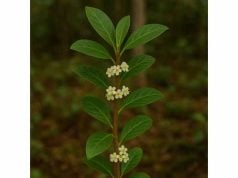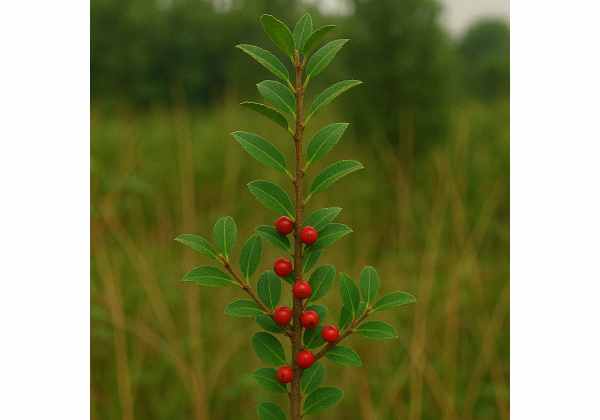
Yaupon holly is an evergreen shrub native to the southeastern United States and one of the few North American plants that naturally contains caffeine. For centuries, its leaves and tender stems have been roasted or steeped into a stimulating drink, and today it is drawing new interest as a local alternative to coffee, green tea, and yerba mate. What makes yaupon especially interesting is its mix of natural caffeine and polyphenols, including chlorogenic acid derivatives, flavonols, and other antioxidant compounds.
In practical terms, yaupon is best understood as a caffeinated botanical beverage rather than a proven disease treatment. Its most likely benefits are steadier alertness, reduced fatigue, and antioxidant support. It may also offer mild anti-inflammatory potential, but most of that evidence comes from laboratory and compositional studies, not large human trials. That distinction matters. Yaupon can be useful, but it should be used with realistic expectations, careful dosing, and the same respect you would give any other caffeine source.
Quick Overview
- Yaupon holly is most useful for alertness, wakefulness, and easing mental fatigue.
- Its leaves also provide polyphenols and flavonols that contribute antioxidant activity.
- A practical starting range is about 2 to 4 g dried leaf per 240 mL cup, once or twice daily, adjusted to caffeine sensitivity.
- Total daily caffeine matters more than leaf weight alone, because yaupon’s caffeine content can vary widely.
- Avoid medicinal-style use if you are pregnant, highly caffeine-sensitive, prone to palpitations, or dealing with uncontrolled anxiety or insomnia.
Table of Contents
- What Yaupon Holly Is and Why It Stands Out
- Key Compounds and Medicinal Properties
- Potential Health Benefits of Yaupon Holly
- How Yaupon Holly Is Used
- Dosage, Timing, and Duration
- Safety, Side Effects, and Interactions
- How to Choose and Use It Wisely
What Yaupon Holly Is and Why It Stands Out
Yaupon holly belongs to the holly family, Aquifoliaceae, and grows naturally across parts of the American South. Unlike many hollies that are valued mainly as ornamentals, yaupon has a long history as a beverage plant. Indigenous communities in the Southeast used the leaves and tender shoots in social, ceremonial, and medicinal drinks. That history matters because it shows yaupon is not a trendy newcomer. It is a traditional caffeinated plant with deep regional roots.
The botanical name can confuse first-time readers. The word vomitoria does not mean that a normal cup of yaupon tea is expected to make someone vomit. The name reflects older historical accounts tied to strong ceremonial preparations and ritual use, not the ordinary effects of a mild infusion made from roasted leaves. In modern use, yaupon is mainly consumed as a tea-like drink for energy and enjoyment.
What makes yaupon unusual is that it is both distinctly North American and naturally caffeinated. That alone sets it apart from most native herbs. It is often compared with yerba mate, because both come from the Ilex genus and both are brewed as stimulating drinks. Still, yaupon has its own identity. It tends to taste smoother and less bitter than mate, and it usually carries less cultural baggage than coffee for people who want a gentler ritual.
Another important point is that not every part of the plant is used in the same way. The beverage is made from leaves and young shoots. The berries are not considered edible for people and can cause gastrointestinal distress. So when people speak about yaupon as a health beverage, they are talking about properly prepared leaf material, not the ornamental berries.
A fair modern description is this: yaupon is a caffeine-containing leaf tea with meaningful traditional use, interesting antioxidant chemistry, and modest but growing scientific attention. It deserves interest, but not exaggeration. Its strongest case is as a functional beverage for alertness and plant-based variety, not as a miracle herb.
Key Compounds and Medicinal Properties
The most important active compound in yaupon holly is caffeine. That is the clearest reason it affects energy, focus, and perceived wakefulness. Caffeine works mainly by blocking adenosine receptors in the brain, which reduces the feeling of sleep pressure and can improve attention and vigilance. This is the best-understood part of yaupon’s action and the one most likely to matter in everyday use.
Yaupon also contains related methylxanthines, including smaller amounts of theobromine and theophylline, along with a broad range of phenolic compounds. Chemical studies and Ilex reviews describe chlorogenic acid derivatives, caffeoylquinic acids, rutin, and other flavonol-related compounds as part of its profile. These compounds help explain why yaupon is discussed not only as a stimulant beverage but also as an antioxidant-rich plant infusion.
From a practical herbal perspective, yaupon’s medicinal properties can be grouped into four broad categories:
- Stimulant activity, mainly from caffeine
- Antioxidant activity, linked to polyphenols and flavonols
- Mild anti-inflammatory potential, shown mostly in cell and laboratory work
- General functional beverage value, meaning it may support a more alert and less fatigued state without requiring coffee
The key phrase here is “potential.” Yaupon clearly has interesting chemistry, but chemistry is not the same as proven clinical benefit. For example, some studies have found anti-inflammatory and chemopreventive effects from flavonol-rich yaupon fractions in intestinal cell models. That is scientifically interesting, but it is still preclinical. It does not prove that drinking yaupon tea prevents inflammatory disease or cancer in people.
Another useful detail is that yaupon’s composition is not fixed. Research shows its caffeine and antioxidant content can vary with growing conditions, harvest timing, and plant handling. Published analyses have reported a wide range in caffeine concentration, which is one reason why two cups of yaupon from different brands may not feel identical.
So the safest way to think about yaupon’s medicinal profile is this: it is a natural caffeine source with supportive polyphenols, not a standardized pharmaceutical agent. Its effects are real, but they are variable, dose-dependent, and stronger for stimulation than for any disease-specific claim. A useful comparison is green tea, another caffeinated, polyphenol-rich beverage whose chemistry is easier to predict because it has been studied much more extensively.
Potential Health Benefits of Yaupon Holly
The most believable health benefits of yaupon holly are the simplest ones. It can help you feel more awake, support concentration during mentally demanding tasks, and reduce the sense of sluggishness that comes with fatigue. Those effects are not mysterious. They are the expected outcome of a caffeinated plant drink.
A second likely benefit is antioxidant support. Yaupon leaves contain flavonoids, polyphenols, and caffeoylquinic acid compounds that contribute measurable antioxidant activity. This does not mean yaupon “detoxes” the body in a dramatic or medicinal sense. It means the beverage contains plant compounds that may help support the body’s antioxidant defenses as part of an overall diet.
There is also preliminary interest in anti-inflammatory activity. Laboratory work with yaupon leaf fractions suggests that some of its flavonol-rich compounds may help reduce inflammatory signaling and oxidative stress in cells. That is promising, but it remains a long step away from clinical proof. For readers looking for honest guidance, this is where restraint matters. Yaupon is supported best as a stimulating and polyphenol-rich beverage, not as a validated anti-inflammatory therapy.
Possible real-world benefits may include:
- Better morning alertness
- Less reliance on coffee for people who want an alternative
- Mild support for focus during study or desk work
- A plant-based source of caffeine with a smoother taste profile
- A broader intake of dietary polyphenols
What yaupon has not clearly proven is equally important. It has not been shown in large human trials to treat obesity, diabetes, depression, infections, or cardiovascular disease. Broader Ilex research often discusses these areas because related species contain interesting compounds and show encouraging early findings. But direct yaupon-specific human evidence remains limited, and controlled clinical trials across the genus are still relatively rare.
That is why expectation management is part of safe herbal use. Yaupon can be genuinely useful without being overhyped. It may improve daily functioning in the same practical way other caffeinated drinks do, while also contributing antioxidant compounds. That is already meaningful. It does not need inflated claims to be worthwhile.
For readers comparing caffeinated botanicals, yaupon sits somewhere between the familiar profile of coffee and the tea-like character of holly beverages such as mate. Its niche is not stronger stimulation. Its niche is a balanced, botanical, regionally rooted option for people who want wakefulness with less bitterness and a different phytochemical mix.
How Yaupon Holly Is Used
Today, yaupon holly is used mainly as a brewed beverage. The leaves may be dried, lightly roasted, or more deeply roasted, then steeped much like tea. Roasting changes flavor and aroma and may also change how the beverage tastes in relation to bitterness, toastiness, and perceived strength. Some people prefer a green, brighter infusion, while others like a darker roast that feels closer to coffee.
The most common forms include:
- Loose dried leaves
- Tea bags
- Roasted yaupon tea blends
- Powdered drink mixes
- Extracts added to energy products
For most people, the leaf tea is the clearest place to start because it keeps the herb in its most traditional and understandable form. A plain infusion makes it easier to judge how your body responds before moving to concentrated products. Extracts, capsules, and blended stimulant drinks can make caffeine exposure harder to estimate, especially when other caffeine sources are added.
Yaupon is commonly used for:
- Morning wakefulness
A cup in the morning may help replace or reduce coffee intake. - Midday focus
A moderate serving can support concentration without the heaviness some people associate with stronger coffee. - Social or ritual drinking
Because it brews like tea, yaupon fits easily into a daily beverage routine. - Functional beverage rotation
Some people use it simply to widen the range of plant drinks they consume.
Traditional accounts also describe stronger decoctions and ceremonial forms, but those are not good templates for casual medicinal use. Modern readers should not assume that historical ritual use equals a recommended daily practice. In many traditional settings, the dose, context, and purpose were very different from a household tea routine.
If you are exploring similar plants, guayusa can be a useful comparison. Both are caffeinated holly beverages, but yaupon is more closely tied to North American traditions and is usually positioned as a local tea alternative rather than an extract-driven performance botanical.
One final point: yaupon is best used for what it clearly does well. It fits a beverage role better than a “take this herb to fix a disease” role. That framing helps prevent disappointment and keeps use aligned with the evidence. For most people, yaupon works best when treated as a caffeinated tea with supportive antioxidant chemistry, not as a highly targeted therapeutic formula.
Dosage, Timing, and Duration
There is no universally standardized medicinal dose for yaupon holly. That is an important starting point. Most practical dosing is based on traditional tea use, product labeling, and caffeine tolerance rather than on large clinical trials defining a single best amount.
A sensible beginner approach is:
- 2 to 4 g dried yaupon leaf per 240 mL cup
- Steep for about 5 to 10 minutes
- Start with one cup
- Increase only if you know you tolerate caffeine well
Some people use a somewhat stronger range, such as 4 to 6 g per cup, especially with roasted yaupon. But stronger is not always better. Because caffeine content varies by harvest, product, and preparation, two equal spoonfuls can still have different effects.
For daily use, the more important guide is total caffeine exposure. For most healthy adults, many health authorities treat up to 400 mg caffeine per day as an amount that is generally well tolerated. That total includes all sources, not just yaupon. So if you also drink coffee, green tea, cola, pre-workout products, or energy drinks, your yaupon intake should be adjusted downward.
Timing matters too. Use yaupon earlier in the day if you are sensitive to sleep disruption. Even moderate caffeine can interfere with sleep quality when taken late in the afternoon or evening. A practical rule is to avoid yaupon within 6 to 8 hours of bedtime unless you already know you metabolize caffeine quickly.
For performance-focused use, general caffeine guidance suggests that noticeable effects often occur within about 30 to 60 minutes, though exact timing depends on the form used and the individual. That does not mean yaupon must be used as a workout stimulant, but it helps explain why some people prefer it before focused work or exercise.
Duration of use is usually straightforward. Many people can use yaupon as an ordinary beverage over time, but tolerance may develop just as it does with coffee or tea. If you find yourself needing more and more to get the same effect, that is a sign to reduce intake, take breaks, or reassess your caffeine habits.
In short, dose yaupon by response, not by enthusiasm. Start low, watch total caffeine, and remember that this herb behaves more like a variable natural stimulant than a tightly standardized supplement. Readers interested in stronger stimulant botanicals sometimes compare it with guarana, but yaupon generally makes more sense as a tea-first herb rather than a concentrated caffeine delivery system.
Safety, Side Effects, and Interactions
For most healthy adults, yaupon holly is likely to be reasonably safe when used as a moderate tea and counted as part of total daily caffeine intake. The main safety issues are the same ones seen with other caffeine-containing products: dose-related overstimulation, sleep disruption, jitteriness, faster heart rate, palpitations, anxiety, upset stomach, and occasional nausea or headache.
Common signs you may be taking too much include:
- Feeling shaky or overstimulated
- Trouble falling asleep
- Racing heart or noticeable palpitations
- Anxiety or irritability
- Stomach discomfort
- A “wired but tired” feeling later in the day
People who should be especially cautious include those who are pregnant, trying to become pregnant, breastfeeding, highly sensitive to caffeine, prone to panic or insomnia, or dealing with uncontrolled high blood pressure or rhythm problems. In these cases, medicinal-style yaupon use is not a good place for guesswork.
Children should not be treated with yaupon as a casual stimulant herb. Caffeine exposure in younger people can more easily contribute to sleep problems, blood pressure changes, restlessness, and other unwanted effects.
The plant part also matters. The leaves and young shoots are the beverage material. The berries are not considered safe to eat and may cause nausea, vomiting, and diarrhea. That distinction is essential, especially for households that grow yaupon ornamentally and assume all parts are equally usable.
Potential interactions are mostly caffeine-type interactions. Extra caution is warranted if you use:
- Other stimulant products
- High-caffeine pre-workouts or energy drinks
- Some decongestants
- Medications that already raise heart rate or blood pressure
- Any treatment plan where your clinician has advised caffeine restriction
Another practical interaction is cumulative intake. Yaupon may seem mild on its own, but problems appear when it is layered on top of coffee, chocolate, caffeinated pain relievers, tea, or sports supplements. Many side effects blamed on a single product are really the result of combined stimulant exposure.
Used wisely, yaupon is not unusually dangerous. Used carelessly, it can produce the familiar problems of any caffeinated herb. That is why safety depends less on the name of the plant and more on dose, timing, sensitivity, and product form.
How to Choose and Use It Wisely
Choosing yaupon well is partly about quality and partly about self-awareness. Since there is no single standardized medicinal preparation, the best product is the one that is clearly labeled, plainly formulated, and easy for you to dose sensibly.
Look for products that tell you:
- Whether the leaves are roasted or unroasted
- Whether the product is loose leaf, tea bag, powder, or extract
- Whether any extra caffeine or stimulants have been added
- Whether brewing instructions are provided
- Whether the source material is plainly identified as Ilex vomitoria leaf
Simple products are usually better at the start. A plain yaupon tea lets you learn how the herb feels in your body. Mixed products can obscure whether the effects come from yaupon itself or from other stimulants, flavors, sweeteners, or added botanicals.
It also helps to match the form to the purpose. For casual daily use, a mild brewed tea is usually enough. For someone who wants a coffee replacement, a more roasted leaf profile may feel more satisfying. For people who are stimulant-sensitive, shorter steeping times and smaller serving sizes are often smarter than switching immediately to “decaf” alternatives.
A practical way to use yaupon wisely is to ask four questions:
- Why am I taking it?
For energy, variety, or ritual drinking is reasonable. For treating a medical condition, the evidence is much weaker. - How much caffeine am I already using?
This may matter more than the herb itself. - How do I respond to caffeine?
Your best dose is the lowest amount that gives benefit without side effects. - Is the form transparent?
Leaf tea is easier to understand than a proprietary stimulant blend.
This is also where moderation protects the value of the herb. Yaupon is appealing precisely because it can fit into a thoughtful daily routine. Turning it into a high-dose experiment often removes the very qualities people like about it.
The evidence base around yaupon is interesting but still developing. That should encourage curiosity, not overstatement. Use it as a well-chosen caffeinated plant beverage, respect its variability, and let your own tolerance guide the upper limit. That approach is more reliable than chasing exaggerated claims or assuming that traditional use automatically answers every modern safety question.
References
- Seasonal Dynamic Changes in the Nutrient Elements and Antioxidant Activity of Ilex vomitoria Leaf 2025
- The Applications of Plant Polyphenols: Implications for the Development and Biotechnological Utilization of Ilex Species 2024 (Review)
- Utilization of the Hollies (Ilex L. spp.): A Review 2022 (Review)
- International society of sports nutrition position stand: caffeine and exercise performance 2021 (Position Statement)
- Spilling the Beans: How Much Caffeine is Too Much? 2024 (Guidance)
Disclaimer
This article is for educational purposes only and is not medical advice. Yaupon holly is a caffeine-containing plant, and its effects can vary with product type, brewing method, dose, health status, and individual sensitivity. It should not be used as a substitute for diagnosis, treatment, or guidance from a qualified healthcare professional. Seek professional advice before using yaupon in medicinal amounts if you are pregnant or breastfeeding, have heart rhythm problems, uncontrolled blood pressure, significant anxiety, insomnia, or are taking medications or supplements that affect the heart, blood pressure, or stimulant response.
If you found this article helpful, please share it on Facebook, X, or any platform where others might appreciate a careful, evidence-aware guide to yaupon holly.