Y Herbs
Home Y Herbs
The Y Herbs category brings together herbal remedies and botanical wellness guides whose names begin with the letter Y. Here you will find balanced, reader-friendly articles on traditional uses, health benefits, medicinal properties, practical applications, and the safety questions that matter most in everyday herbal use. The category spans several major themes, including digestion, menstrual support, energy, skin care, aromatic herbs, and botanicals often explored for metabolism or performance. Whether you are curious about a familiar tea herb or a lesser-known traditional remedy, these pages are designed to help you understand what each plant is, how it has been used, and where caution may be needed.
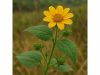
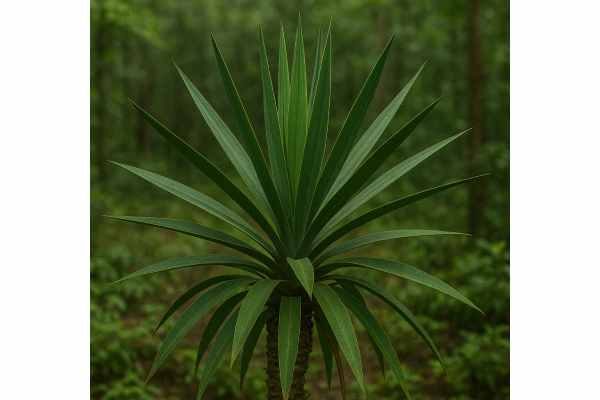
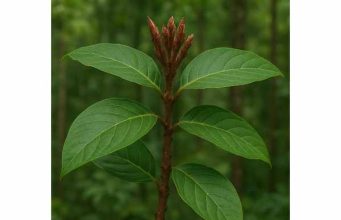
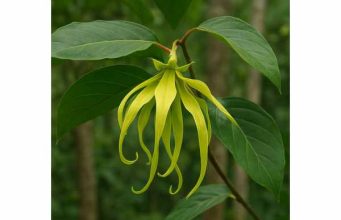
If you are looking for women’s health and traditional herbal support, yarrow is a strong starting point, with a focus on its long history in menstrual comfort, wound care, and broader medicinal applications. For readers interested in energy, focus, and daily stimulant herbs, yerba mate explores the plant’s caffeine content, antioxidant profile, and place in modern wellness routines. If your interest leans toward calming lemon-scented herbs used in tea, yerba luisa covers the benefits, uses, and gentle digestive and relaxation support commonly associated with lemon verbena. Those drawn to aromatic botanicals and essential-oil traditions can turn to ylang-ylang for a closer look at its soothing fragrance, traditional applications, and broader wellness appeal. For a more stimulating and higher-risk botanical, yohimbe examines the evidence, safety concerns, and common reasons people explore it for sexual health and weight-management support. And if digestive health is your main focus, yucca offers insight into its traditional uses, gut-related benefits, and practical herbal context.
Beyond these standout plants, this category also includes herbs such as yacon, yaupon holly, yellowroot, yerba buena, yerba negrita, yerba mansa, and yerba santa, giving you a wider view of Y-named botanicals used across traditional medicine, digestive support, wound care, respiratory comfort, and everyday herbal practice. Overall, this section is meant to help you compare herbs thoughtfully, discover lesser-known remedies, and learn not just what each plant may do, but also how to approach dosage, safety, and real-world use with better judgment.