V Herbs
Home V Herbs
The V Herbs category brings together herbs, roots, grasses, flowers, and aromatic plants whose names begin with the letter V, making it a useful place to explore both familiar botanical remedies and lesser-known traditional species. Here you will find articles focused on health benefits, medicinal properties, active compounds, traditional uses, practical applications, dosage considerations, and safety notes where relevant. The range is wide: calming sleep herbs, hormone-supportive plants, aromatic roots linked with stress relief, digestive and liver-support herbs, skin-soothing botanicals, and more specialized plants often explored in regional herbal traditions.
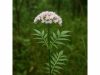
If you are starting with the most recognizable options, Valerian is a strong entry point for readers interested in calming herbs, sleep support, nervous tension, and how traditional sedative plants are used responsibly. For a more familiar culinary botanical with wellness appeal, Vanilla explores how this widely loved spice is discussed beyond flavor, including its active compounds, traditional uses, and possible metabolic support.
Readers interested in mood, cognition, and traditional neurological support may want to begin with Velvet Bean, a plant often associated with neuroprotective potential, dopamine-related interest, and broader questions around dosage and safe use. If your focus is gentle herbal relaxation, Verbena offers a more soothing, approachable profile, with coverage of its traditional role in relaxation, sleep support, and everyday herbal practice.
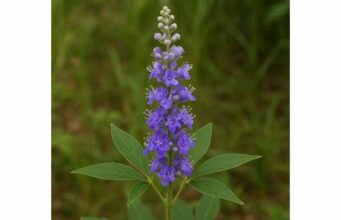
For stress relief and aromatic wellness traditions, Vetiver highlights a fragrant root often linked with grounding, emotional balance, and calming applications in both herbal and sensory traditions. If hormone balance and women’s health are your main interests, Vitex is one of the most relevant articles in this section, covering the plant’s long-standing association with cycle support, endocrine balance, and its careful use in modern herbal routines.
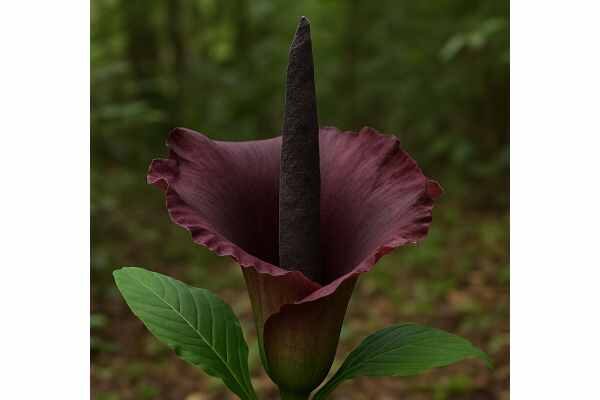
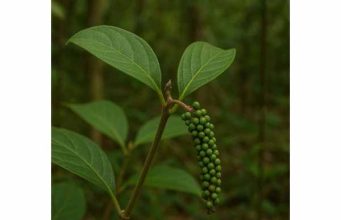
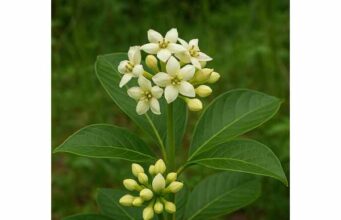
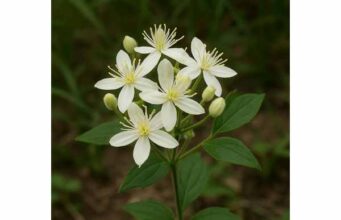
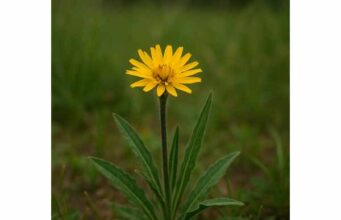
Beyond these better-known plants, this category also includes distinctive entries such as Vanilla Grass, Velvet Dock, Velvet Leaf, Viper’s Bugloss, Vinca, Voacanga, Voatsiperifery, and Voodoo Lily. That makes the V section especially valuable for readers who want more than the usual household herbs. Some articles lean toward traditional medicine and folk use, others focus on active phytochemicals and modern research interest, and many bring both together in a balanced, reader-friendly way.
Whether you are comparing calming herbs, exploring lesser-known medicinal plants, or looking for practical guidance on uses, benefits, and safety, the V Herbs category offers a well-rounded path through a diverse botanical group.