Verbena officinalis, often called common vervain, is one of those herbs that sits at the crossroads of folklore and pharmacology. For centuries it has been used as a calming bitter herb, a mild digestive aid, a topical plant for minor skin care, and a traditional support for sleep, tension, and recovery after illness. Modern research has not confirmed every old claim, but it does show that verbena contains a rich mix of iridoids, phenylpropanoid glycosides, flavonoids, and phenolic acids that help explain its antioxidant, anti-inflammatory, and neuroactive reputation.
What makes verbena especially interesting is its balanced nature. It is not usually treated as a strong stimulant or a heavy sedative. Instead, it is better understood as a gently acting herb that may support the nervous system, digestion, and mild inflammatory discomfort when used thoughtfully. That said, most of the stronger evidence still comes from laboratory and animal studies rather than large human trials. For that reason, verbena is best approached as a traditional herb with promising properties, moderate practical uses, and a safety profile that still deserves care.
Quick Overview
- Verbena may offer gentle calming support for stress, restlessness, and occasional sleep difficulty.
- Its phenolic and iridoid compounds may help explain traditional use for mild digestive and inflammatory discomfort.
- A common traditional tea range is about 2 to 4 g of dried herb per cup, taken up to 2 or 3 times daily for short periods.
- People who are pregnant, using sedatives, or taking multiple medications should avoid self-prescribing verbena without professional advice.
Table of Contents
- What Verbena Is and How It Has Been Used
- Key Ingredients and Medicinal Properties of Verbena
- Potential Health Benefits and Where the Evidence Is Strongest
- Traditional and Modern Uses of Verbena
- How to Prepare Verbena for Tea, Tincture, and Topical Use
- Dosage, Timing, and How Long to Use It
- Safety, Side Effects, and Who Should Avoid Verbena
What Verbena Is and How It Has Been Used
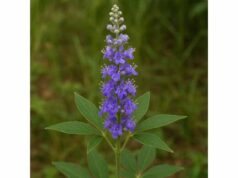
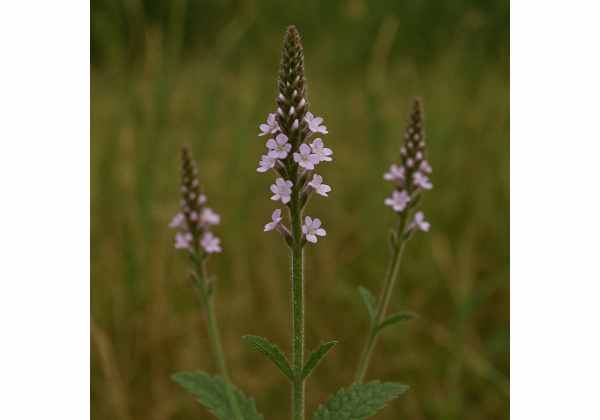
Verbena officinalis is a perennial herb in the Verbenaceae family. It grows across Europe, parts of Asia, North Africa, and other temperate regions, often appearing in dry soils, field edges, roadsides, and disturbed ground. The plant is slender and somewhat understated, with narrow serrated leaves and spikes of small pale lilac flowers. It does not look dramatic, but it has earned a long reputation in folk medicine, ritual practice, and household herbalism.
Historically, verbena has been used for far more than one single purpose. Traditional herbals describe it as a plant for nervous tension, poor sleep, minor digestive upset, sore throat, light fevers, and slow recovery after strain or illness. In topical use, it has also been applied to minor abrasions, inflamed skin, and mouth or throat irritation. This broad list can sound exaggerated by modern standards, but it reflects a common pattern in traditional medicine: a bitter, aromatic, polyphenol-rich herb being used where mild inflammation, tension, or sluggish digestion overlap.
Verbena also carries symbolic and ceremonial history. In older European traditions, it was linked with protection, purification, and sacred rites. That reputation should not be confused with proven medical efficacy, but it does help explain why the plant has stayed in use for so long. Herbs with enduring cultural value often survive because people find them genuinely useful in daily life, even when the effect is subtle.
One of the most important practical distinctions is that common vervain is not the same as lemon verbena. The two plants are often mixed up because of the shared common name “verbena.” Lemon verbena is more fragrant and is widely used for digestive and relaxing teas. Common vervain, by contrast, is more bitter, more medicinal in tone, and more often discussed in traditional European phytotherapy. If someone is choosing a product for health purposes, the Latin name matters.
The aerial parts of the plant, usually harvested during flowering, are the portion most often used in herbal preparations. These dried parts become teas, liquid extracts, tinctures, and sometimes topical washes. In old practice, verbena was valued not because it was dramatic, but because it could fit many mild complaints at once. That remains the best way to understand it today.
Verbena is not a high-certainty herb in the modern clinical sense. It is better described as a traditional medicinal herb with a plausible biochemical basis and a long record of gentle, supportive use. That makes it appealing to people who want nuanced herbs rather than highly stimulating or heavily sedating ones. It also makes good judgment important. When a herb has many claimed uses, the real task is deciding which claims still make sense under modern evidence.
Key Ingredients and Medicinal Properties of Verbena
Verbena’s value comes from its chemistry. Modern phytochemical work shows that the herb contains several major classes of compounds, especially iridoid glycosides, phenylpropanoid glycosides, flavonoids, phenolic acids, and smaller amounts of terpenoid-related constituents. This complex profile helps explain why the plant has been linked to calming, antioxidant, digestive, and anti-inflammatory actions.
Among the best-known iridoids in verbena are verbenalin and hastatoside. These compounds are often treated as signature constituents of the herb. Verbenalin, in particular, has drawn attention for its possible neuroactive effects and has been studied separately in experimental settings. Iridoids are commonly associated with protective and regulatory effects in medicinal plants, especially where inflammation, oxidation, and nervous system signaling are involved.
Verbena also contains verbascoside, sometimes called acteoside, along with related phenylpropanoid glycosides. These compounds are important because they are frequently associated with antioxidant and anti-inflammatory activity. They help explain why verbena extracts often perform well in laboratory assays related to free-radical scavenging and why the plant has a long history in irritated tissues and inflammatory states.
The flavonoid fraction adds another layer. Compounds such as luteolin, apigenin, quercetin-related molecules, and scutellarein derivatives have all been discussed in analyses of verbena. Flavonoids often contribute to antioxidant effects, vascular support, and mild modulation of inflammatory pathways. They also fit the general profile of herbs used for mild tension and recovery.
Phenolic acids such as chlorogenic, ferulic, gallic, syringic, and protocatechuic acids further strengthen the plant’s antioxidant identity. In plain terms, verbena is chemically built like a herb that would be expected to act as a mild tissue-protective and inflammation-modulating plant rather than a sharply targeted pharmaceutical agent.
These compounds support several plausible medicinal properties:
- mild calming and neuroactive effects
- antioxidant activity
- anti-inflammatory potential
- gentle digestive support
- modest antimicrobial or topical-supportive activity in some preparations
This does not mean every cup of verbena tea will produce strong clinical outcomes. Plant chemistry can point to potential, but it does not guarantee real-world efficacy at ordinary household doses. That distinction matters. It is one reason common verbena should be described with restraint.
Still, its phytochemistry makes the traditional uses more believable than they might first appear. A bitter, polyphenol-rich herb with iridoids and phenylpropanoid glycosides is exactly the kind of plant one might expect to be used for mild restlessness, sluggish digestion, throat irritation, and inflammatory discomfort. In that sense, verbena resembles other classic herbs that balance nervous system and digestive support, such as lemon balm for calm and digestion, though verbena is typically more bitter and less aromatic.
A final practical point is consistency. The chemical profile of verbena varies with origin, plant part, harvest timing, drying conditions, and extraction method. Water tea, hydroalcoholic tincture, and concentrated dry extract can behave quite differently. That is why traditional tea use and modern extract research should not be treated as interchangeable. The herb is the same, but the exposure is not.
Potential Health Benefits and Where the Evidence Is Strongest
When people search for verbena benefits, they usually want clear answers about stress, sleep, digestion, inflammation, and immunity. The honest answer is that verbena has promising properties, but the strongest evidence still comes from preclinical work rather than large human trials. It is best framed as a useful traditional herb with emerging scientific support.
Calming and stress support is one of the most plausible benefits. Several studies on extracts and isolated constituents point toward anxiolytic, sedative, or mood-supportive effects in animal models. That does not prove verbena works as a treatment for anxiety or insomnia in people, but it does support the long-standing idea that it may help take the edge off tension, mental overactivity, or difficulty settling down in the evening. In practical herbal use, this is probably where verbena feels most relevant.
Sleep support is closely related. Some iridoids from verbena, especially verbenalin and hastatoside, have attracted attention for sleep-promoting effects in experimental work. That does not make common verbena a direct substitute for stronger sleep herbs or conventional treatment. Still, it suggests that the herb’s reputation as a mild evening tea is not just folklore.
Anti-inflammatory and antioxidant activity is another major area. Verbena extracts show meaningful antioxidant behavior in laboratory testing, and some studies suggest anti-inflammatory effects through immune modulation and related mechanisms. This helps explain topical use on minor irritation and internal use for recovery states where mild inflammation and tension overlap.
Digestive support is less dramatic but still believable. The herb’s bitterness and polyphenol content fit the old tradition of using it for mild digestive sluggishness, light bloating, and a sense of heaviness after meals. It is not primarily a carminative herb like fennel or peppermint, but it may gently encourage digestive tone, especially when tension and digestion affect each other. Readers looking for a clearer digestive herb may prefer peppermint for digestive relief, while verbena may suit people who want a calmer, more bittersweet profile.
Immune and respiratory relevance is more preliminary. Some recent research has explored verbena constituents in models involving viral inflammation and natural killer cell function. That is scientifically interesting, but it should not be turned into exaggerated claims about preventing infections or treating respiratory disease.
A balanced summary of the evidence looks like this:
- strongest support: phytochemistry, antioxidant activity, and preclinical neuroactive effects
- moderate traditional plausibility: digestive comfort, mild tension, and topical soothing use
- weaker human evidence: insomnia, mood disorders, respiratory illness, and major inflammatory conditions
This makes verbena a herb of good potential but modest certainty. It may be genuinely useful for mild problems and supportive routines, especially when prepared carefully and used for short periods. It is less convincing when marketed as a broad cure-all. The gap between traditional esteem and clinical proof is real, and readers deserve that distinction.
Traditional and Modern Uses of Verbena
Verbena’s uses make the most sense when grouped by context rather than by a long undifferentiated list. In traditional household herbalism, the plant was valued because it could support several overlapping needs without being especially harsh. That pattern remains true today.
The first major use is nervous system support. Verbena has long been prepared as a tea or tincture for restlessness, irritability, emotional fatigue, and difficulty unwinding. Herbalists often describe it as helpful when tension is “held” in the body, especially in the neck, shoulders, jaw, digestion, or sleep pattern. Whether or not one agrees with that language, it captures an important practical point: verbena is often chosen when stress is not purely mental but physical as well.
The second major use is digestive support. Because verbena is somewhat bitter, it has traditionally been used before or after meals when there is a sense of sluggish digestion, mild bloating, or poor appetite related to tension. It is rarely the first herb chosen for strong cramping or reflux, but it can suit people who want a gentler bitter tonic effect.
A third common use is topical soothing care. Cooled infusions have been used as rinses, compresses, or mouth and throat washes for minor irritation. In this role, verbena behaves more like a mild supportive herb than a primary treatment. For more skin-focused topical support, a plant such as calendula for skin comfort is usually more central, but verbena still fits well in light washes and compresses.
Modern use expands these traditions in a few ways:
- herbal tea blends for evening calm
- tinctures used in low-dose nervous system formulas
- dry extracts in research settings
- cosmetic or wellness products that emphasize antioxidant plant compounds
The herb can also appeal to people who dislike very sweet or strongly floral relaxation teas. Verbena officinalis has a more medicinal taste profile: bitter, grassy, faintly earthy, and less perfumed than lemon verbena or chamomile. That flavor signals something important. This is not just a comfort beverage. It is a bitter herb with a real medicinal identity.
One sensible modern use is in combination formulas. Verbena often works best alongside other herbs rather than on its own. In calming blends, it may pair with gentler relaxants. In digestive formulas, it may contribute bitterness and tone. In topical rinses, it may play a secondary role behind stronger soothing herbs.
At the same time, modern packaging can oversell it. Products may imply strong antidepressant, antiviral, or detoxifying effects that go far beyond what the evidence justifies. The best use of verbena remains modest and well matched to the herb’s actual character: supportive, not dominant; gently regulating, not forceful; helpful for mild everyday imbalance rather than severe symptoms.
That is part of its appeal. Verbena is not flashy. It belongs to the older herbal tradition of herbs that guide rather than push. For many people, especially those interested in calmer and more traditional plant medicine, that is exactly the right strength.
How to Prepare Verbena for Tea, Tincture, and Topical Use
Preparation matters with verbena because the plant’s effects depend not only on what is in it, but also on how strongly it is extracted. A weak tea, a concentrated tincture, and a standardized dry extract are not interchangeable. For most home users, tea remains the simplest and safest starting point.
Verbena tea is the traditional preparation. The dried aerial parts are usually infused rather than strongly boiled. Because the herb is bitter, steeping time affects both flavor and intensity.
A simple method is:
- Use roughly 2 to 4 g of dried herb per cup.
- Pour hot water over the herb.
- Cover and steep for 8 to 15 minutes.
- Strain before drinking.
A shorter steep gives a gentler, lighter cup. A longer steep increases bitterness and may feel more medicinal. Many people prefer verbena in blends because the solo flavor can be quite sharp.
Tincture is another common form. This is often more practical for people who dislike the bitterness of tea or want smaller, measured servings. Because tinctures vary widely in strength, label directions matter more than copying generic online advice. With tinctures, it is wise to start low and watch for drowsiness, stomach sensitivity, or interaction issues.
Topical infusion is made much like tea, but stronger batches may be cooled and used as a rinse, gargle, or compress for intact skin. This approach fits traditional use for minor mouth and throat irritation or mild skin discomfort. It should not be used as a substitute for proper wound care or for infected skin.
Blended use is often where verbena performs best. In nervous system formulas, it may combine well with softer evening herbs. In digestive formulas, it may work as a bitter backbone alongside more aromatic plants. A person seeking mild rest support might choose combinations that include herbs known for gentle evening use, such as chamomile for evening relaxation, while verbena adds a more medicinal edge.
A few practical tips improve outcomes:
- use fresh-smelling, properly dried herb
- store away from light, heat, and moisture
- avoid overly concentrated preparations at first
- choose the Latin name on the label
- keep first use simple so effects are easier to judge
Preparation also shapes safety. A cup of tea is usually a more forgiving way to explore verbena than a concentrated extract. If a person is sensitive, sleep-deprived, taking medication, or prone to nausea from bitter herbs, tea gives more room to adjust.
Finally, timing changes the experience. A small cup in the late afternoon may feel centering. The same tea taken after a heavy dinner may seem more digestive. Taken before bed, it may feel more clearly calming. This flexible feel is one reason the herb has lasted in practice. Preparation allows verbena to shift subtly toward the need of the moment.
Dosage, Timing, and How Long to Use It
Verbena does not have a single modern clinically validated dose for all purposes. Most practical dosage guidance still comes from traditional herbal use, pharmacopoeial custom, and the strength of the preparation. That means conservative dosing is the best default.
For dried herb tea, a common traditional range is about 2 to 4 g of dried aerial parts per cup, taken 1 to 3 times daily. Many people do better beginning at the lower end, especially if they are new to bitter herbs. This range is enough for a takeaways section and practical home use, but it should still be understood as a traditional herbal range, not a guaranteed therapeutic prescription.
For tinctures, the safe answer is to follow the manufacturer’s labeled serving unless the product is being used under professional guidance. Different extraction ratios make generalized advice unreliable. Smaller divided doses usually make more sense than one large dose.
For standardized extracts, label-specific dosing matters even more. Research often uses doses and preparations that are not directly comparable to household tinctures or teas. A dry extract studied in animals or in advanced pharmaceutical formats should not be copied casually into home use.
Timing depends on purpose:
- late afternoon or evening for stress, restlessness, or sleep support
- before meals if using the herb for bitter digestive support
- after meals if the issue is heaviness or mild sluggishness
- as needed for short periods during times of tension or minor digestive imbalance
Verbena is usually best as a short-term or intermittent herb rather than a daily indefinite tonic. A common self-care window might be several days to two weeks. If a person wants to continue longer, it is wise to ask why. Ongoing insomnia, anxiety, digestive pain, or inflammatory symptoms deserve evaluation rather than endless tea adjustments.
There are also some practical mistakes worth avoiding:
- taking a strong bitter infusion on an empty stomach if you are nausea-prone
- combining verbena with several other calming herbs and then driving or working
- assuming more bitterness equals better results
- using it daily for months without reassessing symptoms
- treating mild sleep support as if it were a solution for chronic insomnia
A useful rule is to match the herb’s intensity to the problem. Mild evening tension may call for a light cup. More persistent stress may justify a structured short course. Severe symptoms need something else entirely.
People often ask whether verbena is stimulating or sedating. The most accurate answer is that it can lean calming, but it is not typically a blunt sedative. Its timing works best when the goal is gentle regulation rather than forced sleep. For a more clearly sleep-directed herb, some people may compare it with valerian for sleep support, but verbena is generally lighter, less sedating, and more bitter.
Safety, Side Effects, and Who Should Avoid Verbena
Verbena is often described as gentle, and in many cases it is. Still, gentle does not mean risk-free. The herb contains bioactive compounds that may affect the nervous system, digestion, and inflammatory pathways, so safety deserves the same attention as benefits.
The most important caution is pregnancy. Common vervain has a traditional reputation as a uterine and menstrual herb in some contexts. Because of that history, it is best avoided during pregnancy unless a qualified clinician specifically recommends it. That one precaution alone should be stated clearly in any responsible guide.
The second concern is medication interaction. Because verbena may have calming or sedative-like effects in some users, caution is sensible when it is combined with:
- sleep medications
- anti-anxiety drugs
- sedating antihistamines
- alcohol
- multi-herb calming formulas
The interaction may not always be dramatic, but stacking several “mild” agents can still matter.
Some people may also notice digestive irritation. Bitters can help some stomachs and upset others. If a person is prone to nausea, gastritis-like sensitivity, or strong aversion to bitter herbs, verbena tea may feel too sharp. In that situation, a milder digestive or soothing herb may be better.
Potential side effects include:
- stomach discomfort
- nausea from strong infusions
- drowsiness or heaviness in sensitive users
- headache if a preparation is too concentrated
- skin irritation with topical use in rare cases
Topical use should stay on intact skin unless a clinician directs otherwise. A small patch test is sensible for people with reactive skin.
There is also a broader evidence-based caution: much of the safety and efficacy data on verbena still comes from preclinical work. That means absence of dramatic warnings is not the same as proof of complete safety. For example, studies on verbenalin suggest interesting safety signals, including lack of mutagenicity in one test system, but that is not a substitute for full long-term human safety data. This is one reason moderation matters.
Who should be especially cautious or avoid self-use:
- pregnant people
- people breastfeeding, unless advised by a clinician
- children, unless guided professionally
- people on sedatives or complex medication regimens
- people with significant liver, kidney, or neurologic disease
- anyone with chronic insomnia, depression, or anxiety needing formal care
A final practical point is diagnostic delay. Herbal self-care works best for mild, self-limited discomfort. It is not a good strategy when symptoms are persistent, escalating, or unexplained. If poor sleep lasts weeks, mood drops deepen, digestion becomes painful, or inflammation looks significant, verbena should not become a reason to postpone real care.
In that sense, verbena is safest when used the way traditional herbalism often intended it: for modest problems, in modest doses, for modest lengths of time, with a clear eye on when the situation calls for more than an herb can provide.
References
- Verbena officinalis (Common Vervain) – A Review on the Investigations of This Medicinally Important Plant Species – PubMed 2020. (Review)
- Bioactive Constituents of Verbena officinalis Alleviate Inflammation and Enhance Killing Efficiency of Natural Killer Cells – PMC 2023.
- Verbena officinalis L. Herb Extract, Its Amino Acid Preparations and 3D-Printed Dosage Forms: Phytochemical, Technological and Pharmacological Research – PMC 2025.
- Exercise Training and Verbena officinalis L. Affect Pre-Clinical and Histological Parameters | MDPI 2022.
- Bacterial Reverse Mutation Test of Verbenalin – PMC 2022.
Disclaimer
This article is for educational purposes only and is not a substitute for medical advice, diagnosis, or treatment. Verbena officinalis has a long traditional history and promising laboratory research behind it, but human clinical evidence remains limited for many uses. Do not use verbena to treat persistent sleep problems, depression, significant digestive symptoms, or inflammatory illness without appropriate medical guidance. Pregnant people and anyone taking prescription medications should speak with a qualified healthcare professional before using verbena medicinally.
If this article helped you, please share it on Facebook, X, or your preferred platform so others can find it too.