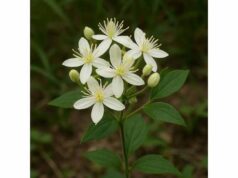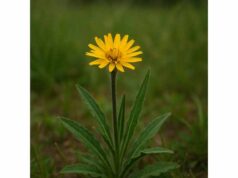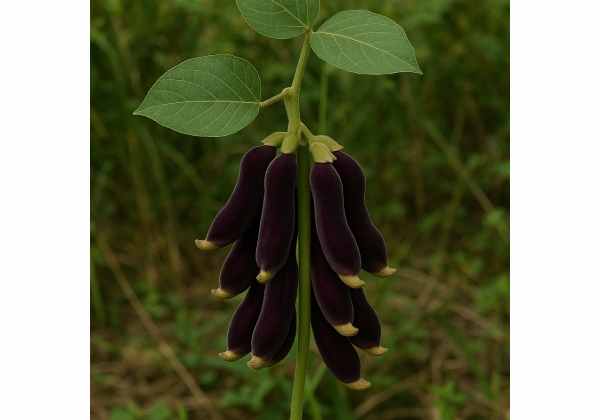
Velvet bean, better known by its botanical name Mucuna pruriens, is a tropical legume with a long history in Ayurveda and other traditional systems of medicine. Today, it attracts attention for one major reason: its seeds naturally contain L-DOPA, a direct precursor to dopamine. That makes it unusual among herbs, because its effects may be more pharmacologically active than many “wellness” supplements. People most often look to velvet bean for neurological support, male fertility, libido, stress resilience, and general vitality. At the same time, not every traditional use is backed by strong human evidence, and product quality can vary more than most buyers expect.
That mix of promise and caution is what makes velvet bean worth understanding well before using it. A thoughtful approach means looking not only at possible benefits, but also at active compounds, realistic use cases, dosage differences by form, and the side effects and interactions that matter most. Used carefully, it may be helpful in specific situations. Used casually, it can be easier to misjudge than many other herbs.
Quick Overview
- Velvet bean is best known for its natural L-DOPA content, which may support dopamine-related function.
- The strongest human evidence is for Parkinson’s symptom support under medical guidance and for some male fertility measures.
- A practical supplemental range is often about 3 to 5 g/day of processed seed powder, though extracts vary widely by L-DOPA strength.
- Avoid it during pregnancy or breastfeeding and with liver or kidney disease unless a clinician says it is appropriate.
- It deserves more caution than a typical “energy” or “mood” herb because its active compounds can act like a drug.
Table of Contents
- What velvet bean is and what it contains
- Velvet bean benefits and what the evidence supports
- Medicinal properties and how it may work
- Common uses, forms, and how to choose a product
- How much to take and when
- Velvet bean safety, side effects, and interactions
What velvet bean is and what it contains
Velvet bean is a climbing legume native to tropical regions, especially India, parts of Africa, the Caribbean, and Central and South America. The plant produces long pods covered with tiny hairs that can cause intense itching on contact, which is one reason it is also called cowhage. In herbal and supplement use, the seeds are the main part of interest, not the irritating pod hairs.
The reason velvet bean stands out is its naturally occurring L-DOPA, or levodopa. L-DOPA is not a vague botanical compound with uncertain relevance. It is the same core molecule used in conventional Parkinson’s treatment. In the body, L-DOPA can be converted into dopamine, a neurotransmitter involved in movement, motivation, reward, attention, and some aspects of mood. That single fact explains most of velvet bean’s reputation and most of its risks.
Still, velvet bean is more than L-DOPA alone. Its seeds also contain protein, starch, fiber, minerals, and a broad mix of phytochemicals such as alkaloids, tannins, saponins, flavonoids, phenolic compounds, and smaller bioactive lipids. Some reviews also highlight constituents such as ursolic acid, betulinic acid, gallic acid, and beta-sitosterol. These compounds may contribute antioxidant, anti-inflammatory, and tissue-protective effects, although they are not as well characterized in real-world products as the L-DOPA content is.
That last point matters. The chemistry of velvet bean is not fixed. Different species, growing conditions, processing methods, and extracts can change the final composition a great deal. Roasted seed powder is not the same as a concentrated capsule extract. A product standardized to 15 percent or 20 percent L-DOPA is not equivalent to plain ground seed. Two products with the same label weight may deliver very different pharmacologic effects.
From a practical standpoint, velvet bean sits on the border between herb and drug-like supplement. That does not make it bad. It simply means people should treat it with more respect than they might give to a mild digestive herb or a basic tonic. If you think of it as a plant with real pharmacology rather than a casual wellness powder, you are already approaching it more safely.
For readers comparing brain-support botanicals more broadly, it helps to separate dopamine-focused herbs from gentler cognitive options such as lion’s mane extract for focus and memory, because the way they act in the body is quite different.
Velvet bean benefits and what the evidence supports
Velvet bean is often marketed for everything from motivation and libido to blood sugar and mood. The stronger question is not what people claim, but what the evidence actually supports.
The most credible human evidence is in Parkinson’s disease. Because velvet bean naturally contains L-DOPA, it can improve motor symptoms in some patients, at least in the short term. Small clinical trials have found that certain velvet bean preparations can produce motor effects similar to standard levodopa in specific settings. That does not mean it should replace prescription therapy on its own. Parkinson’s treatment depends on dose control, response timing, tolerability, and often the use of paired medications that change how levodopa behaves in the body. Still, this is the area where velvet bean has the clearest clinical rationale.
The second area with meaningful, though still limited, human evidence is male reproductive health. Several small studies and reviews suggest that processed seed powder may improve sperm count, sperm motility, semen quality, and some stress-related hormone patterns in certain men with infertility or subfertility. This makes traditional aphrodisiac and fertility claims more plausible than many people assume. Even so, the trials are not large enough to call velvet bean a dependable infertility treatment. It may be supportive, but it should not delay proper evaluation for hormonal, structural, genetic, or lifestyle causes.
Libido support is related but not identical. Some people report better sexual desire, energy, or drive, which may reflect dopamine-related effects, stress reduction, or indirect endocrine changes. The evidence here is suggestive rather than definitive. It is reasonable to say velvet bean may help libido in some adults, but not reasonable to present it as a proven testosterone booster or a guaranteed sexual-performance herb.
Mood and stress support are even less settled. Preclinical work suggests possible antidepressant and anxiolytic effects, and traditional use often frames the herb as restoring vitality and resilience. But human evidence is thin. That means velvet bean is best viewed as a possible adjunct for stress-related fatigue or low drive, not a stand-alone treatment for depression, bipolar disorder, or major anxiety.
Claims around blood sugar, cholesterol, inflammation, and neuroprotection are mostly early-stage. Animal and laboratory studies are interesting, especially for antioxidant and anti-inflammatory effects, but these do not yet justify using velvet bean as a primary therapy for diabetes, cardiovascular disease, or general “detox.”
The most balanced summary is this:
- Strongest support: dopamine-related neurological use under supervision
- Promising but limited: male fertility and libido support
- Possible but unproven: mood, stress, and broader metabolic benefits
- Too early for firm claims: diabetes, longevity, and general disease prevention
That makes velvet bean a focused herb, not a cure-all. People who understand that difference usually get more sensible results and avoid disappointment.
Medicinal properties and how it may work
The medicinal properties of velvet bean start with dopamine biology, but they do not end there. The herb appears to act through several overlapping pathways, which helps explain why it has been used for movement, vitality, fertility, and resilience rather than for just one narrow purpose.
The first and most important mechanism is dopaminergic support. L-DOPA crosses into the brain and can be converted into dopamine. Dopamine helps regulate movement, initiation, motivation, alertness, reward signaling, and sexual drive. When dopamine signaling is low or poorly regulated, the result may show up as reduced movement fluidity, lower drive, mental sluggishness, or flatter mood. Velvet bean’s reputation for lifting vitality and supporting motor function fits this pathway well.
A second likely mechanism is antioxidant defense. Velvet bean contains phenolics and other compounds that may help limit oxidative stress. Oxidative stress matters because it can damage cell membranes, proteins, DNA, and mitochondria. In preclinical research, velvet bean has shown activity that may reduce lipid peroxidation and support endogenous antioxidant systems. This does not prove dramatic clinical outcomes, but it offers a reasonable explanation for some of the plant’s broader protective effects.
A third mechanism is anti-inflammatory signaling. Chronic low-grade inflammation is linked with many conditions, including neurodegenerative disease, poor metabolic health, and impaired reproductive function. Some velvet bean constituents appear to influence inflammatory pathways and stress mediators. That could help explain why the herb is sometimes described as restorative rather than simply stimulating.
The fourth pathway may involve the reproductive axis. Studies in men with infertility suggest velvet bean can influence markers related to stress hormones, reproductive hormones, and semen quality. That does not mean it acts like direct hormone replacement. A better interpretation is that it may support a healthier reproductive environment in some people, especially where oxidative stress and chronic stress are involved.
There is also a traditional “adaptogenic” angle, though this term should be used carefully. Velvet bean may help some people tolerate stress better, but it does not behave like a classic gentle adaptogen. It is more active and more directionally tied to dopamine. For that reason, readers who mainly want a broader stress-resilience herb often compare it with rhodiola, which tends to be used for fatigue and stress without the same levodopa-related concerns.
One useful way to think about velvet bean is as a plant with layered actions:
- Direct effect: natural L-DOPA and dopamine support
- Supportive effect: antioxidant and anti-inflammatory activity
- Functional effect: possible help with vitality, fertility, and stress response
- Limiting factor: inconsistent standardization and stronger interaction potential than many herbs
That layered profile is why velvet bean can feel impressive when it suits the person and the dose. It is also why it can feel too activating, too nauseating, or simply inconsistent when the product is poorly chosen or the expectation is wrong. It is not a general tonic for everyone. It is a more targeted herb that works best when the intended use matches its chemistry.
Common uses, forms, and how to choose a product
In modern practice, velvet bean is used in three main ways: as a traditional vitality herb, as a fertility-support herb, and as a dopamine-oriented supplement. Those uses overlap, but they are not identical, and choosing the right form matters.
The most traditional form is processed seed powder. This is often used in Ayurvedic contexts and in older fertility studies. Powder tends to provide the broadest whole-seed profile, but it can also be bulky to dose, earthy in taste, and difficult to compare from one brand to another. When people use powder for fertility or general vitality, they usually take it with food or milk to improve tolerance.
The second form is capsule or tablet extract. This is more convenient and usually easier to dose, but it introduces the biggest quality question: how much L-DOPA does it actually deliver? Some products list only total extract weight. Others list a standardization percentage such as 15 percent or 20 percent L-DOPA. That is better, but it still does not guarantee batch quality or purity. A capsule that looks small and “gentle” may still deliver a pharmacologically meaningful dose.
The third form is more medical or therapeutic use of roasted or specially prepared seed material in Parkinson’s care. This is not casual supplementation. In that setting, timing, symptom response, and tolerability become central, and self-experimentation is a poor substitute for supervised treatment.
Common real-world reasons people try velvet bean include:
- Support for motivation or low drive
- Male fertility and semen-quality support
- Libido support
- Adjunctive neurological support
- Curiosity about “natural dopamine” products
Choosing well matters more here than with many herbs. A good product should clearly state:
- the plant part used, ideally seed
- whether it is plain powder or extract
- any L-DOPA standardization
- serving size in mg or g
- third-party testing or a certificate of analysis
- an ingredient list without stimulant-heavy proprietary blends
Be cautious with formulas that combine velvet bean with multiple stimulants, yohimbe-like compounds, or aggressive “testosterone booster” language. Those blends make it hard to know what is helping and what is causing side effects.
For fertility-focused readers, velvet bean is often compared with maca for libido and fertility support. That comparison is useful because maca generally acts more gently and indirectly, while velvet bean is the more pharmacologically active option. One is not automatically better. The better choice depends on whether the goal is subtle long-term support or a more dopamine-linked intervention.
A practical rule is simple: buy the cleanest, best-labeled product you can find, and make sure the form matches the reason you want to use it. The herb’s benefits are easier to judge when the product itself is transparent.
How much to take and when
Velvet bean dosage is harder than it looks because herb weight alone does not tell you the full story. What matters is the form, the processing, and especially the L-DOPA content. Five hundred milligrams of one extract may not behave at all like five hundred milligrams of another. That is why the safest dosing advice starts with product literacy, not with a one-size-fits-all number.
For processed seed powder used as a supplement, a practical range is often around 3 to 5 g/day, usually divided and taken with food. That range fits traditional practice and overlaps with the best-known fertility studies, where 5 g/day of seed powder was used for several months. If you are new to the herb, starting lower is sensible, especially if you are sensitive to nausea, headaches, or overstimulation.
For standardized extracts, the label dose may look much smaller, often in the hundreds of milligrams rather than grams. That does not mean the dose is weak. A concentrated extract can deliver meaningful amounts of L-DOPA in a small capsule. In most cases, the best approach is to start at the lowest labeled serving for several days to one week, then reassess before increasing.
Timing also matters. Because velvet bean may feel activating for some people, morning or early afternoon use is often easiest. Taking it late in the day can interfere with sleep in sensitive users. Taking it with meals may reduce nausea. Some people prefer split dosing, especially with powder, to smooth out effects and reduce stomach discomfort.
Duration depends on the goal:
- For general vitality or libido, a 2- to 4-week trial is often enough to notice whether it suits you.
- For fertility-focused use, a longer window such as 8 to 12 weeks makes more sense because semen parameters do not shift overnight.
- For neurologic use, duration should be guided medically rather than handled like ordinary self-care supplementation.
A careful starter plan often looks like this:
- Begin with the lowest practical dose for your chosen form.
- Take it in the morning with food for 5 to 7 days.
- Track energy, mood, sleep, digestion, blood pressure symptoms, and any agitation.
- Increase only if you are clearly tolerating it and have a reason to do so.
- Stop if side effects outweigh benefit.
Avoid stacking it with many new supplements at once. Some people combine it with calming or recovery-oriented products, but one-variable testing is much smarter. If your broader goal is stress resilience rather than a direct dopamine effect, readers sometimes explore ashwagandha for stress and sleep support first, because it is usually easier to titrate and judge.
The key idea is not “take more for stronger results.” With velvet bean, more can just as easily mean more nausea, more restlessness, or a less predictable response. A low, consistent, well-matched dose usually teaches you more than a fast escalation.
Velvet bean safety, side effects, and interactions
Safety is where velvet bean deserves the most honesty. Because it contains L-DOPA, it can create real pharmacologic effects, and that means the safety discussion should be stricter than the one used for a mild tea herb.
The most common side effects are gastrointestinal. People may notice nausea, stomach discomfort, bloating, vomiting, or reduced appetite, especially when starting too high or taking it on an empty stomach. Headache, restlessness, vivid dreams, jitteriness, and insomnia can also occur. In some people, dizziness or lightheadedness may reflect blood-pressure effects. Higher doses may raise the risk of dyskinesia-like symptoms, mood changes, or psychological overstimulation.
The biggest safety issue is interaction potential. Velvet bean may interact with:
- prescription levodopa or other dopaminergic drugs
- antipsychotic medications
- MAO inhibitors
- some antidepressants
- blood pressure medications
- diabetes medications
- other strong stimulants or nootropics
If you are already taking medication for Parkinson’s disease, psychiatric illness, or major blood-pressure or glucose problems, self-prescribing velvet bean is not a good idea. Even when the herb seems “natural,” the body responds to the active molecule, not the marketing language.
Who should avoid it or use it only with clinician oversight?
- pregnant or breastfeeding adults
- people with liver or kidney disease
- people with bipolar disorder, mania, or psychosis
- people with uncontrolled cardiovascular disease
- people preparing for surgery
- anyone using dopaminergic or major psychiatric medication
There is also a product-quality issue that affects safety directly. Some analyses of commercial supplements have found very wide variation in actual levodopa content. That means even people who think they are taking a modest dose may be getting much more, or much less, than expected. This is one reason “natural dopamine support” products can feel unpredictable.
Another overlooked issue is false reassurance. Because velvet bean has traditional use and is sold as a supplement, some people assume it is automatically safer than prescription therapy. That is not necessarily true. In the right patient, under supervision, it may be very useful. In the wrong context, it may complicate symptoms, confuse treatment, or mask the need for proper care.
If you want to use velvet bean safely, the most practical rules are:
- start low
- use one clearly labeled product
- do not mix it casually with neurologic or psychiatric medication
- stop if you notice agitation, insomnia, nausea, mood swings, or abnormal movements
- get medical guidance if your use case is anything more serious than general wellness experimentation
For people who want broader neurologic support without using a dopaminergic herb, a clinician may suggest alternatives or adjuncts such as coenzyme Q10, depending on the goal and the overall treatment plan.
Velvet bean can be helpful, but it is not casual. The herb rewards careful users and punishes vague dosing, low-quality products, and wishful thinking.
References
- Mucuna pruriens Treatment for Parkinson Disease: A Systematic Review of Clinical Trials 2025 (Systematic Review)
- Risk assessment of herbal preparations containing seed extracts of Mucuna pruriens 2024 (Government Risk Assessment)
- Neuroprotection by Mucuna pruriens in Neurodegenerative Diseases 2022 (Review)
- A Systematic Review on Use of Medicinal Plants for Male Infertility Treatment 2021 (Systematic Review)
- Levodopa Content of Mucuna pruriens Supplements in the NIH Dietary Supplement Label Database 2022 (Case Series)
Disclaimer
This article is for educational purposes only and is not medical advice. Velvet bean can have drug-like effects because of its natural L-DOPA content. It should not be used to diagnose, treat, or replace care for Parkinson’s disease, infertility, depression, or any other medical condition without guidance from a qualified clinician. Seek professional advice before using it if you are pregnant or breastfeeding, have liver or kidney disease, have a psychiatric condition, or take prescription medications.
If you found this article useful, please consider sharing it on Facebook, X, or your preferred platform.