Q Herbs
Home Q Herbs
Explore the Q Herbs collection to discover medicinal herbs, traditional botanical remedies, and useful plant guides for species whose names begin with the letter Q. This category brings together articles on herbal health benefits, medicinal properties, traditional uses, active compounds, dosage guidance, safety considerations, side effects, and everyday practical applications. Whether you are researching bitter tonics, respiratory herbs, urinary-support plants, salicylate-rich tree remedies, or food plants with wellness value, this section offers a well-rounded starting point for learning how these lesser-known botanicals have been used in herbal traditions and how they are understood today.
Readers browsing this section can expect a mix of familiar and more specialized plants. Some Q herbs are valued for bitter or aromatic compounds, some for soothing mucous membranes or supporting elimination, and others for their role in traditional medicine systems around the world. The category is designed to help you compare plants thoughtfully, understand what each herb is commonly associated with, and see where caution, preparation method, or dosage matters most.
If you are interested in classic traditional herbal medicine, Qing Hao is one of the standout entries, often explored for its historical role in fever-related herbal traditions and its notable active compounds.
For readers focused on urinary and stone-support traditions, Quebra Pedra is a key article in this category, covering why this plant is so often discussed in relation to kidney and urinary wellness.
Those curious about North American tree medicine may want to start with Quaking Aspen, where you can explore the bark’s traditional uses, salicylate-related compounds, and its place in folk remedies for pain, fever, and mild irritation.
If you prefer approachable herbs with recognizable names, Queen Anne’s Lace offers a useful look at a well-known wild plant traditionally associated with seed use, urinary support, and broader folk-herbal applications.
For a more unusual botanical with strong functional chemistry, Quillaja introduces soapbark’s saponins, traditional cleansing and expectorant uses, and the reasons safety matters more here than with many gentle household herbs.
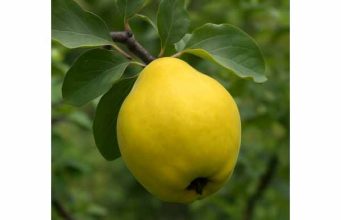
And for readers who enjoy the connection between food and herbal knowledge, Quince explores a fruit long appreciated for its culinary versatility, digestive tradition, and naturally rich plant compounds.
Across the full Q Herbs collection, you will also come across plants such as quackgrass, quassia, quebracho, queen of the meadow, queen of the prairie, and quinine bush. Together, these articles make this category a useful place to discover both well-known and overlooked botanicals, with practical, reader-friendly guidance rooted in traditional use, modern research, and safety-aware herbal education.