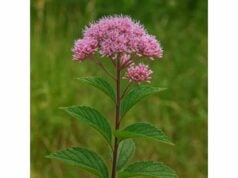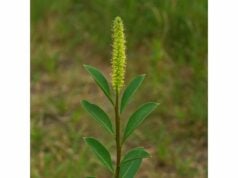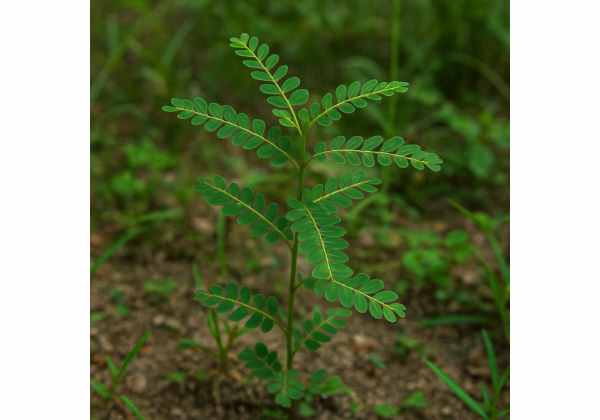
Quebra pedra, widely known in English as stone breaker and botanically identified as Phyllanthus niruri, is a small tropical herb with a very large reputation. It has long been used in traditional systems of medicine for urinary discomfort, kidney stones, liver support, and general detox-style care. Modern interest in the plant is strongest around its possible role in helping reduce stone formation, supporting liver function, and providing antioxidant and anti-inflammatory effects. That interest is understandable, but it also needs careful interpretation.
What makes quebra pedra especially useful to discuss is the gap between traditional confidence and modern evidence. The herb contains lignans, flavonoids, tannins, and other bioactive compounds that likely explain many of its historical uses, yet human studies remain mixed and preparation methods vary widely. Some research suggests promising support for urinary stone burden and selected liver markers, while other findings are more modest. That means the most responsible way to view Phyllanthus niruri is as a meaningful medicinal herb with practical uses, but not as a guaranteed stone dissolver or a replacement for medical care. Used thoughtfully, it can be a valuable herb. Used casually, it can be misunderstood.
Quick Summary
- Quebra pedra may help support urinary stone management and healthy urinary chemistry in some people.
- The herb is also commonly explored for liver support, antioxidant activity, and mild anti-inflammatory effects.
- A practical traditional range is about 4.5 to 9 g of dried herb daily, though lower and shorter use is often more sensible for self-care.
- Standardized extracts used in studies are not equivalent to homemade tea or powder.
- People who are pregnant, have significant liver or kidney disease, or take prescription medicines should avoid self-prescribing it.
Table of Contents
- What Quebra pedra Is and Why the Name Matters
- Key Ingredients and How Phyllanthus niruri Works
- Potential Health Benefits and What the Evidence Suggests
- Traditional Uses and Modern Practical Applications
- Dosage, Preparation, and Best Ways to Use It
- Safety, Interactions, and Who Should Avoid It
- The Stone Breaker Claim and a Practical Bottom Line
What Quebra pedra Is and Why the Name Matters
Quebra pedra is the Portuguese name most often translated as “stone breaker,” a label that immediately tells you how the herb is viewed in traditional use. The plant itself, Phyllanthus niruri, is a small annual herb found in tropical and subtropical regions and used in South America, India, Southeast Asia, and other traditional medical systems. It grows low to the ground, with slender stems and tiny leaves that give it a delicate appearance, yet its medicinal reputation is much larger than its size.
The first thing readers should know is that names around this herb can become confusing. Quebra pedra, chanca piedra, stone breaker, and seed-under-leaf are all used in overlapping ways, and commercial products do not always make species identity as clear as they should. In some traditions and markets, related plants such as Phyllanthus amarus or Phyllanthus urinaria may be discussed alongside Phyllanthus niruri. That matters because not every study on a related Phyllanthus species applies perfectly to P. niruri. When readers see bold claims about hepatitis, liver disease, stones, or antiviral action, species identity and preparation type should always be part of the conversation.
Despite that taxonomic confusion, the central identity of quebra pedra is consistent. It is a bitter, astringent, medicinal herb traditionally associated with the urinary tract, liver, and certain inflammatory or heat-related patterns. In Brazil and many other places, it is best known for kidney stone support. That reputation is strong enough that many people assume it literally dissolves stones on contact. The evidence is more nuanced than that, but the name has remained powerful because the herb has been used for exactly that purpose for generations.
Its modern appeal comes from the fact that it sits at the meeting point of folk medicine and real clinical interest. Unlike many trendy herbs, quebra pedra has been studied in humans, especially for kidney stone and liver-related outcomes. The evidence is not perfect, but it is stronger than simple anecdote. That makes the plant worth serious attention, even if it still falls short of being a universally proven remedy.
For a reader coming from more familiar urinary or diuretic herbs such as corn silk, quebra pedra may feel like a more targeted and more medicinally ambitious plant. It is not mainly a comfort herb. It is a purpose-driven herb, usually chosen because someone wants help in a specific urinary or liver-related situation. That makes context especially important from the beginning.
Key Ingredients and How Phyllanthus niruri Works
The medicinal properties of quebra pedra come from a chemically rich whole plant rather than from one single famous compound. Phyllanthus niruri contains lignans, flavonoids, tannins, alkaloids, phenolic acids, terpenes, and other secondary metabolites that likely act together rather than separately. This helps explain why the herb has attracted interest in such different areas as kidney stone management, liver support, oxidative stress, viral research, and inflammation.
Among the better-known constituents are lignans such as phyllanthin and hypophyllanthin, which are often discussed in connection with hepatoprotective and antioxidant actions. Flavonoids and related polyphenols contribute to the herb’s oxidative stress-modulating reputation, while tannins and other phenolic compounds may help explain its astringent and protective character. The plant also appears to influence crystal formation, urinary chemistry, and tissue interactions in ways that may matter for stones, although that is still an evolving scientific area rather than a solved one.
This is important because quebra pedra is not best understood as a simple diuretic. It may increase urine-related elimination in some contexts, but its potential value seems broader than just “making you pee more.” Experimental work suggests it may interfere with calcium oxalate crystal aggregation, alter how crystals interact with urinary tract tissues, and influence urinary factors such as magnesium, potassium, oxalate, and uric acid. These are more specific actions than ordinary fluid movement, and they help explain why the herb earned a “stone breaker” reputation rather than merely a “water herb” reputation.
The plant’s liver-related interest also deserves a careful explanation. Rather than acting like a harsh detoxifier, quebra pedra appears more likely to influence oxidative balance, inflammatory pathways, and cell protection. This is why it is often discussed alongside liver-support herbs, although it should not automatically be placed in the same everyday category as milk thistle. Milk thistle is usually used as a familiar long-term liver-support herb, while quebra pedra tends to be used in more condition-specific or short-term ways.
Another strength of the herb is that its chemistry may support several overlapping mechanisms at once. A plant can reduce irritation, influence oxidative stress, alter crystal behavior, and affect metabolic markers without needing to behave like a pharmaceutical drug in a single direct pathway. That does not make the herb weaker. It simply makes it more complex and more dependent on preparation, duration, and individual context.
At the same time, this complexity also creates limitations. A tea, tincture, powdered whole herb, or standardized extract may concentrate different compounds and produce different results. Two products labeled quebra pedra may not behave the same way at all. This is one reason why people sometimes report very different experiences with the herb. The name is the same, but the chemistry may not be. For practical use, this means quality, species identification, and preparation are not small details. They are central to whether the herb behaves as expected.
Potential Health Benefits and What the Evidence Suggests
The most searched question about quebra pedra is almost always whether it really helps with stones. That remains the herb’s strongest and most recognizable use, and it is also where the evidence is most practical. Human studies and reviews suggest that Phyllanthus niruri may modestly reduce stone burden, improve some urinary chemistry markers, and support elimination of small stones in selected patients. That is encouraging, but it is not the same as guaranteed stone dissolution. The evidence supports cautious optimism, not certainty.
This distinction matters because the herb’s name creates very high expectations. In reality, quebra pedra appears more likely to help influence the environment in which stones form and persist rather than instantly shatter them. Studies suggest possible reductions in stone size and number, and some patients with hyperoxaluria or hyperuricosuria appear to benefit more than others. That makes the herb promising as an adjunctive support, particularly when hydration, dietary care, and medical evaluation are already part of the plan.
Liver support is the next major area of interest. Traditional use has long associated the plant with jaundice and liver complaints, and modern research has explored that more seriously. Clinical studies suggest that standardized Phyllanthus niruri preparations may improve selected antioxidant markers, appetite, or fibrosis-related outcomes in some liver conditions. At the same time, results have not been uniformly strong. Some trials show limited changes in liver enzymes, while others suggest narrower but still useful benefits. The overall picture is promising but not decisive.
The herb is also often described as antiviral, especially in older discussions related to hepatitis B. This topic requires special care. The broader Phyllanthus genus has long attracted antiviral interest, but not all species, preparations, and clinical results point in the same direction. Quebra pedra should not be presented as a proven replacement for medical management of viral hepatitis. At most, it is a historically important and scientifically interesting herb whose antiviral reputation deserves cautious interpretation.
Antioxidant and anti-inflammatory potential are easier to describe responsibly. The herb contains compounds that likely help modulate oxidative stress and inflammatory activity, and that may partly explain both its urinary and liver-related uses. These benefits are unlikely to feel dramatic in everyday life, but they may contribute to broader supportive effects when the herb is appropriately chosen.
There is also some interest in metabolic health, though this is not the first reason most people choose quebra pedra. Because the plant may influence oxidative stress, lipids, glucose handling, and tissue inflammation in preclinical work, it is sometimes discussed as a broader wellness herb. Still, the real-world evidence remains much stronger for urinary and liver applications than for general metabolic promises.
This makes quebra pedra very different from gentler urinary-support plants such as cranberry. Cranberry is often used in a broad supportive way for urinary wellness, while quebra pedra is usually chosen with a more specific therapeutic goal in mind. That is why expectations, dosing, and safety all matter more here than they do with a simple daily food-based remedy.
Traditional Uses and Modern Practical Applications
Traditional use gives quebra pedra much of its practical identity. In Brazilian, Ayurvedic, and other herbal traditions, the whole plant has been used in teas, infusions, decoctions, and powders for urinary stones, painful urination, liver discomfort, and broader “cleansing” purposes. It has also been used in settings involving digestive upset, mild fluid retention, and heat-related or inflammatory patterns. That long history does not prove every claim, but it does show that the herb was repeatedly chosen for specific body systems rather than treated as a vague general tonic.
In modern herbal use, the most practical application remains short-term urinary support. People are usually interested in quebra pedra after learning they have small kidney stones, a history of recurrent urinary crystals, or a tendency toward stone-forming chemistry. Here the herb fits best as an adjunct, not a stand-alone answer. It makes the most sense alongside fluid intake, dietary review, and proper imaging or medical follow-up rather than as a substitute for them.
Liver-oriented use is also common, especially in supplement form. Some people take quebra pedra when they want a plant with a traditional liver reputation but do not want a formula that feels overly stimulating or harsh. In these situations, the herb is often positioned as protective rather than forcefully cleansing. That is an important distinction. It is usually a better candidate for supportive, measured use than for aggressive detox programs.
Tea remains the most traditional format, and many readers are drawn to it because it feels closer to the herb’s roots. Tea can be a sensible entry point, but not all herbs are equally suited to casual tea use. Quebra pedra is more purpose-specific than something like ginger, which can be used far more casually in food and tea. With quebra pedra, even a tea should usually have a clear reason behind it.
Capsules and standardized extracts are also common. These are more convenient, easier to dose, and more common in clinical research, but they also change the relationship between the person and the herb. A tea invites short-term, traditional-style use. A standardized extract can make people think in a more pharmaceutical way, which sometimes leads to longer use than the evidence really supports. That is not automatically wrong, but it requires more care.
One of the best modern uses of quebra pedra is educational. It teaches readers how to think about a herb that is famous, plausible, and clinically interesting, but still not magical. That mindset is valuable because it helps prevent two opposite mistakes: dismissing the plant because it is traditional, or overpromoting it because it has a memorable name and a few positive studies.
In practical terms, quebra pedra works best when used for a clear purpose, in a defined form, for a limited time, with realistic expectations. That makes it more similar to purposeful urinary herbs such as uva ursi than to everyday culinary plants. It is not an herb to take just because it sounds useful. It is an herb to use when the situation genuinely fits.
Dosage, Preparation, and Best Ways to Use It
Dosage with quebra pedra is not fully standardized, which means practical ranges matter more than rigid formulas. The most useful way to think about dose is to separate traditional herb use from standardized extract use. Whole-herb teas and powders behave differently from concentrated capsules, and research doses do not always translate cleanly into self-care.
A practical traditional range for dried herb use is about 4.5 to 9 g daily. That range reflects both common herb practice and published clinical-style use of infusion sachets. In one urinary stone study, patients used tea prepared from 4.5 g herb sachets twice daily, which comes to 9 g per day. That is a good reference point, but it does not mean every person needs the upper end. For self-care, a lower starting amount and shorter duration are usually wiser.
Capsule and extract doses vary widely. Kidney stone studies have used extract capsules in the range of about 450 mg three times daily for several months, while liver-related studies have used doses such as 500 mg twice daily or higher-dose standardized extract protocols over weeks to months. These figures are helpful for perspective, but they should not be treated as universal instructions because extract type, whole-herb equivalence, and study design differ substantially.
Preparation matters as much as dose. A mild infusion may be enough for some traditional uses, especially when the goal is gentle short-term support. Stronger extracts are better matched to targeted supplement use, but they also raise the stakes around safety and interactions. If a person wants the most traditional approach, tea is often the starting point. If they want something closer to clinical trial logic, standardized products make more sense. The mistake is assuming that the two are interchangeable.
Timing is usually simple. Most people take quebra pedra with meals or between meals in divided doses rather than all at once. Short courses are generally more sensible than indefinite use. In stone-oriented use, several weeks to a few months may be discussed in clinical contexts, but for general self-care it is better to think in shorter trials unless a practitioner gives a clearer rationale.
Several common mistakes are worth avoiding:
- using the herb for large stones or severe pain instead of seeking medical care
- assuming every “stone breaker” product contains the same species and strength
- staying on the herb indefinitely because it feels natural
- treating tea, powder, extract, and standardized capsule as equivalent
- combining multiple urinary herbs without a clear plan
The best way to use quebra pedra is to match the form to the goal. Tea makes sense for traditional, short-term experimentation. Standardized extracts make more sense when a person wants a more measured supplement format. Either way, it is wiser to treat the herb as a defined intervention rather than a random addition to a crowded routine. Compared with more forgiving teas such as chamomile, quebra pedra works best when the dose, duration, and reason for use are all clear.
Safety, Interactions, and Who Should Avoid It
Quebra pedra is often described as gentle, but that needs context. In short-term human studies it has generally been tolerated reasonably well, and severe adverse effects do not appear common in ordinary use. Still, this is not the same as saying the herb is appropriate for everyone or for long-term self-prescribing. The more targeted and medicinal a plant becomes, the more safety needs to be personalized.
The most commonly discussed side effects are mild digestive discomfort, nausea, loose stools, or stomach upset. These are not unusual for bitter or phytochemically active herbs, especially when taken in larger doses or on an empty stomach. Some people also report that strong preparations feel too drying or too active when used for too long, which is one more reason to keep use purposeful rather than indefinite.
Medication interactions deserve more caution than many casual supplement websites suggest. Because Phyllanthus niruri has shown biological activity related to liver enzymes, metabolic regulation, and possibly blood pressure or blood sugar, it may not combine smoothly with every medication plan. People using diabetes medication, blood pressure drugs, diuretics, anticoagulants, or multiple supplements with overlapping effects should not assume that a traditional urinary herb is interaction-free.
Pregnancy and breastfeeding are clear caution zones. Even if a plant has a long history of traditional use, that does not make unsupervised supplementation appropriate during pregnancy. The same goes for children. A small adult herbal dose is not automatically suitable for a child simply because the herb is plant-based.
People with significant liver disease or kidney disease should also avoid self-prescribing. This may sound surprising because the herb is often promoted for liver and kidney support, but it is exactly the reason caution is needed. When an organ system is already medically compromised, targeted supplements should not be added casually. The herb may still have value in the right setting, but that is the point where supervision matters more than enthusiasm.
Another important safety issue is false reassurance. People sometimes turn to quebra pedra because they hope to avoid scans, procedures, or formal treatment. That is understandable, but it is not always safe. Persistent pain, fever, vomiting, blood in the urine, signs of obstruction, or suspected infection require medical attention, not just a tea and patience. The herb can be supportive, but it should not delay care in situations that clearly need evaluation.
Long-term daily use is also a weak point. Even when a product appears well tolerated, the evidence for indefinite supplementation is limited. The strongest data involve defined interventions over defined periods, not lifelong daily use. That makes quebra pedra less suitable as a background wellness habit than herbs chosen for very gentle routine support. In this respect it differs from more general-use plants such as dandelion, which people often rotate into longer everyday use with fewer concerns.
The Stone Breaker Claim and a Practical Bottom Line
The phrase “stone breaker” is both the biggest strength and the biggest problem in the quebra pedra story. It is powerful because it captures the herb’s traditional reputation in two unforgettable words. It is problematic because it encourages people to expect certainty where the evidence only supports possibility. That does not make the name useless. It just means the name needs interpretation.
The most honest modern reading is that quebra pedra may help reduce stone burden, improve urinary conditions that favor crystal formation, and support the passage or non-growth of smaller stones in some people. That is a real and meaningful claim. It is also a more modest claim than “this herb breaks stones.” The available clinical evidence, while promising, is still limited in size and quality. A person can reasonably consider the herb as part of a broader stone-management strategy, but not as a guaranteed replacement for hydration, imaging, pain management, or procedural care when those are needed.
The same balanced logic applies to liver support. There is enough evidence to take the herb seriously, but not enough to treat it as a universal answer for hepatitis, fatty liver, or elevated enzymes. The best practical use case is selective, short-term, and well matched to the person’s real situation. That is where herbs usually work best anyway.
So what should a reader do with all of this? A sensible bottom line looks like this:
- Use quebra pedra because the situation fits, not because the name is appealing.
- Keep expectations realistic: supportive, not miraculous.
- Match the form to the goal, since tea and standardized extracts are not the same.
- Use it as an adjunct when dealing with stones or liver-related concerns, not as a substitute for diagnosis or treatment.
- Stop and reassess if symptoms worsen, persist, or suggest something more serious.
When approached this way, quebra pedra becomes easier to understand and more useful in real life. It is not just a folk remedy with a dramatic nickname, and it is not a perfect herbal solution either. It is a legitimate medicinal plant with meaningful urinary and liver-related potential, mixed but worthwhile human evidence, and a safety profile that improves when use is short, thoughtful, and context-aware. That is usually the sign of a worthwhile herb: not that it does everything, but that it does a few things well enough to deserve respect.
References
- The activity of a herbal medicinal product of Phyllanthus niruri and Silybum marianum powdered extracts (Heptex®) in patients with apparent risk factors for nonalcoholic steatohepatitis: a phase II, multicentered, randomized, double-blind, placebo-controlled clinical trial 2025 (RCT)
- Effects of one-year supplementation with Phyllanthus niruri on fibrosis score and metabolic markers in patients with non-alcoholic fatty liver disease: A randomized, double-blind, placebo-controlled trial 2023 (RCT)
- Efficacy of Phyllanthus niruri on improving liver functions in patients with alcoholic hepatitis: A double-blind randomized controlled trial 2021 (RCT)
- Phyllanthus niruri (stone breaker) herbal therapy for kidney stones; a systematic review and meta-analysis of clinical efficacy, and Google Trends analysis of public interest 2020 (Systematic Review)
- Phytochemistry and Pharmacology of Phyllanthus niruri L.: A Review 2017 (Review)
Disclaimer
This article is for educational purposes only and is not medical advice. Quebra pedra is a traditional medicinal herb with promising uses, especially for urinary stones and liver-related support, but it should not be used to diagnose, treat, or replace care for any medical condition. Kidney stone symptoms, urinary obstruction, infection, liver disease, and unexplained pain all require proper medical evaluation. Speak with a qualified healthcare professional before using quebra pedra if you are pregnant, breastfeeding, have kidney or liver disease, take prescription medicines, or plan to use concentrated extracts for more than a short period.
Please consider sharing this article on Facebook, X, or your preferred platform if you found it useful.