



W Herbs
Home W Herbs
The W Herbs category gathers herbal remedies, medicinal plants, and botanical wellness guides whose names begin with the letter W. In this collection, readers can explore clear, practical articles covering health benefits, medicinal properties, active compounds, traditional uses, dosage considerations, safety, and real-world applications. The category includes both familiar herbs linked with digestion, circulation, skin care, pain relief, immunity, and respiratory support, as well as more specialized water-loving and woodland plants with long herbal traditions. Whether you are researching classic remedies, comparing lesser-known botanicals, or looking for a trustworthy starting point for herbal wellness topics, this section is designed to help you understand what each plant is known for and where its strongest traditional or modern uses may lie.
If you are interested in pungent plants with culinary and medicinal crossover, wasabi looks at the compounds behind its sharp flavor and the ways it is often explored for antimicrobial and cardiovascular support. For a more everyday leafy remedy, watercress covers this nutrient-dense aquatic green, including its links to antioxidant intake, circulation, and traditional food-based wellness support. Readers curious about concentrated green nutrition will also find wheatgrass useful for understanding how it is commonly discussed for detox support, immunity, and general nutritional value.
Several of the most recognizable W herbs are especially relevant for pain, inflammation, and topical care. white willow explains why this bark has a long-standing reputation for pain relief and inflammatory support. witch hazel is a helpful starting point for readers interested in skin care, minor irritation, and traditional astringent uses. For those drawn to aromatic ceremonial herbs with a broader traditional profile, white sage explores common uses, practical cautions, and safe context for use.
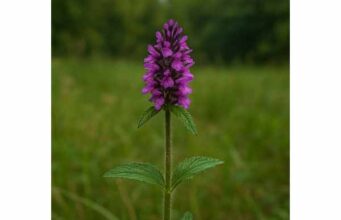
This category also includes several well-known wild herbs that connect food, folk medicine, and seasonal wellness. wild garlic introduces a spring herb often associated with circulation, antioxidant support, and flavorful medicinal cooking. wild ginger offers insight into a woodland plant traditionally linked with digestion and warming herbal use, while also addressing why careful identification and caution matter. If you want a gentler woodland herb with a more old-world herbal feel, wood betony explores its traditional connection to cognitive calm, digestion, and nervous system support.
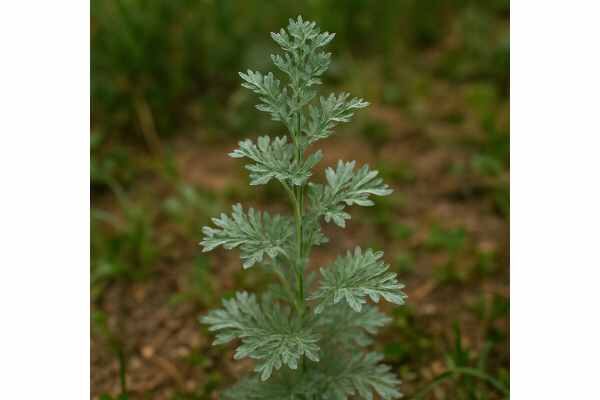
For readers interested in stronger, more bitter, or more historically complex remedies, wormwood examines a classic herb associated with digestion, bitter tonics, and notable safety considerations. And if you are exploring traditional roots with a broader “alterative” reputation, wild sarsaparilla highlights a North American herb often discussed for skin health, tonic use, and traditional respiratory support.
Together, these guides make the W Herbs category a useful place to discover both popular and overlooked botanicals, with enough context to help you read more confidently and choose articles that match your interests.