Quebracho is one of those plant names that sound familiar yet often point to very different trees. In this article, the focus is Schinopsis lorentzii, often called red quebracho, a South American hardwood best known outside herbal circles for its exceptionally tannin-rich wood. In traditional medicine and modern extract research, that tannin content is the main reason the plant attracts attention. Schinopsis lorentzii is linked most strongly with astringent, digestive, and tissue-supportive uses rather than with the stronger respiratory reputation that belongs to other quebracho species. Its chemistry is dominated by condensed tannins, especially profisetinidins and related polyphenols, which helps explain why it has been explored for antioxidant, antimicrobial, gut-supportive, and protective effects. At the same time, the evidence is uneven. Traditional use and laboratory data are much stronger than stand-alone human clinical evidence, and modern studies often examine tannin extracts or blends rather than the raw bark or wood by itself. That makes quebracho a plant worth understanding carefully: interesting, potentially useful, but not a herb that should be oversold.
Key Insights
- Quebracho is mainly valued for tannin-rich astringent support, especially in digestive and tissue-focused traditional use.
- Laboratory and early clinical evidence suggest antioxidant and gut-supportive potential, but most human data are still limited or involve tannin blends.
- A recent human trial used 480 mg per day of a quebracho-and-chestnut tannin complex for 56 days, not isolated quebracho alone.
- People who are pregnant, breastfeeding, highly sensitive to tannins, or taking multiple prescription medicines should avoid unsupervised medicinal use.
Table of Contents
- What quebracho is and why species clarity matters
- Key ingredients and medicinal properties
- Traditional uses and where health claims are most realistic
- What modern research suggests about gut support, antioxidant effects, and metabolic potential
- How to use quebracho preparations and what forms actually make sense
- Dosage, timing, and duration: what can and cannot be recommended
- Safety, side effects, interactions, and who should avoid it
What quebracho is and why species clarity matters
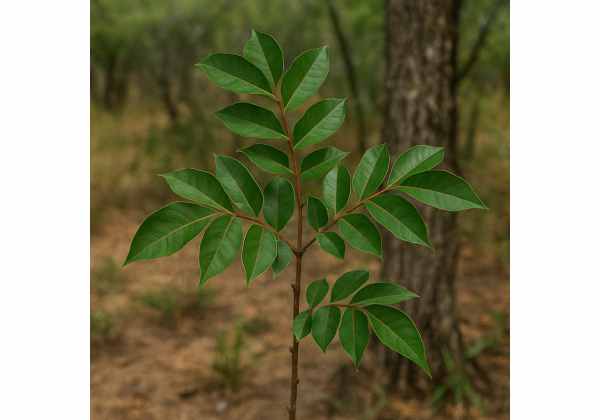
Quebracho is not a single tidy herbal identity. It is a common name used for several South American trees, and that is exactly why articles about it often become confusing. The species in this article is Schinopsis lorentzii, usually called red quebracho, a tree native to parts of Argentina, Paraguay, and neighboring regions. It belongs to the Anacardiaceae family and is prized industrially for its extremely dense wood and very high tannin content. In herbal and functional-extract contexts, that tannin richness is the central point. If someone is talking about quebracho extracts used for astringency, polyphenols, tannin chemistry, gut modulation, or antioxidant activity, they are often referring to Schinopsis species.
This matters because some online material mixes Schinopsis lorentzii with Aspidosperma quebracho-blanco, a different tree altogether. That second plant, often called white quebracho, appears much more often in older respiratory and bronchodilator discussions. When people search “quebracho for asthma” or “quebracho for breathing,” they can easily land in the wrong botanical lane. For Schinopsis lorentzii, the most credible discussion is not primarily about bronchodilation. It is about tannin-rich astringent actions, traditional digestive use, tissue support, and emerging gut-health or antioxidant interest.
Another point of confusion is the plant part. With Schinopsis lorentzii, modern research often focuses on wood-derived or bark-associated tannin extracts, not on the leaves as a casual herb. Traditional use reports do mention leaves, tender branches, bark, resin, and wood-derived material in some communities, but the modern commercial identity of red quebracho is strongly tied to condensed tannin extracts. That means the herb is not used like chamomile tea or mint leaves. It is usually encountered as an extract, a concentrated tannin fraction, or a formulation ingredient.
This species clarity also changes expectations. Schinopsis lorentzii is not one of the classic Western household herbs with a neat monograph, a standard tea dose, and a broad self-care tradition. It is better described as a traditional astringent medicinal tree with modern extract-based interest. That places it closer to the logic of other tannin-rich botanicals than to aromatic kitchen herbs. Readers familiar with astringent plant traditions may find it easier to understand by comparing the general category with oak bark and other tannin-rich astringent plants, even though the chemistry and historical uses are not identical.
The key takeaway is simple. “Quebracho” is too vague on its own. Once the species is pinned down to Schinopsis lorentzii, the article becomes clearer, the health claims become narrower, and the practical uses become easier to judge. That botanical precision is not a technical detail. It is the difference between useful guidance and a misleading article.
Key ingredients and medicinal properties
The medicinal interest in Schinopsis lorentzii comes overwhelmingly from its condensed tannins, particularly profisetinidin-type tannins and related polyphenolic compounds. This is not a minor feature of the plant. It is the reason quebracho became industrially important, the reason it attracts food and nutraceutical research, and the reason it appears in traditional medicine as an astringent and tissue-supportive remedy. If you strip away the folklore and the marketing, quebracho’s most meaningful identity is that of a tannin-rich medicinal tree.
Tannins matter because they are biologically active in ways that fit many traditional uses. They bind proteins, contribute a drying or puckering sensation, interact with mucosal surfaces, and often show antioxidant and antimicrobial effects in laboratory systems. In practical herbal language, that translates into astringency. Astringent plants are often used where tissues feel overly loose, inflamed, irritated, or secreting more than they should. That is why tannin-rich botanicals repeatedly appear in traditional care for diarrhea, superficial tissue irritation, and some wound-related uses.
More specifically, modern work on quebracho extracts points to condensed tannins, catechin-derived polyphenols, fisetin-related structures, gallic acid, pyrogallol, taxifolin, and other phenolic compounds depending on extraction and fractionation. These names matter less to a general reader than the larger pattern. The plant is chemically set up for antioxidant, protein-binding, and potentially microbe-modulating behavior. That does not automatically turn it into a medicine for every condition associated with oxidative stress or infection, but it does explain why laboratory interest keeps returning to it.
From a medicinal-properties perspective, there are four realistic themes.
The first is astringent gastrointestinal support. This is the most grounded traditional idea. Tannin-rich plants often have a place in diarrhea and bowel-irritation traditions because they can help reduce excessive secretion and support tighter tissue behavior.
The second is topical and tissue-supportive potential. Ethnobotanical reports describe quebracho as emollient, antiseptic, and tissue-healing in some settings. Tannins can support that reputation by changing surface protein interactions and reducing the wet, irritated character of some tissues. This does not make quebracho a mainstream skin herb, but it makes the old uses more understandable. Readers who want a better-known topical astringent comparison may find witch hazel for topical astringent care helpful as a reference point.
The third is antioxidant capacity. Quebracho tannins are repeatedly studied for free-radical scavenging and redox-related behavior. That has driven interest in food preservation, wine technology, and nutraceutical applications.
The fourth is emerging metabolic and gut-modulating potential. Some extract studies suggest enzyme-inhibiting, prebiotic, antiadhesive, or intestinal-regulating activity. These are promising directions, but they belong to the “emerging” category, not the “established self-care” category.
So while quebracho is often presented as mysterious or exotic, its medicinal properties are actually fairly coherent. It is a tannin-centered tree. Most of its plausible benefits trace back to that fact. Once you see the plant through that lens, its traditional uses and research profile line up more clearly.
Traditional uses and where health claims are most realistic
If a herb article is going to be trustworthy, it has to separate traditional use, pharmacological promise, and proven clinical effect. With Schinopsis lorentzii, that distinction is especially important. The traditional record supports real medicinal use, but not every traditional use translates into a confidently evidence-based recommendation for modern self-treatment.
The strongest traditional lane is digestive and astringent use. Ethnobotanical sources describe quebracho as used for stomachache, diarrhea-related complaints, and similar conditions where a tannin-rich plant would make sense. In some Argentine contexts, it has been sold in health food shops and pharmacies for its anti-diarrhoeal, emollient, antiseptic, and tissue-healing reputation. That is meaningful. It shows the plant was not only a rural folk remedy but also became part of recognized practical herbal commerce.
Traditional use also includes more varied preparations. Some reports note infusions or decoctions of leaves and tender branches for stomachache, headache, or cough, while others discuss bark, resin, or wood-related material. The important point is not that every one of these uses has been clinically proven. It is that quebracho has a coherent medicinal identity in regional traditions: strongly tasted, tannin-rich, astringent, and useful in complaints involving irritation, looseness, or tissue vulnerability.
Where people go wrong is by assuming that “traditional” means “validated for all modern uses.” That is not how good herbal interpretation works. The most realistic health claims for Schinopsis lorentzii are the ones that match both its traditional use and its chemistry:
- astringent digestive support,
- tissue-supportive and protective actions,
- possible help in mild bowel looseness,
- supportive rather than primary use in certain minor complaints.
Claims become much weaker once they move outside that zone. For example, you may see generalized statements about quebracho for cough, asthma, or bronchodilation. Some of that confusion comes from species overlap in the common name, and some comes from the tendency of herbal writing to blend sources carelessly. For Schinopsis lorentzii, respiratory claims should be treated cautiously and as secondary at best.
Topical support is another area where tradition is interesting but modern evidence is still thin. Astringent, antiseptic, and tissue-healing language appears in ethnobotanical descriptions, which makes sense for a tannin-rich tree. But that does not make quebracho the first herb most people would choose for modern skin self-care. Better-developed topical herbs remain more practical for routine use.
A helpful way to frame traditional quebracho is to think in terms of function, not hype. It functions as a tannin herb. That means tightening, drying, supporting, moderating, and helping tissues feel less excessive rather than more stimulated. In a digestive context, that can be useful. In a topical context, it can be meaningful. In a modern clinical context, it still needs more direct evidence.
Readers comparing traditional digestive botanicals might naturally think of other astringent bark herbs or gentler digestive options. Quebracho sits on the firmer, tannin-driven end of that spectrum. That is why the most realistic health claims are also the most restrained ones. It may support digestive steadiness and tissue tone, but it should not be sold as a cure-all simply because its traditional history is broad.
What modern research suggests about gut support, antioxidant effects, and metabolic potential
Modern research on Schinopsis lorentzii is interesting, but it needs to be read with discipline. Most of the strongest findings are not large stand-alone human trials of red quebracho bark as a medicinal herb. Instead, they come from extract chemistry, in vitro work, functional-food research, safety models, and, more recently, tannin-based blends that include quebracho alongside other sources such as chestnut.
The best-supported modern theme is antioxidant potential. Quebracho condensed tannins consistently show strong radical-scavenging and redox-related activity in laboratory systems. This has made them attractive not only for health research but also for food preservation, wine stabilization, and natural-antioxidant applications. Antioxidant capacity alone does not prove a therapeutic benefit in people, but it supports the idea that quebracho is biologically active in ways that match its tannin-rich identity.
A second theme is digestive and gut-regulating potential. This is where the human data become more interesting. A recent randomized, double-blind, placebo-controlled clinical trial tested a quebracho-and-chestnut tannin supplement in adults with irritable bowel syndrome. Participants taking 480 mg per day of the tannin complex for 56 days showed significant improvement in IBS symptom severity and quality-of-life measures compared with placebo, with no reported side effects. This is promising, but it needs the right interpretation. The product was a blend, not isolated Schinopsis lorentzii alone, and the clinical application was IBS symptom management, not general herbal self-care for every digestive problem.
A third modern theme is metabolic enzyme modulation. Fractionation studies of quebracho tannins have identified components associated with inhibition of alpha-glucosidase and alpha-amylase in laboratory assays. That creates legitimate interest in glycemic and carbohydrate-handling research. Still, laboratory enzyme inhibition is not the same as a proven diabetes treatment. It is a mechanistic clue, not a clinical conclusion.
A fourth theme is antimicrobial and antiadhesive possibility. Tannin-rich extracts, including quebracho-derived ones, have repeatedly shown antimicrobial relevance in broader literature. This may help explain why tannin plants recur in traditional medicine for infected, inflamed, or tissue-compromised conditions. But again, these findings are supportive rather than decisive.
What modern research does not support is casual overreach. It does not justify saying that Schinopsis lorentzii cures IBS, treats diabetes, or acts as a reliable antibiotic. It does support saying that quebracho-derived tannins are biologically active, that gut-supportive applications are plausible and now have some emerging human relevance, and that its chemistry is more than industrially interesting.
This is also why quebracho is increasingly discussed in relation to intestinal comfort and stool regulation, not just old-fashioned astringency. It sits somewhere between herbal tradition and nutraceutical polyphenol science. People looking for more established household digestive herbs may still prefer peppermint for everyday digestive support, but quebracho offers a different angle: tannin-based modulation rather than aromatic carminative relief. That makes it a specialized plant, not a universal one.
How to use quebracho preparations and what forms actually make sense
Quebracho is not the sort of plant most people should experiment with by improvising bark teas from unidentified raw material. In real-world use, the forms that make the most sense are those that reflect either traditional tannin-rich decoction logic or modern standardized extract logic. The problem is that online articles often skip directly from interesting chemistry to casual “how to use it” advice, and that is where misunderstanding starts.
Traditional use points toward infusions, decoctions, or crude preparations made from leaves, tender branches, bark, or wood-derived material, depending on region and purpose. Modern research, however, points more clearly toward purified or semi-purified tannin extracts, often hot-water extracted and sometimes incorporated into supplements, nutraceuticals, or combination products. For a modern reader, the second category is the safer and more interpretable one because the material is at least somewhat standardized.
That means the most sensible current forms are:
- standardized tannin-based supplements that clearly identify quebracho as Schinopsis lorentzii
- mixed tannin formulas where quebracho is one component and the total dose is defined
- professionally made liquid or powdered extracts with declared tannin content
What makes less sense is casual home use of unknown raw wood or bark. This is especially true because the common name “quebracho” can already point to the wrong species. A person who buys unlabeled “quebracho bark” without botanical confirmation is not really doing herbal medicine. They are gambling with a plant name.
For digestive applications, any product choice should also match the expected action. Quebracho makes more sense for astringent, regulating, or stool-normalizing support than for warming, soothing, or antispasmodic support. If the complaint is a loose, irritated gut pattern, that fits better. If the complaint is dry constipation, nervous stomach tightness, or gastritis-like burning, a tannin-rich extract may be the wrong first choice.
Topical use is even more delicate. Traditional references to tissue healing, antiseptic use, or emollient action do exist, but modern self-care products for the skin are far better developed with other herbs. Unless a product is specifically made for topical application, there is little value in turning quebracho into a home skin remedy.
One of the most helpful ways to use this herb today is conceptually rather than casually. Think of it as a tannin-active botanical ingredient, not a simple tea herb. That perspective helps explain why it appears in GI-support studies, why it interests food scientists, and why its uses need more formulation awareness than many kitchen herbs do. It also keeps expectations realistic. You are not choosing quebracho because it is gentle and universally soothing. You are choosing it because you want the kind of firming, moderating profile that tannins can provide.
In that sense, it has more in common with carefully chosen astringent botanicals than with everyday digestive teas. For readers who prefer softer, mucosal support rather than firm astringency, something like marshmallow root for soothing support belongs to a different herbal category entirely. Quebracho is not the soft blanket herb. It is the tightening, toning, regulating one.
Dosage, timing, and duration: what can and cannot be recommended
This is the section where precision matters most, because the evidence for Schinopsis lorentzii does not support pretending there is one accepted medicinal dose for all situations. There is no widely established stand-alone self-care dose for red quebracho bark or wood extract that matches the kind of monograph-style guidance available for more mainstream herbs. That is the single most important dosage fact.
What can be said responsibly is narrower.
The clearest human dosage point comes from the recent IBS trial using a quebracho-and-chestnut tannin complex. In that study, adults took two capsules per day for a total of 480 mg daily over 56 days. This is useful because it gives a real, clinically tested reference amount. But it must be interpreted correctly: it was a combined tannin supplement, not isolated Schinopsis lorentzii alone, and it was studied in a supervised trial context for a specific gastrointestinal condition.
That means the 480 mg daily figure can be mentioned as an emerging research reference, not as a universal quebracho dose for stomach pain, diarrhea, tissue healing, or general health. The same caution applies to laboratory studies on antioxidant or enzyme-inhibiting fractions. They show activity, not self-care dosage.
For traditional decoctions or infusions, historical sources do not give a modern standardized range that can be translated cleanly into consumer guidance. Because of that, it is safer not to invent one. If a person is using a professional supplement or formula, the best rule is to follow the manufacturer’s labeled dose only when:
- the species is clearly stated as Schinopsis lorentzii,
- the extract type is identified,
- the total amount is declared, and
- the product is intended for human oral use.
Timing depends on the goal. In a digestive-support context, a tannin-based product usually makes more sense with meals or around the time symptoms typically occur. That is especially true if the product is aimed at bowel regularity or stool consistency. On an empty stomach, strongly tannic products may feel too drying or heavy for some people.
Duration should also stay conservative. Even the human GI trial lasted 56 days, but that was in a formal structured setting. For self-care, shorter and more purposeful use is usually wiser unless a clinician advises otherwise. Tannin-rich botanicals are not ideal candidates for casual, indefinite use simply because they are “natural.”
A good working framework is:
- use only standardized products,
- treat 480 mg daily as a blend-based research point, not a universal dose,
- avoid improvising raw-material dosing,
- prefer short, defined trials over open-ended use.
This is particularly important because people often confuse “plant extract” with “harmless food.” Quebracho sits in the middle. It is food-adjacent in modern nutraceutical research, but also pharmacologically active enough to deserve dosing humility. If someone wants a more traditionally structured self-care herb with easier consumer dosing, something like gentian root for digestive bitters may be more straightforward depending on the symptom pattern. Quebracho is more specialized and less forgiving of guesswork.
Safety, side effects, interactions, and who should avoid it
Quebracho safety is best understood through the lens of tannins. Tannin-rich extracts are not inherently dangerous, but they are not inert either. They interact with proteins, can influence digestion, and may produce different effects depending on dose, purity, and duration. With Schinopsis lorentzii, the safety story is still developing because high-quality human data are limited, especially for stand-alone use.
The most reassuring direct human point is that the recent IBS trial using a quebracho-and-chestnut tannin complex reported no side effects over the study period. That is encouraging, but it does not answer every safety question. The supplement was a specific blend, used in adults, for a defined duration, and under trial conditions. It should not be stretched into a blanket assumption that every quebracho product, every dose, and every long-term use is safe.
Experimental safety data also suggest that low concentrations of purified condensed tannins from quebracho wood are not overtly toxic in early zebrafish developmental models, while much higher concentrations can produce developmental effects. This is useful as a reminder that plant polyphenols are dose-dependent. Natural does not mean infinitely safe. It means context matters.
The most likely practical side effects in real-world use are digestive:
- nausea,
- heaviness,
- stomach irritation,
- overly drying effects,
- constipation or altered stool consistency if the preparation is too astringent for the individual.
People who already tend toward dry digestion, constipation, or food sensitivity may not tolerate a strongly tannic product well. The very property that can make tannins useful for bowel looseness can make them less suitable for other digestive patterns.
Interactions are not well defined for Schinopsis lorentzii specifically, but tannin-rich products raise familiar practical cautions. Because tannins can bind proteins and interact with minerals and other compounds, it is sensible to separate quebracho supplements from prescription medicines by at least a couple of hours unless a clinician advises otherwise. This is especially relevant for people taking multiple medications or managing chronic illness.
Who should avoid unsupervised medicinal use?
- pregnant or breastfeeding individuals,
- children, unless specifically guided by a clinician,
- people with chronic digestive disease or unexplained GI bleeding,
- people taking multiple prescription drugs,
- anyone with a history of sensitivity to strongly tannic herbs or supplements.
It is also important not to use quebracho as a delay tactic. Persistent diarrhea, unexplained abdominal pain, weight loss, blood in the stool, fever, or major changes in bowel habits need medical assessment. An astringent plant may temporarily change the way a symptom feels while missing the actual diagnosis.
For topical claims, extra caution is warranted because modern standardized human safety data are thin. If a product is not clearly intended for skin use, do not assume a traditional antiseptic or tissue-healing reputation makes home application a good idea.
The safest way to approach Schinopsis lorentzii is to keep it in its strongest lane: a tannin-rich botanical with limited but promising digestive and tissue-support relevance, not a cure-all and not a casual DIY herb. Used that way, its benefits stay plausible and its risks stay manageable.
References
- Improving Irritable Bowel Syndrome (IBS) Symptoms and Quality of Life with Quebracho and Chestnut Tannin-Based Supplementation: A Single-Centre, Randomised, Double-Blind, Placebo-Controlled Clinical Trial 2025 (RCT)
- Traditional Applications of Tannin Rich Extracts Supported by Scientific Data: Chemical Composition, Bioavailability and Bioaccessibility – PMC 2021 (Review)
- Mass Spectrometry and 1H-NMR Study of Schinopsis lorentzii (Quebracho) Tannins as a Source of Hypoglycemic and Antioxidant Principles 2020
- Comparative Study of Condensed and Hydrolysable Tannins during the Early Stages of Zebrafish Development | MDPI 2024
- Medicinal plants in the cultural landscape of a Mapuche-Tehuelche community in arid Argentine Patagonia: an eco-sensorial approach | Journal of Ethnobiology and Ethnomedicine | Springer Nature Link 2014
Disclaimer
This article is for educational purposes only and is not medical advice, diagnosis, or treatment. Quebracho is a tannin-rich medicinal tree with traditional uses and emerging modern evidence, but stand-alone human dosing and long-term safety are not well established. It should not be used in place of medical care for persistent diarrhea, blood in the stool, unexplained abdominal pain, fever, chronic bowel disease, or other significant symptoms. If you are pregnant, breastfeeding, taking prescription medication, or considering a concentrated tannin supplement, speak with a qualified healthcare professional before use.
Please share this article on Facebook, X, or your preferred platform if you found it helpful.