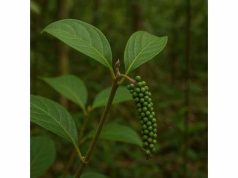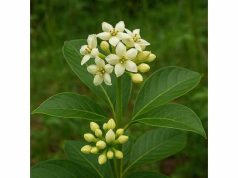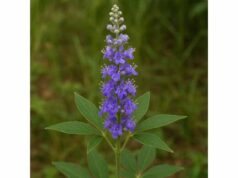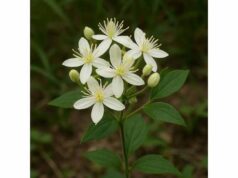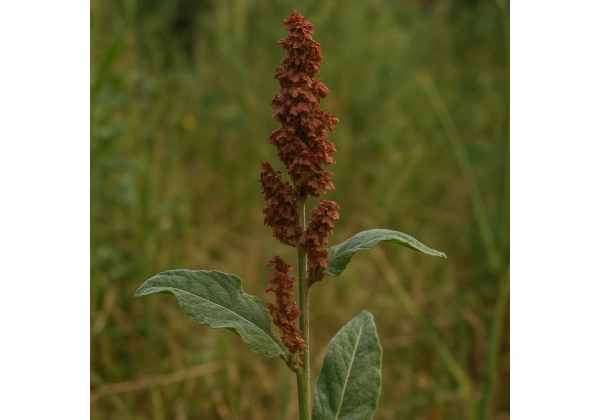
Velvet Dock, botanically known as Rumex crispus, is a traditional herb more commonly discussed under the names yellow dock or curly dock. It has a long history as a bitter digestive root, a mild stimulant laxative, and a plant used in older herbal practice for sluggish bowels, skin complaints associated with poor elimination, and “spring tonic” formulas. What makes it interesting is the contrast between strong traditional reputation and limited modern clinical evidence. Much of its appeal comes from the root, which contains anthraquinones, tannins, flavonoids, and other compounds that help explain its bitter, astringent, and bowel-stimulating actions.
Used carefully, Velvet Dock may support occasional constipation, digestive sluggishness, and short-term herbal cleansing routines. It is also a plant that deserves more caution than many casual herbal users realize. Its oxalate content, anthraquinone activity, and limited human research mean it is not a herb for casual long-term use. A balanced look at Rumex crispus shows a plant with real traditional value, plausible pharmacology, and practical uses, but also clear limits around dosage, duration, and safety.
Quick Overview
- Velvet Dock is used most often for occasional constipation and sluggish digestion rather than for broad, proven disease treatment.
- The root’s main traditional actions are bitter digestive support, mild laxative activity, and astringent tissue support.
- Traditional adult use often falls around 2 to 4 g dried root as tea up to 3 times daily for no more than 8 to 10 days.
- Avoid self-directed use in pregnancy, breastfeeding, kidney stone risk, bowel obstruction, or unexplained abdominal pain.
Table of Contents
- What Velvet Dock is and which part is used
- Key ingredients and medicinal properties of Rumex crispus
- Velvet Dock benefits and what the evidence really supports
- Traditional uses and common ways to take it
- Dosage, timing, and how long to use yellow dock root
- Safety, side effects, interactions, and who should avoid it
- How to use it realistically and when to look elsewhere
What Velvet Dock is and which part is used
Velvet Dock belongs to the Polygonaceae family, a large plant family that also includes buckwheat and several sour-tasting docks and sorrels. In everyday herbal writing, Rumex crispus is far more often called yellow dock or curly dock than Velvet Dock, and knowing those names helps make sense of the literature. It is a perennial plant with a deep taproot, narrow leaves with characteristically wavy margins, and upright seed stalks that become familiar once the plant is learned in the wild. It grows readily in disturbed soils, roadsides, field margins, and temperate habitats across broad regions of the world.
The most important medicinal distinction is the plant part. Traditional internal herbal use focuses mainly on the root, not the mature leaf. Young leaves have occasionally been eaten as spring greens, but that culinary use is different from medicinal use and comes with more caution because of oxalates. The root is the part associated with the classic actions most herbalists mention: bitter digestive stimulation, mild laxative activity, and support in formulas aimed at sluggish elimination. That is why most discussions of yellow dock root emphasize the underground portion rather than the aerial parts.
This matters because plant identity and plant part strongly shape the herb’s effect. A person reading about “dock” or “Rumex” may accidentally combine information from several related species, and that can create confusion. The broader genus includes multiple species used traditionally for food, skin care, or astringent purposes, including plants closer to sorrel as a culinary and antioxidant-rich relative. But Rumex crispus root stands out in Western herbal practice for its role as a bitter and bowel-moving root rather than as a general salad green.
It is also worth understanding what the herb is not. Velvet Dock is not a well-studied modern therapeutic with large clinical trials and standardized dosing guidelines. It sits in the category of traditional roots whose uses were built through longstanding practice, then partially supported by phytochemical and preclinical research. That does not make the plant useless. It means it should be approached with realistic expectations. When people talk about yellow dock as though it were a proven detoxifier, blood builder, liver cure, and universal skin herb all at once, they usually oversimplify it.
A practical way to view the plant is this: Rumex crispus is a traditional bitter root medicine with mild stimulant-laxative properties and some astringent and antioxidant features. Its root has the clearest herbal identity, its use is usually short term, and its value comes more from appropriate matching than from dramatic effects.
Key ingredients and medicinal properties of Rumex crispus
Modern reviews of Rumex crispus describe a chemically diverse plant rather than a single-compound remedy. The root and other plant parts contain anthraquinones, flavonoids, tannins, naphthalene derivatives, coumarins, stilbenes, and related phytochemicals. That broad chemistry helps explain why the herb has developed several traditional roles at once. One compound family contributes to bowel stimulation, another to astringency, and others to antioxidant or anti-inflammatory effects seen mainly in laboratory work.
The best-known medicinal feature is its anthraquinone content. This is the reason yellow dock is often grouped with mild stimulant laxative herbs. Anthraquinones can promote intestinal motility and make the plant useful in short-term support for occasional constipation or sluggish bowel patterns. That same property is also the main reason for caution. An herb that stimulates bowel movement can become irritating, produce loose stools, or be misused for too long. In other words, one of the root’s most useful properties is also one of its clearest safety limits.
Tannins add another layer. These compounds give dock root part of its bitter and astringent profile. Astringency may help explain why the plant was also used traditionally in formulas for skin complaints and irritated tissues. The old herbal logic was not always “this herb does one thing.” Instead, the same root could be seen as both moving and toning: stimulating sluggish elimination while also tightening or drying overly relaxed tissue. That kind of dual reputation is common in older bitter roots.
Flavonoids and other phenolic compounds help round out the picture. They are part of why modern research often discusses Rumex species in terms of antioxidant potential. Still, it is important not to confuse laboratory antioxidant findings with established clinical outcomes. Many plants can demonstrate antioxidant or anti-inflammatory activity in vitro. Far fewer can show large, reliable benefits in human trials. Velvet Dock is much stronger on plausible pharmacology than on confirmed human effectiveness.
Oxalate is another part of the conversation, even if it is not a “benefit” compound. Like several dock and sorrel relatives, Rumex crispus can contain enough oxalate to matter for susceptible people. That is one reason raw or casual use of the plant, especially as a food or self-foraged herb, deserves restraint.
Taken together, the medicinal properties of Velvet Dock are best summarized as:
- bitter
- mildly stimulant laxative
- astringent
- antioxidant in laboratory models
- traditionally alterative, meaning used in older herbal systems to support gradual elimination and tissue clearing
If your interest is mainly in classic bitter digestive roots, it helps to think of yellow dock as sitting in the same broad herbal neighborhood as gentian for appetite and digestive bitter support, though yellow dock is gentler as a bitter and more notable for its anthraquinone-driven bowel effect. That difference matters. Gentian is primarily a bitter digestive stimulant. Yellow dock is a bitter root with an extra laxative edge.
Velvet Dock benefits and what the evidence really supports
The most honest way to discuss Velvet Dock benefits is to separate traditional use from modern proof. Traditional herbal practice gives Rumex crispus a broad reputation. It has been used as an astringent, mild laxative, bitter tonic, diuretic, and “blood cleansing” herb in different systems and regions. Modern reviews also describe antioxidant, antimicrobial, anti-inflammatory, antidiabetic, and other activities in experimental studies. But these claims do not all carry the same weight.
The benefit with the strongest practical logic is support for occasional constipation or sluggish bowel function. Anthraquinone-containing herbs are well known for their ability to stimulate bowel movements, and yellow dock fits that pattern. Even here, however, the evidence is mostly traditional and pharmacologic rather than based on modern clinical trials. That means the herb may be reasonable for short-term bowel sluggishness, but it should not be described as a clinically established constipation treatment in the same way as fiber or regulated laxatives.
Digestive stimulation is the second credible area. Because the root is bitter, it may support digestive secretions and appetite in some users, especially when sluggish digestion is part of the picture. This is one reason yellow dock appears in older “spring tonic” or “liver and digestion” formulas. Yet the best interpretation is supportive, not curative. It may help digestion feel more awake, not repair every digestive disorder.
Skin use is more traditional than proven. Herbalists have long connected yellow dock with skin complaints that accompany constipation, poor digestion, or chronic sluggish elimination. That logic is common in traditional Western herbalism: move the bowels, support bitterness and bile flow, then watch whether certain skin patterns improve. This is interesting and historically important, but still not the same as strong clinical evidence for eczema, psoriasis, or acne treatment.
Iron support is another area that often gets overstated. Yellow dock is sometimes called a blood-building herb because the root contains iron and because older herbal traditions used it in anemia-oriented blends. That does not automatically make it an evidence-based iron therapy. In real practice, the amount absorbed, the form used, and the person’s nutritional status all matter. It is safer to say that yellow dock has a traditional reputation in blood-support formulas than to promise meaningful correction of iron deficiency on its own.
Modern research does support one important broader point: Rumex crispus and related species contain bioactive compounds with antioxidant, anti-inflammatory, and antimicrobial activity in laboratory and animal models. That makes the plant scientifically interesting. It does not yet make it a firmly validated human treatment.
So where do the benefits look most convincing? In this order:
- short-term support for occasional constipation
- mild bitter digestive stimulation
- traditional inclusion in skin and “alterative” formulas
- experimental antioxidant and anti-inflammatory promise
If constipation is the main problem and you want something gentler and better studied for routine use, many people will do better with psyllium for fiber-based bowel support rather than a stimulant-style root. Velvet Dock is more appropriate when the pattern is sluggish and short-term, not when the goal is daily bowel dependence.
Traditional uses and common ways to take it
Velvet Dock is used most often as a root preparation. The classic forms are tea or decoction, tincture, liquid extract, powder, and combination formulas. The form matters because the herb is not mainly prized for taste or immediate comfort. It is usually chosen because the root’s bitter and anthraquinone-containing constituents fit a particular pattern: slow digestion, occasional constipation, or a broader herbal formula aimed at elimination.
Tea or decoction is one of the oldest approaches. Dried root is simmered or steeped long enough to extract its bitter and laxative compounds. This is often how traditional dosage is described, and it remains the most practical form for home herbal use. Tinctures and extracts offer convenience and easier measuring, but their effect depends heavily on quality, extraction method, and concentration. Because yellow dock is not a standardized mainstream supplement, labels can vary widely.
Combination formulas are common. Yellow dock is often paired with other roots in “blood purifier,” digestive, or spring cleansing blends. In those settings it may be used alongside dandelion as another classic bitter root or with herbs that soften or broaden the formula. This tells you something useful about how herbalists actually think about the plant. Yellow dock is often not used as a star herb for a single symptom. It is used as a functional root that adds bitterness, bowel movement, and a traditional alterative note to a broader recipe.
Topical use exists too, although it is less central than internal use. Some traditional systems have used dock preparations externally for irritated skin or minor eruptions. These uses likely reflect the plant’s tannins and broader reputation rather than strong topical evidence. If someone is choosing the plant mainly for skin application, expectations should stay modest.
Young leaves have also been used as food, especially in spring, but this is not the same as medicinal root use. Culinary use of dock leaves is limited by sourness and oxalates, and it is not the strongest or safest reason to reach for Rumex crispus. The medicinal conversation belongs mainly to the root.
A practical summary of common forms looks like this:
- dried root tea or decoction for short-term internal use
- tincture or liquid extract for measured dosing
- powder or capsules when convenience matters
- formula blends for digestive or traditional alterative goals
- occasional topical use in more traditional settings
The main advantage of traditional use is simplicity. The main disadvantage is variability. One herbal tea may be mild, another much stronger. One tincture may be appropriately bitter, another too concentrated for a sensitive gut. That is why modern use should be deliberate, not casual. The root has an understandable herbal role, but it is not a plant to use without knowing why you are taking it.
Dosage, timing, and how long to use yellow dock root
Velvet Dock dosage needs a clear disclaimer up front: there is no well-established clinical dosing standard for yellow dock root based on strong human trials. Most commonly quoted amounts are traditional herbal ranges, not evidence-based therapeutic doses in the modern clinical sense. That is an important difference and one of the reasons the herb should be used conservatively.
The most commonly cited traditional adult range is 2 to 4 g of dried root as tea, up to 3 times daily, usually for no more than 8 to 10 days. Some sources also describe fresh-root use, but dried-root guidance is easier to apply consistently. This range fits the herb’s short-term digestive and laxative role. It is not a “take indefinitely and see what happens” dose. It is a short-course range that respects the herb’s stimulant and oxalate-related concerns.
Timing depends on the goal. If the main reason for taking yellow dock is digestive bitterness, a dose before meals may make sense. If the goal is bowel movement support, people often take it later in the day or in a way that matches the rhythm of their constipation pattern. Still, because the herb can irritate or loosen stools, it is usually smarter to start low and assess response rather than jump to the upper end immediately.
A reasonable conservative approach looks like this:
- start with the lower end of traditional root tea use
- use one form only at a time rather than stacking tea, tincture, and capsules
- limit self-directed use to short courses
- stop if cramping, diarrhea, nausea, or unusual symptoms appear
Longer use is where problems begin. Like other anthraquinone-containing herbs, yellow dock can become a poor choice when someone turns it into a daily bowel habit. A stimulant-style root may feel helpful at first, but it is not the best foundation for long-term gut regularity. Persistent constipation should push the question upstream. Is fiber intake low? Is fluid intake poor? Are medications contributing? Is there pelvic floor dysfunction, thyroid disease, or another underlying issue?
This is also where herb choice matters. If the person mainly needs gentle bowel bulk, hydration, or soothing support, other approaches may be more suitable. Some people who instinctively reach for stimulating herbs would do better with hydration, magnesium, diet changes, or soothing herbs such as marshmallow for irritated digestive tissues when the bowel pattern involves sensitivity as much as sluggishness.
The most useful dosage mindset is not “What is the strongest safe amount?” but “What is the smallest amount that matches the reason I am using it?” With yellow dock, restraint is often a sign of good herbal judgment. A short course, clear goal, and clear stop point are more important than squeezing every possible effect out of the root.
Safety, side effects, interactions, and who should avoid it
Velvet Dock is one of those herbs that sounds gentle in traditional language but deserves real caution in practice. The biggest reasons are anthraquinones, oxalates, limited clinical safety data, and the tendency of users to assume that old herbal roots can be taken casually. They cannot. Yellow dock may be acceptable for some adults in short-term use, but it is not a low-concern wellness tonic for everyone.
The most predictable side effects come from the gut. Because the root can stimulate bowel activity, excessive use may cause loose stools, abdominal discomfort, cramping, nausea, and in some cases increased urination. These effects are not mysterious. They follow directly from the herb’s pharmacology. If the dose is too strong or the person is too sensitive, the root stops being “supportive” and starts becoming irritating.
Oxalates are another issue. People with a history of calcium oxalate kidney stones or significant kidney vulnerability should be especially careful. This does not mean every brief use will cause harm, but it does mean the herb is a poor casual choice for anyone already worried about oxalate burden or renal fragility.
Pregnancy and breastfeeding are standard avoid categories. The anthraquinone content alone is enough reason to avoid unsupervised use during these periods. The same caution applies to children unless there is knowledgeable professional guidance. Stimulant-laxative roots are simply not good candidates for guesswork in more vulnerable groups.
People with bowel obstruction, unexplained abdominal pain, severe hemorrhoids, inflammatory bowel symptoms, or active gastrointestinal irritation should also stay away from self-directed use. Using a bowel-stimulating root when the real problem is obstruction, bleeding, inflammation, or undiagnosed pain is a bad trade.
Medication interactions are not extensively documented, but there are still reasonable cautions. Any herb that changes intestinal transit can potentially affect the timing or absorption of oral drugs. Tannins may also complicate absorption in some settings. That does not mean yellow dock is famous for dangerous interactions. It means space and caution are sensible, especially in people taking multiple medications.
Safety also includes real-world unpredictability. A published case report described severe thrombocytopenia in association with a tea containing yellow dock and burdock, which is a useful reminder that “detox” blends are not automatically harmless. This is especially relevant because yellow dock often appears in burdock-containing cleansing formulas marketed as gentle daily wellness products.
Who should generally avoid self-directed use?
- pregnant or breastfeeding people
- children
- people with kidney stone history or kidney disease
- people with bowel obstruction or unexplained abdominal pain
- people needing long-term constipation management
- anyone with a history of strong sensitivity to stimulant laxative herbs
The safest interpretation is simple: short-term use may be reasonable for selected adults, but the herb is not suited to broad, unsupervised, long-duration use.
How to use it realistically and when to look elsewhere
The best use of Velvet Dock is targeted, modest, and temporary. It makes the most sense when someone has a traditional herbal reason for choosing it: occasional constipation, sluggish digestion with a need for bitterness, or a short-term formula in which the root contributes digestive movement. It makes much less sense as a catch-all “detox” herb, a substitute for medical evaluation, or a daily tonic taken on faith.
A realistic self-check before using it might look like this:
- Is the problem short term and uncomplicated?
- Is the root being used for a clear reason, rather than vague cleansing?
- Is the user avoiding it because of pregnancy, kidney issues, bowel red flags, or chronic laxative dependence?
- Is there a stopping point if it does not help quickly?
If the answer to those questions is no, the herb probably is not the right tool.
It is also helpful to know when not to force a match. If the main issue is low appetite and weak digestion without constipation, a more focused bitter may make more sense. If the main issue is chronic constipation, yellow dock is often not the best long-term answer. If the main issue is inflamed or irritated mucosa rather than sluggishness, softer herbs may fit better. If the main issue is skin disease with no digestive component at all, the old “blood cleanser” framework may not be enough to justify the herb.
That does not diminish the plant. It makes its use more intelligent. Many older herbal roots gained large reputations because they were applied within pattern-based systems, not because they were universal remedies. Yellow dock deserves the same respect. It may help the right person, in the right dose, for the right duration. But it becomes much less impressive when stretched beyond its best role.
A practical final rule is this: if symptoms are intense, persistent, or unclear, stop guessing. Constipation lasting weeks, unexplained weight loss, bleeding, severe abdominal pain, recurrent vomiting, or ongoing fatigue deserves medical assessment, not a longer trial of dock root tea. The herb belongs in supportive care, not diagnostic avoidance.
Velvet Dock remains a meaningful traditional herb because it fills a particular niche. It is bitter, mildly laxative, somewhat astringent, and historically associated with digestive and eliminative support. Those are real qualities. They are just not limitless ones. Used with clarity and restraint, the plant has a place. Used as a vague cure-all, it quickly outruns its evidence.
References
- Rumex crispus L.: A comprehensive review on botany, traditional uses, phytochemistry, pharmacology, and safety 2024 (Review)
- Rumex Species: Phytochemistry, Pharmacology and Nutritional Potential for Food and Health Applications 2025 (Review)
- The genus Rumex (Polygonaceae): an ethnobotanical, phytochemical and pharmacological review 2022 (Review)
- Herbal Teas and Thrombocytopenia: A Curious Case of Yellow Dock and Burdock-Induced Thrombocytopenia 2022 (Case Report)
- Yellow Dock Uses, Benefits & Dosage 2025 (Reference Overview)
Disclaimer
This article is for educational purposes only and is not a diagnosis, treatment plan, or substitute for medical advice. Velvet Dock and yellow dock products are not standardized in the way many conventional medicines are, and the herb has limited human clinical evidence despite a strong traditional reputation. Because Rumex crispus may affect bowel function and may present added concerns in people with kidney issues, pregnancy, or unexplained abdominal symptoms, it should be used cautiously and only for short-term, appropriate purposes. Speak with a qualified healthcare professional before using this herb if you take medicines, have digestive disease, have a history of kidney stones, are pregnant or breastfeeding, or are trying to manage chronic constipation.
If you found this article useful, please share it on Facebook, X, or your preferred platform so others can benefit from it too.