Vetiver is a deeply rooted aromatic grass best known for its earthy, smoky fragrance, but its medicinal story is broader than perfume alone. Traditionally used in South Asian healing systems, vetiver root has been prepared as cooling infusions, fragrant washes, poultices, and aromatic oils for restlessness, skin care, and general comfort in hot climates. Today, most of its health interest centers on the root and its essential oil, which contain a complex mix of sesquiterpenes such as khusimol, vetiverol, and vetivones.
What makes vetiver especially interesting is the balance between tradition and evidence. Laboratory studies suggest antioxidant, antimicrobial, and anti-inflammatory potential, while modern aromatherapy research points most clearly toward relaxation, sleep support, and stress relief. At the same time, vetiver is not a standardized mainstream herbal medicine with a well-established oral dose the way some other herbs are. That means it is best approached as a supportive herb, especially for aromatic and topical use, rather than as a primary treatment. Used carefully, vetiver can be a thoughtful addition to a wellness routine, but safety, dilution, and realistic expectations all matter.
Quick Overview
- Vetiver is most strongly associated with relaxation, stress relief, and sleep-supportive aromatherapy.
- Vetiver root and oil also show antioxidant, antimicrobial, and anti-inflammatory activity in laboratory research.
- A common aromatic use is 1 to 3 drops of diluted essential oil in a diffuser or inhalation blend.
- Pregnant or breastfeeding people, infants, and anyone with fragrance sensitivity should avoid casual medicinal use without professional advice.
Table of Contents
- What vetiver is and why it is used
- Key compounds and medicinal properties
- Potential health benefits and what the evidence says
- Traditional and modern uses of vetiver
- How to use vetiver well
- Dosage, timing, and practical limits
- Safety, side effects, and who should avoid it
What vetiver is and why it is used
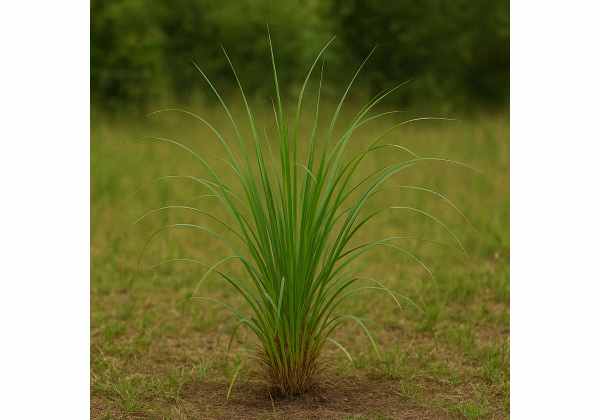
Vetiver, now commonly classified as Chrysopogon zizanioides and long known as Vetiveria zizanioides, is a perennial grass whose value lies mostly underground. Its dense, fibrous roots carry the plant’s signature scent and provide the raw material for vetiver oil, root infusions, cooling mats, fragrant sachets, and a range of traditional household uses. In everyday herbal terms, vetiver is a root herb with an aromatic identity rather than a leafy tea herb or culinary seasoning.
That distinction shapes how people use it. Many herbs are taken mainly by mouth in measured capsules, tinctures, or teas. Vetiver is different. It is more often used through smell, topical application, bathing, room fragrance, and occasional traditional decoctions. In South Asia, the root has long been associated with cooling, calming, and cleansing uses. Bundles of root have been placed in water, woven into screens, or used to scent living spaces. Traditional medicine systems have also described it for agitation, heat-related discomfort, mild skin complaints, and general refreshment.
In modern wellness culture, most people encounter vetiver as an essential oil. That oil has a thick texture, a dark amber to brown color, and a notably persistent aroma. It is prized in perfumery because it adds depth and longevity, but that same profile also explains its role in aromatherapy. Vetiver is usually described as grounding, settling, and emotionally steadying. Whether those words come from tradition or contemporary practice, they point toward the same general use: support for nervous tension rather than stimulation.
There is also a practical identity to vetiver that many herbal articles miss. This is a plant widely used outside medicine, including in soil conservation, erosion control, and fragrance production. That industrial and agricultural importance has helped preserve attention on the plant, which in turn has supported more chemical and biological research on the root oil.
The key point for readers is that vetiver is not a common “drink this every day” herb in the same way chamomile or peppermint might be. It is better understood as a specialized aromatic herb whose strongest modern uses are inhaled or topical. That places it closer in spirit to lavender as an aromatic calming herb than to kitchen spices used in large culinary amounts.
When people ask what vetiver is good for, the simplest answer is this: it is mainly a calming fragrant root, with additional laboratory evidence suggesting antioxidant, antimicrobial, and skin-relevant properties. The root matters, the oil matters even more, and the way you use it determines both its benefits and its risks.
Key compounds and medicinal properties
Vetiver’s medicinal reputation depends heavily on its chemical complexity. Unlike herbs best known for one headline compound, vetiver is a multi-constituent aromatic plant whose effects come from a dense network of sesquiterpenes and related volatile molecules. The root essential oil is the most studied form, and its composition can vary with geography, harvest age, extraction method, and storage.
Several compounds appear again and again in the vetiver literature. Among the best known are khusimol, vetiverol, alpha-vetivone, beta-vetivone, and related sesquiterpene alcohols and ketones. Some analyses also identify compounds such as valerenol, valerenal, and beta-cadinene, depending on the source and extraction process. This variation is important because it helps explain why one bottle of vetiver oil may smell softer, smokier, greener, or sweeter than another. It also means medicinal effects should never be described as uniform across all products.
From a practical health perspective, these compounds support several broad medicinal properties:
- Aromatic calming potential linked to traditional and modern use in stress-focused aromatherapy
- Antioxidant activity shown in chemical and cell-based studies
- Antimicrobial effects against certain bacteria and fungi in laboratory settings
- Anti-inflammatory potential suggested in preclinical research
- Skin-supportive interest in cosmetic and barrier-related research
- Possible analgesic and soothing actions explored mainly in nonclinical models
It helps to divide vetiver’s medicinal profile into two layers. The first layer is sensory. Vetiver has a heavy, earthy aroma that many people experience as steadying and settling. That sensory pathway matters because inhaled fragrance can influence mood, perceived tension, and bedtime rituals even when the biological mechanisms are only partly understood. The second layer is biochemical. Root extracts and essential oil fractions show measurable activity in laboratory studies that supports some of the traditional claims, especially around microbes, oxidation, and inflammation.
What vetiver does not have, at least not yet, is a large body of standardized human clinical evidence for multiple medical uses. That is why its “medicinal properties” should be framed carefully. The chemistry is promising, the laboratory data are meaningful, and the traditional uses are rich, but much of the health discussion still sits in the supportive or exploratory range.
Readers who are already familiar with sandalwood and other grounding aromatic woods will notice a similar pattern: the aroma is part of the therapeutic story, not just a cosmetic detail. With vetiver, the fragrance itself is often the first route of use, and the chemistry helps explain why the plant has remained important in both traditional medicine and modern aroma-based self-care.
The safest conclusion is that vetiver’s key ingredients justify genuine interest, but they support measured claims rather than exaggerated promises. This is a chemically rich root with real potential, especially in aromatic applications, but it is not a shortcut to treating serious disease.
Potential health benefits and what the evidence says
The most responsible way to discuss vetiver’s health benefits is to rank them by strength of evidence. Some uses are grounded in human aromatherapy research, some in traditional practice and preclinical data, and some remain mostly laboratory observations. Keeping those levels separate helps the article stay useful and honest.
The clearest modern benefit is stress-relief support through aromatherapy. Vetiver essential oil is widely used for calming routines, and recent human research suggests it may help improve sleep quality while lowering measures such as heart rate and blood pressure in some settings. That does not make vetiver a sleep drug or a treatment for hypertension, but it does support its reputation as a settling aroma. This is the strongest modern use case because it fits both traditional experience and emerging human evidence.
A second plausible benefit is support for sleep routines. Vetiver seems best suited to people whose sleep trouble is linked to restlessness, mental overactivity, or bedtime tension. It is less convincing as a stand-alone answer to chronic insomnia. In practice, the benefit may come from a combination of direct aromatic effect, ritual, and reduced evening stress.
A third area is antioxidant and anti-inflammatory potential. Laboratory studies of vetiver oil and extracts show activity consistent with tissue protection and inflammation modulation. These findings are useful for understanding the plant, but they should not be overstated. Most of this evidence is not yet clinical.
A fourth area is antimicrobial activity. Vetiver oil has shown inhibitory effects against certain bacteria and fungi in vitro. This is particularly interesting for cosmetic and topical contexts, where antimicrobial support may complement fragrance and skin use. But again, a laboratory effect is not the same thing as a proven internal treatment for infection.
A fifth area is skin support. Cosmetic research suggests vetiver-derived ingredients may help with skin comfort, balance, and barrier-related concerns. This does not mean raw essential oil should be applied directly to the skin. It means properly formulated products may have a place in skin care, especially when the focus is mature or stressed skin.
A few benefits deserve more caution in the wording. Claims around cancer, memory, or broad pain relief are supported mainly by preclinical work. They are scientifically interesting, but not strong enough for a reader-facing promise. The same is true for traditional internal uses that lack standardized human dosing.
A useful way to frame the evidence is:
- Most convincing: relaxation support and sleep-oriented aromatherapy
- Reasonably promising: topical antimicrobial and skin-supportive applications in formulated products
- Preclinical but interesting: antioxidant, anti-inflammatory, analgesic, and cognitive effects
- Not established: disease treatment claims or standardized oral therapeutic use
This makes vetiver comparable in some ways to valerian for calming and sleep-focused support, though the two are not interchangeable. Valerian is better known as an orally taken sleep herb, while vetiver is more strongly rooted in aromatic and topical practice.
The real value of vetiver lies in that narrower, more believable niche. It may help create a calmer nervous-system environment, support bedtime routines, and contribute antimicrobial or skin-related value in the right formulation. That is a meaningful set of benefits without turning the plant into something it is not.
Traditional and modern uses of vetiver
Vetiver has one of those rare plant profiles that bridges household tradition, sensory culture, and modern wellness. Historically, the root was not just a medicine. It was a cooling material, a water-scenting herb, a protective household fragrance, and a practical plant woven into everyday life. That wider role helps explain why vetiver’s uses feel different from the uses of more narrowly medicinal herbs.
Traditional uses often centered on the root itself. In hot climates, vetiver roots were steeped in water to create fragrant drinks or washes, placed in living spaces to freshen the air, and prepared in pastes or baths for comfort. In classical systems, vetiver was often described as cooling and soothing, which aligns with its long association with heat, irritability, and general bodily unease. The emphasis was not necessarily “strong medicine” in the modern pharmaceutical sense. It was support, balance, and relief.
Modern uses tend to fall into a few clear categories:
- Aromatherapy: diffusion, personal inhalation, or evening relaxation blends
- Perfumery and emotional grounding: included in blends meant to feel earthy, steady, and warm
- Skin care: added in low concentrations to creams, oils, soaps, and cosmetic formulations
- Bath and body use: diluted in bath oils or massage preparations
- Traditional root preparations: less common today, but still part of regional herbal practice
The shift from root herb to essential oil matters. Most wellness consumers now know vetiver through bottled oil rather than whole root. That makes usage easier, but also more concentrated. A traditional root soak and a modern undiluted oil application are not remotely the same exposure. Many safety issues arise when this difference is ignored.
Vetiver also appears in blended formulas because it works well with other calming aromas. It is often paired with lavender, frankincense, citrus blossoms, or soft floral notes to create a rounder scent profile. On its own, the aroma can feel too heavy for some people, but in blends it often becomes more approachable.
There is also a topical tradition that overlaps with other aromatic herbs used for skin care. In that sense, vetiver sits near tea tree for topical aromatic support, though the two plants behave very differently. Tea tree is sharper and more overtly antimicrobial in public understanding, while vetiver is subtler, warmer, and more fragrance-driven.
The best modern use cases are the ones that preserve the herb’s original strengths. Vetiver works well in routines that value atmosphere, calm, and skin comfort. It works less well when people expect a fast internal medical result from a product that was historically used through scent, water, or surface contact.
That is why the most successful vetiver use is usually simple: a drop or two in a diffuser before bed, a well-diluted massage blend, a carefully formulated skin product, or a gentle aromatic bath. These uses respect both tradition and the current evidence base.
How to use vetiver well
Using vetiver well means choosing the form that matches the goal. Because this herb is strongest as an aromatic root, the route of use matters more than many readers expect. A good vetiver routine is usually small, deliberate, and sensory rather than aggressive.
Diffusion and room aromatherapy
This is the simplest modern approach. Add a small amount of vetiver oil to a diffuser, especially in the evening. Many people prefer it blended rather than alone because the scent is dense and persistent. A useful bedtime blend might combine vetiver with softer oils such as lavender or frankincense. Keep sessions moderate rather than continuous.
Personal inhalation
A drop on a diffuser stick, inhaler, or cloth can be enough. This route suits people who want a low-dose calming aroma without filling the whole room. It can also work well before meditation, breathwork, or quiet reading.
Topical use
Vetiver essential oil should be diluted in a carrier oil before skin use. It is often added to massage oils, pulse-point blends, or body oils at low concentration. This route may be especially appealing when the goal is relaxation and muscle unwinding rather than skin treatment alone.
Bath use
Because essential oils do not disperse evenly in water, vetiver should first be mixed with a suitable dispersing base or pre-blended bath product rather than dropped straight into a tub. Used properly, it can contribute to a calming evening routine.
Whole-root traditional use
In some traditions, clean dried roots are infused or steeped in water. This remains a cultural and household use, but it is much less standardized than oil-based aromatherapy. If used this way, the source must be clean, intended for herbal use, and free from contamination.
What usually goes wrong
The most common mistakes are easy to avoid:
- using too much because the aroma seems gentle
- applying undiluted oil to skin
- treating fragrance use as equivalent to medical treatment
- taking oral products without clear formulation guidance
- using low-quality or adulterated oil
Vetiver is often paired well with frankincense in grounding aromatic blends when the goal is a more meditative or evening-focused effect. That said, blending should not become a way of piling on excess oil. Stronger is not better.
The best rule is to let vetiver do what it does naturally. It is a background herb, not a blunt instrument. It helps set the tone for calm, rest, and sensory steadiness. Small amounts are often enough.
Dosage, timing, and practical limits
Vetiver does not have a widely accepted standardized medicinal dose for routine oral use, and that shapes every practical recommendation. Most evidence and real-world use center on essential oil inhalation, diluted topical application, and occasional traditional root preparations. For readers looking for clear dosing, the safest advice is to think in terms of route, dilution, and frequency rather than chasing a single “correct” number.
For diffusion, a practical range is usually 1 to 3 drops in a home diffuser, often blended with other oils. This is enough for most people because vetiver is intense and persistent. More is not usually more effective. For bedtime use, starting at the low end is especially sensible.
For personal inhalation, 1 drop on an inhaler wick, diffuser stick, or cloth is often sufficient. This can be used for a few minutes at a time rather than continuously.
For topical use, vetiver should be diluted. A cautious general range is 0.5% to 1% in a carrier oil for leave-on body use. In practical terms, that means a low concentration in massage oils or body blends rather than a heavily scented formula. Sensitive skin may do better at the low end.
For bath and body products, follow the product’s own instructions if it is commercially prepared. Homemade bath use is where uneven dispersion and irritation often happen.
For whole-root use, there is no universally standardized modern medical dose. Traditional preparations vary widely, and many commercial vetiver products do not present the root in a consistent therapeutic-strength format. That is one reason the article should not pretend there is a clinically validated oral dose equivalent to the better-studied use of the oil in aromatherapy.
Timing is fairly straightforward:
- Use in the evening when the goal is unwinding or sleep support.
- Use before meditation, stretching, or restorative practices when the goal is emotional grounding.
- Use short topical sessions rather than repeated heavy application when testing tolerance.
Duration also matters. Vetiver fits best as an occasional or situational support herb. It is well suited to stressful periods, travel recovery, bedtime routines, or body-care rituals. It is not well suited to indefinite daily escalation.
A helpful comparison is with passionflower as a more direct calming herb for stress and sleep. Passionflower is often taken internally with more familiar dose ranges, while vetiver is best handled as an aromatic tool with flexible but modest use.
The practical limit is this: vetiver can support comfort, but it should not substitute for evaluation when anxiety, insomnia, skin disease, or other symptoms are persistent or severe. Its dose is modest because its role is modest. Used that way, it can be very effective.
Safety, side effects, and who should avoid it
Vetiver is often described as gentle, and in many cases that is true, especially when compared with sharper essential oils. Still, “gentle” does not mean risk-free. Most safety concerns involve the essential oil, the concentration used, and the person using it.
The most common issue is skin irritation. Even though vetiver is not among the most notorious irritating oils, any essential oil can cause trouble when applied undiluted or used too often. Patch testing a diluted preparation is a sensible step before broad topical use.
A second issue is fragrance sensitivity. Some people respond to strong aromas with headache, nausea, throat irritation, or a general sense of overload. Vetiver’s heavy, persistent smell can be pleasant to one person and oppressive to another. Diffusion should always be moderate and done in a ventilated area.
A third issue is inappropriate use in vulnerable groups. Pregnant or breastfeeding people should avoid casual medicinal use of vetiver oil unless advised by a qualified clinician. The same caution applies to infants and very young children, especially with inhaled essential oils and topical products. Even if an oil is not overtly toxic, the evidence base may simply be too thin for routine recommendation.
A fourth issue is oral use without proper guidance. Because vetiver lacks standardized oral dosing and is most commonly used aromatically, swallowing essential oil or improvised root preparations is not a sensible first-line practice.
People who should be especially cautious include:
- those with asthma or scent-triggered respiratory symptoms
- those with eczema or highly reactive skin
- pregnant or breastfeeding people
- infants and young children
- anyone taking a “more is better” approach to essential oils
Vetiver can also create false confidence because it smells calm. A pleasant aroma does not guarantee a product is pure, well-diluted, or suitable for internal use. Quality matters. Adulterated or poorly labeled oils increase the chance of irritation and confusion.
Medical care should take priority when symptoms point beyond self-care. Ongoing insomnia, severe anxiety, worsening skin reactions, unexplained palpitations, or recurrent headaches deserve proper evaluation rather than repeated aromatic masking.
The safest summary is that vetiver is best used externally and sparingly, with careful dilution and realistic expectations. Readers who already like aromatic herbs such as English lavender for calming routines will likely understand the principle: these herbs can support well-being, but they work best when used respectfully and within their natural limits.
References
- Pharmacological and Therapeutic Potential of Chrysopogon zizanioides (Vetiver): A Comprehensive Review of Its Medicinal Applications and Future Prospects 2025 (Review)
- Vetiver and Orange Blossom Aid in Lowering Blood Pressure and Heart Rate and Improving Sleep Quality 2025
- Antibacterial, Antiparasitic, and Cytotoxic Activities of Chemical Characterized Essential Oil of Chrysopogon zizanioides Roots 2022
- Chemical Composition, Antioxidant, and Antimicrobial Activities of Vetiveria zizanioides (L.) Nash Essential Oil Extracted by Carbon Dioxide Expanded Ethanol 2019
- Essential oils for clinical aromatherapy: A comprehensive review 2024 (Review)
Disclaimer
This article is for educational purposes only and is not a substitute for medical advice, diagnosis, or treatment. Vetiver may support relaxation, sleep routines, or topical wellness use, but it should not replace professional care for chronic insomnia, anxiety disorders, skin disease, high blood pressure, or any persistent health concern. Essential oils require careful dilution and are not appropriate for casual oral use.
If this article was useful, please share it on Facebook, X, or another platform you prefer.