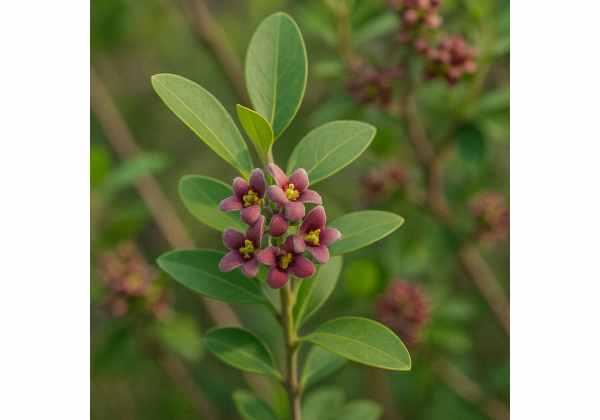
Sandalwood is one of the world’s most recognizable medicinal woods, valued as much for its calming fragrance as for its long place in traditional wellness systems. In this article, the focus is on Santalum album, often called East Indian sandalwood, the species most closely associated with classic sandalwood oil, fine aromatic wood, and traditional topical preparations. That detail matters because “sandalwood” can refer to several species, and the chemistry, aroma, quality, and therapeutic value are not identical across them.
What makes sandalwood interesting is not one dramatic claim, but a combination of strengths: a sesquiterpene-rich essential oil, traditional use for skin comfort and emotional grounding, and modern research suggesting anti-inflammatory, antimicrobial, and skin-supportive activity. At the same time, many popular claims about cognitive enhancement, deep detoxification, or broad internal healing go well beyond what current evidence can firmly support.
The most useful way to approach sandalwood is with precision. Used well, it can be a refined topical and aromatic remedy. Used carelessly, it can be overpriced, adulterated, or irritating. The sections below explain what sandalwood really is, how it works, where it may help, and how to use it safely.
Quick Overview
- Sandalwood oil is most plausibly useful for soothing irritated skin and supporting a calming aromatic routine.
- Its major compounds, especially alpha-santalol and beta-santalol, help explain its anti-inflammatory, antimicrobial, and relaxing profile.
- A cautious topical dilution for essential oil is often about 0.5 to 2%.
- Avoid oral self-dosing, and use extra caution if you are pregnant, breastfeeding, highly fragrance-sensitive, or prone to allergic contact dermatitis.
Table of Contents
- What sandalwood is and why the species matters
- Key ingredients and medicinal properties of sandalwood
- Potential health benefits and what the evidence actually supports
- Common uses for sandalwood oil, powder, and aromatic preparations
- How to choose sandalwood products and avoid low-quality oils
- Dosage, dilution, timing, and best practices
- Safety, side effects, and who should avoid sandalwood
What sandalwood is and why the species matters
Sandalwood is not a leafy tea herb in the usual sense. It is an aromatic heartwood obtained from trees in the Santalum genus, especially Santalum album. The part most closely linked with traditional medicine and perfumery is the mature inner wood and the essential oil distilled from it. The wood develops its prized aroma slowly over many years, which is one reason true sandalwood is expensive and often imitated.
That species detail matters more than most buyers realize. A bottle labeled only “sandalwood oil” may contain genuine Santalum album, a different sandalwood species such as Santalum spicatum, a synthetic fragrance blend, or an oil heavily diluted with cheaper materials. Those products do not smell the same, and they should not be expected to act the same on skin or in aromatherapy.
Traditional systems such as Ayurveda, Unani medicine, and regional Asian healing practices have long used sandalwood for heat, irritation, inflammatory skin discomfort, emotional agitation, and ceremonial or meditative calm. In these contexts, sandalwood was often prepared as a paste, infused aromatic material, powdered wood, or fragrant oil. Modern consumers, by contrast, are more likely to encounter it as an essential oil, cosmetic ingredient, incense, perfume note, or luxury skin-care component.
It also helps to distinguish the main forms:
- Essential oil, usually steam-distilled from the heartwood, is the most concentrated and commercially important form.
- Wood powder or paste is used more traditionally, especially for topical and ritual applications.
- Finished creams, serums, or balms often contain sandalwood oil as one ingredient among many.
- Incense and perfumery uses emphasize scent and atmosphere more than direct medicinal action.
Another practical issue is sustainability. True Santalum album is slow-growing and has been heavily exploited. High price and limited supply have encouraged adulteration, substitution, and vague labeling. That makes sandalwood one of those botanicals where authenticity is not a luxury detail. It is central to quality, safety, and value.
So what is sandalwood, in practical terms? It is a chemically active aromatic wood best understood as a topical and inhaled botanical rather than a casual internal supplement. It belongs in the same broad conversation as other fragrant plant materials used for mind-body rituals and skin care, but it deserves more scrutiny than trend-driven marketing usually gives it.
Key ingredients and medicinal properties of sandalwood
The therapeutic reputation of sandalwood comes mainly from its essential oil chemistry. The most important constituents are alpha-santalol and beta-santalol, two sesquiterpene alcohols that define both the classic scent and many of the plant’s most studied biological effects. In high-quality Santalum album oil, these compounds make up a large share of the volatile profile and are often treated as practical markers of authenticity.
Alongside them are related sesquiterpenes and sesquiterpene alcohols, including santalenes, bergamotol-type compounds, and other aromatic fractions that shape the oil’s scent, skin feel, and biologic behavior. The wood itself also contains non-volatile compounds, but in modern wellness use the essential oil receives most of the attention because it is the form most commonly standardized, sold, and studied.
These ingredients help explain sandalwood’s main medicinal properties:
- Anti-inflammatory activity
- Antimicrobial activity
- Mild antiproliferative and tissue-regulating effects
- Aromatic calming and anxiolytic-like effects
- Skin-soothing and cosmetic support
- Potential antioxidant action
The anti-inflammatory profile is especially important. Sandalwood oil has shown the ability in preclinical work to calm inflammatory signaling and reduce irritation-related pathways. This helps explain why it appears in products aimed at reactive skin, post-shave discomfort, and some inflammatory dermatoses. It is not a replacement for prescription dermatology care, but it does have a plausible and increasingly studied role as a supportive topical ingredient.
Its antimicrobial properties are also relevant. Sandalwood oil has demonstrated activity against certain bacteria and fungi in laboratory settings. This does not mean it should be treated as a stand-alone infection therapy, but it does help explain its traditional use in skin and hygiene contexts. For readers comparing aromatic skin-supportive botanicals, this places sandalwood in the same broader category as tea tree for blemish-prone and antimicrobial skin care, though the two oils are quite different in smell, strength, and tolerability.
The calming side of sandalwood is harder to quantify but still meaningful. The aroma has been associated traditionally with grounding, reduced restlessness, and meditative focus. Some modern work suggests that alpha-santalol-rich preparations may influence stress and nervous-system signaling, but the evidence is stronger for “plausible calming support” than for bold claims about memory enhancement or cognitive treatment.
This is the right way to think about sandalwood’s medicinal properties: it is a chemically rich aromatic oil with credible topical and sensory effects, and a more limited but interesting body of research around relaxation and nervous-system support. Its strongest modern identity is still as a skin and aromatherapy botanical, not as a proven internal cure-all.
Potential health benefits and what the evidence actually supports
Sandalwood is often marketed as if it supports everything from deep sleep and flawless skin to immunity and cellular renewal. A more disciplined review gives a clearer picture: some benefit areas are plausible and reasonably supported, while others remain mostly traditional or experimental.
The best-supported modern use is topical skin support. Sandalwood oil and sandalwood-containing formulations have shown promise in dermatology-oriented research, especially around inflammatory skin discomfort, acne-related redness, and selected minor skin conditions. Reviews describe anti-inflammatory, anti-infective, and tissue-regulating properties that make sandalwood worth considering as a supportive cosmetic or adjunctive dermatologic ingredient. That does not make it a first-line treatment for psoriasis, eczema flares, or infected lesions, but it does justify careful interest.
A second plausible benefit is calming aromatic support. This is where sandalwood’s long cultural history and modern aromatherapy overlap. Many people use the scent to create a quieter mental state, especially in meditation, breath work, winding-down routines, or massage. The evidence is not as strong or uniform as it is for well-studied relaxation botanicals such as English lavender for stress relief and sleep support, but sandalwood has a credible place in aromatic routines aimed at reducing tension and promoting steadiness rather than sedation.
A third area is antimicrobial and cleansing support, especially in topical or hygiene formulations. Sandalwood’s laboratory antimicrobial activity helps explain why it appears in products for blemish-prone skin, minor irritation, and skin-balancing blends. The important limit is that in vitro activity is not the same thing as a proven home treatment for fungal infections, infected wounds, or chronic skin disease.
There is also interest in anti-inflammatory and antiproliferative effects relevant to skin turnover and specialized dermatology applications. Some formulations containing sandalwood oil have been studied for conditions involving excessive irritation or abnormal skin growth. These signals are promising, but they belong to a more specialized medical context than the average home user needs.
Where the evidence is weaker is just as important:
- strong claims about oral systemic healing,
- reliable treatment of anxiety disorders,
- meaningful cognitive enhancement,
- broad detoxification claims,
- and sweeping cancer-prevention promises.
Those topics do appear in mechanistic or early-stage discussions, but they go beyond what sandalwood has firmly earned in everyday practice.
So the most honest benefit profile is this: sandalwood may help support calmer routines, better-tolerated skin care, and selective topical comfort. It may also have interesting research potential beyond those uses. But it is most impressive when used in a focused, realistic way rather than as a mystical answer to every kind of imbalance.
Common uses for sandalwood oil, powder, and aromatic preparations
Sandalwood is used in three main lanes: aromatherapy, topical skin care, and traditional ritual or paste-based applications. Each lane has its own strengths, and problems usually begin when people treat these forms as interchangeable.
1. Aromatherapy and diffusion
This is the most familiar use for many people. A few drops of sandalwood essential oil in a diffuser, inhalation blend, or pre-meditation routine can create a warm, grounded atmosphere. The goal here is usually emotional tone rather than direct medical treatment. Many people find sandalwood gentler and less obviously floral than lavender, which can make it appealing for quiet evening rituals or contemplative practices.
2. Topical use in diluted oil or finished products
Sandalwood appears in facial oils, serums, shaving products, after-sun blends, and products aimed at inflamed or blemish-prone skin. Here its anti-inflammatory and aromatic properties work together. It tends to feel more elegant than harsh, which is one reason it is favored in premium skin care. Still, it should not be applied neat to large areas of skin.
3. Traditional wood paste or powder
In traditional settings, sandalwood powder may be mixed with water, rose water, or another medium to form a paste used on the forehead, face, or localized areas of irritation. This use is culturally significant and often gentler than concentrated essential oil use. It also avoids some of the intensity that comes with volatile oils.
4. Massage and body oils
Sandalwood blends well with carrier oils and other relaxing aromatics. In massage, it is valued less for dramatic pain relief and more for atmosphere, softness, and sensory calm. That makes it complementary rather than strongly analgesic.
5. Fragrance and ritual use
Incense, sacred space rituals, and contemplative routines are major parts of sandalwood’s identity. These are not trivial or purely cosmetic uses. They are part of how sandalwood has historically functioned as a mind-body botanical.
For skin-focused readers, sandalwood is often used alongside more astringent or cleansing ingredients. In that role, it is less sharp than witch hazel for topical astringent support and often better suited to dry, reactive, or elegance-driven formulations.
One important limitation deserves emphasis: oral self-use is not where sandalwood is strongest today. There may be traditional internal uses and food-industry flavoring applications, but sandalwood is not best approached as a casual ingestible herb. Its modern sweet spot is external and aromatic use, where quality, scent, and skin response can be judged more directly and safely.
How to choose sandalwood products and avoid low-quality oils
Buying sandalwood well requires more skepticism than buying many other botanicals. It is expensive, frequently substituted, and often sold under vague names that sound elegant but reveal almost nothing useful.
Start with the label. A good product should clearly state:
- Santalum album as the botanical name,
- the form of the product,
- the country of origin if available,
- whether the oil is pure or pre-diluted,
- and the bottle size in a way that matches the price realistically.
If a product simply says “sandalwood fragrance oil,” that is not the same thing as sandalwood essential oil. If it says “sandalwood blend,” it may contain only a small amount of the genuine material. If the price is suspiciously low, that is another red flag. True Santalum album is rarely bargain-priced.
It also helps to know what you want before you buy:
- For aromatic use, choose a genuine essential oil or a reputable pre-diluted roller blend.
- For skin use, a professionally formulated cream, serum, or diluted oil may be easier and safer than starting with the pure essential oil.
- For traditional paste-style use, choose pure powder from a reputable supplier rather than highly perfumed cosmetic mixes.
Carrier choice matters too. Sandalwood works especially well in stable, skin-friendly bases. If you want to make a simple diluted facial or body blend, jojoba for skin barrier support and lightweight blending is often a good match because it is relatively stable, light, and well tolerated.
Common buying mistakes include:
- assuming all sandalwood species are interchangeable,
- buying fragrance oil and expecting therapeutic results,
- applying undiluted oil directly to the face,
- using sandalwood mainly because it is luxurious rather than appropriate,
- and paying premium prices for products that do not identify the species clearly.
Storage also matters. Essential oil should be kept tightly closed, away from direct light and heat. Good sandalwood oil is more stable than many citrus oils, but stability does not mean neglect-proof. A poorly stored luxury oil is still a poorly stored oil.
The best general rule is simple: buy less, but buy better. Sandalwood rewards careful sourcing more than high-volume use. One small, authentic bottle or one well-made topical product is usually more valuable than several cheap, unclear alternatives that smell pleasant but deliver little of what real sandalwood is known for.
Dosage, dilution, timing, and best practices
Sandalwood does not have a single standardized “medicinal dose” in the way some oral supplements do. The most practical guidance is based on form, especially whether you are using it in a diffuser, in a topical blend, or as part of a commercial skin-care product.
For aromatic diffusion, a modest range is usually enough. In many home diffusers, 1 to 4 drops is a practical starting amount, especially when sandalwood is used alone or in a nighttime blend. Because the scent is rich and persistent, more is not always better. If you are blending it with other oils, keep sandalwood as a supporting or anchoring note rather than flooding the diffuser.
For topical dilution, a cautious adult range is often 0.5 to 2%. In practical terms, that means keeping it fairly dilute, especially for facial skin, neck skin, or areas that are already inflamed. For leave-on facial use, many people stay closer to the lower end. For body oils or massage blends, the upper end may be more appropriate if the skin is healthy and patch testing has gone well.
A useful real-world approach is:
- Start with the lowest dilution.
- Patch test first.
- Use it once daily or a few times weekly before increasing frequency.
- Reassess if there is burning, itch, or worsening redness.
For finished skin-care products, follow the label rather than trying to reverse-engineer the concentration. A properly made cream or serum is often easier to tolerate than a home blend.
For traditional powder or paste use, there is less standard modern dosing. These applications are usually small-area, external, and episodic rather than numerically standardized. The safest approach is to use a small amount in a paste, observe the skin, and avoid leaving it on irritated or broken skin for prolonged periods without guidance.
Timing depends on the goal. For relaxation rituals, evening use makes the most sense. For meditation, quiet work, or prayer, pre-practice use is common. For skin support, consistency matters more than time of day. A small, regular application usually works better than overly strong, sporadic use.
Where dosage guidance becomes much more uncertain is oral use. Sandalwood is not a self-dosing internal botanical for most people, and it is better not to improvise with capsules, essential oil ingestion, or “therapeutic” drops taken by mouth. If your main goal is a calming tea-like ritual, a gentler herb such as chamomile for sleep and digestive calm is usually easier to use and far more familiar as an internal remedy.
Safety, side effects, and who should avoid sandalwood
Sandalwood has a relatively favorable reputation when used externally and appropriately diluted, but “relatively favorable” is not the same as risk-free. The most likely problems are skin irritation, allergic contact dermatitis, and poor product choice.
Possible side effects include:
- skin redness,
- itching,
- rash,
- burning or stinging after topical use,
- headache or scent sensitivity in fragranced spaces,
- and, less commonly, nausea or discomfort if the aroma is too strong.
The main risk groups are fairly predictable. Use extra caution or avoid unsupervised use if you are:
- pregnant or breastfeeding,
- highly fragrance-sensitive,
- prone to eczema or contact allergy,
- using it on infants or very young children,
- planning to apply it on broken or severely inflamed skin,
- or considering oral use without professional guidance.
People with a history of reacting to perfumes, essential oils, or fragranced cosmetics should patch test carefully before using sandalwood blends. This matters even though sandalwood itself is often marketed as soothing. Something can be soothing in theory and still be sensitizing for a specific person.
Quality-related safety is another overlooked issue. Adulterated oils may contain undisclosed fragrance compounds, cheaper substitute woods, or other materials that change tolerability. That means a bad reaction is not always a reaction to authentic sandalwood alone.
A few safety principles make sandalwood much easier to use well:
- Do not apply neat essential oil broadly to the skin.
- Do not ingest sandalwood essential oil casually.
- Avoid heavy diffusion in small, poorly ventilated rooms.
- Keep it away from eyes and mucous membranes.
- Stop use if a rash or burning sensation develops.
- Seek care if swelling, wheezing, or widespread dermatitis appears.
There is less evidence of major drug interactions than with some internally used herbs, but that should not be confused with proof of safety for ingestion. Topical and aromatic use are the most defensible routes for general consumers.
In practical terms, sandalwood is safest when treated as a diluted external and sensory botanical, not as an all-purpose internal medicine. Used that way, it can be elegant, well tolerated, and genuinely useful. Used more aggressively, it becomes easier to irritate the skin, waste money, or lean on claims the science does not yet justify.
References
- Santali Albi Lignum: From traditional efficacies to pharmacological properties and modern therapeutic applications 2025 (Systematic Review)
- Biological Properties of Sandalwood Oil and Microbial Synthesis of Its Major Sesquiterpenoids 2024 (Review)
- The Assessment of Quality of Products Called Sandalwood Oil Based on the Information Provided by Manufacturer of the Oil on Polish, German, and English Websites 2021 (Review)
- Sandalwood Album Oil as a Botanical Therapeutic in Dermatology 2017 (Review)
- Safety assessment of sandalwood oil (Santalum album L.) 2008 (Safety Review)
Disclaimer
This article is for educational purposes only and is not a diagnosis, treatment plan, or substitute for professional medical care. Sandalwood can cause irritation or allergic contact dermatitis, and the safety profile depends heavily on the species, product quality, route of use, and dilution. Essential oils should not be used internally without qualified supervision. If you are pregnant, breastfeeding, have asthma triggered by fragrances, have highly reactive skin, or are treating an active skin condition, speak with a qualified healthcare professional before using sandalwood medicinally.
If you found this article helpful, please share it on Facebook, X, or your preferred platform to help others find clear, evidence-aware herbal guidance.