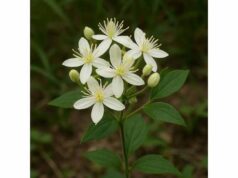
Vial Orchid, listed here as Vanilla × tahitensis, is better known in practice as Tahitian vanilla, a fragrant orchid grown mainly for its richly aromatic cured pods. Unlike harsher or flatter vanilla profiles, Tahitian vanilla is prized for its floral, fruity, and softly anise-like notes, which come from a distinctive mix of aromatic compounds rather than vanillin alone. That chemistry has led to growing interest not only in culinary use, but also in possible wellness applications tied to antioxidant activity, soothing sensory effects, and skin-friendly properties.
Still, it helps to approach this plant with realistic expectations. Tahitian vanilla is not a proven medicinal herb in the same way some therapeutic botanicals are. Most health-related evidence comes from research on vanilla compounds such as vanillin and vanillic acid, along with broader vanilla extracts, not from large human trials focused specifically on Vanilla × tahitensis. Even so, its traditional appeal, aromatic complexity, and promising lab research make it worth understanding carefully. The most useful view is balanced: appreciated as a culinary and aromatic botanical first, and considered a possible supportive wellness ingredient second.
Key Insights
- Tahitian vanilla may offer mild antioxidant support through vanillin, vanillic acid, and related phenolic compounds.
- Its aroma is often described as calming, warm, and comforting, which may support relaxation in everyday use.
- A practical culinary range is about 0.5 to 4 mL of extract, or 0.25 to 1 teaspoon, depending on the recipe and concentration.
- People with fragrance allergies or sensitivity to alcohol-based extracts should avoid concentrated preparations.
- There is no established therapeutic dosage for Vanilla × tahitensis as a medical treatment.
Table of Contents
- What Vial Orchid is and what makes it distinct
- Key ingredients and active compounds
- Vial Orchid health benefits and what the evidence really shows
- Medicinal properties and how it may work
- Common uses in food, wellness, and personal care
- Dosage, preparation, and practical use
- Safety, side effects, and who should avoid it
What Vial Orchid is and what makes it distinct
Vanilla × tahitensis belongs to the orchid family and is one of the commercially important vanilla types used in premium foods, fragrance, and specialty extracts. In trade and culinary settings, it is usually called Tahitian vanilla. Botanically, it is often described as a hybrid vanilla type rather than a simple stand-alone species, which helps explain why its aroma differs so clearly from the more familiar Bourbon or Madagascar vanilla associated with Vanilla planifolia. Where common vanilla often leans strongly toward classic vanillin sweetness, Tahitian vanilla is known for a more layered profile that can suggest flowers, ripe fruit, heliotrope, cherry, and gentle spice.
That distinction matters because people often assume “vanilla” is a single ingredient with a single chemistry. It is not. Tahitian vanilla contains vanillin, but it also carries a richer mix of anisyl and related aromatic compounds that shift both its scent and its practical use. In food, that means it can shine in chilled desserts, fruit preparations, syrups, custards, and fine pastry where its softer floral character stays noticeable. In wellness or cosmetic contexts, it means the experience is often less about strong medicinal action and more about sensory quality, antioxidant potential, and mild supportive effects.
Historically, vanilla has held a place not only in flavoring but also in older herbal and pharmacopeial traditions. Much of that older use was broad and experience-based rather than clinically tested. Modern interest tends to focus on three areas: antioxidant activity, neuroprotective or anti-inflammatory potential of vanilla compounds, and the soothing emotional effect of vanilla aroma. That does not automatically turn Tahitian vanilla into a treatment for disease. It does, however, explain why it keeps appearing in discussions of functional foods and plant-based self-care.
One practical point is worth stressing early: most people encounter Tahitian vanilla as an extract, paste, bean, or flavor ingredient, not as a standardized supplement. This changes the conversation around dosage and benefit. Unlike herbs commonly sold in capsules with a target mg amount, vanilla is usually used in small culinary quantities, and its wellness effects are generally subtler. If someone is looking for a stronger digestive spice profile, something like cardamom for digestive and aromatic support is often more directly medicinal in use than Tahitian vanilla.
In short, Vial Orchid is best understood as a premium aromatic botanical with promising bioactive chemistry, not as a high-potency medicinal herb. That perspective helps keep its benefits in proportion and makes the rest of the discussion clearer.
Key ingredients and active compounds
The chemistry of Vanilla × tahitensis is the main reason it stands apart from other vanilla types. Its best-known compound is vanillin, the molecule most people associate with vanilla flavor and aroma. Vanillin has been studied for antioxidant, anti-inflammatory, and neuroprotective effects in cell and animal models, and it is one of the core reasons vanilla is discussed beyond the kitchen. But Tahitian vanilla is not just vanillin.
Compared with Vanilla planifolia, Tahitian vanilla contains a more distinctive balance of aromatic molecules, especially anisyl compounds. These include anisyl alcohol, anisaldehyde, and related substances that contribute floral, sweet, and lightly anise-like notes. That is why Tahitian vanilla often smells softer and more perfumed than standard baking vanilla. Chemical profiling studies have also highlighted vanillic acid, p-hydroxybenzyl derivatives, and smaller amounts of other phenolic compounds that may contribute antioxidant behavior.
From a functional point of view, the most relevant groups are:
- Vanillin, which is the major flavor compound and the best-studied wellness-related constituent
- Vanillic acid, a phenolic acid with antioxidant and anti-inflammatory interest
- Anisyl compounds, which shape the aroma and sensory identity of Tahitian vanilla
- Minor phenolics and aromatic alcohols, which may support the broader antioxidant profile
This matters because whole-plant value is often broader than one isolated compound. A vanilla bean extract may behave somewhat differently from purified vanillin because aroma, flavor perception, and even user experience depend on the full matrix. That does not prove stronger medical benefit, but it does support the idea that natural vanilla products can offer a more complex effect than synthetic vanilla flavor alone.
It is also important to separate cured natural vanilla from imitation vanilla. Pure vanillin, whether natural or synthetic, can reproduce a large part of the familiar taste, but it does not fully replicate the diverse aromatic chemistry of Tahitian vanilla. For people using vanilla as a sensory wellness ingredient, that difference is meaningful. The calming impression of natural vanilla often depends on the complete aroma profile, not just sweetness.
Another practical detail is that ingredient composition varies with origin, curing, extraction method, and product quality. A whole bean, an alcohol extract, a glycerin-based flavoring, and a vanilla paste will not have the same concentration or balance of active compounds. In other words, “vanilla” on a label tells you much less than many shoppers assume.
This broader chemistry is one reason Tahitian vanilla is more comparable to aromatic botanicals like cinnamon and its active aromatic compounds than to a typical single-target supplement. Both are valued for flavor first, but their chemistry opens the door to wider health questions. With Tahitian vanilla, the evidence remains early, but the compound profile is genuinely interesting.
Vial Orchid health benefits and what the evidence really shows
The strongest article on this plant should not promise more than the evidence supports. For Vanilla × tahitensis, the health discussion is promising but modest. There are few direct human clinical trials on Tahitian vanilla itself. Most of the supportive science comes from research on vanilla extracts more generally, and especially on vanillin and vanillic acid. That means the likely benefits are plausible, but the certainty is limited.
The most defensible potential benefit is antioxidant support. Vanilla compounds can help neutralize reactive oxygen species in laboratory settings, and this has made vanillin a frequent subject in research on oxidative stress. Oxidative stress is linked with aging, inflammation, and tissue damage, so this line of evidence is meaningful. Even so, it is still a large leap from test-tube antioxidant activity to major real-world health outcomes in humans.
A second likely benefit is mild anti-inflammatory support. Experimental research suggests that vanillin and related compounds may influence inflammatory signaling pathways and reduce markers associated with inflammatory stress. This may partly explain why vanilla-derived compounds keep appearing in discussions of metabolic health, neurologic protection, and tissue resilience. Still, it is better to describe this as a possible supportive property, not a clinically proven anti-inflammatory treatment.
A third area is emotional and sensory comfort. Vanilla aroma has long been associated with warmth, familiarity, and relaxation. This effect is difficult to measure in the same way drug outcomes are measured, but it is one of the most consistent reasons people use natural vanilla in wellness settings. Inhaling or tasting aromatic botanicals can shape mood indirectly through sensory pathways, memory, and expectation. That does not make vanilla a formal anxiolytic, but it may make it genuinely helpful in calming routines.
Some preclinical research also points to neuroprotective, antimicrobial, and metabolic benefits. These ideas are interesting, especially for vanillin, but they remain early-stage. For now, it would be too strong to say Tahitian vanilla treats cognitive decline, blood sugar problems, or infection. A more responsible framing is that its core compounds are being studied for these properties.
The realistic benefit profile looks like this:
- probable antioxidant support
- possible mild anti-inflammatory support
- meaningful sensory and mood-comfort value
- early but unconfirmed interest for neurologic and metabolic health
This is why Tahitian vanilla works best when seen as a supportive botanical in foods, self-care, and aromatic rituals rather than a replacement for medical treatment. Readers looking for broader plant antioxidants might compare it with rooibos for daily antioxidant support, which is more often consumed in beverage-style amounts. Tahitian vanilla is usually used in smaller amounts, so its effect is often gentler and more experience-driven than dose-driven.
Medicinal properties and how it may work
When people talk about the medicinal properties of Tahitian vanilla, they usually mean the biologic actions of its best-known compounds. The key mechanisms are not fully proven in humans, but they are coherent enough to describe carefully.
The first is antioxidant activity. Vanillin and related phenolics can help scavenge free radicals and may support the body’s own antioxidant defenses in experimental models. This matters because oxidative damage contributes to chronic inflammation, vascular stress, and age-related tissue injury. In practical terms, this is one reason vanilla compounds are sometimes described as protective rather than merely flavorful.
The second is anti-inflammatory signaling. Several laboratory and animal studies suggest that vanillin can influence pathways linked with inflammatory mediators. That does not mean a spoonful of vanilla extract acts like an anti-inflammatory drug. It means the compound has a biologically active profile that may partly explain its relevance in functional-food research.
The third is neuroprotective interest. Vanillin has been reviewed in relation to redox balance, neuroinflammation, and degeneration-related pathways. Much of this work is still preclinical, but it suggests the compound may help protect nerve tissue under experimental stress conditions. This does not justify using Tahitian vanilla as a treatment for neurologic disease, though it does support continued research.
The fourth is aromatic and sensory modulation. Smell is not trivial. Scent strongly affects memory, stress perception, appetite, and the experience of comfort. Tahitian vanilla’s characteristic floral-anise profile may shape mood and relaxation in a way that is subtle but meaningful. This is a “whole experience” mechanism rather than a classic pharmacologic one. It is especially relevant in bedtime drinks, calming rituals, body oils, and fragrance blends.
There may also be mild antimicrobial and preservative-related effects in some vanilla extracts, though these are highly dependent on concentration and formulation. A culinary or cosmetic product containing vanilla is not the same thing as a medicinal antimicrobial preparation.
For a simple working model, Tahitian vanilla may act through four overlapping routes:
- direct phenolic antioxidant action
- modulation of inflammatory stress pathways
- sensory and aroma-based calming effects
- minor supportive effects from its broader aromatic matrix
That combination makes it appealing, but it also explains why the evidence can feel diffuse. Tahitian vanilla does not target one dramatic clinical endpoint. It sits in a softer category of plant ingredients that contribute sensory pleasure and modest biologic support together. In that respect, it resembles lavender as an aromatic wellness herb, where the lived effect often comes from both chemistry and scent experience rather than from one simple medical action.
This is a useful place to draw a boundary: Tahitian vanilla has medicinally interesting properties, but most people should think of it as a culinary and aromatic botanical with supportive potential, not a treatment-grade herb.
Common uses in food, wellness, and personal care
The most established use of Vanilla × tahitensis is culinary. Tahitian vanilla is especially valued in recipes where its fragrance stays exposed rather than hidden under baking heat. It pairs well with dairy, coconut, stone fruit, berries, custards, syrups, whipped cream, panna cotta, ice cream, and delicate pastries. In these settings, the goal is not medicine. It is flavor, aroma, and pleasure, with any wellness benefit acting quietly in the background.
In beverages, Tahitian vanilla is often used in coffee drinks, hot milk, herbal blends, mocktails, and smoothies. Because its profile is lighter and more floral than standard vanilla, it can work well in recipes where a heavy dessert-like taste would feel too dense. It is particularly useful in calming evening drinks, although the benefit there comes more from the overall soothing ritual than from a strong measurable pharmacologic effect.
In wellness products, Tahitian vanilla appears in tincture-like extracts, infused syrups, aromatic oils, body products, and candles. Here, the plant’s role is often emotional and sensory: warmth, comfort, softness, and familiarity. Some people also use vanilla in massage oils or skin products because it pairs well with emollient bases and can make daily care feel more restorative. Skin benefit claims should stay modest, however. Vanilla fragrance may enhance the user experience, and vanilla compounds may have some antioxidant relevance, but it is not a primary treatment for acne, eczema, or wound healing.
In fragrance, Tahitian vanilla is often chosen when a perfumer wants a more nuanced vanilla note. Its softer floral and anisic character makes it different from blunt sweet vanilla accords. This has nothing to do with dosage in the supplement sense, but it does matter if someone is seeking the plant for aromatherapeutic reasons.
Whole beans, paste, alcohol extracts, and glycerin-based products each serve different purposes:
- whole beans work well for slow infusions and premium desserts
- paste offers visible specks and convenience
- alcohol extracts are versatile for baking and drinks
- glycerin preparations suit those avoiding alcohol
For people interested in broader aromatic culinary botanicals, Tahitian vanilla can pair naturally with rosemary in antioxidant-focused food traditions, though their sensory roles are very different. Rosemary is sharper and more overtly herbal, while Tahitian vanilla is softer and more comforting.
The best use of Tahitian vanilla usually depends on intent. If the goal is flavor, choose a high-quality bean or extract. If the goal is gentle mood comfort, look for a natural preparation with a rich aroma. If the goal is a medical outcome, expectations should be much more restrained, because this is not where the strongest evidence lies.
Dosage, preparation, and practical use
One of the most important things to say clearly is that there is no established therapeutic dosage for Vanilla × tahitensis as a medicinal herb. Unlike supplements standardized to one active compound, Tahitian vanilla is most often used as a food ingredient or aromatic preparation. That means dosage is usually practical and culinary, not clinical.
For vanilla extract in recipes and drinks, a common range is about 0.5 to 4 mL, which is roughly 0.25 to 1 teaspoon, depending on the recipe size and the strength of the extract. Smaller amounts suit yogurt, tea, coffee, or fruit compotes. Larger amounts are more common in cakes, custards, and batch recipes. Whole beans are often split and infused, with one bean enough for a moderate batch of cream, syrup, or dessert base.
If you are using Tahitian vanilla mainly for sensory comfort, lower amounts usually work well. The plant’s aroma is part of its value, so more is not always better. A light addition to warm milk, oatmeal, or herbal tea may create a more pleasant and calming effect than an overly sweet or heavily flavored preparation.
A practical way to use it is:
- Choose a natural extract, paste, or bean rather than imitation vanilla.
- Start with a small culinary amount.
- Use it in foods or drinks where the aroma remains noticeable.
- Observe whether it adds comfort, appetite appeal, or relaxation.
- Increase gradually only for flavor, not because you expect a stronger medical result.
For glycerin extracts or alcohol-free flavorings, follow the label because concentration can vary. For fragrance or topical products, use only formulas intended for skin use, not culinary extracts. Alcohol-based food extracts can irritate skin and are not designed as direct topical products.
A useful caution is that wellness discussions sometimes confuse vanilla flavoring with concentrated vanilla chemistry. Most people consume vanilla in very small amounts, and that is appropriate. Even safety authorities discussing vanillin focus on flavoring-level exposure rather than medical dosing. If someone is seeking a stronger antioxidant or anti-inflammatory intervention, a dedicated botanical or nutrient will usually be easier to dose meaningfully.
This is why Tahitian vanilla fits best into a “supportive ingredient” model:
- use small amounts consistently
- prioritize quality over quantity
- treat it as part of a pattern, not a cure
- do not invent a supplement-style dose where none is established
That mindset keeps the plant in its proper lane and makes its strengths more enjoyable.
Safety, side effects, and who should avoid it
In normal food use, Tahitian vanilla is generally considered low risk. The main safety concern is not the plant itself in ordinary culinary amounts, but the form, concentration, and individual sensitivity. Vanilla compounds such as vanillin have long been used as flavoring agents, and international safety bodies have evaluated vanillin as acceptable at typical intake levels used in food flavoring. That said, “low risk” does not mean “risk free.”
The most common problems are mild and practical. Some people react to alcohol-based extracts, especially if they take them straight or use them in very concentrated amounts. Others may be sensitive to fragrance ingredients and develop irritation, headaches, or nausea from strongly scented products. In personal care formulas, vanilla-related fragrance components can sometimes irritate sensitive skin, especially when combined with other scented ingredients.
Possible side effects or issues include:
- contact irritation from fragranced products
- digestive discomfort if very concentrated extract is consumed in excess
- headache or scent sensitivity in fragrance-sensitive individuals
- unwanted sugar exposure when using sweetened vanilla syrups or pastes
- alcohol exposure from standard vanilla extract
People who should use more caution include:
- anyone with fragrance allergy or known perfume sensitivity
- people with very reactive skin
- children, if using alcohol-based extract outside ordinary cooking
- those avoiding alcohol for medical, religious, or personal reasons
- anyone trying to self-treat a health condition with concentrated vanilla products
Pregnancy and breastfeeding are different from disease treatment questions. Ordinary culinary use is generally considered acceptable, but there is not enough specific evidence to recommend concentrated vanilla preparations as therapeutic products in these periods. A food amount is one thing; medicinal-style self-dosing is another.
A separate issue is quality and labeling. Pure vanilla extract, vanilla flavoring, imitation vanilla, and vanilla-scented products are not interchangeable. In the United States, vanilla extract has a legal standard of identity, but lower-cost products may still differ widely in quality, sweetness, alcohol content, and aromatic complexity. Choosing a reputable product reduces confusion and makes it easier to judge tolerance.
If you want the simplest safety rule, it is this: use Tahitian vanilla as a food and aroma ingredient unless a qualified professional gives you a stronger reason to do otherwise. If your aim is sleep support, mood support, or inflammation control, more direct options such as melatonin for sleep timing or other targeted therapies may make more sense depending on the goal. Tahitian vanilla can be a beautiful supporting ingredient, but it is not a substitute for evidence-based treatment.
References
- Vanilla beyond Vanilla planifolia and Vanilla × tahitensis: Taxonomy and Historical Notes, Reproductive Biology, and Metabolites 2022 (Review)
- Volatile composition and sensory properties of Vanilla × tahitensis bring new insights for vanilla quality control 2016 (Comparative Study)
- Vanillin: a review on the therapeutic prospects of a popular flavouring molecule 2021 (Review)
- Overview of the Role of Vanillin in Neurodegenerative Diseases and Neuropathophysiological Conditions 2023 (Review)
- VANILLIN 2019 (WHO Safety Evaluation)
Disclaimer
This article is for educational purposes only and is not medical advice. Vial Orchid, or Vanilla × tahitensis, is primarily a culinary and aromatic plant, and there is no established medical dosage for treating disease. Most health-related claims rely on research on vanilla compounds or early-stage studies, not large human trials on Tahitian vanilla itself. Speak with a qualified healthcare professional before using concentrated extracts or fragranced products if you have allergies, sensitive skin, pregnancy-related concerns, or an ongoing medical condition.
If this article was helpful, please share it on Facebook, X, or any platform your audience prefers.