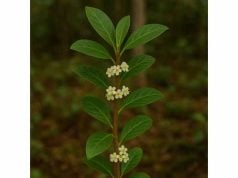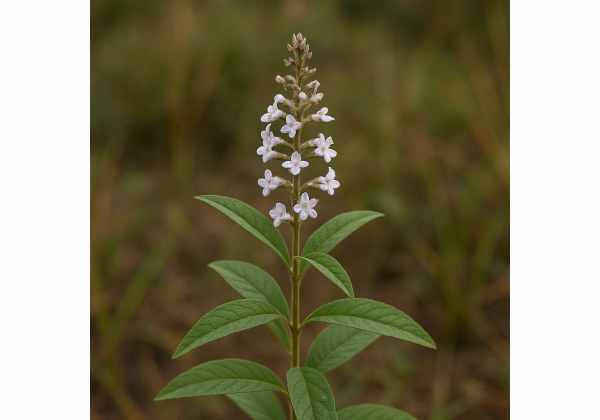
Yerba luisa, better known internationally as lemon verbena, is the fragrant leaf of Aloysia citrodora, a lemon-scented shrub in the verbena family. It has a long history as a tea herb for calm, digestion, and gentle comfort after meals or before bed. What makes it appealing is its balance: it is aromatic enough to feel immediately soothing, yet mild enough to fit naturally into daily routines when used sensibly. Modern research does not turn it into a miracle herb, but it does give meaningful support to some of its traditional uses, especially for mild stress, sleep quality, and digestive ease. Its leaf also contains notable plant compounds, including verbascoside and other polyphenols, plus a volatile oil rich in lemony citral-related compounds. In practice, yerba luisa is most useful when approached as a well-chosen traditional herb with some promising clinical evidence, not as a substitute for medical care. That combination of tradition, chemistry, and realistic everyday use is where it earns its reputation.
Quick Overview
- Yerba luisa may help ease mild stress and support better sleep quality.
- It is traditionally used for bloating, flatulence, and gentle digestive discomfort.
- A common tea range is 1 to 2 g dried leaf in 200 mL hot water before bed, or 2 to 3 g in 200 mL one to three times daily for mild digestive complaints.
- Avoid medicinal use during pregnancy and lactation unless a clinician advises otherwise.
- Standardized extracts used in studies are not equivalent to an ordinary cup of tea.
Table of Contents
- What Yerba Luisa Is and Why It Stands Out
- Key Ingredients and How Yerba Luisa May Work
- Health Benefits and Medicinal Properties with the Best Support
- Traditional Uses and the Best Ways to Prepare It
- Yerba Luisa Dosage Timing and Duration
- Tea Extract and Essential Oil Which Form Makes Sense
- Safety Side Effects and Who Should Avoid It
What Yerba Luisa Is and Why It Stands Out
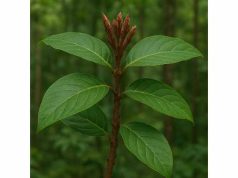
Yerba luisa is the Spanish common name often used for Aloysia citrodora, the plant widely known in English as lemon verbena. It is a deciduous aromatic shrub native to South America and now cultivated in many warm regions for both culinary and medicinal use. The leaves are narrow, bright green, and strongly lemon-scented when rubbed. That scent is part of the reason the herb became so popular: it is pleasant enough for the kitchen, but distinctive enough to be remembered as a soothing household remedy. In Europe, the plant also appears under older botanical names such as Aloysia triphylla and Lippia citriodora, which can create confusion when reading labels or research papers.
What sets yerba luisa apart from many other calming herbs is that it bridges several uses at once. It is not just a sleep tea and not just a digestive herb. Traditional monographs and reviews place it in a middle ground: mild mental stress, support for sleep, and symptomatic treatment of minor gastrointestinal complaints such as bloating and flatulence. That makes it more versatile than herbs aimed at only one body system. It also helps explain why so many people keep returning to it. A cup can feel appropriate after a heavy meal, during a tense evening, or as part of a simple bedtime ritual.
Its appeal is also sensory. Yerba luisa has a fresh lemon aroma without the sharp acidity of citrus juice, and a soft herbal character that many people find easier to drink than bitter medicinal teas. That matters more than it may seem. Herbs work best in real life when people actually enjoy taking them. A very effective herb that is unpleasant to prepare or consume often becomes a short-lived habit. Yerba luisa tends to avoid that problem.
At the same time, it is worth keeping expectations realistic. This is not a heavily researched pharmaceutical herb with dozens of large clinical trials. The strongest modern evidence is still modest. Some human studies on standardized extracts look promising for stress and sleep, and traditional use is well recognized in Europe, but the overall body of evidence remains much smaller than for better-known botanicals. That does not make the herb unhelpful. It simply means its best role is supportive and practical.
For many readers, the most useful way to think about yerba luisa is as a refined everyday herbal tea with genuine medicinal potential in mild cases. It belongs in the same broad lifestyle category as soothing kitchen and tea herbs such as chamomile for sleep and digestion, but with its own lemony profile and a stronger connection to verbena-family chemistry.
Key Ingredients and How Yerba Luisa May Work
Yerba luisa is often described as calming, digestive, antioxidant, and lightly anti-inflammatory. Those impressions come from a combination of traditional observation and a chemical profile that makes biological sense. Two groups of compounds matter most: the plant’s polyphenols and its volatile aromatic oil. The balance between them changes with the preparation. A tea highlights water-soluble compounds and some aroma. An essential oil emphasizes the volatile fraction. A standardized extract may concentrate certain phenylpropanoids and flavonoids beyond what a normal infusion provides.
The best-known compound in lemon verbena extracts is verbascoside, also called acteoside. Reviews describe it as the most significant component of the extract, and it is often used as a marker compound in standardized products. Verbascoside is discussed for antioxidant, anti-inflammatory, neuroprotective, and antimicrobial activity, although much of that evidence still comes from laboratory and preclinical work rather than definitive human proof. Other phenolic constituents and flavonoids appear to work alongside it, which is one reason whole-plant preparations may behave differently from a single isolated molecule.
The volatile oil gives yerba luisa its unmistakable lemon scent. Reviews and analytical studies repeatedly highlight geranial and neral, the two main citral isomers, as central aroma compounds in the oil. Limonene and other terpenes may also contribute. These volatile compounds help explain why the herb feels fresh, uplifting, and suitable for use in teas, flavoring, and aromatherapy products. They may also play a role in the plant’s traditional antispasmodic and soothing properties, although essential oil chemistry should not be treated as identical to leaf tea chemistry.
Commercial infusion studies show that yerba luisa tea can also deliver a broader phenolic profile than many readers might expect. Analyses of retail lemon verbena infusions found high phenolic and flavonoid content, with verbascoside and related compounds standing out, alongside other antioxidant-relevant molecules. That finding matters because it supports the idea that a simple tea is not just a scented drink. It is also a source of bioactive plant compounds, though still much gentler than a capsule extract.
How might these ingredients translate into felt effects? The most plausible mechanisms are modest antioxidant support, mild relaxation of smooth muscle, and gentle calming effects that may influence stress perception and sleep quality. Some authors also propose interaction with GABA-related pathways for verbascoside-rich extracts, which helps explain why standardized products are being studied for evening use. Still, chemistry is not destiny. A list of compounds does not guarantee a strong clinical outcome. It only explains why the herb is reasonable to study in the first place.
That distinction is important. Yerba luisa is scientifically interesting because its compounds fit its traditional uses fairly well. Readers who already follow the science on polyphenol-rich herbal compounds will recognize the same theme here: a plant may be pharmacologically active without being dramatic, and sometimes its best value lies in steady, low-intensity support rather than headline-making effects.
Health Benefits and Medicinal Properties with the Best Support
The best-supported benefits of yerba luisa are not all equal. Some are grounded mainly in long-standing traditional use, while others have been tested in small human trials using standardized extracts. That distinction matters because a bedtime capsule studied in a clinical trial is not the same thing as an ordinary mug of tea. Still, the overlap between tradition and early modern evidence is encouraging.
Stress relief and sleep support have the clearest modern backing. The European Medicines Agency recognizes lemon verbena leaf as a traditional herbal medicinal product for relief of mild symptoms of mental stress and to aid sleep. More recently, placebo-controlled trials using 400 mg daily of standardized lemon verbena extract reported improvements in perceived stress, sleep quality, deep sleep, and REM-related measures, along with lower cortisol in one study and higher nocturnal melatonin in another. These are meaningful findings, but they should still be read as promising rather than final, because the studies were modest in size and used specific proprietary extracts.
Digestive comfort is one of the herb’s oldest and most believable uses. The official European monograph recognizes lemon verbena leaf for symptomatic treatment of mild gastrointestinal complaints including bloating and flatulence. That fits well with the way people actually use the herb: after meals, during temporary digestive heaviness, or when stress and digestion seem to be feeding each other. The scientific basis here is more traditional and pharmacologic than clinical, but the indication is practical and well aligned with the plant’s aromatic nature. Readers who already appreciate digestive mint herbs will notice a similar comfort-oriented role, although yerba luisa belongs to a different botanical family.
Exercise recovery and mild inflammatory stress represent a more emerging benefit. In a randomized trial, 400 mg per day of lemon verbena extract taken around exhaustive exercise reduced muscle pain and improved several oxidative stress and inflammation-related markers, though it did not clearly enhance strength recovery itself. This does not mean yerba luisa tea is a sports supplement, but it does suggest that standardized extracts may have a niche in recovery-oriented formulations.
Beyond these areas, claims about antimicrobial action, weight management, cancer support, or broad disease prevention remain much more preliminary. Laboratory findings can be interesting, but they are not enough to justify strong consumer promises. The safest conclusion is that yerba luisa has its best current support as a gentle herb for mild stress, sleep quality, and minor digestive discomfort, with additional early interest in recovery and antioxidant-related applications. That is already a respectable profile without turning it into more than it is.
Traditional Uses and the Best Ways to Prepare It
In everyday herbal practice, yerba luisa is most often used as a leaf tea. That is the preparation that best matches both its traditional identity and the current regulatory monograph. While capsules and concentrated extracts have their place, the tea remains the form that most people are actually looking for when they search for yerba luisa benefits and uses. It is simple, affordable, and easy to adjust based on time of day and desired effect.
Traditional uses cluster around a few familiar situations:
- an evening tea for winding down,
- a light digestive infusion after meals,
- a comforting drink during periods of nervous tension,
- a pleasant lemony herb for mixed tea blends,
- a household tea for mild, temporary discomfort rather than chronic disease.
That last point is important. Yerba luisa works best when used proportionally. It suits mild symptoms, not severe ones. If you are using it for occasional bloating, a restless evening, or a sense of tension, it fits its traditional profile well. If you are trying to self-manage persistent insomnia, major anxiety, or ongoing abdominal pain, the herb should not be carrying the whole burden.
A basic infusion is straightforward. Many people do well with about 1 to 2 g of dried leaf in 200 mL of hot water, steeped for 5 to 10 minutes. A slightly stronger digestive cup may use 2 to 3 g. Keeping the vessel covered during steeping helps preserve the aroma. Fresh leaf can also be used if the plant is homegrown and correctly identified. The taste is bright, lemony, and softly green rather than sharp or sour.
Blending is common, but not always necessary. Yerba luisa combines well with gentler tea herbs, especially when the goal is a calm evening drink. A blend can improve flavor, but it also makes it harder to know what is helping and what may be causing side effects. For first-time use, plain yerba luisa is often the better starting point.
There is also a practical difference between preparation for effect and preparation for pleasure. For enjoyment, a lighter infusion is fine. For a targeted bedtime routine, more careful timing matters. A cup about 30 minutes before bed tends to fit traditional use well. For digestive use, taking it after meals makes more sense than waiting until symptoms become intense.
People interested in gentler calming herbs often end up comparing yerba luisa with lemon balm for stress and digestion. Both can be part of an evening routine, but yerba luisa stands out for its vivid lemon fragrance and its recognized traditional role in mild bloating and flatulence. In other words, it is not just a sleep tea. It is a broader comfort herb, and that is part of its charm.
Yerba Luisa Dosage Timing and Duration
Dosage is where it helps to separate three different things: traditional tea use, standardized extract use, and essential oil use. These are not interchangeable. The most reliable general guidance for leaf tea comes from the European herbal monograph, while the most specific modern extract doses come from individual clinical trials. A sensible article should keep those categories apart rather than pretending they are the same.
For mild mental stress, the monograph lists a decoction of 5 g of comminuted herbal substance in 100 mL of boiling water, 3 times daily. For sleep support, it lists 1 to 2 g in 200 mL of boiling water as an infusion about half an hour before bedtime. For mild gastrointestinal complaints, it lists 2 to 3 g in 200 mL of boiling water, 1 to 3 times daily, or 1 g in 200 mL up to 5 times daily. These are traditional-use ranges for the dried leaf, not proof that every tea bag on the market contains an equivalent dose or quality.
Standardized extracts used in clinical studies were different. Two placebo-controlled trials used 400 mg per day of lemon verbena extract taken in the evening, usually 1 to 2 hours before sleep or 1 hour before sleep, for 8 weeks or 90 days. Those studies showed improvement in stress and sleep outcomes, but the extracts were standardized products, not ordinary loose leaf tea. It is reasonable to mention these doses as research-based examples, but not to imply that 400 mg of any random product will reproduce the same effect.
In real-life use, timing often matters as much as amount. For sleep, consistency is more useful than taking very large amounts only on bad nights. For digestive comfort, taking yerba luisa after a meal or during early bloating is usually more logical than taking it late after symptoms have built up. For general calm, some people prefer a lighter afternoon cup and a separate evening cup rather than one strong serving.
Duration also deserves attention. The monograph advises that if symptoms persist longer than 2 weeks, a doctor or qualified health professional should be consulted. That is a helpful rule because it keeps a gentle herb in its proper role. Yerba luisa is well suited to short-term self-care and ongoing beverage use, but persistent insomnia, worsening anxiety, or recurrent digestive complaints deserve a fuller assessment.
A practical approach is to start low, assess response for several days, and only then decide whether you need a stronger tea or a different form. That keeps the herb aligned with its best identity: pleasant, measured, and useful without being excessive.
Tea Extract and Essential Oil Which Form Makes Sense
Many herbs become confusing when different product forms are discussed as though they do the same job. Yerba luisa is one of them. A loose-leaf infusion, a standardized extract capsule, and an essential oil may all come from the same plant, but they behave quite differently in use, intensity, and safety. Choosing the right form matters more than chasing the strongest effect.
Tea is the best choice for most people. It matches traditional practice, supports gentle digestive and calming use, and is easy to titrate. It is also the most forgiving format. If the cup is too strong, you can dilute it. If it feels too light, you can steep a bit longer next time. Tea suits readers who want a routine herb rather than a targeted nutraceutical.
Standardized extract makes more sense when the goal is consistency and a more specific dose. The current human trials on stress, sleep, and exercise recovery used extracts standardized around phenylpropanoids or related marker compounds, usually at 400 mg daily. That is helpful for research because one capsule can be compared to placebo much more cleanly than a homemade infusion. The drawback is that not all commercial extracts disclose standardization clearly, and many consumers assume “extract” automatically means better. It does not. It only means different.
Essential oil should be approached more cautiously. Lemon verbena oil is rich in volatile compounds and has value in fragrance and possibly external or aromatic applications, but it is not the same as a cup of leaf tea. The oil is concentrated, more irritating, and easier to misuse. For readers mainly interested in sleep or digestion, the leaf is almost always the more sensible place to begin.
A good rule is to match the form to the goal:
- Choose tea for mild daily calm or digestion.
- Consider a standardized extract when you want research-like consistency.
- Treat essential oil as a separate product category, not a shortcut to stronger tea.
This also helps prevent a common mistake: using a concentrated form for a problem that really only needs a gentle one. A bedtime cup and a structured evening routine may solve more than a high-potency capsule taken inconsistently. Just as importantly, a concentrated product may bring more side effects without giving proportionally better results.
For most readers, yerba luisa starts making sense when the herb is treated less like a performance enhancer and more like a carefully chosen ritual plant: a good tea when you need it, a standardized extract when the situation truly calls for one, and restraint with anything highly concentrated.
Safety Side Effects and Who Should Avoid It
Yerba luisa appears to have a favorable short-term safety profile when used in the recommended conditions of traditional leaf preparations, but generally safe is not the same as risk-free. The safest version of the herb is still the simplest one: appropriately dosed leaf tea or a clearly labeled extract used as directed. Safety becomes less certain when products are poorly standardized, heavily concentrated, or used in populations that have not been studied well.
The European monograph lists hypersensitivity to lemon verbena or other plants of the Verbenaceae family as a contraindication. It also states that use in children has not been established due to lack of adequate data. For pregnancy and lactation, safety has not been established, so use is not recommended in the absence of sufficient evidence. These are cautious but important boundaries, and they fit good herbal practice. A plant can be gentle for healthy adults and still be the wrong choice in special situations.
Another practical point is drowsiness. Because one recognized traditional use is to aid sleep, the monograph notes that the herb may impair the ability to drive or use machines. That does not mean one modest cup will strongly sedate everyone, but it does mean bedtime use makes more sense than taking a heavy serving before demanding tasks. Combining it with alcohol or other sedative products is also a situation where extra caution is wise. The monograph reports no established drug interactions, yet the absence of reported interactions is not a guarantee that none are possible in every real-world context.
Side effects reported in the official materials are limited, and undesirable effects are listed as none known in the monograph for traditional use. In clinical settings, mild complaints such as sleepiness, tremor, restlessness, or localized itching have been reported, though not usually severe enough to stop treatment. Those findings suggest that most problems are likely to be minor, but they still support a start-low approach.
Who should be especially careful?
- People who are pregnant or breastfeeding
- Children and adolescents using it medicinally
- Anyone with a known verbena-family allergy
- People already using strong sedatives or alcohol near bedtime
- Anyone with persistent insomnia, anxiety, or digestive symptoms that may signal a deeper problem
A final safety note concerns expectations. Yerba luisa is appropriate for mild symptoms and supportive care. It is not appropriate as the only response to chronic insomnia, severe anxiety, prolonged abdominal pain, unexplained weight loss, vomiting, bleeding, or other red-flag symptoms. Used within its proper lane, it is a refined and useful herb. Used outside that lane, it can delay the help that matters more.
References
- Verbenae citriodorae folium – herbal medicinal product – EMA 2021 (Guideline)
- Dietary Supplementation with an Extract of Aloysia citrodora (Lemon verbena) Improves Sleep Quality in Healthy Subjects: A Randomized Double-Blind Controlled Study – PMC 2024 (RCT)
- Anxiolytic Effect and Improved Sleep Quality in Individuals Taking Lippia citriodora Extract – PMC 2022 (RCT)
- Evaluation of the Efficacy of Supplementation with Planox® Lemon Verbena Extract in Improving Oxidative Stress and Muscle Damage: A Randomized Double-Blind Controlled Trial – PMC 2021 (RCT)
- Aloysia citrodora Paláu (Lemon verbena): A review of phytochemistry and pharmacology – PubMed 2018 (Review)
Disclaimer
This article is for educational purposes only and is not medical advice, diagnosis, or treatment. Yerba luisa may support mild stress, sleep quality, or digestive comfort, but it is not a substitute for professional care. Because product strength, preparation method, and individual response vary, consult a qualified healthcare professional before medicinal use if you are pregnant, breastfeeding, taking prescription medicines, have ongoing symptoms, or plan to use a concentrated extract rather than a simple tea.
If this article helped you, please share it on Facebook, X, or your preferred platform so others can find balanced, practical information on yerba luisa.