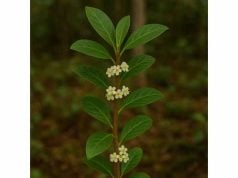
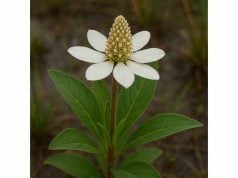
Yellowroot, or Xanthorhiza simplicissima, is a small woodland shrub native to the eastern United States and long valued in Appalachian and Indigenous herbal traditions. Its bright yellow root gets that color from berberine, a bitter alkaloid that also helps explain much of the plant’s medicinal reputation. Traditionally, yellowroot has been prepared as a tea, decoction, or tincture for sore throat, digestive upset, mouth irritation, and other short-term complaints.
Today, interest in yellowroot centers on its bitter tonic action, its berberine content, and its possible antimicrobial and anti-inflammatory effects. At the same time, it is important to be realistic: yellowroot has a meaningful traditional record, but direct human clinical research on the herb itself remains limited. Most modern evidence comes from laboratory work, ethnobotanical reviews, and studies on berberine rather than on whole yellowroot preparations. That makes yellowroot an herb worth understanding carefully, especially when it comes to proper use, dosing, and safety.
Essential Insights
- Yellowroot may help stimulate digestion and support short-term sore throat and mouth comfort.
- Its best-known active compound is berberine, which has antimicrobial and anti-inflammatory potential.
- A practical traditional range is 1 to 2 g dried root per cup of water, taken 1 to 2 times daily.
- Avoid yellowroot during pregnancy, breastfeeding, infancy, and when using blood sugar, blood pressure, or cyclosporine-type medicines unless a clinician approves.
Table of Contents
- What Is Yellowroot and Why People Use It
- Key Ingredients and Medicinal Properties
- Potential Health Benefits and What the Evidence Shows
- Traditional Uses and Modern Applications
- Dosage Forms and How to Take Yellowroot
- Safety Side Effects and Who Should Avoid It
- Yellowroot Compared With Other Berberine Herbs
What Is Yellowroot and Why People Use It
Yellowroot is a low, spreading deciduous shrub in the buttercup family. It grows in moist, partly shaded woodland areas, especially in the Appalachian and southeastern United States. The plant is not primarily known for showy flowers or culinary use. Its value sits in the root and underground stem, which are intensely yellow and strongly bitter.
That bitterness matters. In herbal practice, bitter herbs are often used to stimulate saliva, stomach acid, and digestive secretions. This helps explain why yellowroot has been used for dyspepsia, sluggish digestion, and loss of appetite. Traditional records also describe it as a wash, gargle, or tea for sore throat, mouth sores, and inflamed tissues. In some communities, it was also used as a dye, which reflects just how concentrated its yellow pigments are.
Modern interest in yellowroot usually focuses on three things. First, it contains berberine, a plant alkaloid associated with antimicrobial, metabolic, and anti-inflammatory effects. Second, it has a strong traditional reputation for short-term digestive and throat support. Third, it is often discussed alongside other berberine-containing herbs, especially goldenseal overview material, because the herbs share some overlapping compounds and uses.
Still, yellowroot is not simply “wild goldenseal.” They are different plants with different traditions, different supply chains, and somewhat different expectations in modern herbalism. Yellowroot is often viewed as a simpler, more regional bitter tonic rather than a broad-spectrum flagship supplement herb. That distinction matters because people sometimes expect yellowroot to act like a standardized berberine capsule or a clinically dosed extract. In reality, whole-root preparations are more variable and may be best suited to short-term, symptom-focused use.
The key reason people still reach for yellowroot is practical. It is bitter, concentrated, and traditionally used in small amounts for digestive discomfort, irritated mucous membranes, and transient upper-respiratory complaints. The best way to think about it is as a traditional Appalachian herbal tool with plausible pharmacology, not as a fully validated modern drug substitute.
Key Ingredients and Medicinal Properties
The most important compound in yellowroot is berberine. This bright yellow isoquinoline alkaloid is largely responsible for the plant’s color, bitterness, and much of its modern scientific interest. Berberine has been studied in several other herbs and isolated supplement forms for effects on blood sugar regulation, lipid metabolism, microbes, and inflammatory signaling. In yellowroot, it is the compound most often cited when people discuss digestive, antimicrobial, or “cooling bitter” actions.
Yellowroot also appears to contain other alkaloids, along with phenolics, flavonoids, triterpenes, and sterols. These compounds may not receive as much attention as berberine, but they likely shape the herb’s overall character. Whole plants rarely behave like a single isolated molecule. Even when one constituent dominates, the rest of the chemical profile can influence taste, tissue response, absorption, and tolerability.
From a practical standpoint, yellowroot’s medicinal properties can be understood in five broad ways:
- Bitter tonic action: The herb’s bitterness can stimulate digestive secretions and appetite, which is one reason it has been used before meals or for “heavy” digestion.
- Astringent and tissue-toning effects: Traditional use for sore throat, mouth irritation, and inflamed tissues suggests a local soothing and tightening action.
- Antimicrobial potential: Laboratory work on yellowroot alkaloids supports activity against some bacteria and fungi, although lab activity does not automatically translate into clinical effectiveness.
- Anti-inflammatory activity: Berberine and related plant compounds may influence inflammatory pathways, which helps explain folk use for irritated mucous membranes and inflammatory complaints.
- Metabolic signaling effects: Berberine has broader systemic effects in modern research, especially around glucose, lipids, and liver markers, though most of that evidence comes from berberine supplements rather than yellowroot itself.
This is where comparison helps. Yellowroot sits in the same broader conversation as barberry for metabolic health and other berberine-rich botanicals. That does not mean the herbs are interchangeable, but it does mean their shared alkaloids likely drive some overlapping effects.
One important nuance is that whole yellowroot is likely more “herbal” than “pharmaceutical” in everyday use. The herb’s bitter taste, local tissue effects, and traditional short-course applications may be at least as relevant as its berberine content. In other words, yellowroot is not only interesting because of what is inside it; it is also useful because of how that chemistry expresses itself in a tea, decoction, or tincture.
So when people ask about yellowroot’s key ingredients, the honest answer is simple: berberine is the headline compound, but the herb’s medicinal profile is broader than berberine alone.
Potential Health Benefits and What the Evidence Shows
Yellowroot is traditionally associated with a wide range of benefits, but the strength of evidence varies sharply depending on the claim. The most balanced view is that yellowroot has solid ethnobotanical support, plausible chemistry, and limited direct human research. That means some benefits are more convincing than others.
The most plausible traditional benefit is digestive support. As a bitter herb, yellowroot may help stimulate appetite and digestive secretions, which can be useful for sluggish digestion, fullness after meals, or mild dyspepsia. This is a traditional use pattern rather than a modern trial-backed indication, but it fits both the herb’s taste and its longstanding reputation.
A second reasonable area is sore throat and oral comfort. Yellowroot tea, gargles, and mouth rinses have been used for irritated throats, mouth sores, and inflamed gums. The bitter, berberine-rich root may offer local antimicrobial and tissue-toning effects that make it useful for short-term support.
A third area is antimicrobial potential. Laboratory studies on yellowroot extracts and alkaloids suggest activity against certain fungi and bacteria. That helps explain folk use for infected-looking throats or irritated mucous membranes. However, this is the point where caution matters most. Laboratory antimicrobial activity is not the same as proven treatment of infection in real people.
There is also growing interest in metabolic and liver-related effects, but most of that evidence belongs to berberine rather than yellowroot. Berberine studies suggest possible benefits for blood glucose, insulin resistance, lipids, and liver markers in selected populations. For readers who want the broader clinical picture, a separate berberine dosage and safety guide is more directly relevant than yellowroot folklore alone.
Finally, yellowroot may have anti-inflammatory and antioxidant value, again based more on compound-level and preclinical evidence than on direct clinical trials of the whole herb.
What should readers conclude from all this?
- Yellowroot’s best-supported uses are short-term, traditional, and symptom-focused.
- It makes the most sense for digestive bitterness, sore throat support, and occasional oral or upper-respiratory irritation.
- Claims about major metabolic, liver, or systemic disease benefits should be treated as extrapolations from berberine research, not as proven yellowroot outcomes.
- Yellowroot should not be presented as a replacement for standard care in infection, diabetes, fatty liver disease, or inflammatory disorders.
That is not a weakness. It is simply the right level of honesty. Yellowroot appears promising, but its strongest case today is as a traditional herb with sensible, limited applications rather than as a cure-all with fully established clinical effects.
Traditional Uses and Modern Applications
Yellowroot has deep roots in North American traditional use, especially in Indigenous and Appalachian contexts. Historical reports describe the root as a bitter tonic and household remedy for cramps, sore throat, colds, jaundice, hemorrhoids, dyspepsia, mouth ulcers, and stomach complaints. In Eastern Kentucky and surrounding regions, a bitter yellow liquid made from the root still appears in local folk practice, especially for throat discomfort.
This traditional range of use sounds broad, but there is a pattern. Yellowroot was not typically treated as an everyday wellness beverage. It was used more like a purposeful, strong-tasting remedy for short-term problems. The bitter flavor alone tells you that it was intended to be medicinal rather than casual.
Today, the most realistic modern applications include:
- Digestive bitters support
A small amount before meals may help some people who feel heavy, under-digested, or low in appetite. - Gargles or mouth rinses
A cooled decoction can be used as a short-term rinse for irritated gums, mouth sores, or sore throat. - Short-course tea or tincture use
Some herbalists use yellowroot for a few days at a time during seasonal throat or upper-airway irritation. - Adjunct use in traditional formulas
Because it is bitter and berberine-rich, yellowroot may be combined with other herbs for digestion or mucosal support.
In this sense, yellowroot occupies a similar functional space to classic bitter herbs such as gentian root for digestion, although yellowroot brings a more regional identity and a stronger berberine association.
Modern users should also understand what yellowroot is not best suited for. It is not an herb to use casually for months without a reason. It is not ideal for self-treating suspected bacterial infections that may require medical care. It is not a guaranteed metabolic supplement just because berberine has been studied. And it is not automatically “gentle” simply because it is natural.
One of yellowroot’s most useful modern roles may actually be educational. It reminds people that traditional herbs often worked through taste, timing, and short targeted use. A very bitter root taken in a small amount before food or used as a gargle for a few days is a very different therapeutic idea from swallowing a large capsule every day for long-term disease management.
That older pattern still makes sense. Yellowroot may be most helpful when used simply, in a defined way, for a clear short-term purpose.
Dosage Forms and How to Take Yellowroot
There is no well-established clinical dosing standard for whole yellowroot. That is the most important point to understand before talking about grams, milliliters, or timing. Traditional use gives us practical ranges, but these should be treated as conservative herbal guidelines rather than evidence-based prescriptions.
The most common forms are decoction, tea, tincture, and less commonly powdered root in capsules. Because yellowroot is strongly bitter, many people prefer liquid use when the goal is throat, mouth, or digestive support.
A cautious traditional approach looks like this:
- Decoction or strong tea: 1 to 2 g dried root in about 240 mL of water, gently simmered for 10 to 15 minutes.
- Typical frequency: 1 cup once or twice daily.
- Short-course use: Often 3 to 7 days for throat or digestive complaints, or up to about 2 weeks if guided by an experienced practitioner.
For tincture use:
- Tincture range: about 1 to 2 mL, up to 2 or 3 times daily.
- Best timing: before meals if the goal is digestive bitterness, or diluted in water if the taste is too intense.
For local use:
- Gargle or rinse: Prepare a cooled decoction and gargle several times daily for short-term throat or mouth support. Do not rely on this alone for severe infection, fever, or trouble swallowing.
If someone is using yellowroot mainly because of berberine-related interest, it helps to distinguish the herb from isolated berberine products. Clinical studies on berberine often use roughly 1,000 to 1,500 mg per day in divided doses for weeks to months, but that is not the same as taking whole yellowroot. Whole-herb products vary widely and do not provide a predictable equivalent dose.
A few practical rules improve safety:
- Start low, especially if you have a sensitive stomach.
- Take it with food if bitterness causes nausea.
- Use it in defined courses, not indefinitely.
- Stop if cramping, diarrhea, unusual fatigue, or medication-related symptoms appear.
Yellowroot also pairs conceptually with other bitter or liver-supportive herbs, though combinations should be used thoughtfully. Readers exploring broader digestive or hepatic herbal routines may also compare it with milk thistle for liver support, which has a very different evidence base and use pattern.
In short, yellowroot is best taken modestly, purposefully, and for a clear reason. Strong taste is part of the experience, and with this herb, more is not better.
Safety Side Effects and Who Should Avoid It
Yellowroot deserves the same caution as other berberine-containing herbs. It may be traditional, but it is not risk-free. Most concerns relate to berberine, strong bitterness, and potential medication interactions.
The most common short-term side effects are digestive. These can include nausea, abdominal discomfort, cramping, constipation, or diarrhea. Some people tolerate bitters well, while others feel worse even at modest doses. The difference often depends on dose, product strength, and whether the herb is taken on an empty stomach.
The main groups who should avoid yellowroot unless specifically advised by a qualified clinician include:
- Pregnant people
- Breastfeeding people
- Infants and very young children
- People taking diabetes medications
- People taking blood pressure medication
- People using cyclosporine or other interaction-prone drugs
- People with jaundice risk in newborns or a history of bilirubin-related issues in infants
Why the strong warning in pregnancy and infancy? Berberine has been linked to bilirubin displacement and a risk of kernicterus in newborns, which is why berberine-containing herbs are generally avoided in those situations.
Medication interactions also matter. Yellowroot may amplify glucose-lowering effects, complicate blood-pressure control, and interfere with drug metabolism or transport. This is especially relevant when people assume an herb is “mild” and add it to an already complex medication plan.
Other practical safety points include:
- Do not use yellowroot as a substitute for antibiotics or clinician-guided care when symptoms suggest a significant infection.
- Avoid prolonged unsupervised use for chronic metabolic goals.
- Choose clearly labeled products that identify the plant and form used.
- Stop promptly if side effects feel stronger than the original complaint.
Quality is part of safety too. Berberine-containing herbs can be confused with each other, substituted, or sold in mixtures. That means identification and sourcing matter more than many people realize. Whole-root products, wildcrafted material, and homemade preparations may vary substantially in strength.
The safest overall way to use yellowroot is simple: keep the dose modest, use it briefly, and avoid it when pregnancy, infancy, or important medications are part of the picture. That approach respects both the herb’s value and its limits.
Yellowroot Compared With Other Berberine Herbs
Yellowroot is often grouped with goldenseal, barberry, and Oregon grape because all are associated with berberine. That comparison is useful, but it can also be misleading if it makes the herbs seem interchangeable.
Yellowroot is best thought of as a traditional Appalachian bitter herb with strong folk use for sore throat, oral irritation, and digestion. It has real ethnobotanical depth, but much less direct clinical research than isolated berberine supplements.
Goldenseal has stronger name recognition and a long commercial history. It is often discussed for mucous membrane support and antimicrobial-style herbal formulas. However, goldenseal is not necessarily the best default choice for every person, and it carries its own sustainability and sourcing concerns.
Barberry has a clearer place in the modern metabolic conversation because berberine-rich barberry extracts are frequently mentioned in blood sugar and cholesterol discussions. In practice, barberry may be a better fit for people who are looking at clinically studied berberine-style outcomes rather than traditional Appalachian throat remedies.
Oregon grape is another classic berberine herb, often used in digestive and skin-oriented herbal traditions. Readers curious about a broader comparison can look at Oregon grape root uses to see how another berberine plant is framed in practice.
So when might yellowroot be the best fit?
- When the goal is a traditional, strongly bitter root for short-term digestive or throat support.
- When someone prefers a whole-herb approach rather than an isolated berberine supplement.
- When local or regional herbal traditions matter to the user.
- When the intended use is brief and practical rather than chronic and highly standardized.
And when might another option make more sense?
- If the goal is better-studied metabolic support, berberine supplements or barberry-based products may align more closely with the available evidence.
- If the user needs clear standardization and consistent alkaloid dosing, a labeled berberine product is easier to track than bulk root.
- If sustainability, sourcing, or product identity are concerns, comparison shopping becomes important.
The bottom line is that yellowroot has a legitimate place among berberine herbs, but its identity is distinct. It shines most as a traditional, targeted herb rather than as a modern all-purpose supplement. Choosing it well means matching the herb to the purpose instead of assuming every yellow root does the same job.
References
- A mini review on marshal (yellowroot): phytochemistry and ethnobotanical significance 2025 (Review)
- A Review and Survey of Local Eastern Kentucky Medicinal Plants and Their Pharmacological Benefits 2025 (Review)
- Berberine and health outcomes: An umbrella review 2023 (Umbrella Review)
- The clinical efficacy and safety of berberine in the treatment of non-alcoholic fatty liver disease: a meta-analysis and systematic review 2024 (Systematic Review)
- Berberine and Weight Loss: What You Need To Know 2023 (Official Safety Review)
Disclaimer
This article is for educational purposes only and is not medical advice. Yellowroot and other berberine-containing herbs can cause side effects, may interact with medicines, and are not appropriate for everyone. Do not use yellowroot to self-treat serious infection, liver disease, diabetes, or other ongoing conditions without guidance from a qualified healthcare professional. Seek medical care promptly for high fever, difficulty swallowing, persistent vomiting, jaundice, or worsening symptoms.
If you found this article useful, please share it on Facebook, X, or your preferred platform to help others find reliable herbal information.