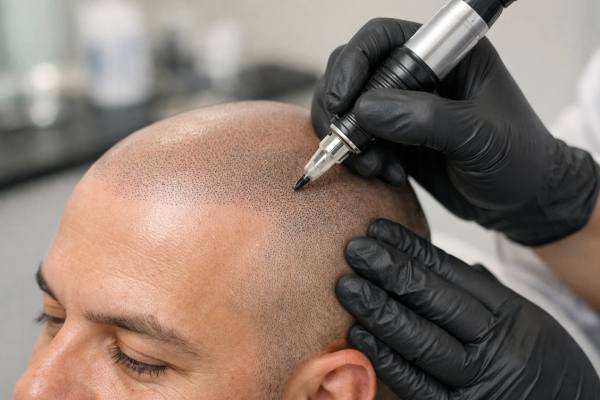
Hair loss can change how a person sees themselves long before it affects daily function. For many people, the mirror reflects not only thinning hair but also a shift in confidence, styling choices, and social comfort. While medications and hair transplants can restore hair in some cases, they are not the right fit for everyone. This is where scalp micropigmentation (SMP) enters the conversation.
Scalp micropigmentation is a specialized cosmetic tattoo technique that creates the appearance of hair follicles using tiny pigment deposits in the scalp. Instead of regrowing hair, it visually reduces the contrast between scalp and hair, making thinning areas appear fuller or recreating the look of a closely shaved hairstyle. When performed skillfully, the result can be surprisingly natural.
Understanding what SMP can realistically achieve is essential. The treatment is not medical hair restoration, but it can dramatically improve the appearance of density. Knowing how it works, who benefits most, and how to care for the scalp afterward helps people decide whether this increasingly popular option fits their goals.
Key Insights
- Scalp micropigmentation can create the visual effect of fuller hair by reducing scalp contrast in thinning areas.
- The most noticeable benefits often appear for shaved styles, receding hairlines, and diffuse thinning where density illusion matters.
- SMP does not regrow hair and may fade over several years, sometimes requiring maintenance sessions.
- The safest approach is choosing a skilled practitioner and following strict aftercare for the first 7 to 10 days after treatment.
Table of Contents
- What Scalp Micropigmentation Is
- Who Benefits Most from SMP
- How the SMP Procedure Works
- Realistic Results and Limitations
- Aftercare and Healing Timeline
- Risks, Safety, and Provider Selection
What Scalp Micropigmentation Is
Scalp micropigmentation is a cosmetic procedure designed to simulate the appearance of hair follicles on the scalp. Rather than transplanting hair or stimulating hair growth, the technique uses specialized pigments applied with fine needles to create tiny dots that resemble the shadow of closely shaved hair. When distributed correctly across thinning areas, these dots visually reduce the contrast between scalp and hair, giving the impression of fuller density.
The idea behind SMP is rooted in visual perception. Hair appears fuller when the scalp beneath it is less visible. By adding pigment that mimics follicle shadows, SMP makes sparse areas blend more naturally with surrounding hair. This technique can recreate the appearance of a buzz cut, camouflage patchy thinning, or conceal scars left by injuries or hair transplant surgery.
The pigment used in SMP differs from traditional body tattoo ink. It is formulated to produce small, subtle follicle-like impressions rather than bold lines or shapes. Technicians apply pigment at a shallower depth in the skin compared with typical tattoos, allowing for finer control over the size and softness of each dot.
Several goals are common with scalp micropigmentation:
- creating the appearance of a shaved or closely cropped hairstyle
- improving the visual density of thinning hair
- blending scars from hair transplant surgery
- restoring the outline of a natural hairline
- camouflaging patchy hair loss conditions
The technique works by layering hundreds or thousands of tiny pigment impressions across the scalp. When viewed at normal social distance, the effect resembles short hair follicles rather than pigment marks. Because the visual illusion depends on contrast reduction, SMP tends to look most convincing in people who maintain shorter hairstyles.
This cosmetic approach differs significantly from medical hair restoration. Treatments such as how minoxidil supports hair growth attempt to stimulate follicles to produce hair again. SMP instead changes how existing hair density appears. Both approaches can coexist, and some people combine them.
Another important distinction is permanence. While SMP is long-lasting, it is not completely permanent. Pigments gradually fade as the skin renews itself, sunlight exposure affects pigment stability, and the immune system slowly breaks down pigment particles. Many individuals eventually choose a maintenance session to refresh the appearance.
Understanding SMP begins with recognizing its goal: not to create hair, but to create the convincing appearance of hair.
Who Benefits Most from SMP
Scalp micropigmentation works best when the illusion of density can realistically match the person’s hairstyle and hair characteristics. Because the technique relies on visual blending rather than actual hair strands, some patterns of hair loss respond particularly well to SMP.
One of the most common candidates is someone with male pattern hair loss who prefers a shaved or closely cropped hairstyle. By filling the scalp with pigment dots that resemble follicles, SMP can recreate the appearance of a buzz cut even in areas where hair no longer grows.
Another group that often benefits is people with diffuse thinning. When hair becomes thinner across the scalp rather than disappearing completely, the scalp shows through more clearly. SMP can reduce this contrast and make existing hair look denser.
Typical situations where SMP works well include:
- receding hairlines
- crown thinning
- diffuse thinning across the scalp
- hair transplant scars
- patchy scarring alopecia
- people who prefer short haircuts
Some women also choose scalp micropigmentation when thinning occurs along the part line or crown. In these cases, the pigment is placed between existing hairs to reduce scalp visibility. The goal is not a shaved appearance but a denser visual background.
Hair transplant patients sometimes use SMP as a complementary treatment. It can camouflage linear scars from older strip procedures or increase the illusion of density when transplanted hair coverage is limited. Individuals exploring transplant surgery may compare visual results with options such as FUE and FUT hair transplant methods before deciding which path fits their expectations.
However, not every hair loss pattern responds equally well. People with very long hairstyles may notice that SMP looks less convincing when the hair moves and separates. The pigment represents follicle shadows, not actual hair strands, so longer hair can reveal the difference.
The color contrast between hair and scalp also matters. Individuals with very light hair may need careful pigment selection to avoid unnatural contrast, while those with darker hair often see stronger density illusions.
Finally, SMP works best for people with stable expectations. It improves appearance but does not stop hair loss progression. If hair loss continues significantly, new areas may appear that require additional pigment sessions.
The ideal candidate understands that SMP is a cosmetic illusion, not biological regrowth. For many people, that illusion is powerful enough to restore confidence and simplify daily grooming.
How the SMP Procedure Works
The scalp micropigmentation process usually occurs over several sessions rather than a single appointment. This gradual approach allows the practitioner to build density carefully and adjust the hairline, pigment shade, and spacing of follicle impressions to achieve a natural result.
A typical SMP treatment plan involves two to three sessions spaced several weeks apart. Each session may last between two and five hours depending on the size of the treatment area.
The procedure begins with a consultation. During this stage, the practitioner evaluates hair loss patterns, scalp condition, and skin tone. They also discuss hairstyle preferences and determine the shape of the hairline. Designing a natural hairline is one of the most critical steps because an unrealistic outline can make the pigment look artificial.
Once the treatment begins, the practitioner uses a specialized device with micro-needles to deposit pigment into the upper dermis of the scalp. The dots are extremely small and placed individually to mimic natural follicle spacing.
The process typically follows these steps:
- Hair is trimmed short or shaved to expose the scalp.
- The practitioner cleans and prepares the skin.
- The hairline outline is designed and confirmed with the client.
- Pigment dots are placed across thinning areas.
- Density is gradually increased in later sessions.
The layered approach helps avoid overly dark pigment and ensures the follicle pattern looks natural from different angles and lighting conditions.
Each session deepens the visual density. The first treatment creates the foundational pattern, while later sessions refine shading and fill areas that require additional coverage.
During the procedure, most people describe mild discomfort rather than significant pain. Because the scalp contains many nerve endings, sensitivity varies depending on the individual and treatment area. Some clinics offer topical numbing agents to improve comfort.
The skill of the practitioner is critical because SMP requires precise control over:
- pigment depth
- dot size
- pigment shade
- spacing between impressions
- hairline design
If pigment is placed too deeply, it can blur or change color over time. If it is too shallow, it may fade quickly. When executed correctly, the final effect should resemble natural hair follicles rather than tattoo dots.
SMP sessions also allow adjustments as hair loss evolves. Some individuals eventually combine micropigmentation with other treatments that affect hair density or growth, including approaches such as low level laser therapy for hair growth. While these therapies serve different goals, they may coexist within a broader hair management strategy.
The procedural experience is gradual and meticulous, which is exactly what allows the final result to appear subtle and natural.
Realistic Results and Limitations
Scalp micropigmentation can create impressive visual changes, but understanding its limitations helps prevent disappointment. The procedure is designed to improve appearance rather than replace hair.
One of the most important factors is hairstyle. SMP tends to look most convincing with shorter hair lengths because the pigment mimics shaved follicles. When hair grows longer, the illusion may weaken if the hair separates and reveals pigment beneath.
Lighting conditions also affect perception. In bright lighting, especially direct overhead light, the difference between real hair strands and pigment can become more noticeable. Skilled practitioners account for this by varying pigment density and avoiding overly uniform patterns.
Color matching plays a major role as well. Pigment should blend with the natural hair color and skin tone. Poorly matched pigment can produce a gray or bluish appearance over time. Experienced practitioners choose pigment shades that age naturally as they fade.
Common benefits people report include:
- improved appearance of density
- reduced scalp visibility
- easier styling
- less reliance on fibers or concealers
- increased confidence
However, SMP does not prevent hair loss from progressing. If someone continues to lose hair after treatment, new thinning areas may appear that require additional pigment sessions.
Another limitation involves hairline design. A very sharp or low hairline may look appealing initially but can appear unnatural as aging and hair loss patterns evolve. Conservative hairline placement tends to age better.
Some people also compare SMP with temporary cosmetic solutions such as hair fibers used for thinning hair. Fibers can add instant volume but wash out easily, while SMP provides longer-lasting visual density.
Longevity varies depending on skin type, sun exposure, pigment type, and immune response. Many individuals notice gradual fading after three to five years. A brief touch-up session usually restores the appearance.
Understanding these boundaries allows people to appreciate SMP for what it is: a cosmetic illusion that can dramatically improve how thinning hair appears without altering the biology of hair growth.
Aftercare and Healing Timeline
Aftercare plays a major role in how scalp micropigmentation heals and how long the pigment remains stable. The skin requires time to recover from the micro-needle punctures used to deposit pigment, and protecting the scalp during this period helps prevent irritation and uneven fading.
The first few days after treatment are the most sensitive. The scalp may appear slightly red, and the pigment dots often look darker than the final result. This temporary darkness fades gradually as the skin heals.
Most practitioners recommend several core aftercare rules for the first week:
- avoid washing the scalp for the first few days
- keep the scalp clean and dry
- avoid sweating or intense exercise
- avoid swimming pools, saunas, and hot tubs
- avoid direct sun exposure
After the initial healing phase, gentle cleansing usually resumes. Mild shampoo can be used carefully without aggressive scrubbing.
A typical healing timeline may look like this:
Days 1 to 3
The scalp may feel tight or slightly tender. Pigment appears darker than the final result.
Days 4 to 7
Mild flaking or dryness may occur as the skin heals.
Days 7 to 14
Pigment softens and begins to settle into a natural appearance.
Weeks 3 to 4
The scalp is usually ready for the next SMP session if additional treatments are planned.
Sun protection becomes especially important once healing is complete. Ultraviolet exposure gradually fades pigment and may alter its color over time. Wearing hats or applying scalp sunscreen can help maintain the result. People with very short hair or shaved styles may benefit from strategies discussed in protecting the scalp from sun exposure.
Moisturizing the scalp can also improve comfort after healing. Hydrated skin often retains pigment appearance more evenly.
Because SMP involves placing pigment into the skin, avoiding harsh exfoliation, aggressive scalp scrubs, or strong chemical treatments near the treatment area helps preserve results.
With careful aftercare, most people find that SMP heals quickly and becomes visually subtle within a few weeks.
Risks, Safety, and Provider Selection
Scalp micropigmentation is generally considered a low-risk cosmetic procedure when performed by trained professionals. However, like any treatment involving needles and pigments, it carries potential complications if performed improperly.
The most common issues arise from poor technique or inadequate hygiene. Infection, allergic reactions, pigment migration, or unnatural hairline design can occur if standards are not carefully followed.
Possible risks include:
- infection from non-sterile equipment
- allergic reaction to pigment
- pigment discoloration over time
- uneven fading
- unrealistic hairline shape
- pigment spreading or blurring under the skin
Many of these risks are preventable through careful provider selection. Experienced practitioners follow strict sanitation protocols, use medical-grade pigments, and design hairlines conservatively to match facial structure and age.
Before choosing a provider, it is wise to evaluate:
- portfolio of previous results
- experience with different hair loss patterns
- sterilization procedures
- pigment quality and safety
- consultation transparency
- realistic expectations about results
Some individuals with scalp conditions should seek medical advice before undergoing SMP. Active infections, inflammatory scalp disorders, or uncontrolled skin conditions may complicate healing.
Similarly, people experiencing unexplained or rapidly progressing hair loss may benefit from medical evaluation before pursuing cosmetic solutions. Conditions such as autoimmune alopecia or inflammatory scalp disease sometimes require diagnosis and treatment first. Understanding patterns like patchy hair loss from alopecia areata can help individuals determine whether medical care should come before cosmetic procedures.
Finally, patience during consultation is valuable. A skilled practitioner spends significant time designing the hairline, matching pigment tones, and explaining expected results.
When safety, artistry, and realistic expectations align, scalp micropigmentation can provide a meaningful improvement in appearance while maintaining a natural look.
References
- Micropigmentation of the scalp for hair loss: clinical outcomes and patient satisfaction 2022
- Scalp micropigmentation: a review of technique, indications, and outcomes 2021 (Review)
- Medical and cosmetic scalp micropigmentation: current concepts and practice 2021 (Review)
- Cosmetic scalp micropigmentation for alopecia: techniques and safety considerations 2024 (Review)
Disclaimer
This article is for educational purposes only and does not replace professional medical advice, diagnosis, or treatment. Scalp micropigmentation is a cosmetic procedure that may not be suitable for everyone, particularly individuals with certain skin conditions, allergies, or active scalp disorders. Anyone considering SMP should consult qualified practitioners and seek medical advice when underlying hair loss conditions are suspected.
If you found this guide helpful, consider sharing it on Facebook, X, or your preferred platform so others exploring hair restoration options can make informed decisions.