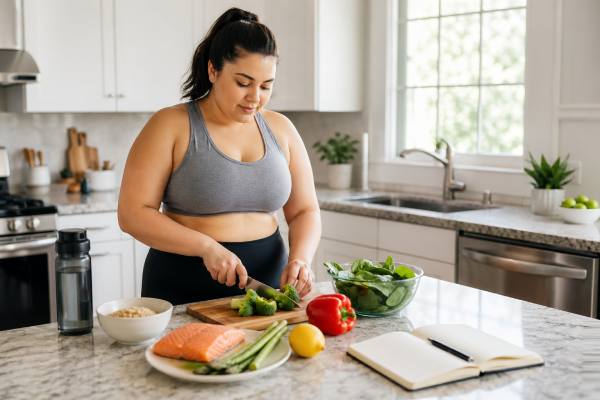
Starting weight loss as a beginner can feel confusing because most advice falls into two extremes. One version makes it sound effortless. The other makes it sound like you need a perfect meal plan, a hard workout schedule, and strong motivation every day. In practice, healthy weight loss usually starts much more simply than that.
Beginners do best when they focus on a few high-impact habits instead of trying to overhaul their entire life in one week. That usually means getting clear on the goal, making food choices that reduce hunger, creating a manageable calorie deficit, moving more without burning out, and building routines that still work on busy days. This article walks through what to do first, what matters most, how to avoid common beginner mistakes, and how to build a plan that not only helps you lose weight but also gives you a better chance of keeping it off.
Table of Contents
- Start with a realistic beginner mindset
- Check safety and pick a clear first goal
- Make your first food changes count
- Create a calorie deficit you can live with
- Add movement without burning out
- Build routines that make weight loss easier
- Track progress like a beginner, not a perfectionist
- Learn the basics of keeping weight off
Start with a realistic beginner mindset
The biggest beginner mistake is assuming weight loss begins with intensity. It usually does not. It begins with clarity. You do not need a perfect “before and after” plan on day one. You need a direction, a few decisions, and a routine you can repeat.
A beginner mindset is useful because it lowers the pressure to do everything at once. If you try to count every calorie perfectly, eliminate all treats, train six days a week, sleep eight flawless hours, and never miss a step goal, you are setting up a system that breaks the moment life becomes inconvenient. That is not a motivation problem. It is a design problem.
Beginners tend to do better when they accept a few truths early:
- weight loss is usually slower than people hope
- progress is rarely linear
- some weeks will feel easy and others will not
- consistency beats intensity
- small habits are not “too small” if they are repeatable
It also helps to understand what success should look like in the first month. Success is not dramatic suffering. It is not being hungry all day and proud of it. It is not dropping weight quickly only to gain it back. Early success usually looks like this:
- your meals become more structured
- your portions are more intentional
- your average activity increases
- you understand your hunger better
- you stop depending on motivation for every choice
- the scale begins trending down over time
That is a much more useful definition because it gives you something solid to aim for. Weight loss is easier to continue when your routine feels organized rather than chaotic.
Another part of the beginner mindset is dropping the idea that you have to “make up for the past” with a very strict start. You do not need to punish yourself for previous habits. You need to build new ones. That shift matters more than it seems. Shame tends to produce short-term extremes. Skill-building produces long-term results.
Before changing your food or workouts, it helps to go through a healthy weight loss checklist so you start from a realistic baseline rather than from frustration. And if you are already feeling overloaded, the goal is not to force more discipline. It is to choose fewer, clearer actions and make them easier to repeat.
Check safety and pick a clear first goal
Not every beginner should start the same way. A generally healthy adult who wants to lose 15 pounds has different needs from someone with diabetes, an eating disorder history, severe obesity, chronic pain, recent rapid weight gain, or medications that affect appetite and body weight. That is why a safe start matters.
You should strongly consider medical guidance before starting a weight loss plan if any of these apply:
- you have diabetes, heart disease, kidney disease, or uncontrolled high blood pressure
- you are pregnant, breastfeeding, or recently postpartum
- you are under 18
- you have a history of disordered eating
- you have gained weight rapidly without a clear reason
- you feel extremely fatigued, short of breath, dizzy, or unwell
- you take medications that may affect weight, appetite, or blood sugar
- you plan to follow a very low-calorie diet or intense exercise program
That does not mean weight loss is off limits. It means the safest and most effective version of it may require adjustment.
Once safety is covered, your next job is to choose a first goal that is clear enough to guide your decisions. “I want to lose weight” is too broad. A better first goal is specific and practical. For example:
- lose 5% of body weight over the next few months
- walk 20 minutes after dinner five days a week
- eat three structured meals instead of grazing all day
- cook dinner at home four nights a week
- reduce sugary drinks to weekends only
A useful beginner goal includes both an outcome and a behavior. The outcome gives direction. The behavior gives you something to do today.
It is also worth setting a first target that feels modest enough to achieve. A beginner who wants to lose 40 pounds may be better served by first focusing on the first 5 to 10 pounds and the habits that make that possible. Smaller targets are easier to measure, easier to maintain, and less likely to create an all-or-nothing mindset.
| Less useful goal | Why it causes problems | Better beginner goal |
|---|---|---|
| Lose as much as possible this month | Pushes extreme restriction and unrealistic expectations | Lose steadily while building habits you can keep |
| Never eat junk food again | Creates perfection pressure and rebound eating risk | Reduce highly processed foods and plan favorite foods intentionally |
| Work out every day | Often leads to soreness, fatigue, and missed sessions | Walk most days and strength train a few times per week |
| Be more disciplined | Too vague to guide action | Track meals, steps, and weekly weight trend |
If you are unsure whether you should begin on your own, it is worth reading when to talk to a doctor before trying to lose weight. A safer start is usually a more sustainable one.
Make your first food changes count
Beginners often assume successful weight loss starts with cutting out dozens of foods. In reality, the most effective first food changes are usually boring in the best way: they reduce hunger, lower calories without much drama, and make meals easier to repeat.
You do not need a perfect diet style before you begin. You do need a few reliable food habits. For most beginners, the best first changes are:
- build meals around protein
- eat more vegetables and fruit
- reduce liquid calories
- make portion sizes more deliberate
- keep simple, repeatable meals on hand
- reduce frequent mindless snacking
Protein matters because it helps with fullness and makes it easier to preserve lean mass during weight loss. Fiber matters because it adds volume and satiety. Foods with higher water content and lower calorie density help because they let you eat satisfying portions without pushing calories too high.
A beginner-friendly meal pattern often looks like this:
- a protein-rich breakfast instead of a sugary one that disappears in an hour
- a lunch with protein, produce, and a structured carb source
- a dinner built from a simple plate formula
- one or two planned snacks if needed rather than random grazing
This does not have to be complicated. Greek yogurt, eggs, oats, fruit, chicken, beans, potatoes, rice, vegetables, tuna, cottage cheese, wraps, soups, frozen vegetables, and simple one-pan meals all work well. The point is not to eat like a fitness influencer. The point is to make your meals predictable enough that you are not negotiating every food decision from scratch.
Beginners also benefit from noticing the foods that create the least fullness for the most calories. Common examples include sweet drinks, coffee drinks, alcohol, large dessert portions, chips, pastries, and frequent restaurant meals. You do not always need to eliminate them, but reducing how often they show up can make a big difference quickly.
A good first question is not “What diet should I follow?” It is “Which eating habits make me overeat most often?” For one person, it is late-night snacking. For another, it is oversized takeout portions. For someone else, it is skipping meals and then overeating later.
If you need a practical starting point, learn what to eat when you first start losing weight and focus on building meals around a high-protein plate. Good beginner nutrition is not about chasing perfect foods. It is about choosing foods that make sticking to your plan much easier.
Create a calorie deficit you can live with
Weight loss generally requires a calorie deficit, which means eating fewer calories than your body uses over time. That principle matters, but beginners often misapply it. They hear “calorie deficit” and immediately assume the faster the deficit, the better the result. Usually, the opposite happens.
A very aggressive deficit can lead to:
- constant hunger
- low energy
- cravings that build through the day
- poorer workouts
- lower daily movement
- binge-restrict cycles
- giving up because the plan feels miserable
A beginner usually does better with a moderate deficit that allows for normal meals, some flexibility, and enough energy to function like a person rather than a survival experiment.
That starts with estimating your maintenance calories, then reducing intake enough to produce gradual loss. You do not have to track calories forever, but it helps to understand the system you are working inside. Some beginners like numbers and do well logging food. Others do better with portion control, meal templates, or repeating similar meals through the week.
Common beginner options include:
- calorie tracking
- macro tracking
- portion-based eating
- a structured meal plan
- a repeated breakfast and lunch pattern with flexible dinners
The best method is the one you can use honestly. A beginner who hates tracking may do better with simple plates and fewer restaurant meals than with an app they abandon after four days. A detail-oriented beginner may love having a target and clear numbers.
The main mistake to avoid is confusing “hard” with “effective.” A 300 to 500 calorie deficit you can maintain often beats a 1,000 calorie deficit you quit after ten days.
How beginners usually know the deficit is about right
Your plan is probably in the right range if:
- you are hungry sometimes but not constantly
- you can still think clearly and function normally
- you are not obsessing about food every hour
- your weight trend moves down over time
- you can imagine following the plan next month too
Your plan is probably too aggressive if:
- you are white-knuckling through every day
- you feel drained and irritable most of the time
- you are thinking about cheat meals constantly
- you keep breaking the plan and restarting it
- your weekends wipe out your whole week
This is why it helps to understand how to calculate your maintenance calories and decide whether calories, macros, or portions make the most sense for you. You do not need to become highly technical. You do need enough structure to keep the plan from turning into guesswork.
Add movement without burning out
Beginners often overestimate how much exercise they need to start losing weight and underestimate how useful simple movement can be. Exercise absolutely helps, especially for health, fitness, body composition, and long-term maintenance, but you do not need a punishing routine to begin.
For most beginners, the smartest movement strategy includes:
- walking more than you do now
- doing some form of resistance training
- adding cardio in a way you can recover from
- avoiding an all-at-once exercise surge that leaves you exhausted
Walking is especially useful because it is accessible, low stress, and easy to repeat. It can be added in short sessions and still matter. Strength training helps preserve muscle while losing weight and improves function, confidence, and body composition. Cardio can help too, but it does not need to be miserable to count.
A strong beginner week might be:
- daily walks or a modest step target
- two or three basic strength sessions
- optional extra cardio once or twice if you enjoy it
That is enough to build momentum without creating the common beginner pattern of “I went all in, got sore and tired, missed several days, then stopped.”
Another important point: workouts do not give you permission to ignore everything else. People often burn fewer calories in exercise than they think, then eat back more than they realize. That is why daily movement, appetite awareness, and food structure still matter even if you start training regularly.
Beginners who dislike exercise should not assume they are doomed. Walking, bike rides, swimming, home workouts, short circuits, or light resistance work are all legitimate starting points. You do not need the “best” plan on paper. You need a plan you can actually keep doing.
The right beginner exercise plan also respects your body. Joint pain, severe obesity, low fitness, poor balance, chronic fatigue, and medical conditions may call for gentler options and slower progression. Starting smaller is not weakness. It is strategy.
If you want clearer benchmarks, use how much exercise you need to lose weight as a guide, then turn it into a weight loss routine that fits your life. Repeatable movement beats motivational overreach almost every time.
Build routines that make weight loss easier
Beginners often blame lack of motivation when the real problem is lack of routine. Motivation is unreliable. A good routine keeps working when motivation drops.
This is one of the biggest shifts in sustainable weight loss. Instead of asking, “How can I stay fired up?” it is usually better to ask, “How can I make the next good choice simpler?”
That often means changing your environment and schedule more than your willpower.
Useful beginner routines include:
- planning groceries before the week starts
- keeping simple protein foods and produce at home
- deciding breakfast and lunch in advance
- scheduling walks or workouts like appointments
- having two or three easy backup dinners
- going to bed at a more consistent time
- reducing obvious trigger foods in your most vulnerable setting
For example, someone who always overeats after work may need less advice about self-control and more help with the hour between getting home and dinner. A short walk, prepped dinner ingredients, fewer snack foods on the counter, and a planned snack can change that pattern more than another lecture about discipline.
This is also where sleep and stress stop being “extra” topics and start being weight loss topics. Poor sleep can increase hunger, cravings, and impatience. Stress can drive mindless snacking, skipped workouts, and restaurant reliance. A beginner plan that ignores those realities often feels harder than it needs to.
What a useful beginner routine often includes
A practical beginner routine usually has a few anchors:
- one regular time to shop or meal prep
- one regular weigh-in or check-in habit
- one standard breakfast or lunch on busy days
- one daily movement trigger, such as a walk after dinner
- one bedtime target that is at least somewhat realistic
These anchors reduce decision fatigue. That matters because many food choices are not made through careful logic. They are made when you are tired, rushed, overstimulated, or hungry.
Beginners also benefit from planning for imperfect weeks. What will you do when work is busy, a child gets sick, travel happens, or you sleep badly? A good routine has a lighter version of itself. Maybe your “minimum standard” becomes protein at each meal, a 15-minute walk, and no sugary drinks. That is still progress.
The more your environment supports the plan, the less often you need to rely on a perfect mood. That is why many people do well when they learn how to make healthy choices easier at home. Weight loss gets simpler when the routine does more of the work for you.
Track progress like a beginner, not a perfectionist
Tracking helps beginners because it turns vague effort into visible feedback. But beginners often make tracking harder than it needs to be. They either measure nothing and feel lost, or measure everything and become overwhelmed.
The better approach is to track a few useful things consistently.
The most helpful beginner metrics are usually:
- body weight on a regular schedule
- waist measurement or clothing fit
- food intake or meal consistency
- step count or workouts completed
- one or two key habits, such as sleep or protein intake
The scale is useful, but it is not the whole story. Weight can fluctuate because of sodium, water retention, bowel habits, harder workouts, hormones, or travel. That is why looking at trends matters more than reacting to one random weigh-in.
Beginners often expect weight loss to look like a smooth downward line. In reality, it often looks messier: down, flat, up slightly, then down again. That does not mean the plan is failing. It means human bodies do not behave like spreadsheets.
A weekly review is one of the best beginner tools because it creates a calm moment to ask:
- What worked this week?
- Where did hunger show up most?
- What choices were easy?
- What choices kept breaking down?
- What is one small change for next week?
That last point is important. Beginners do better when they make small adjustments instead of dramatic resets. If dinner is where things fall apart, fix dinner first. If weekends erase the deficit, plan weekends better. If snacking is constant, look at meal size, sleep, and food environment before assuming you need more discipline.
What to do when progress feels slow
When the scale slows down, do not assume your body is broken. First check the basics:
- are your portions still what you think they are?
- have restaurant meals or snacks drifted up?
- are weekends very different from weekdays?
- has your daily movement dropped?
- have you been consistent long enough to see a real trend?
Many beginner “plateaus” are really measurement problems, expectation problems, or consistency problems. That is not a criticism. It is normal. It is also why good tracking helps.
A calm weekly check-in routine works well for most beginners because it reduces panic and gives you a clear point to adjust. It also helps to know what is typical in the first month of weight loss so normal fluctuation does not feel like failure.
Learn the basics of keeping weight off
Beginners often think “keeping it off” is a problem for later. In reality, it helps to understand maintenance from the start, because the habits that help you lose weight are often the same habits that help you keep it off. The main difference is how strict you need to be.
One reason weight regain happens is that people treat weight loss like a temporary project. They use temporary rules, get a temporary result, and then return to the exact environment and routine that created the original gain. That does not mean the weight loss “did not work.” It means the handoff from losing to maintaining never happened.
Long-term success usually depends on continuing some version of these habits:
- monitoring weight or body size regularly
- staying physically active
- eating with some structure
- noticing regain early
- correcting small drifts before they become large ones
- keeping meals reasonably consistent, especially on weekdays
You do not need to diet forever. But you usually do need some ongoing awareness. People who keep weight off well often remain more active than they were before, continue to prioritize protein and whole foods, and use simple guardrails around meals, snacks, and routine changes.
Another important shift is accepting that maintenance is not perfection. Normal weight fluctuation happens. Vacations happen. Holidays happen. Stressful seasons happen. What matters is how quickly you return to your baseline habits after them.
That is also why beginners should avoid building a plan they hate. If your method for losing weight feels impossible to imagine doing in a gentler form for the long term, it is probably the wrong method.
The real goal is not to become someone who is “on a diet.” It is to become someone with repeatable habits that support a healthier body weight most of the time.
If you want that long-term view, it helps to understand how to maintain weight loss without counting calories. A successful beginner start is not just about seeing the scale move. It is about learning habits that still make sense after the active losing phase ends.
References
- Steps for Losing Weight | Healthy Weight and Growth | CDC 2025 (Government Guidance)
- Steps for Improving Your Eating Habits | Healthy Weight and Growth | CDC 2024 (Government Guidance)
- Tips for Keeping Weight Off | Healthy Weight and Growth | CDC 2023 (Government Guidance)
- Eating & Physical Activity to Lose or Maintain Weight – NIDDK 2026 (Government Guidance)
- Choosing a Safe & Successful Weight-loss Program – NIDDK 2026 (Government Guidance)
Disclaimer
This article is for general educational purposes only and is not a substitute for personal medical advice, diagnosis, or treatment. If you have a medical condition, take medication that affects weight or appetite, have a history of disordered eating, or are pregnant, postpartum, or breastfeeding, get individualized guidance before starting a weight loss plan.
If this article helped you, share it on Facebook, X (formerly Twitter), or any platform where it could help someone start losing weight in a healthier and more sustainable way.