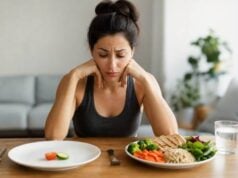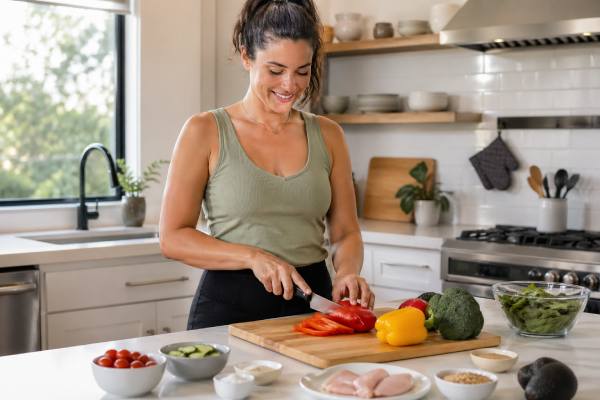
What you eat when you first start losing weight matters, but probably not in the way many people expect. You do not need a perfect “fat-burning” meal plan, expensive diet foods, or a kitchen full of special products. What helps most at the beginning is choosing foods that make it easier to eat a little less without feeling constantly hungry, tired, or overwhelmed.
That usually means building meals around protein, fiber, fruits, vegetables, and satisfying carbs in portions you can repeat consistently. It also means keeping calorie-dense extras under control, having simple meal ideas ready for busy days, and avoiding the common beginner trap of eating too little too fast. This article explains what your first meals should do, which foods deserve most of your attention, how to structure breakfast, lunch, dinner, snacks, and drinks, and what to keep at home so the first few weeks feel simpler instead of harder.
Table of Contents
- What your first meals should do
- Build meals around protein and fiber
- Choose carbs that help you stay consistent
- Use fats, sauces and extras carefully
- Easy breakfast, lunch and dinner ideas
- Smart snacks and drinks for beginners
- What to keep in your kitchen first
- Food mistakes that make starting harder
What your first meals should do
When people first start losing weight, they often focus on what foods they should ban. A better starting question is what your meals should actually accomplish. In the beginning, a good weight loss meal is not just “healthy.” It helps you stay full, keeps your energy steady, reduces random snacking, and is simple enough to repeat on ordinary weekdays.
That matters because early weight loss usually succeeds or fails in boring moments, not dramatic ones. It depends on what you eat before work, what you grab when you are tired, and whether dinner keeps you satisfied long enough to avoid a second round of eating later at night.
Your first meals should do four things well:
- give you a clear source of protein
- include high-volume foods like vegetables, fruit, beans, or potatoes
- keep calories reasonable without feeling tiny
- be easy enough to make again tomorrow
A meal that checks those boxes usually works better than one that only looks impressive on social media. A salad with almost no protein may look “clean,” but it often leaves people hungry an hour later. A simple bowl with chicken, rice, vegetables, and salsa may be less glamorous but far more effective.
It also helps to stop thinking in terms of special diet meals. Many everyday foods can support weight loss when portions and meal structure make sense. Eggs, Greek yogurt, oatmeal, fruit, chicken, tuna, beans, potatoes, rice, wraps, soups, cottage cheese, frozen vegetables, and stir-fries can all fit.
| Meal part | What it does | Examples |
|---|---|---|
| Protein | Helps fullness and supports muscle | Eggs, yogurt, chicken, fish, tofu, beans, cottage cheese |
| Produce | Adds volume, fiber, and nutrients | Vegetables, salads, fruit, soups, frozen vegetable mixes |
| Smart carb | Improves satisfaction and energy | Potatoes, oats, rice, beans, whole-grain bread, fruit |
| Flavor | Makes the meal easier to repeat | Spices, salsa, herbs, mustard, yogurt-based sauces |
The point of your first weeks is not to eat perfectly. It is to make eating well more automatic. If your meals help you feel reasonably full, stay in control around snacks, and stick to your plan on busy days, they are doing their job.
Build meals around protein and fiber
If there are two food priorities that make early weight loss easier, they are usually protein and fiber. They are not magic, but they solve several beginner problems at once: hunger, weak meal structure, and the tendency to drift toward low-satiety snack foods.
Protein helps meals feel more substantial. It also becomes especially useful when you are eating fewer calories, because it can help preserve lean mass and reduce the feeling that every meal disappears too quickly. Fiber helps by slowing things down, adding bulk, and making meals feel larger without adding huge amounts of calories.
That is why many strong beginner meals look fairly similar in structure even when the flavors differ. They start with a main protein source, then add produce and a moderate amount of starch or other carbohydrate.
Good beginner protein choices include:
- eggs and egg whites
- Greek yogurt
- cottage cheese
- chicken breast or thighs
- tuna, salmon, or other fish
- turkey
- tofu, tempeh, or edamame
- beans, lentils, and higher-protein soups
- lean beef in moderate portions
Good fiber-friendly foods include:
- vegetables of all kinds
- fruit, especially whole fruit
- beans and lentils
- oats
- potatoes
- high-fiber wraps or breads
- berries
- popcorn
- chia seeds or ground flax in some meals
This does not mean every meal has to be huge or perfect. It means most meals should be built to actually hold you. A breakfast of coffee and a pastry often leaves beginners ravenous later. A breakfast with yogurt, fruit, and oats or eggs with toast and fruit tends to set up the rest of the day much better.
The same idea works at lunch and dinner. A bowl of pasta with little protein and almost no vegetables can be easy to overeat. A bowl with lean meat or beans, vegetables, and a moderate portion of pasta is often more satisfying even if calories are similar.
One helpful way to think about this is that your meals should be harder to overeat by accident. Protein and fiber help create that effect. This is why it helps to learn how to build a high-protein plate and understand practical fiber food swaps that make your meals more filling without turning them into diet food.
When you are new to weight loss, “eat more protein and fiber” is not advanced advice. It is foundational advice. It makes the rest of the plan easier to follow.
Choose carbs that help you stay consistent
Many beginners assume they need to cut carbs right away. That idea is common, but it is often more extreme than helpful. Carbohydrates are not automatically the problem. The better question is which carbs keep you satisfied and which ones are easiest to overeat without noticing.
Carbs that often work well when starting weight loss include foods that provide either fiber, volume, or steady energy:
- potatoes
- oats
- rice in sensible portions
- beans and lentils
- fruit
- whole-grain bread or wraps
- high-fiber cereal
- pasta in measured portions alongside protein and vegetables
These foods are usually much easier to fit into a sustainable plan than many people expect. In fact, cutting them too hard can backfire. Some beginners go very low-carb immediately, feel deprived, and then rebound into overeating bread, sweets, or takeout after a few days.
A more useful approach is to keep carbs that help you function and enjoy meals, then tighten up the carb sources that are easiest to overdo. That often means being more cautious with:
- pastries and sweet baked goods
- sugary breakfast cereals
- chips and crackers eaten mindlessly
- large restaurant pasta or rice portions
- sweet coffee drinks
- frequent desserts that do not satisfy for long
That does not mean those foods can never fit. It means they are usually less helpful as everyday starter foods when appetite control is the priority.
Carbs also work better when they are paired well. Fruit with yogurt is usually more satisfying than fruit juice alone. Oatmeal with protein-rich toppings is usually stronger than plain sugary cereal. Rice with chicken and vegetables works better than rice as the whole meal.
Another practical point: people often underestimate how much carbs help meal satisfaction. A beginner who eats only lean protein and vegetables at every meal may technically be eating “clean,” but that plan often becomes mentally tiring and socially awkward. Including moderate portions of satisfying carbs often makes the plan easier to keep.
This is especially true if you are active, walking more, or adding workouts. The goal is not to fear carbs. The goal is to choose them on purpose. If you want a clearer sense of what usually works best, review the best carbs for a calorie deficit and compare them with common foods that make a calorie deficit harder because they are easy to overeat and not very filling.
Use fats, sauces and extras carefully
One of the easiest ways to accidentally wipe out a calorie deficit is not with obvious junk food, but with “healthy” calorie-dense extras that seem too small to matter. Oils, nut butters, dressings, cheese, sauces, dips, granola, trail mix, and large handfuls of nuts can all fit into a healthy diet, but they can raise calories quickly without adding much fullness for some people.
This does not mean dietary fat is bad. Fat helps with flavor, satisfaction, and overall diet quality. The issue is that beginners often do not realize how easy it is for portions to grow. A little olive oil in a pan becomes several tablespoons. A spoonful of peanut butter becomes a heavy scoop. A salad becomes a high-calorie meal because of cheese, nuts, dried fruit, and dressing rather than the vegetables themselves.
When you first start losing weight, it helps to keep fats and extras intentional.
That usually means:
- measure oils for a while instead of pouring freely
- keep nut butter portions honest
- use cheese as a flavor booster, not the main event
- choose lighter dressings sometimes, or use less
- be cautious with creamy sauces and dips
- read labels on foods marketed as healthy snacks
You do not need to eliminate these foods. You just need to notice them. This is where many beginners get tripped up. They think they are eating very well because their meals are made of wholesome ingredients, but the total calorie load is still high because the energy-dense extras are doing most of the work.
Flavor still matters, though. The answer is not dry, joyless food. It is to use lower-calorie flavor builders more often, such as:
- salsa
- mustard
- hot sauce
- herbs and spices
- lemon juice
- vinegar-based dressings
- yogurt-based sauces
- broth, tomatoes, and aromatics in soups and stews
The same principle applies to drinks. Sugary beverages, liquid calories, and alcohol often do not create much fullness relative to what they add. Early weight loss gets easier when more of your calories come from food you can actually chew and feel.
Beginners usually do not need to obsess over every gram of fat. They just need to stop letting dense extras pile up invisibly. In the first few weeks, awareness goes a long way.
Easy breakfast, lunch and dinner ideas
The best meals when you first start losing weight are often the meals you can repeat. Variety is great, but beginners usually do better with a few reliable options than with constant improvising.
Breakfast should usually be filling enough to prevent a mid-morning crash, especially if skipping it leads to overeating later. Easy beginner breakfasts include:
- Greek yogurt with berries and oats
- eggs with toast and fruit
- cottage cheese with fruit and nuts in a measured portion
- a protein smoothie with fruit and yogurt
- overnight oats with chia seeds and a protein source
- a breakfast wrap with eggs and vegetables
Lunch works best when it is simple, portable, and not too light. Good beginner lunches include:
- chicken and rice bowls with vegetables
- turkey or tuna wraps with fruit
- bean soup with yogurt or cottage cheese on the side
- leftovers from dinner
- salad with a real protein source and a starch like potatoes or bread
- grain bowls with beans, vegetables, and lean protein
Dinner is where many people need the most structure because hunger, fatigue, and decision fatigue all show up at once. Beginner-friendly dinners often include:
- sheet-pan chicken, potatoes, and vegetables
- stir-fry with lean protein, vegetables, and rice
- tacos with lean meat or beans, salsa, and salad
- turkey chili with beans
- salmon, potatoes, and roasted vegetables
- pasta in a measured portion with protein and vegetables
- soup and sandwich combinations that include protein
A good rule is that each main meal should look like a real meal, not a random collection of “diet foods.” That makes a major difference for adherence. Many beginners fail not because they eat too much at every meal, but because the meals are too unsatisfying to hold them.
It also helps to repeat meals strategically. You do not need seven different breakfasts every week. Two or three solid choices can be enough. The same goes for lunches. Saving creativity for dinner can make weekdays easier.
If you need practical templates, start with high-protein breakfast ideas and a few dependable low-calorie dinner options. The goal is not to find the perfect recipe. It is to reduce the number of times you end up hungry, rushed, and making food decisions on the fly.
Smart snacks and drinks for beginners
Snacks are not automatically good or bad for weight loss. They are useful when they prevent you from becoming overly hungry and less useful when they turn into constant grazing.
A snack makes the most sense when there is a real gap between meals, when you need something before or after activity, or when your main meals are still being improved and you need a bridge. It tends to be less helpful when it is driven by boredom, stress, habit, or easy access to snack foods.
The strongest beginner snacks usually combine protein, fiber, or both. Examples include:
- Greek yogurt
- cottage cheese
- fruit with a measured amount of nut butter
- protein-rich cheese sticks with fruit
- boiled eggs
- roasted edamame
- turkey slices with vegetables
- high-protein yogurt drinks
- popcorn with a protein side
- tuna packets with crackers in a controlled portion
Many snack foods marketed for dieting are not especially satisfying. Tiny bars, sweetened “healthy” treats, and ultra-processed 100-calorie packs sometimes leave people wanting more than if they had eaten a more substantial snack.
Drinks matter just as much. Water should usually be the main default. Coffee and tea can fit well for many people, especially without large amounts of sugar, syrup, whipped toppings, or heavy cream. Sparkling water, flavored water without added calories, and unsweetened beverages can also help.
What often makes early weight loss harder are drinks that do not seem like much in the moment:
- soda
- juice
- sweet coffee drinks
- frequent sports drinks
- alcohol
- sweetened teas
The problem is not only the calories. It is also that these drinks usually do very little to reduce hunger.
If snacking is a regular issue for you, it helps to compare your habits with stronger high-protein snack options and review practical hydration strategies so thirst, habit, and appetite do not get blurred together. A good snack should solve a problem, not create a bigger one an hour later.
What to keep in your kitchen first
The easiest way to eat better when starting weight loss is to make better choices easier at home. You do not need a perfect pantry reset, but it helps to keep foods around that make fast, decent meals possible.
A good first-week kitchen setup often includes a mix of fresh, frozen, and shelf-stable basics.
Helpful protein staples:
- eggs
- Greek yogurt
- cottage cheese
- chicken or turkey
- tuna or salmon packets
- tofu
- canned beans and lentils
- frozen fish
- deli turkey with a short ingredient list
Helpful produce staples:
- frozen vegetables
- salad kits or greens
- carrots, cucumbers, peppers
- apples, bananas, berries, oranges
- potatoes
- onions and tomatoes
- salsa or jarred tomato products
Helpful carb staples:
- oats
- rice
- wraps or bread
- high-fiber cereal
- beans
- pasta
- popcorn
- whole-grain crackers
Helpful convenience items:
- low-sugar sauces or mustard
- broth for soups
- frozen meal components
- simple seasonings
- yogurt-based dips
- microwavable grains if needed
- containers for portioning leftovers
The main goal is not to buy only “clean” foods. It is to reduce the chance that your only easy option is takeout, drive-thru food, or random snacking.
It also helps to think in combinations instead of single items. Eggs plus fruit and toast. Chicken plus potatoes and frozen broccoli. Yogurt plus berries and oats. Beans plus rice and salsa. These combinations are what create useful meals.
Many beginners also benefit from buying fewer foods that are hard to stop eating mindlessly, at least during the first few weeks. That does not have to mean never buying them again. It just means the home environment should support the plan more than it fights it.
For a stronger setup, use a beginner grocery list and a simple weekend meal prep routine so weekday decisions get easier instead of harder.
Food mistakes that make starting harder
Most people do not struggle at the beginning because they picked the wrong superfood. They struggle because the overall setup is too strict, too vague, or too hard to sustain.
One common mistake is eating too little too fast. That can feel productive for a few days, but it often creates strong hunger, low energy, cravings, and rebound overeating. Another mistake is building meals that are low in calories but also low in satisfaction. A tiny salad, a plain rice cake snack, or a protein bar used as a meal may fit a plan on paper, but it may not fit real life for long.
Other frequent beginner mistakes include:
- skipping meals and then overeating later
- trying to remove every “bad” food at once
- relying on salads without enough protein
- drinking too many calories
- using healthy high-calorie foods as if quantity does not matter
- buying diet foods instead of regular foods with better structure
- having no plan for weekends, restaurants, or late-night hunger
- assuming hunger is proof the plan is working
Another big one is expecting your food to become perfect immediately. Early weight loss goes better when you improve your baseline meals rather than trying to create an entirely different identity overnight. Most people do not need a dramatic food personality transplant. They need better defaults.
It is also important not to confuse “healthy” with “small.” A satisfying bowl of chili, potatoes with lean protein, or a wrap with fruit can support weight loss better than a fragile, unsatisfying diet meal that leaves you prowling the kitchen an hour later.
What works best in the beginning is usually simple:
- eat regular meals
- anchor them with protein
- add fruit and vegetables generously
- keep carbs moderate and useful
- watch dense extras
- plan a few repeatable meals
- keep the kitchen stocked for ordinary days
That is less exciting than trendy diet rules, but it is much more effective. The best beginner food plan is not the one that sounds most impressive. It is the one that makes eating well easier on a tired Tuesday, a busy Thursday, and a hungry Sunday night.
References
- How to Have Healthier Meals and Snacks | Healthy Weight and Growth | CDC 2026 (Government Guidance)
- Tips for Cutting Calories | Healthy Weight and Growth | CDC 2025 (Government Guidance)
- Steps for Improving Your Eating Habits | Healthy Weight and Growth | CDC 2024 (Government Guidance)
- Eating & Physical Activity to Lose or Maintain Weight – NIDDK 2026 (Government Guidance)
- Choosing a Safe & Successful Weight-loss Program – NIDDK 2026 (Government Guidance)
Disclaimer
This article is for general educational purposes only and is not a substitute for personal medical advice, diagnosis, or treatment. If you have a medical condition, take medication that affects appetite, blood sugar, or weight, or are pregnant, postpartum, or breastfeeding, get individualized guidance before making significant diet changes for weight loss.
If this article helped you decide what to eat when starting weight loss, share it on Facebook, X (formerly Twitter), or any platform where it could help someone build a simpler and more sustainable plan.