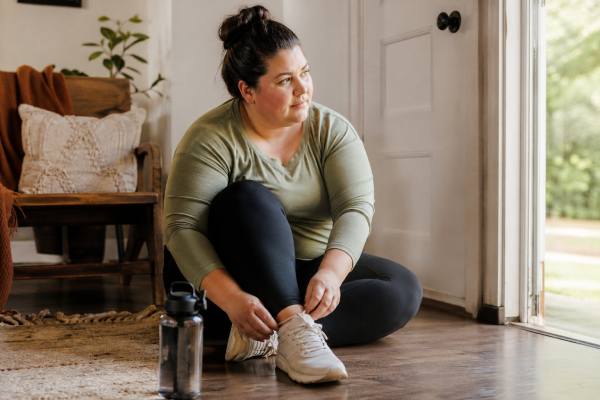
You do not need to love workouts, join a gym, or force yourself through punishing routines to start losing weight. For many people, the first real progress comes from changing food habits, reducing calorie intake in practical ways, and adding only enough movement to support health and consistency. That is especially important if exercise feels boring, painful, intimidating, time-consuming, or tied to bad past experiences.
The key is not pretending exercise does not matter. It does matter for health, fitness, strength, and weight maintenance. But if you hate exercise, trying to build your whole plan around something you already resist is often the fastest way to quit. A better starting point is to make weight loss easier through food choices, daily routines, and low-friction movement that does not feel like a formal workout. The sections below show how to do that without turning your life into a fitness project you never wanted.
Table of Contents
- You can start without loving exercise
- Put most of your effort into food
- Build meals that make the deficit easier
- Make your environment reduce friction
- Use movement that does not feel like a workout
- Track a few things without obsessing
- What progress should look like
- When to add more exercise or get help
You can start without loving exercise
A lot of people think they have to become “an exercise person” before they can lose weight. That idea causes more damage than it helps. If you already dislike exercise, building your entire plan around daily workouts can create instant resistance. You miss a few sessions, feel like you failed, and start telling yourself the plan is not realistic. Often, the problem is not you. The problem is the entry point.
Weight loss starts with a calorie deficit, which means using more energy than you take in over time. Exercise can contribute to that, but for most people it is much easier to remove a few hundred calories from food and drinks than it is to burn the same amount through hard workouts day after day. That is why many people can make real progress even when formal exercise is limited or inconsistent. If you need a fuller explanation of that idea, it helps to understand whether you can lose weight without exercise at all. In many cases, the answer is yes, especially at the beginning.
That does not mean exercise is useless. It has important benefits that go beyond the scale. It can improve fitness, energy, mood, sleep, blood sugar, strength, and long-term weight maintenance. But those benefits do not require you to start with punishing routines you hate. They also do not mean you have to wait to begin losing weight until your attitude toward exercise magically changes.
People who say they hate exercise often hate one or more of these things:
- being sore, out of breath, or embarrassed
- gym culture or feeling judged
- repetitive cardio they find boring
- high-intensity workouts that feel punishing
- sports or classes they were pushed into before
- the time and mental energy formal workouts seem to require
That distinction matters. Many people do not actually hate movement. They hate the packaged version of movement they think “counts.” Walking while listening to music, gardening, doing short activity breaks, dancing in the kitchen, or taking stairs more often may not feel like exercise in the traditional sense, but it still helps.
The best starting mindset is simple: you do not need to win a battle with exercise to begin. You need a weight-loss approach that fits your current reality. That means focusing first on the levers that create the biggest return with the least resistance, then adding movement in ways that feel acceptable enough to repeat.
| Lever | Why it matters | Best first step |
|---|---|---|
| Food intake | Usually the fastest way to create a calorie deficit | Reduce high-calorie extras and liquid calories |
| Meal structure | Makes hunger easier to manage | Center meals around protein and filling foods |
| Food environment | Reduces impulse eating | Make easier choices more visible and convenient |
| Daily movement | Supports health and increases energy use without formal workouts | Add short walks and movement breaks |
| Consistency | Determines whether progress lasts | Choose habits you can keep on ordinary weeks |
Put most of your effort into food
If you hate exercise, food has to do more of the work. That does not mean starving yourself, counting every crumb, or living on salads. It means learning where calories are coming from and cutting them in ways you can sustain.
For most people, the highest-impact changes are not dramatic. They are the unglamorous ones: fewer sugary drinks, less alcohol, fewer snacks you barely notice, smaller portions of calorie-dense foods, fewer restaurant meals that quietly run high, and less “I was good all day, so now I deserve this” eating at night. These changes may not look exciting on social media, but they are often what make a plan actually work.
A useful place to start is to identify the foods and habits that give you a lot of calories without much fullness. Common examples include:
- sweet drinks, specialty coffees, juice, and alcohol
- chips, candy, pastries, and mindless snacking
- large portions of takeout or convenience food
- sauces, dressings, and extras that pile up fast
- frequent “treat meals” that are really oversized meals
This does not mean you can never have those foods. It means they should stop being invisible. If you hate exercise, you cannot rely on “burning it off later,” because that mindset usually leads to frustration. A better approach is to design your eating so you do not need to constantly compensate.
That is where a basic calorie deficit becomes practical rather than abstract. You do not need the perfect number on day one, but you do need habits that move intake downward. A guide to calorie deficit steps can help you do that without turning the whole process into math homework.
Some people do well with full calorie tracking. Others do better with simpler rules such as:
- build three meals around protein and produce
- keep snacks planned instead of random
- make drinks low-calorie by default
- reduce takeout frequency
- use a smaller portion of the most calorie-dense part of the meal
The right method is the one you will keep doing. If a detailed app makes you more aware and not more stressed, great. If it makes you obsessive and tired, use a simpler structure. The goal is not to prove discipline. The goal is to make lower intake more repeatable than overeating.
One overlooked point is that food quality affects effort. A calorie deficit built on pastries, snack foods, and restaurant meals usually feels much harder than one built on protein, fiber, fruit, vegetables, potatoes, soups, yogurt, eggs, lean meats, beans, and other filling foods. The calories may technically count the same, but the hunger usually does not.
If you hate exercise, make your eating pattern so practical that it does not require heroic restraint every afternoon and evening. That is when weight loss starts to feel possible instead of theoretical.
Build meals that make the deficit easier
The best meals for someone who hates exercise are not necessarily the lowest-calorie meals. They are the meals that make it easier not to overeat later. That usually means meals built around fullness, satisfaction, and predictability.
Protein matters here because it tends to help with hunger control and muscle retention during weight loss. Fiber matters because it slows eating, adds volume, and often improves satiety. Food volume matters because a physically large meal can feel more satisfying than a tiny “diet” meal with the same calories. This is why people often do better with substantial, simple meals than with dainty portions that leave them prowling the kitchen two hours later.
A practical meal formula looks like this:
- a solid protein source
- one or two high-volume, lower-calorie foods
- a reasonable portion of starch or fat, depending on preference
- enough flavor that the meal feels normal, not punitive
Examples include Greek yogurt with fruit and oats, eggs with potatoes and vegetables, a chicken rice bowl with lots of vegetables, a bean-based soup with lean protein, a tuna sandwich with fruit, or a large salad that includes enough protein to actually hold you. You do not need gourmet meals. You need meals that reduce the chance of snacking your way through the evening.
This is where a lot of “I hate exercise” plans go wrong. People try to compensate by eating like they are on a punishment protocol. Breakfast becomes coffee. Lunch becomes a small salad. By late afternoon, hunger is high, decision-making is worse, and the night turns into grazing. That kind of pattern can erase a whole day of good intentions fast.
Instead, try to make each meal do a job:
- breakfast should prevent the midmorning crash
- lunch should prevent the afternoon vending-machine mindset
- dinner should be filling enough that nighttime snacking is optional, not inevitable
That usually works better than spending all day trying to “save calories.” If you want a helpful shortcut, use the kinds of foods covered in foods that work well in a calorie deficit and make sure each main meal includes enough protein. For many people, hitting a sensible protein target per meal improves fullness more than obsessing over minor details like meal timing or “fat-burning” ingredients.
Another useful insight is that repetition can be an advantage. Many people lose weight more easily when they rotate a small number of breakfasts, lunches, and snacks they genuinely like. Variety is not always your friend if it means more decisions, more temptation, and more opportunities to overshoot calories.
If you hate exercise, your meals need to do more than taste good. They need to make the rest of the day easier.
Make your environment reduce friction
When motivation is low and exercise already feels like a burden, your environment matters even more. You do not want every good choice to require willpower and every easy choice to lead you off track.
A lot of overeating is environmental, not dramatic. It happens because food is visible, convenient, rewarding, and repeatedly available when attention is low. That is why changing your kitchen, shopping routine, and work setup often helps more than relying on motivation speeches in your own head.
Start with visibility and convenience. The foods that are easiest to grab are the foods that usually get eaten first. If the front of your fridge holds soda, desserts, and leftovers you keep picking at, that matters. If it holds cut fruit, yogurt, protein options, and easy lunch ingredients, that matters too. The same goes for pantry shelves, desk drawers, car snacks, and whatever ends up beside your couch at night.
A helpful reset usually includes:
- buying fewer foods that lead to automatic overeating
- keeping higher-calorie treats less visible and less accessible
- stocking quick, filling basics you will actually eat
- planning a few backup meals for busy or stressful days
- making your usual “bad moments” harder to slide into
That last point is important. Most people already know where their weak spots are. Maybe it is the drive home, late-night TV, weekend takeout, stress eating after work, or random office snacks. A good environment strategy looks at those moments directly instead of pretending you will simply be “stronger” next time.
This is why a deliberate food environment reset can be so effective. It lowers the number of decisions you have to win. And if grocery shopping is one of your failure points, building a simple beginner grocery list removes a lot of the chaos before it starts.
Another overlooked strategy is reducing exposure to decisions that drain you. Do not ask yourself six times a day whether you will be “good.” Decide sooner. Pre-choose breakfast. Keep a default lunch. Have an emergency dinner in the freezer. Know what you will order from two or three places if you need takeout. The less you improvise when hungry, the easier the deficit becomes.
People who hate exercise often do better when they stop trying to “earn” weight loss through suffering and instead make the environment quietly cooperate. That is not cheating. It is smart design.
Use movement that does not feel like a workout
Even if you hate formal exercise, some movement is still worth adding. The trick is choosing movement that feels low-drama enough to repeat. You do not need to jump straight to spin classes, boot camps, or hour-long gym sessions. In fact, those choices are often the wrong ones for someone who already resists exercise.
Walking is usually the easiest entry point because it requires almost no skill, little preparation, and very low mental friction. You can split it up. You can do it indoors or outdoors. You can listen to something while you do it. You can make it social or private. That flexibility matters.
If walking sounds tolerable but “exercise walks” do not, reframe it. Think of it as a break, transition, reset, or digestion habit rather than training. Small blocks count. Five to ten minutes after meals, a short loop around the block, a walk during calls, parking farther away, or taking stairs when practical can all raise daily movement without feeling like a fitness plan.
For people who hate exercise, the best forms of movement often share a few traits:
- low setup time
- low embarrassment
- low skill requirement
- easy to stop and restart
- possible at home or near home
- does not leave you wrecked afterward
That is why options like walking, easy cycling, short mobility work, bodyweight basics, yard work, or active chores may work better than harder programs. In many cases, movement that feels almost too easy is exactly what becomes consistent.
You can also use “movement snacks,” which are short activity breaks spread through the day rather than one formal session. A few minutes here and there may not feel impressive, but they reduce sitting time, add energy use, and often feel more manageable than a scheduled workout. That makes approaches like short movement breaks surprisingly useful for exercise-averse people. Another low-resistance option is brief walks after meals, which can support daily activity without making your day revolve around fitness.
The point is not to trick yourself into becoming someone else. It is to find the smallest amount of movement you dislike the least and make it normal. Over time, some people discover they no longer hate all exercise. They just hated starting with the hardest, most identity-heavy version of it.
And if you never come to love exercise, that is still okay. You only need enough movement to help health, support your routine, and make long-term progress more sustainable.
Track a few things without obsessing
If you hate exercise, you need feedback from somewhere else. Otherwise it becomes very easy to feel like “nothing is working” even when you have not given yourself a clear way to measure what is happening.
That does not mean you need to track everything. Overtracking can be just as unhelpful as tracking nothing. A better strategy is to pick a small number of useful measures and look at them consistently.
For many people, the most useful things to track are:
- body weight trend, not day-to-day emotion
- meal consistency
- drinks that contain calories
- planned versus unplanned snacks
- rough daily movement, even if it is just walks or breaks
- high-risk situations that usually lead to overeating
This kind of tracking works because it shows whether the plan is being carried out, not just whether you hope it is. It also helps you see patterns. Maybe the issue is not that you “hate exercise.” Maybe the issue is that weekends erase the weekday deficit, lunch is too small, or you drink more calories than you realized.
A simple system beats a perfect one. You might weigh several times a week under similar conditions, keep a short food log, or just check off a few daily targets such as protein at meals, no liquid calories, and one walk. People often assume that if they are not counting everything, they are not really tracking. That is not true. Many do well with approaches built around tracking without counting every calorie.
One of the best reasons to track is emotional, not technical. It keeps you from turning every hard day into a story about failure. If you can see that six of the last eight days were solid, it is easier to correct one bad evening without overreacting. Without tracking, people often judge the whole plan based on mood, not patterns.
The goal is not perfect compliance. It is course correction. Someone who notices the drift early can fix it with a few practical changes. Someone who avoids all feedback often waits until frustration is much higher. If you already hate exercise, you do not want your plan to become emotionally heavier than necessary. Simple tracking keeps the process honest without making it miserable.
What progress should look like
Progress without formal exercise is usually less dramatic than transformation marketing suggests, but it can still be meaningful and steady. In many cases, the first signs of success are not even visual. They are structural.
You may notice that meals feel more predictable, cravings hit less often, nighttime snacking happens less, and the scale starts trending down over several weeks instead of bouncing around meaninglessly. You may also notice that clothes fit differently before the mirror gives you the obvious “after” moment you expected.
A realistic early goal is not to lose the maximum possible amount in the first two weeks. It is to prove that you can repeat the plan on ordinary days. That matters because people who hate exercise often have a history of all-or-nothing attempts. They do a strict reset, try to force themselves into workouts, hate every minute of it, then quit. A slower start that actually sticks is usually more valuable.
Common early wins include:
- fewer mindless snacks
- more satisfying meals
- lower calorie intake without constant hunger
- modest but real downward movement in average body weight
- less guilt around missed workouts because workouts are no longer the center of the plan
- slightly more daily movement even without “training”
Do not expect a straight line. Some weeks will look flat because of water retention, sodium, hormones, constipation, poor sleep, or restaurant food. That does not mean the plan stopped working. It means body weight is noisy. The right question is whether your average trend over a few weeks is moving in the right direction and whether the plan still feels possible to continue.
This is also where patience becomes a practical skill. If you start without formal exercise, your timeline may still be perfectly reasonable. The better question is not “Am I losing as fast as possible?” It is “Am I building a system I can keep doing for the next three months?” That is the question that predicts real results.
If your routine stays consistent, food quality improves, calorie intake stays lower, and you add a bit more daily movement over time, progress can be surprisingly solid even without a traditional exercise identity.
When to add more exercise or get help
Starting without exercise is often smart. Staying there forever is not always the best long-term plan. At some point, more activity may help with health, fitness, maintenance, mood, mobility, or preserving muscle as you lose weight. The key is to add it when it feels useful and tolerable, not when shame tells you that you “should have done more all along.”
A good time to add more activity is when food changes feel reasonably stable and the idea of one or two small movement upgrades no longer feels overwhelming. That might mean longer walks, a couple of short strength sessions each week, a beginner home program, or simply a more intentional daily step goal. You do not need to leap from zero to athlete mode. You just need to build on what is already working.
You should also rethink the “I hate exercise” label if what you really hate is one narrow version of exercise. Plenty of people dislike running but enjoy walking. Others dislike gyms but like hiking, dancing, cycling, or short strength sessions at home. The point is not to force enthusiasm. It is to stop assuming that one bad fit means all movement is off-limits.
It is also worth getting help if:
- pain, injury, or disability makes movement hard
- your weight is not changing after several weeks of strong consistency
- hunger feels extreme and hard to manage
- you suspect medication or a health condition is affecting progress
- your eating is becoming obsessive, chaotic, or binge-restrict
- you feel stuck between avoiding exercise and fearing all activity
In those cases, talking with a clinician can save you a lot of wasted effort. A registered dietitian, doctor, or other qualified professional can help you decide whether the main issue is calories, routine, medication, pain, sleep, or something else. If you are unsure whether your situation needs that kind of support, it can help to start with guidance on when to talk to a doctor before weight loss.
The bottom line is that hating exercise does not disqualify you from losing weight. It simply changes the smartest entry point. Start with the part of the process you are most likely to sustain, let food and routine do most of the early work, and add movement in the smallest forms you can live with. Weight loss does not have to begin with a workout plan you dread. In many cases, it works better when it does not.
References
- Steps for Losing Weight | Healthy Weight and Growth 2025 (Government Guidance)
- Tips for Cutting Calories | Healthy Weight and Growth 2025 (Government Guidance)
- Choosing a Safe & Successful Weight-loss Program – NIDDK 2026 (Government Guidance)
- Physical Activity and Your Weight and Health | Healthy Weight and Growth | CDC 2023 (Government Guidance)
- Weight Loss in Short-Term Interventions for Physical Activity and Nutrition Among Adults With Overweight or Obesity: A Systematic Review and Meta-Analysis 2024 (Systematic Review)
Disclaimer
This article is for general educational purposes only and is not a substitute for medical advice, diagnosis, or treatment. If you have chronic pain, a medical condition, mobility limits, are pregnant or breastfeeding, or feel unable to be active safely, get personalized guidance before starting a weight loss plan.
If this article helped you rethink weight loss without formal exercise, please share it on Facebook, X, or your preferred platform.