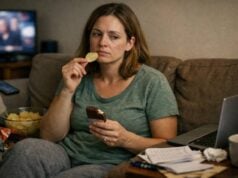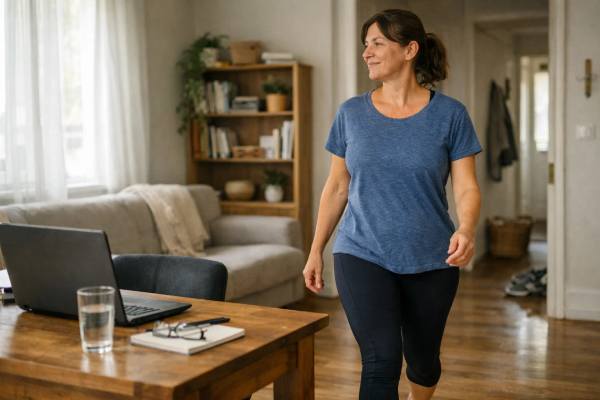
Short walks and movement breaks will not erase hunger, but they can make cravings easier to manage in the right situations. For many people, a brief bout of movement helps not because it “burns off” appetite, but because it interrupts stress, boredom, mental fatigue, long periods of sitting, and the cue-driven habits that often lead to snacking. In some cases, short activity breaks may even reduce subjective appetite for a while. In others, they mainly help by improving focus, mood, and self-control.
That distinction matters. Movement snacks are not a magic fix for overeating, but they can be a surprisingly useful tool for appetite control when they are used at the right time and for the right reason.
Table of Contents
- What movement snacks actually are
- How short movement breaks can affect cravings
- When movement snacks help most
- When they will not fix the problem
- Best types of movement snacks for appetite control
- How to use them in real life
- Common mistakes and what to expect
What movement snacks actually are
Movement snacks are short bouts of physical activity done throughout the day rather than in one long workout block. They usually last anywhere from 1 to 10 minutes and are meant to be easy enough to fit into ordinary life. That could mean a quick walk after a meal, a few minutes of stairs, standing and pacing during a phone call, marching in place while waiting for food to heat up, or a brief circuit of bodyweight movements between work tasks.
The term sounds trendy, but the basic idea is simple: instead of staying still for long stretches and relying only on planned workouts, you insert small doses of movement into the day. For appetite control, that matters because many cravings do not arrive in a vacuum. They show up during predictable moments such as afternoon slumps, stressful work transitions, long sedentary stretches, evening restlessness, and the mental drag that comes from sitting too long.
Movement snacks help most when they are used as a pattern interrupter. If you normally reach for food every time your energy dips or your attention drifts, a short walk or break can give your brain another response. That is one reason they fit naturally with habit loops. The cue may still be the same, but the routine changes.
They also matter because appetite is not just stomach-deep. It is shaped by mood, stress, routine, sleep, boredom, environmental cues, and your current level of mental fatigue. A person sitting at a desk for four hours may not be physically hungry, but they may feel flat, restless, and snack-ready. In that moment, a movement snack does something food often gets used for: it changes state.
That is different from traditional exercise advice. A full workout can help with weight loss, but it can also feel too big or too fragile to rely on in busy life. Movement snacks are smaller, faster, and easier to repeat. They are especially useful for people who struggle more with consistency than with knowledge.
A movement snack does not have to be intense to count. It only needs to be enough to shift you physically and mentally. That is why short walks are often the most practical version. They are familiar, low-risk, and easy to do in work clothes, at home, or after meals. More structured versions can help too, but the best one is usually the one you will actually do when the craving moment arrives.
This is also why they overlap with broader step habits for busy days. The value is not just the calories burned. It is the way small bursts of movement can reduce friction and keep the day from sliding into a pattern of sitting, snacking, and feeling depleted.
How short movement breaks can affect cravings
Movement snacks can affect cravings in a few different ways, and not all of them are about hunger hormones. In fact, one of the biggest mistakes people make is assuming that if a short walk helps them eat less, it must be because movement directly “turned off” appetite. Sometimes it may reduce subjective appetite for a while, but often the effect is more behavioral and psychological than dramatic or hormonal.
One possible pathway is stress relief. If you feel keyed up, irritated, or overloaded, food can look like a fast way to change how you feel. A brief walk, stair climb, or standing break can reduce some of that internal pressure and make it easier to pause before eating. That is one reason a short walk for stress relief and appetite control can be more effective than trying to outthink a craving while sitting still.
Another pathway is state change. Cravings often build when you stay in the same posture, same room, same screen-based task, and same mental loop for too long. Movement breaks disrupt that pattern. They change your body position, breathing, visual input, and focus. Even a few minutes of movement can help you reset enough to ask, “Am I actually hungry, or do I just need a break?”
Movement can also help with mental fatigue and attention. After long stretches of work, especially repetitive or cognitively demanding work, your decision-making can get weaker. That is exactly when vending machines, pantry wandering, and convenience snacks start to look more appealing. Breaking up the day with movement may make it easier to resist cue-driven eating by improving alertness and reducing that “I need something” feeling. That overlap with decision fatigue is one reason afternoon cravings often respond better to a break than to more rules.
There may also be a short-term appetite effect depending on the type and intensity of movement. Some research suggests that acute exercise can temporarily suppress appetite sensations, especially with moderate-to-vigorous activity, while brief activity breaks do not usually trigger a compensatory rebound in hunger right away. In plain language, movement snacks are unlikely to make most people suddenly ravenous in the short term, and in some cases they may make appetite feel a bit quieter.
That said, cravings and appetite are not the same thing. A true physical need for food will usually remain. If you are genuinely under-fueled, a walk may delay eating for a short time, but it will not solve the real problem. Movement snacks work best for cravings driven by stress, boredom, restlessness, prolonged sitting, or habit. They work much less well for actual biological hunger.
A useful practical rule is this: movement snacks are best at reducing the urge to eat for relief or stimulation, not at replacing meals your body actually needs.
When movement snacks help most
Movement snacks tend to work best when cravings are triggered by a situation rather than a true energy deficit. In other words, they are most useful when the urge to eat is coming from your context, your nervous system, or your routine.
One of the strongest use cases is the afternoon slump. Many people hit a wall between lunch and dinner, especially if they have been sitting for hours. Energy dips, focus fades, and food starts to look like a shortcut to feeling better. A 5- to 10-minute walk, a few flights of stairs, or even a standing movement break can work as a reset. It may not erase hunger if lunch was too small, but it often helps separate “I need stimulation” from “I need food.”
They are also useful after stressful tasks or work transitions. Finishing a tense meeting, logging off after a demanding day, or moving from work mode into home mode can all trigger urge-based eating. In those moments, a movement snack creates a buffer between stress and food. This is especially relevant if you deal with stress snacking at work or feel a strong pull to eat the moment the workday ends.
Another strong time is after meals. A short walk after lunch or dinner may help in several ways at once: it breaks up sitting, supports post-meal blood sugar control, and reduces the “meal is over, now I want something extra” drift that often leads to dessert or grazing. That is why 10-minute walks after meals are such a practical starting point for people who want a low-friction appetite-control habit.
Movement snacks can also help during screen-based evening cravings. If the urge to snack shows up while watching TV, scrolling, or sitting around feeling flat, movement can provide the stimulation your brain may actually be looking for. That is especially true when the craving feels vague rather than strongly food-specific.
They may also be useful in office and desk-job routines, where long periods of sitting blur together and snacking becomes part of the environment. A person who rarely leaves their chair may benefit from scheduled breaks more than they realize. In that context, movement is not only about calories. It is about interrupting the behavioral chain that links sitting, fatigue, and nibbling. That is why many people do well with a simple desk job movement plan rather than trying to rely on willpower at their desk.
The common thread in all of these situations is that movement snacks help when food is being used as a quick state-change tool. If the real problem is restlessness, stress, transition fatigue, mental fog, or boredom, movement has a good chance of helping.
When they will not fix the problem
Movement snacks are useful, but they are not universal. There are several situations where they are unlikely to solve the craving, and it helps to be honest about that.
The first is true physical hunger. If you have skipped meals, under-ate earlier in the day, or went too long without enough protein, fiber, or total calories, a short walk is not the right main solution. It may buy a little time, but it will not replace the food your body actually needs. If you notice a pattern of intense late-day cravings, it may be more important to improve your daytime meals than to keep adding more appetite tricks. More stable meal routine consistency often does more for appetite control than any single craving strategy.
The second is poor sleep. When you are sleep deprived, hunger, cravings, reward-seeking, and impulse control all tend to shift in the wrong direction. Movement may still help your mood, but it cannot fully override the biological pressure that comes with inadequate sleep. If your cravings spike after short nights, the real lever may be the link between poor sleep and stronger hunger, not a lack of walking breaks.
A third situation is emotionally loaded eating. If the urge to eat is tied to loneliness, sadness, frustration, or emotional overwhelm, a short movement snack may help a little, but it may not be enough on its own. In those cases, you may need a broader coping strategy rather than a quick physical reset.
Movement snacks also will not help much if they become permission slips. Some people start treating a short walk as a reason to reward themselves with extra food afterward. That does not mean the movement is bad. It means the mental framing around it needs work. A movement snack should be a response to a craving-prone moment, not a transaction that “earns” a treat.
They can also fail if the movement is too hard, too annoying, or too unrealistic. If your plan is so intense that you dread doing it, you probably will not use it when the craving hits. The best craving-breaking movement snacks are light enough to feel doable on ordinary days, not just on disciplined ones.
Finally, they will not fix a deeply cue-heavy food environment by themselves. If your kitchen, desk, car, or evening routine is full of easy snack cues, movement can help interrupt the pattern, but the environment still matters. That is why a better food environment reset often works best alongside movement rather than instead of it.
In short, movement snacks help most when they match the cause of the craving. If the cause is fatigue, boredom, stress, or prolonged sitting, they are often useful. If the cause is under-fueling, bad sleep, or strong emotional distress, they may help only a little unless the real issue is addressed too.
Best types of movement snacks for appetite control
The best movement snack for appetite control is not necessarily the one that burns the most calories. It is the one that changes your state quickly and feels easy enough to repeat. In practice, a few types work especially well.
Short walks
This is usually the best place to start. Walking is accessible, low-impact, and easy to fit into ordinary routines. A brief walk can reduce mental stagnation, break environmental cues, and give you enough time to check whether you are hungry or just craving relief.
Practical walking movement snacks include:
- 5 to 10 minutes after meals
- a quick walk before opening the pantry after work
- pacing during calls
- a lap around the block during the afternoon slump
- walking while listening to one song or one short podcast segment
Standing and mobility breaks
If you cannot easily leave your desk or home, standing up and moving joints can still help. Arm circles, gentle squats to a chair, calf raises, marching in place, or a few minutes of stretching can shift you out of that glued-to-the-chair state that often leads to mindless snacking.
Stairs or brisk bursts
A slightly more vigorous break can work well if you like the feeling of a stronger reset. A few flights of stairs or a brisk 2- to 3-minute effort may reduce appetite sensations in some situations, but it is not necessary for everyone. The key is that it feels energizing, not punishing.
Bodyweight circuits
Simple mini-circuits such as squats, wall push-ups, step-ups, or lunges can work if you enjoy structure. These are especially useful at home when walking outside is not convenient.
| Type | Good duration | Best use case |
|---|---|---|
| Easy walk | 5 to 10 minutes | After meals, after work, afternoon cravings, evening restlessness |
| Standing and mobility break | 2 to 5 minutes | Desk work, meetings, boredom, screen fatigue |
| Brisk walk or stairs | 2 to 5 minutes | Mental fog, stronger urge to snack, post-lunch slump |
| Bodyweight mini-circuit | 3 to 8 minutes | Home routines, rainy days, quick energy reset |
In general, walking is the safest default because it is easiest to repeat and least likely to create rebound thoughts like “I worked hard, now I deserve food.” More intense movement can help some people, but the best option is the one that reduces friction and fits naturally into your day.
How to use them in real life
Movement snacks work best when they are planned around predictable craving points rather than used randomly. If you wait until you feel completely overwhelmed, you are more likely to forget or skip them. It helps to decide in advance where they belong.
Start by identifying your top two or three craving windows. For example:
- 3:00 to 4:30 p.m. at work
- right after getting home
- after dinner
- while watching TV
- after long sitting periods on weekends
Then attach a movement snack to that moment.
Examples:
- After lunch, I walk for 10 minutes.
- If I want to snack right after work, I walk before going into the kitchen.
- If I have been sitting for 60 minutes, I stand and move for 2 to 3 minutes.
- If I want dessert just because I feel restless, I take a short walk first.
This is where planning ahead matters. A simple if-then structure can be especially effective: if the craving cue shows up, then the movement snack happens first. That makes it easier to act without debate.
You can also pair movement with a short appetite check:
- Move for 3 to 10 minutes.
- Drink some water if you tend to confuse thirst and cravings.
- Ask yourself whether the urge now feels like hunger, habit, stress, or boredom.
- If you are truly hungry, eat a real meal or snack.
- If the urge has softened, continue with your next planned activity.
This is important because the goal is not to use movement to ignore hunger. It is to help you tell the difference between hunger and a craving state.
For many people, movement snacks work even better when they are embedded in a broader routine. A few examples:
- part of a morning routine that improves energy and appetite control later in the day
- an after-work transition to reduce stress eating
- a post-dinner routine to cut down on drifting into extra snacks
- a desk-work pattern where movement happens before snacking decisions
Keep the bar low enough that you will still do it on a tiring day. Five minutes done consistently will usually beat a complicated plan you skip most of the time.
It also helps to view movement snacks as one option in a craving toolbox, not the only one. Some days the right answer will be a walk. Other days it might be a balanced snack, a stress-management tool, or going to bed earlier. The most effective strategy is usually the one that fits the reason behind the urge.
Common mistakes and what to expect
The biggest mistake is expecting movement snacks to work like an on-off switch for hunger. They usually do not. They are better thought of as a low-effort regulation tool. Sometimes they reduce cravings noticeably. Sometimes they simply take the edge off and help you make a better next decision.
Another mistake is using them only after cravings are already intense. They often work better when used proactively, such as after long sitting periods, after meals, or before your usual snack window. By the time a craving has built into a full “I need something now” moment, you may be less willing to move at all.
A third mistake is choosing movement that feels too unpleasant. If your craving plan depends on a punishing burst of exercise, you may resist it or start treating food as compensation afterward. Movement snacks are not meant to be punishment. They are meant to be easy enough to repeat.
People also go wrong by ignoring the rest of the routine. If you are under-eating all day, sleeping badly, or surrounded by easy snack cues, no 5-minute walk will fully fix that. Movement snacks work best when they support a broader structure that includes meals, sleep, and environment.
Another common issue is not noticing which cravings they help. Many people find movement most helpful for:
- boredom cravings
- stress-transition cravings
- screen-time snacking urges
- post-meal “I want something else” urges
- desk-job restlessness
They may be less helpful for:
- strong biological hunger
- severe sleep-loss cravings
- emotionally intense eating urges
- highly social eating situations
A realistic expectation is that short walks and breaks can lower the frequency or intensity of some cravings, especially when sitting, stress, boredom, and mental fatigue are part of the trigger. They may also help prevent a craving from becoming automatic eating. What they usually do not do is eliminate the need for real food or replace the core basics of weight loss.
That is still valuable. In real life, even a modest reduction in cue-driven snacking can matter a lot. If a brief movement break helps you avoid one or two unnecessary eating episodes most days, the effect adds up over time.
The practical bottom line is this: movement snacks are not a miracle, but they are one of the simplest ways to interrupt the chain between “I feel off” and “I should eat something.” When used at the right moments, they can make appetite control easier, more automatic, and much less dependent on willpower.
References
- Replacing Sedentary Time with Physical Activity and Sleep: A 24-Hour Movement Behaviour Perspective on Appetite Control 2025 (Review)
- The impact of acute exercise on appetite control: Current insights and future perspectives 2023 (Review)
- Physical Exercise and Appetite Regulation: New Insights 2023 (Review)
- Breaking up sitting with short frequent or long infrequent physical activity breaks does not lead to compensatory changes in appetite, appetite-regulating hormones or energy intake 2023 (RCT)
- Short, frequent high-intensity physical activity breaks reduce appetite compared with a continuous moderate-intensity exercise bout 2022 (RCT)
Disclaimer
This article is for general educational purposes only and is not a substitute for medical, nutrition, or mental health advice, diagnosis, or treatment. If you have frequent loss-of-control eating, medical conditions affecting appetite, or symptoms that make exercise unsafe or difficult, speak with a qualified healthcare professional before changing your routine.
If you found this article helpful, please share it on Facebook, X, or your preferred platform so others can use simple movement breaks to support appetite control and healthier routines.