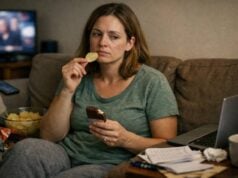
A short walk will not solve every craving, but it can change the moment that cravings usually take over. When stress is high, attention narrows, urges feel louder, and eating becomes an easy way to shift your mood fast. Walking helps by giving your brain a transition, your body a release valve, and your appetite a brief reset.
That is why walking for stress relief and appetite control can be more useful than many people expect. You do not need a long workout or a perfect schedule. In many cases, five to fifteen minutes is enough to lower tension, interrupt stress eating, and help you make a calmer next decision. This article explains why walking can curb cravings, when it works best, how long to walk, and how to turn it into a habit that supports weight loss without feeling like another chore.
Table of Contents
- Why walking can change a craving moment
- How walking helps stress drop faster
- How walking affects appetite and urges
- Best times to walk for craving control
- How long and how often to walk
- How to make short walks automatic
- When a walk is not enough
Why walking can change a craving moment
Cravings often feel like food problems, but many of them are really state problems. You are overwhelmed, overstimulated, restless, frustrated, tired, or mentally stuck. Food looks appealing because it offers a quick shift in how you feel. A short walk can do something similar, but with different downstream effects.
Walking changes the moment in three useful ways.
First, it creates distance between the urge and the action. A craving that feels automatic in the kitchen, at your desk, or on the couch often feels less urgent once you step outside or even walk down the hall and back. That pause matters. It gives you time to move from reacting to choosing.
Second, walking helps discharge stress. When your body is tense, your mind tends to scan for relief. Food is one option, but movement is another. Even a brisk walk can soften that keyed-up feeling that makes cravings seem immediate and non-negotiable.
Third, walking can interrupt the cue-reward loop behind habitual eating. Many people snack not because they are deeply hungry, but because a specific time, place, or feeling triggers a familiar routine. Walking breaks that sequence. It changes your environment, your posture, your attention, and often your mood.
This is why short walks work so well in everyday life. They are not just “extra calorie burn.” They are a practical behavioral tool. The more you use walking as a response to tension, the less often stress gets to pick your food choices for you.
A helpful way to think about it is this: walking does not always erase a craving, but it often reduces its volume. The urge may still be there, yet it feels more manageable, more specific, and less loaded with emotion. That makes it easier to decide whether you actually need food, water, rest, distraction, or a proper meal.
This is especially important for people who turn to food after work, during long desk days, or at night when structure disappears. In those moments, a walk can function as a reset button. It becomes a transition instead of a treat.
If you already know stress is one of your main overeating triggers, think of walking as one of the simplest tools in a larger stress management routine for weight loss. You are not walking to “earn” food or punish yourself for wanting it. You are walking to help your body and brain settle enough to make a better next choice.
How walking helps stress drop faster
Stress is not only a thought. It is a physical state. Your muscles tighten, breathing gets shallower, attention narrows, and you become more likely to act fast rather than think clearly. That is one reason stress eating can feel almost automatic. Your body is looking for relief now.
Walking helps because it works on that physical state directly. You do not have to reason your way out of stress before you move. The movement itself can change how you feel.
A short walk can help in several ways:
- It reduces the trapped, agitated feeling that builds during long periods of sitting.
- It gives your mind a break from the task, conflict, or environment that triggered the stress.
- It can improve mood enough to lower the urgency of comfort eating.
- It creates a natural transition after work, after an argument, or after an intense block of concentration.
This is one reason walking is often more practical than trying to meditate in the middle of a chaotic day. A formal calming practice can be excellent, but walking asks less of you when your head is full. You do not need silence, perfect focus, or a long time window. You just need a few minutes and a direction.
The mental shift is often strongest when the walk has a clear purpose. For example:
- after a stressful meeting
- before opening the pantry
- after dinner when nighttime snacking usually starts
- when you catch yourself pacing mentally at your desk
- when you feel the urge to “reward” yourself with food
These are not random walks. They are targeted resets.
Walking outside may also help more than people expect because it layers movement with a change of setting. Light, fresh air, a wider visual field, and even a few minutes away from screens can make stress feel less sticky. If outdoor walking is not possible, indoor walking still counts. A hallway loop, stairs, a treadmill, or several laps around the building can be enough to change your state.
This is where short walks overlap with the idea of movement snacks for appetite control. You do not need one long session to get value. Small bouts of movement placed at the right times can improve the parts of the day when cravings and mindless eating are most likely.
One practical detail matters: walk with the goal of calming down, not proving something. If you treat every walk like a mini workout test, you may add pressure instead of relieving it. Most craving-control walks work best at an easy to brisk pace where you feel more settled afterward, not flattened.
When used this way, walking becomes a reliable stress exit ramp. That is part of why it supports weight loss so well. It lowers the number of moments when food becomes your fastest form of emotional regulation.
How walking affects appetite and urges
Appetite is more complicated than hunger alone. It includes physical hunger, food reward, mental preoccupation with food, emotional urges, and the simple desire to keep eating once something tasty is available. Walking can influence several of those layers at once.
One common fear is that walking will just make you hungrier. Sometimes that happens, especially after longer or harder exercise, or when you were already underfed. But short, moderate walks often behave differently. They may temporarily reduce the intensity of appetite signals or at least lower the pull of cravings enough that you do not immediately compensate with extra snacking.
This makes sense in real life. Many people notice that a walk can take them from “I need chocolate right now” to “I could eat, but I can wait ten minutes and decide.” That is a meaningful shift. It does not mean walking is an appetite suppressant in the dramatic sense. It means it can improve appetite control.
A short walk can help with cravings in at least four ways:
- Lowering stress-driven urgency. If the craving is mostly emotional, reduced tension can make the urge feel less intense.
- Interrupting sensory exposure. Leaving the kitchen, office snack area, or delivery app cycle reduces visual and mental triggers.
- Changing reward focus. Movement provides stimulation and relief, which can reduce the need to get those feelings from food.
- Improving awareness. After a walk, it is easier to ask, “Am I actually hungry, or did I just need a break?”
That last question is important. Walking does not replace food when food is actually needed. If you skipped lunch, waited too long to eat, or are physically hungry, the right answer may still be a meal or snack. But the walk can help you recognize that and choose something that satisfies you instead of launching into random grazing.
This is also why walking works especially well when paired with a prepared fallback option. After the walk, you can decide among three clearer choices:
- I am not hungry after all.
- I am somewhat hungry and need a planned snack.
- I am very hungry and need a real meal.
That beats eating from confusion.
To make the difference easier to spot, notice the pattern of your urges. Stress cravings often feel sudden, specific, and emotionally loaded. Physical hunger usually builds more gradually and is easier to satisfy with an ordinary meal. If this distinction is hard for you, learning more about stress eating versus boredom eating can make your own triggers easier to decode.
Walking also helps because it reduces the false sense of emergency around cravings. Urges tend to crest and fall. A five- to ten-minute walk lets you ride out the sharpest part of that wave without white-knuckling it in front of the pantry.
The practical takeaway is simple: use walking to get clearer, not to avoid eating indefinitely. Appetite control improves when you respond to the right problem. Sometimes the problem is stress. Sometimes it is hunger. A short walk helps you tell the difference.
Best times to walk for craving control
The best time to walk is not just “whenever you can.” For stress relief and appetite control, timing matters. A short walk is most useful when it lands right before your common trigger or immediately after it starts.
The highest-value walking windows are usually the ones below.
| When to walk | Why it helps | Best use case |
|---|---|---|
| Before a likely craving window | Reduces stress buildup before food feels urgent | Late afternoon, after work, or before evening TV time |
| Right after a stressful event | Creates a transition instead of stress-to-snack autopilot | After meetings, conflict, or mentally draining tasks |
| After meals | Supports routine, breaks the dessert reflex, and can reduce grazing | After lunch or dinner |
| During long sitting periods | Lowers tension, fatigue, and restless snacking | Desk work, remote work, or study blocks |
| Early in the day | Improves mood, creates momentum, and may help later appetite regulation | Morning routine or start of workday |
For many people, the single best time is the transition between work and home life. That is when decision fatigue, frustration, and reward-seeking often collide. Instead of going straight from stress to food, a short walk gives your nervous system time to come down. This is especially helpful if you struggle with stress eating after work.
After-meal walks can also be powerful, especially after dinner. They do more than add steps. They help mark the meal as complete, shift you out of the kitchen, and reduce the urge to keep nibbling. If you want a more structured version, 10-minute walks after meals are an easy starting point.
Morning walks have a different benefit. They are less about immediate craving rescue and more about setting the tone for the day. A brief walk in daylight can improve alertness, mood, and routine strength. For some people, that leads to steadier choices later, especially when mornings otherwise feel rushed and reactive. This overlaps with the benefits of morning sunlight for appetite control.
There is no single perfect schedule. The better question is: when does stress usually hijack your eating? Start there. If cravings hit at 4:30 p.m., a walk at 4:15 may work better than a longer walk at 7 a.m. If nighttime snacking is your main issue, a walk after dinner may matter more than a lunchtime walk.
Use timing strategically. Walking works best when it protects the moments that usually unravel.
How long and how often to walk
One reason walking is such a useful habit is that the effective dose is realistic. You do not need an hour to get benefits for stress relief and appetite control. In fact, shorter walks are often easier to repeat, and repetition matters more than occasional heroic effort.
A good practical range is:
- 5 minutes when you mainly need to interrupt a craving
- 10 minutes when you want a stronger mental reset
- 15 to 20 minutes when stress is high and you need time to settle fully
If you are deciding between “not worth it” and “I only have six minutes,” choose the six-minute walk. The all-or-nothing mindset is what kills useful habits. Small walks count because they change behavior in the exact moment that usually leads to overeating.
Pace matters less than people assume. For stress relief, an easy to brisk walk is usually enough. For appetite control, many people do well with a walk that feels purposeful but still sustainable. You do not need to be out of breath. A walk that leaves you calmer is more useful than one that leaves you annoyed, sweaty, and ready for a reward snack.
Frequency depends on your triggers. A few effective patterns include:
- one short walk after work
- one walk after dinner
- two movement breaks during the workday
- a brief walk after the meal most likely to lead to extra snacking
- one daily walk anchored to the same routine cue
If you sit for much of the day, these short walks can also help offset the mental drag of long sedentary stretches. That is one reason they pair well with broader step habits for busy days. The aim is not perfection. It is to stop treating movement as something that only counts when it becomes a formal workout.
People often ask whether steps matter more than walk duration. For this specific goal, the answer is that timing and repeatability usually matter more than chasing a specific number during one walk. A seven-minute walk at the right moment can do more for cravings than a longer walk that happens far from your trigger window.
A useful starting target is to choose one “protective walk” each day. That is the walk most likely to reduce overeating later. Once that becomes stable, add another. This approach works better than trying to transform your entire routine at once.
Walking is especially effective when it feels available, not ambitious. A habit you can do in work clothes, on a phone call, between tasks, or right after dinner is a habit you will actually keep.
How to make short walks automatic
The biggest challenge with walking is rarely knowing that it is helpful. The challenge is remembering to do it before the craving wins. That is why the best walking plan is built around cues, not motivation.
Start by linking walking to an existing event instead of a vague intention. Good anchors include:
- after I shut my laptop
- after lunch
- after dinner
- when I finish a stressful call
- when I feel the urge to snack at my desk
- when I start scrolling and want sweets at night
These “when this happens, I walk” rules are much stronger than “I should walk more.”
A few habit-building tactics work especially well:
- Lower the startup friction. Keep shoes easy to grab, choose a short route, or use an indoor backup when weather is bad.
- Decide the minimum in advance. Tell yourself the walk only has to be five minutes. You can always do more.
- Use a consistent trigger. Repetition in the same context is what makes the behavior automatic.
- Track the behavior, not the calories. Mark that you took the walk. That reinforces identity and consistency.
- Pair the walk with something pleasant. A favorite podcast, music, or a quick voice note to a friend can make the habit more rewarding.
This is where habit stacking for weight loss can help. Instead of asking yourself to invent a new behavior from scratch, attach the walk to a routine that already happens. “After I put my lunch container in the sink, I walk for ten minutes” is far easier to repeat than “I will try to be more active.”
Environment matters too. If you work at a desk, think in loops rather than perfect workouts. Walking to another floor, around the building, to the mailbox, or even through a large store during an errand can all count. If you need more structure for long sitting days, an office and desk job movement plan can make these walks easier to fit into real schedules.
It also helps to measure success correctly. The walk is not a failure because you still wanted a snack afterward. Success may mean the snack became planned instead of chaotic, smaller instead of endless, or delayed long enough for you to realize you wanted dinner, water, or rest instead.
That is how habits compound. A short walk does not need to be magical. It just needs to improve the next decision often enough that the pattern of your days starts to change.
When a walk is not enough
Walking is a strong tool, but it is not the answer to every craving. Sometimes the urge to eat is not mainly about stress. It is about real hunger, poor meal structure, sleep debt, or emotional strain that needs more support than movement alone can provide.
A walk may not be enough when:
- you skipped meals and are genuinely very hungry
- your cravings get much worse after short nights
- you routinely undereat during the day and overeat at night
- the urge feels compulsive or binge-like
- stress is tied to anxiety, depression, grief, or burnout
- you are using walking to avoid eating when your body clearly needs food
In those cases, the better strategy is usually to pair walking with another support habit.
For example:
- If you are underfed, walk first only if it helps you calm down, then eat a proper meal.
- If nighttime cravings are strongest, combine a post-dinner walk with a consistent evening eating cutoff and a planned snack if needed.
- If sleep is driving appetite chaos, focus on better rest as much as movement. Poor sleep can make food urges louder and harder to manage, which is why a sleep hygiene checklist for weight loss can be just as important as exercise.
- If food feels like your main coping tool, use walking as a bridge to other coping skills rather than the whole solution.
It is also worth asking whether your walks are protecting the right part of the day. Some people are walking regularly but still overeating because the real trigger is not lack of activity. It is decision fatigue, loneliness, or a meal routine that falls apart by evening. In that case, walking still helps, but it needs company from better planning and more stable eating.
Think of walking as a first-line response, not a full treatment plan. It is excellent for lowering tension, interrupting urges, and improving clarity. But lasting appetite control usually comes from several habits working together: regular meals, enough protein and fiber, good sleep, lower stress, and a few repeatable movement anchors.
If cravings feel intense, frequent, or emotionally overwhelming, it can help to look more broadly at your stress and weight loss patterns or talk with a health professional. That is especially true if you think binge eating, severe stress, or sleep problems are involved.
Walking is powerful because it is simple, immediate, and realistic. It does not need to do everything to be worth doing. If it helps you step out of autopilot and make one calmer decision, it is already doing important work.
References
- WHO guidelines on physical activity and sedentary behaviour 2020 (Guideline)
- Physical activity 2024 (Official Fact Sheet)
- The Effect of Walking on Depressive and Anxiety Symptoms: Systematic Review and Meta-Analysis 2024 (Systematic Review and Meta-Analysis)
- The impact of acute exercise on appetite control: Current insights and future perspectives 2023 (Review)
- Stress and eating behaviours in healthy adults: a systematic review and meta-analysis 2022 (Systematic Review and Meta-Analysis)
Disclaimer
This article is for general educational purposes only. It explains walking, cravings, stress, and appetite control in a practical way, but it is not a substitute for personalized medical, mental health, nutrition, or exercise advice, diagnosis, or treatment.
If you found this article helpful, please share it on Facebook, X, or your preferred platform so more people can use simple walking habits to handle stress and cravings more effectively.