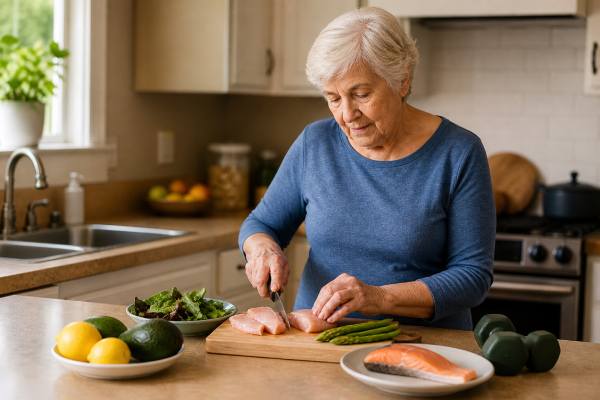
Losing weight after 70 can be helpful, harmful, or unnecessary depending on the person’s health, strength, nutrition status, medications, and goals. At this age, the main question is not simply “How much weight can I lose?” It is “Can I improve health, mobility, and daily function without losing muscle, bone, or independence?”
For many adults over 70, a modest weight loss goal is safer and more useful than a large one. The best approach usually combines a small calorie deficit, enough protein, strength and balance training, regular walking or low-impact activity, and medical guidance when health conditions or medications are involved.
Table of Contents
- Is Weight Loss Safe After 70?
- Realistic Weight Loss Goals
- Protecting Muscle and Bone
- How to Eat for Steady Loss
- Safe Exercise After 70
- Medical Risks and Red Flags
- Medications and Medical Options
- A Practical Weekly Plan
Is Weight Loss Safe After 70?
Weight loss after 70 can be safe when it is intentional, gradual, well-nourished, and paired with exercise that protects strength. It is less safe when it happens quickly, unintentionally, or through severe restriction.
The main concern is that weight loss in later life can include loss of muscle and bone as well as fat. That matters because muscle supports balance, stair climbing, getting out of a chair, carrying groceries, and recovering from illness. Bone loss raises fracture risk. For this reason, weight loss over 70 should usually be treated as a health and function plan, not a cosmetic diet.
Weight loss may be worth considering when excess body fat is contributing to problems such as:
- Type 2 diabetes or prediabetes
- High blood pressure or heart disease risk
- Sleep apnea or worsening snoring
- Fatty liver disease
- Knee, hip, or back pain made worse by higher body weight
- Shortness of breath with daily tasks
- Reduced mobility or difficulty with personal care
Weight loss may not be the right priority when an older adult is already frail, undernourished, losing weight without trying, recovering from a major illness, or struggling to eat enough. In those situations, the safer goal may be weight stability, better protein intake, physical therapy, strength building, or treatment of the underlying medical issue.
A useful starting point is a medical conversation, especially if there are chronic conditions, recent falls, kidney disease, heart failure, cancer history, digestive symptoms, or multiple medications. A clinician can help decide whether weight loss is appropriate and whether the first step should be lab work, nutrition screening, medication review, or a supervised plan. For a broader safety checklist before starting, see doctor guidance before weight loss.
The safest mindset is simple: the goal is not to become as light as possible. The goal is to improve health while staying strong, nourished, steady, and able to live well.
Realistic Weight Loss Goals
A realistic goal after 70 is often modest: roughly 5% to 10% of starting body weight over several months, if weight loss is medically appropriate. For many people, that amount is enough to improve blood pressure, blood sugar, joint load, stamina, and ease of movement without pushing the body too hard.
For someone who weighs 200 pounds, 5% is 10 pounds and 10% is 20 pounds. That may not sound dramatic, but it can be clinically meaningful. Large losses may be possible for some people, especially with obesity-related disease and medical supervision, but they need closer attention to strength, nutrition, hydration, and medication adjustments.
A safe pace is usually slower than what younger adults may expect. Many older adults do best with about 0.25 to 1 pound per week, depending on starting weight, appetite, medical status, and activity level. Faster loss is not automatically better. Rapid loss can increase the chance of fatigue, dizziness, constipation, gallstones, muscle loss, poor wound healing, and regain.
| Pattern | Usually safer | More concerning |
|---|---|---|
| Rate of loss | Gradual, steady, with stable energy | Rapid loss, weakness, dizziness, or poor appetite |
| Nutrition | Protein at meals, vegetables, fiber, fluids | Skipping meals, very low calories, limited food variety |
| Activity | Walking, balance work, strength training | Only dieting, no muscle-building activity |
| Function | Improved stairs, walking, chair rise, daily tasks | More falls, slower walking, trouble standing, exhaustion |
| Monitoring | Weight trend plus strength, symptoms, labs as needed | Scale-only focus despite declining function |
Body mass index can be a rough screening tool, but it does not tell the whole story after 70. Two people can have the same BMI and very different muscle mass, waist size, fitness, fall risk, and health status. Waist size, blood pressure, glucose, cholesterol, pain, walking speed, balance, strength, and quality of life may be more useful than scale weight alone.
It also helps to define success in practical terms. Good goals might include walking for 10 minutes without stopping, rising from a chair more easily, reducing knee pain, improving A1C, sleeping better, or maintaining strength while losing a small amount of fat. For more on setting safe expectations, realistic weight loss goals can help frame the process without extremes.
Protecting Muscle and Bone
The most important rule for weight loss over 70 is to protect lean tissue. Losing fat while losing too much muscle can leave a person lighter but less capable, which is not a good trade.
Aging already comes with a tendency toward lower muscle mass, lower strength, and reduced response to small protein doses. Dieting can add to that pressure. The solution is not to avoid all weight loss when it is needed, but to make the plan muscle-centered from the start.
Three habits matter most:
- Eat enough protein across the day.
- Do resistance training or supervised strengthening.
- Avoid very aggressive calorie restriction.
Protein needs vary based on kidney function, body size, appetite, and medical conditions, so older adults should not use a one-size-fits-all target without context. Still, many healthy older adults need more attention to protein than they realize. A practical meal pattern is to include a protein-rich food at breakfast, lunch, and dinner rather than saving most protein for the evening.
Helpful protein foods include eggs, Greek yogurt, cottage cheese, fish, poultry, lean meat, tofu, tempeh, beans, lentils, milk, fortified soy milk, and protein shakes when whole-food meals are difficult. People with chronic kidney disease or complex medical conditions should ask their clinician or dietitian before raising protein substantially.
Strength training is the other half of the plan. It does not have to mean heavy gym workouts. It may start with sit-to-stands from a sturdy chair, wall push-ups, resistance bands, light dumbbells, step-ups, heel raises, or guided physical therapy. The key is progressive effort: muscles need a repeated signal to stay strong. A good goal is to train major muscle groups two or more days per week, adjusted for ability and safety.
For older adults with obesity, frailty risk, or past inactivity, professional guidance can be especially valuable. A physical therapist, exercise physiologist, or qualified trainer can adapt exercises around arthritis, balance problems, osteoporosis, joint replacements, neuropathy, or heart conditions. The priority is controlled movement, good technique, and consistency.
Muscle protection also requires enough total food. Very low-calorie diets, juice cleanses, meal skipping, and “just eat less” advice can backfire after 70. They may reduce protein, calcium, vitamin D, fiber, and fluid intake at the exact time those nutrients matter most. For deeper practical guidance, losing weight without losing muscle is one of the most important topics for this age group.
How to Eat for Steady Loss
The safest eating plan after 70 is structured, protein-forward, fiber-rich, and not overly restrictive. It should create a modest calorie deficit while still providing enough nutrients to support strength, digestion, hydration, and recovery.
A simple plate method works well for many people:
- One-quarter of the plate: protein, such as fish, poultry, eggs, tofu, beans, yogurt, or lean meat
- One-quarter of the plate: higher-fiber carbohydrates, such as oats, potatoes, brown rice, fruit, beans, lentils, or whole-grain bread
- One-half of the plate: vegetables or fruit, adjusted for chewing ability and digestion
- A small amount of healthy fat: olive oil, avocado, nuts, seeds, or fatty fish
This structure is easier to maintain than strict dieting and can be adapted to many cultures, budgets, and appetites. It also supports fullness without forcing very low calories.
Breakfast deserves attention. Many older adults eat toast, cereal, or coffee alone in the morning, then struggle with hunger or low energy later. Adding protein can help: eggs with fruit, Greek yogurt with berries, cottage cheese with whole-grain toast, oatmeal made with milk, or a smoothie with protein and fiber. If appetite is low, smaller meals plus nourishing snacks may work better than three large meals.
Fiber is useful for fullness, cholesterol, blood sugar, and bowel regularity, but it should be increased gradually. Beans, lentils, oats, berries, vegetables, chia seeds, and whole grains can help. Fluid matters too. Older adults are more vulnerable to dehydration, and some medications increase fluid loss. Constipation during weight loss is often a sign that fiber, fluids, movement, or medication effects need attention.
Portions still matter, but they do not have to be tracked obsessively. Common areas to adjust include large servings of oils, nuts, sweets, alcohol, refined snacks, sugary drinks, and restaurant meals. These can fit occasionally, but they can also erase a small calorie deficit quickly.
For many people over 70, a “less but better” approach works best: fewer ultra-processed snacks, more protein at meals, more produce, more home-prepared staples, and smaller portions of calorie-dense extras. If counting calories feels stressful or impractical, protein targets, plate portions, and regular meal timing can still provide structure. For protein planning, daily protein for weight loss can help translate the idea into food choices.
Safe Exercise After 70
Exercise after 70 should support mobility, strength, balance, heart health, and confidence. The safest plan usually combines low-impact cardio, strength training, balance work, and less sitting.
Walking is often the best starting point. It is accessible, scalable, and easy to repeat. A person might begin with 5 to 10 minutes after one meal, then add time as tolerated. Those with joint pain may prefer a stationary bike, water walking, swimming, elliptical, chair exercise, or short indoor walking intervals.
Strength training should not be skipped. A weekly plan might include two sessions using bands, light weights, machines, or bodyweight exercises. Good beginner movements include:
- Sit-to-stands
- Wall or counter push-ups
- Seated rows with a band
- Step-ups to a low step
- Heel raises
- Side leg raises
- Farmer carries with light objects
- Gentle core bracing exercises
Balance training is especially important after 70. This may include tandem standing, single-leg supported stands, heel-to-toe walking, tai chi, or physical-therapy exercises. Balance work should be done near a stable surface, not in a risky setting.
The right intensity is personal. A useful guide for aerobic activity is the talk test: moderate effort means breathing faster but still being able to speak in short sentences. Strength exercises should feel challenging by the last few repetitions without causing sharp pain, breath-holding, dizziness, or unsafe strain.
People with chest pain, fainting, uncontrolled blood pressure, severe shortness of breath, unstable heart disease, recent surgery, worsening balance, or unexplained falls should get medical guidance before increasing activity. People with osteoporosis should ask about safe spinal movements and lifting technique. People with neuropathy or foot problems should prioritize supportive footwear and foot checks.
Exercise does not need to be formal to count. Gardening, housework, walking to the mailbox, carrying groceries, climbing stairs, and getting up from a chair more often all add useful movement. For joint-friendly options, low-impact exercise after 60 offers a practical starting point, while strength training after 50 can help with the muscle-building side of the plan.
Medical Risks and Red Flags
Unintentional weight loss after 70 should always be taken seriously. Losing weight without trying is different from a planned, supported weight loss effort.
A clinician should evaluate weight loss that is unexplained, rapid, or accompanied by symptoms such as fatigue, pain, trouble swallowing, nausea, diarrhea, constipation that is new or severe, blood in the stool, persistent cough, fever, night sweats, depression, memory changes, or loss of appetite. Dental problems, poorly fitting dentures, grief, social isolation, medication side effects, thyroid disease, diabetes, cancer, digestive disorders, and swallowing difficulties can all affect weight and nutrition.
Seek urgent medical attention for weight loss or dieting symptoms with:
- Chest pain, pressure, or fainting
- Severe shortness of breath
- Confusion, dehydration, or inability to keep fluids down
- Black or bloody stools
- Repeated falls or sudden weakness
- New severe abdominal pain
- Signs of stroke, such as facial droop, arm weakness, or speech trouble
Even planned weight loss can require medication changes. Blood pressure may drop as weight changes, increasing dizziness or fall risk. Diabetes medications may need adjustment to avoid low blood sugar. Diuretics can affect hydration and electrolytes. Sedating medications may worsen balance. A medication review is often one of the most practical safety steps.
Sleep is another overlooked issue. Excess weight can worsen sleep apnea, but untreated sleep apnea can also worsen fatigue, appetite regulation, blood pressure, and motivation to move. Loud snoring, witnessed pauses in breathing, morning headaches, daytime sleepiness, or waking up gasping are reasons to ask about testing. For a focused explanation, see sleep apnea and weight loss.
Mental health matters too. Depression, anxiety, bereavement, loneliness, and cognitive changes can affect eating patterns and activity. A safe plan should not depend on willpower alone. Meals, grocery support, transportation, social connection, and caregiver involvement may be part of the solution.
The clearest warning sign is declining function. If weight is going down but walking, balance, grip strength, appetite, or energy is getting worse, the plan needs to change. Weight loss should make life easier, not smaller.
Medications and Medical Options
Prescription weight loss medications may help some adults over 70, but they require individualized medical judgment. Age alone does not rule them out, yet older adults need careful attention to side effects, muscle preservation, hydration, cost, drug interactions, and long-term maintenance.
Modern anti-obesity medications can produce substantial weight loss in many adults, but trial evidence in people over 70 is more limited than in younger populations. Older adults may also be more vulnerable to nausea, low appetite, dehydration, constipation, loss of lean mass, and medication interactions. The question is not only whether the medication lowers weight, but whether it improves health and function safely.
A clinician may consider medication when obesity is contributing to significant health problems and lifestyle measures alone have not been enough. They will usually review:
- Current medications and possible interactions
- Kidney, liver, heart, and gallbladder history
- Diabetes medications and hypoglycemia risk
- Appetite, digestion, and hydration status
- Muscle strength and fall risk
- Cost, access, and ability to continue treatment
- Whether the person can eat enough protein while appetite is reduced
GLP-1 and related medications may be useful for some people, especially when excess weight is linked with diabetes, cardiovascular risk, or severe mobility limitations. But they should not replace nutrition and strength training. If appetite drops sharply, protein intake and resistance exercise become even more important.
Bariatric surgery after 70 is less common and requires careful specialist evaluation. It may be considered for selected people with severe obesity and obesity-related disease, but the risks, recovery demands, nutritional monitoring, and frailty status matter greatly.
Medically supervised programs can be useful when a person has multiple conditions, limited mobility, or previous failed attempts. A good program should include nutrition support, activity guidance, medical monitoring, behavior strategies, and a plan for maintenance. Be cautious with programs that promise rapid loss, rely on severe restriction, sell unproven supplements, or ignore muscle and bone health. For general safety principles, safe weight loss basics are still relevant after 70, but the plan often needs more personalization.
A Practical Weekly Plan
A safe plan after 70 should be simple enough to repeat. The best weekly routine is one that supports steady meals, regular movement, strength, balance, hydration, and check-ins without making weight loss the center of life.
Here is a practical starting framework for many older adults, adjusted as needed for medical advice, mobility, and appetite:
| Focus | Practical target | Why it matters |
|---|---|---|
| Protein | Include a protein-rich food at most meals | Supports muscle, fullness, and recovery |
| Vegetables and fruit | Add produce to 2 or more meals daily | Improves fiber, micronutrients, and meal volume |
| Walking or cardio | Short bouts most days, building gradually | Supports heart health, blood sugar, stamina, and mood |
| Strength training | 2 or more days weekly, adapted to ability | Helps preserve muscle, strength, and independence |
| Balance | Brief supported practice several days weekly | Helps reduce fall risk and improve confidence |
| Progress tracking | Use weight trend plus function and symptoms | Prevents scale-only decisions |
A sample day might look like this: eggs or Greek yogurt at breakfast, soup with beans or chicken at lunch, fish with vegetables and potatoes at dinner, and a protein-rich snack if needed. Movement could be a 10-minute walk after lunch, a few sit-to-stands during the day, and a short balance routine near the kitchen counter.
Progress should be reviewed every few weeks. Ask:
- Is weight changing gradually?
- Is appetite still reasonable?
- Am I getting enough protein and fluids?
- Is walking, balance, or chair-rise strength improving?
- Are there new symptoms such as dizziness, weakness, constipation, or fatigue?
- Are blood pressure or diabetes medications still appropriate?
- Is the plan sustainable?
If progress stalls, the answer is not always to cut more food. It may be better to improve meal consistency, reduce liquid calories or frequent sweets, add walking, increase strength work, treat sleep apnea, review medications, or address pain that limits activity.
Maintenance should be planned early. After 70, cycling between strict dieting and regain can be hard on muscle, confidence, and health. Once a useful amount of weight has been lost, the next goal is to hold the improvement while continuing protein, movement, and strength training. A modest, stable loss that preserves independence is far better than an aggressive plan that cannot be maintained.
References
- ESPEN practical guideline: Clinical nutrition and hydration in geriatrics 2022 (Guideline)
- WHO Guidelines on Physical Activity and Sedentary Behaviour 2020 (Guideline)
- Resistance Training and Weight Loss in Older Adults: A Scoping Review 2023 (Scoping Review)
- Weight Strategy in Older Adults with Obesity: Calorie Restriction or Not? 2023 (Review)
- Obesity pharmacotherapy in older adults: a narrative review of evidence 2025 (Review)
- Systematic review and meta-analysis of protein intake to support muscle mass and function in healthy adults 2022 (Systematic Review)
Disclaimer
This article is for general educational purposes only and is not a substitute for professional medical advice, diagnosis, or treatment. Adults over 70 should speak with a qualified healthcare professional before starting a weight loss plan, especially if weight loss is unintentional, medications are involved, or there are chronic health conditions, frailty, falls, or appetite changes.
If you found this helpful, consider sharing it on Facebook, X, or your preferred platform so others can approach weight loss after 70 with safer, more realistic expectations.