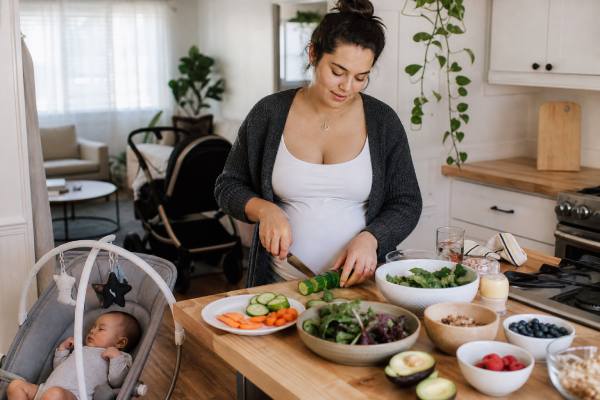
After birth, food has to do more than create a calorie deficit. It has to support healing, energy, mood, milk production if you are breastfeeding, and the reality of eating with a newborn in the house. A good postpartum weight loss meal plan is not a crash diet or a strict menu you have to follow perfectly. It is a flexible structure that helps you eat enough protein, fiber, fluids, and key nutrients while slowly moving toward a healthier weight.
The safest approach depends on your birth recovery, breastfeeding status, sleep, appetite, medical history, and how recently you delivered. For many new moms, the first goal is not aggressive weight loss. It is building repeatable meals that make you feel steadier, fuller, and better nourished while your body recovers.
Table of Contents
- Postpartum Meal Plan Priorities
- Calories, Breastfeeding and Safe Weight Loss
- Nutrients New Moms Need Most
- The Postpartum Plate Method
- Seven-Day Postpartum Meal Plan
- Easy Prep for Busy New Moms
- Common Mistakes and When to Get Help
Postpartum Meal Plan Priorities
A postpartum weight loss meal plan should help you recover first and lose weight gradually second. The most useful plan is one that keeps meals simple, filling, and repeatable instead of asking you to cook complicated recipes while sleep-deprived.
Your body is doing a lot after delivery. Tissue healing, blood volume changes, hormone shifts, lactation, broken sleep, and new routines all affect hunger and energy. That is why a meal plan for this stage should not look like a standard “diet plan.” It should protect the basics: enough food, enough protein, enough fluids, and enough flexibility to handle unpredictable days.
A strong postpartum plan should aim to:
- Support healing after vaginal birth or C-section
- Provide steady energy during short sleep windows
- Help preserve muscle while you lose fat slowly
- Support milk supply if breastfeeding
- Reduce intense hunger that can trigger grazing or overeating
- Make meals easier when time, hands, and attention are limited
- Avoid overly restrictive rules that increase stress
In the first few weeks, many moms do best with a maintenance-style approach: eating nourishing meals regularly without trying to force weight loss. This is especially true if you had a complicated delivery, heavy bleeding, anemia, a C-section, infection, severe tearing, high blood pressure, gestational diabetes, or significant mood symptoms. Once your clinician clears you and feeding is going well, you can shift toward a gentle deficit if weight loss is appropriate.
A helpful mindset is to treat the meal plan as a rhythm, not a contract. You might eat three meals and two snacks one day, then two larger meals and several quick snacks the next. That is normal. What matters most is the overall pattern across the week.
If you want a broader view of pace and expectations, a realistic postpartum weight loss timeline can help you separate normal recovery changes from true fat loss. If you delivered by C-section, your meal plan should also account for incision healing, constipation risk, and slower activity progression; a C-section weight loss plan may be more appropriate than a general postpartum plan.
The best first step is to anchor each eating day with protein-rich meals, fiber-rich carbohydrates, colorful produce, and satisfying fats. This combination helps you feel full without relying on tiny portions. It also makes the plan easier to adjust for breastfeeding, hunger, activity, or a slower recovery day.
Calories, Breastfeeding and Safe Weight Loss
Postpartum calorie needs vary widely, and breastfeeding usually increases them. Instead of starting with a very low-calorie diet, use your appetite, recovery, milk supply, weight trend, and clinician guidance to find a modest, sustainable range.
If you are breastfeeding, your body needs energy to produce milk. Many breastfeeding moms need roughly 330 to 400 additional calories per day compared with their pre-pregnancy needs, though the exact amount depends on body size, activity, milk volume, and whether you are exclusively breastfeeding or combining breast milk and formula. Cutting calories too aggressively can worsen fatigue and may affect supply for some people.
For breastfeeding moms who are medically cleared to lose weight, a gradual pace is usually the goal. Around 0.5 to 1 pound per week is a common upper range for many breastfeeding mothers, but some will lose more slowly, especially during the early months. A slower pace is still progress if milk supply, energy, and recovery are protected.
If you are not breastfeeding, you may not need the extra lactation calories, but you still need enough food to heal and function. A harsh deficit can increase cravings, constipation, irritability, and rebound eating. It can also make it harder to get enough protein, iron, calcium, iodine, choline, and healthy fats.
A practical calorie approach looks like this:
- Weeks 0 to 6: Focus on recovery, regular meals, hydration, and enough food. Avoid intentional restriction unless directed by your clinician.
- After medical clearance: Create a small deficit by adjusting portions, snacks, or high-calorie extras rather than cutting full meals.
- If breastfeeding: Watch milk supply, baby’s growth, your hunger, and your energy. If supply dips or hunger becomes intense, increase food intake and speak with a lactation professional.
- If weight loss stalls: Look at consistency, portions, snacks, beverages, and sleep before making deeper cuts.
Most new moms do not need to count every calorie. Portions, plate balance, and repeatable meals are often easier. If you do track, use the numbers as feedback, not as a rigid rule. For many postpartum bodies, daily weight can swing because of fluid shifts, sodium, constipation, menstrual changes, and sleep disruption.
The safest deficit is the one you can maintain without feeling depleted. That may mean keeping breakfast substantial, eating a planned afternoon snack, or adding a bedtime snack if breastfeeding hunger wakes you up. For more detail on protecting supply while losing weight, see weight loss while breastfeeding and milk supply.
Nutrients New Moms Need Most
The best postpartum meal plan is nutrient-dense, not just low-calorie. Protein, iron, calcium, vitamin D, iodine, choline, omega-3 fats, fiber, and fluids all matter for recovery, energy, and breastfeeding.
Protein deserves special attention because it supports tissue repair, fullness, and muscle retention. A useful target is to include a clear protein source at each meal, often in the range of 25 to 35 grams per meal for many adults. This can come from eggs, Greek yogurt, cottage cheese, poultry, fish, lean meat, tofu, tempeh, beans, lentils, edamame, or protein-rich smoothies. If you want a deeper guide, protein per meal for weight loss explains how to set practical meal targets.
Iron is important after blood loss during delivery. Low iron can contribute to fatigue, weakness, dizziness, headaches, and poor exercise tolerance. Include iron-rich foods such as lean beef, turkey, sardines, eggs, lentils, beans, tofu, spinach, fortified cereals, and pumpkin seeds. Pair plant-based iron sources with vitamin C foods such as citrus, berries, bell peppers, tomatoes, or kiwi to improve absorption.
Calcium and vitamin D support bone health, especially during lactation. Dairy foods, calcium-fortified soy milk, fortified yogurt alternatives, tofu set with calcium, canned salmon with bones, and leafy greens can help. Vitamin D is harder to get from food alone, so some moms need a supplement based on clinician advice.
Iodine and choline are especially relevant during breastfeeding. Iodine supports thyroid function and infant development, while choline supports brain and nervous system development. Eggs are one of the easiest choline sources. Seafood, dairy, iodized salt, poultry, meat, beans, and lentils can also contribute to a nutrient-rich postpartum diet.
Omega-3 fats, especially DHA, are found in low-mercury fish such as salmon, sardines, trout, anchovies, and herring. If you do not eat fish, ask your clinician whether an algae-based DHA supplement makes sense. When choosing seafood, prioritize low-mercury options.
Fiber helps with fullness and constipation, which is common after birth, especially after a C-section, pain medication, iron supplements, dehydration, or reduced movement. Increase fiber gradually through oats, beans, lentils, berries, chia seeds, vegetables, potatoes with skin, whole grains, and fruit. A sudden jump in fiber without enough fluid can worsen bloating.
Hydration matters, but you do not need to force extreme amounts of water. Drink to thirst, keep water near your feeding or pumping station, and notice urine color. Dark urine, headaches, dizziness, and constipation can be signs you need more fluids. If breastfeeding, thirst often increases naturally.
The Postpartum Plate Method
The easiest postpartum meal formula is a protein source, a fiber-rich carbohydrate, produce, and a satisfying fat. This creates meals that are filling enough for recovery but structured enough to support gradual fat loss.
The plate method works well because it does not require weighing food or cooking separate “diet” meals. It also adapts to breastfeeding hunger, cultural foods, leftovers, and limited prep time.
For most meals, build your plate like this:
- Protein: eggs, chicken, turkey, fish, tofu, Greek yogurt, cottage cheese, lentils, beans, lean beef, tempeh, or edamame
- Fiber-rich carbohydrate: oats, potatoes, sweet potatoes, brown rice, quinoa, whole-grain bread, beans, lentils, fruit, corn tortillas, or whole-grain pasta
- Produce: leafy greens, carrots, peppers, tomatoes, broccoli, berries, apples, citrus, zucchini, cabbage, or frozen vegetables
- Fat: avocado, olive oil, nuts, seeds, tahini, hummus, cheese, nut butter, or salmon
For weight loss, the usual adjustment is not to remove carbohydrates or fats completely. It is to choose portions that match your hunger and energy needs. A breastfeeding mom may need a larger carbohydrate portion, an extra snack, or an additional serving of fat. A non-breastfeeding mom with lower hunger may prefer a slightly smaller starch portion and more vegetables.
Here are simple examples:
- Greek yogurt bowl with berries, oats, chia seeds, and walnuts
- Egg scramble with spinach, potatoes, avocado, and fruit
- Chicken rice bowl with beans, salsa, lettuce, peppers, and Greek-yogurt sauce
- Lentil soup with whole-grain toast and a side salad
- Salmon with roasted sweet potato, broccoli, and olive oil
- Turkey and hummus wrap with carrots and fruit
- Tofu stir-fry with frozen vegetables and rice
If you are often ravenous by evening, breakfast and lunch may be too light. Many new moms unintentionally under-eat early because the morning is chaotic, then snack heavily at night. A planned breakfast and protein-rich lunch can reduce that pattern.
If you prefer a grocery-based approach, a high-protein grocery list can make postpartum meals easier to assemble. For a more general starter list, use a beginner weight loss grocery list and add breastfeeding-friendly snacks if needed.
Seven-Day Postpartum Meal Plan
This seven-day plan is designed as a flexible template, not a prescription. Increase portions, add snacks, or include a lactation-friendly add-on if you are breastfeeding, very hungry, recovering from a difficult delivery, or cleared for more activity.
Use the plan in the simplest way possible. Repeat meals you like. Swap proteins. Use frozen vegetables. Choose canned beans, rotisserie chicken, microwave rice, prewashed greens, and yogurt cups when cooking feels unrealistic.
| Day | Breakfast | Lunch | Dinner | Snack or breastfeeding add-on |
|---|---|---|---|---|
| Day 1 | Greek yogurt with oats, berries, chia seeds, and walnuts | Turkey, avocado, and hummus wrap with carrots | Salmon, sweet potato, and roasted broccoli | Apple with peanut butter or a boiled egg |
| Day 2 | Eggs with whole-grain toast, spinach, and fruit | Chicken rice bowl with beans, salsa, lettuce, and peppers | Lentil soup with side salad and whole-grain toast | Cottage cheese with berries or trail mix |
| Day 3 | Overnight oats with milk, protein-rich yogurt, banana, and cinnamon | Tuna or chickpea salad on whole-grain bread with cucumber | Turkey meatballs with whole-grain pasta and vegetables | Hummus with pita and bell peppers |
| Day 4 | Smoothie with Greek yogurt, berries, spinach, oats, and nut butter | Leftover lentil soup with added chicken or tofu | Tofu or chicken stir-fry with frozen vegetables and rice | Cheese stick with fruit or edamame |
| Day 5 | Breakfast burrito with eggs, beans, salsa, and avocado | Quinoa bowl with roasted vegetables, feta, chickpeas, and olive oil | Lean beef, turkey, or bean chili with salad | Greek yogurt or a handful of nuts |
| Day 6 | Cottage cheese bowl with fruit, granola, and pumpkin seeds | Chicken salad plate with potatoes, greens, and olive oil dressing | Shrimp, salmon, tofu, or chicken tacos with slaw and beans | Banana with nut butter or milk |
| Day 7 | Oatmeal with milk, berries, chia, and a side of eggs | Leftover chili or rice bowl with extra vegetables | Sheet-pan chicken, potatoes, carrots, and green beans | Protein smoothie or whole-grain toast with avocado |
To make this plan fit your body, adjust portions rather than changing the whole menu. If weight is dropping too quickly, hunger is high, or milk supply feels affected, add a snack or increase carbohydrate portions. If weight is not changing after several weeks and you feel well, reduce calorie-dense extras slightly, such as large handfuls of nuts, heavy dressings, sweets, or sugary drinks.
For breastfeeding moms, useful add-ons include:
- Oatmeal with milk
- Greek yogurt and fruit
- Whole-grain toast with peanut butter
- Eggs and avocado
- Trail mix with nuts and dried fruit
- Smoothie with yogurt, berries, and oats
- Cheese, crackers, and fruit
- Hummus with pita or vegetables
For non-breastfeeding moms, the same foods can work, but portions may be smaller. You might use one snack instead of two, choose a smaller starch serving at dinner, or keep higher-calorie add-ons for days when hunger or activity is higher.
The plan should also match your food preferences. If you eat vegetarian, use eggs, dairy, tofu, tempeh, edamame, lentils, beans, seitan, and soy milk. If you avoid dairy, use fortified soy milk, calcium-set tofu, canned salmon with bones if you eat fish, and dairy-free yogurts with adequate protein. If you eat gluten-free, use rice, potatoes, quinoa, corn tortillas, oats labeled gluten-free, and legumes.
Easy Prep for Busy New Moms
Postpartum meal prep works best when it reduces decisions, not when it creates another demanding project. Aim for a few ready-to-assemble staples that can become meals in five minutes.
A full weekend cooking session may not be realistic with a newborn. Instead, think in small “prep blocks.” Wash fruit while coffee brews. Cook extra rice when making dinner. Boil eggs while bottles are being washed. Portion yogurt, nuts, and berries into containers when you have ten quiet minutes.
The most useful prep categories are:
- Proteins: boiled eggs, rotisserie chicken, cooked turkey, baked tofu, tuna packets, cottage cheese, Greek yogurt, lentil soup, bean chili
- Carbohydrates: microwave rice, roasted potatoes, oats, whole-grain bread, tortillas, quinoa, frozen grains
- Produce: prewashed salad, frozen vegetables, baby carrots, berries, apples, bananas, cherry tomatoes
- Flavor helpers: hummus, salsa, pesto, Greek-yogurt sauce, vinaigrette, avocado, lemon, herbs, spice blends
- Emergency snacks: protein bars with simple ingredients, trail mix, cheese sticks, nut butter packets, roasted chickpeas, shelf-stable milk
A realistic postpartum prep routine might look like this:
- Choose two breakfasts you can repeat.
- Make one large protein, such as chicken, tofu, chili, or lentils.
- Prepare one easy carbohydrate, such as rice, potatoes, or oats.
- Buy two vegetables that require no chopping.
- Stock two one-hand snacks for feeding or pumping sessions.
This is enough. You do not need seven unique dinners or perfectly portioned containers.
If someone asks how they can help, give them a specific food task. Ask for washed fruit, cooked rice, chopped vegetables, soup, freezer burritos, egg muffins, or a grocery run. People often want to help but do not know what would actually reduce your load.
Freezer meals are especially useful. Good options include chili, lentil soup, turkey meatballs, breakfast burritos, chicken enchilada filling, baked oatmeal, and shredded chicken. Store them in smaller portions so you can thaw one meal at a time.
For a more structured prep system, a one-hour meal prep plan can be adapted for postpartum life by choosing fewer recipes and relying more on convenience foods. If your schedule is especially unpredictable, weight loss strategies for busy moms may be more useful than a strict menu.
Common Mistakes and When to Get Help
The biggest postpartum meal plan mistake is trying to lose weight too fast while your body is still recovering. A plan that leaves you exhausted, constantly hungry, dizzy, or anxious is not the right plan for this season.
One common mistake is skipping meals during the day and then feeling out of control at night. This is not a willpower problem. It is often a predictable response to under-eating, sleep loss, and stress. A protein-rich breakfast, a real lunch, and a planned afternoon snack can make evenings easier.
Another mistake is cutting carbohydrates too sharply. Carbs are not required at every meal, but many new moms feel better with steady sources such as oats, potatoes, fruit, beans, lentils, rice, and whole grains. Very low-carb dieting can feel especially hard during breastfeeding, broken sleep, or high-stress recovery.
A third mistake is relying only on “healthy snacks” without building full meals. Nuts, protein bars, smoothies, and granola can be useful, but they may not provide the same fullness as a plate with protein, produce, starch, and fat. Snacks should support the plan, not replace every meal.
Watch for these signs that your plan may be too restrictive:
- Dizziness, shakiness, or feeling faint
- Constant hunger that does not improve after meals
- Noticeable drop in milk supply
- Rapid weight loss without trying
- Worsening fatigue beyond expected newborn tiredness
- New or worsening hair shedding with very low intake
- Constipation that is getting worse
- Feeling anxious, guilty, or obsessive about food
- Binge eating or feeling out of control around food
You should also get medical help promptly for postpartum warning signs such as heavy bleeding, chest pain, trouble breathing, fainting, severe headache, vision changes, one-sided leg swelling or pain, fever, worsening abdominal pain, incision redness or drainage, or thoughts of harming yourself or your baby. Nutrition cannot replace urgent care for these symptoms.
Speak with your clinician, registered dietitian, or lactation consultant if you have diabetes, thyroid disease, high blood pressure, kidney disease, a history of eating disorder, significant anemia, postpartum depression, postpartum anxiety, low milk supply, poor infant weight gain, or ongoing nausea that limits food intake. You may need a more individualized plan.
Sleep also matters. Poor sleep can raise hunger, increase cravings, and make meal planning feel harder. You may not be able to sleep on a perfect schedule with a newborn, but small supports still count: eating enough earlier in the day, limiting late caffeine, accepting help for one sleep block, and keeping nighttime snacks simple. For broader context, sleep and weight loss can help explain why fatigue changes appetite.
The goal is not to “get your body back” on someone else’s timeline. The goal is to rebuild strength, nourish yourself, protect your health, and move toward a weight that is realistic for your body and life now. A postpartum meal plan should make that easier, not make new motherhood harder.
References
- Maternal Diet and Breastfeeding 2026 (Government Health Guidance)
- Dietary Guidelines for Americans, 2025-2030 2026 (Government Nutrition Guidance)
- Navigating Postpartum Weight Loss: Evidence and Interventions 2024 (Review)
- Nutrition recommendations for a healthy pregnancy and lactation in women with overweight and obesity – strategies for weight loss before and after pregnancy 2022 (Review)
- Losing Weight While Breastfeeding 2019, reviewed 2025 (Professional Nutrition Guidance)
- Breastfeeding nutrition: Tips for moms 2025 (Medical Education)
Disclaimer
This article is for general educational purposes only and is not a substitute for medical advice, diagnosis, or treatment. Postpartum nutrition and weight loss needs vary, especially if you are breastfeeding, recovering from a C-section, managing a medical condition, or experiencing mood symptoms. Ask your clinician, registered dietitian, or lactation consultant for guidance that fits your situation.
Share this article on Facebook, X, or your preferred platform to help other new moms find safe, realistic postpartum nutrition guidance.