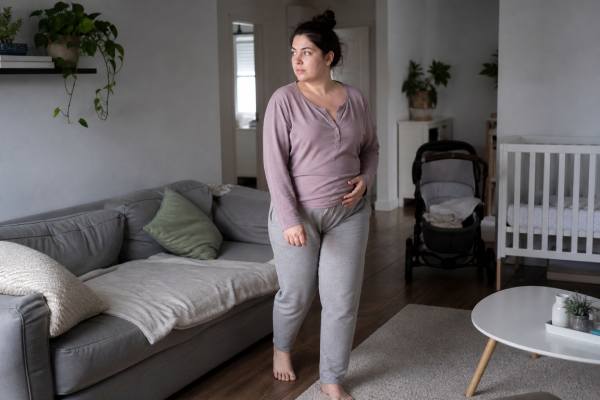
Recovering from a C-section while caring for a newborn is a very different situation from starting a standard weight loss plan. A cesarean birth is major abdominal surgery, and the first goal is healing: controlling pain, protecting the incision, restoring basic movement, eating enough to recover, and getting medical care when something feels wrong.
Weight loss can happen safely after a C-section, but it usually works best when it is gradual, flexible, and timed around recovery. The scale may change quickly in the first few weeks because of baby weight, placenta, amniotic fluid, blood volume shifts, swelling, and fluid loss. Fat loss is slower. A realistic plan focuses on nourishing meals, gentle walking, pelvic floor and core recovery, sleep protection when possible, and steady progress once the incision and deeper tissues have healed.
Table of Contents
- How C-Section Recovery Changes Weight Loss
- Realistic Timeline After a C-Section
- Nutrition for Healing and Fat Loss
- Breastfeeding and Calorie Needs
- Safe Movement and Exercise Progression
- C-Section Symptoms That Need Care
- Plateaus, Sleep, and Stress
- Simple Plan for the First Six Months
How C-Section Recovery Changes Weight Loss
Weight loss after a C-section should start with recovery, not restriction. The body is healing an abdominal incision, restoring blood volume, shifting hormones, supporting feeding, and adapting to disrupted sleep, so aggressive dieting can work against the process.
A C-section involves layers of tissue, including skin, fascia, abdominal muscles being separated or moved, the uterus, and deeper connective tissue. Even when the skin incision looks healed, deeper tissues continue to recover for weeks to months. This matters because the early postpartum period is not just about “getting moving again.” It is about gradually rebuilding tolerance for walking, lifting, bending, feeding positions, carrying the baby, and eventually exercise.
The early scale drop can also be misleading. Many people lose several pounds shortly after delivery from the baby, placenta, amniotic fluid, and postpartum fluid shifts. Others temporarily hold more water, especially after IV fluids, swelling, limited mobility, constipation, inflammation, or sleep loss. Neither pattern gives a clean picture of fat loss.
A helpful mindset is to separate three different goals:
- Healing: incision care, pain control, rest, bowel function, hydration, and medical follow-up.
- Reconditioning: walking, pelvic floor work, breathing, posture, gentle core reconnection, and daily function.
- Fat loss: a modest calorie deficit, adequate protein and fiber, progressive activity, and habits that can survive life with a baby.
Trying to force all three at once can backfire. Cutting calories too hard may increase fatigue, hunger, constipation, irritability, and poor recovery. Exercising too intensely too soon may worsen pain, pelvic pressure, urinary leakage, bleeding, or abdominal doming. Ignoring food quality can make weight loss harder later because hunger and cravings rise when meals are low in protein, fiber, and overall nourishment.
The better path is staged. First, eat and move in ways that support healing. Then, once bleeding is settling, pain is controlled, and your clinician has cleared you for more activity, shift toward gradual weight loss. For a broader non-surgical view, a postpartum weight-loss timeline can help put C-section progress into context, but surgical recovery deserves its own pace.
The goal is not to delay all healthy habits. It is to choose the right habits first. Walking a few minutes, eating a protein-rich breakfast, drinking water, taking stool softeners if prescribed, and asking for help with lifting can all support both recovery and later weight loss.
Realistic Timeline After a C-Section
Most people need several weeks before weight loss becomes a main focus after a C-section. The timeline depends on pain, bleeding, incision healing, complications, breastfeeding, sleep, prior fitness, and what your clinician recommends at postpartum follow-up.
A typical recovery timeline looks gradual, not linear. Some days will feel easier, then a poor night of sleep, constipation, cluster feeding, or extra walking may make symptoms flare. That does not mean you are failing. It usually means your body is giving feedback.
| Timeframe | Main focus | What usually fits | What to avoid unless cleared |
|---|---|---|---|
| First 1–2 weeks | Healing and basic mobility | Short walks around the home, breathing, gentle pelvic floor awareness, regular meals, fluids, incision care | Dieting hard, heavy lifting, intense exercise, abdominal workouts, pushing through incision pain |
| Weeks 2–6 | Gradual daily function | Longer easy walks, light household movement, protein-rich meals, gentle core reconnection if comfortable | Running, jumping, heavy weights, full sit-ups, planks if they cause doming or pressure |
| Weeks 6–12 | Rebuilding consistency | More structured walking, low-impact cardio, light strength training, a modest calorie deficit if healing and feeding are stable | High-impact training without readiness, ignoring leakage, pelvic heaviness, pain, or increased bleeding |
| After 12 weeks | Progressive fat loss and fitness | Gradual strength progression, moderate cardio, higher step goals, more structured meal planning | Rushing back to pre-pregnancy intensity if core, pelvic floor, incision, or energy symptoms are not ready |
The six-week postpartum visit is often treated like a finish line, but it is better understood as a checkpoint. Some people are ready to do more before or around that time, while others need additional recovery, pelvic floor physical therapy, wound care, blood pressure management, anemia treatment, or mental health support.
A safe rate of fat loss after the early recovery phase is often around 0.5 to 1 pound per week, especially while breastfeeding. Some weeks will show no scale change because of fluid retention, menstrual cycle return, constipation, sodium intake, soreness from activity, or poor sleep. A weekly average or trend is more useful than a single weigh-in.
The timeline also changes if you had:
- infection, hemorrhage, anemia, high blood pressure, preeclampsia, or gestational diabetes
- severe pain, wound healing problems, or a difficult emergency C-section
- postpartum depression, anxiety, or traumatic birth symptoms
- twins or higher-order multiples
- limited support, poor sleep, or trouble eating regularly
- breastfeeding challenges or concerns about milk supply
In those situations, weight loss is still possible, but the plan may need medical guidance and a slower start. A general guide to losing weight after pregnancy can be useful, but C-section recovery should always shape the pace.
Nutrition for Healing and Fat Loss
The best postpartum diet after a C-section is not a crash diet. It is a healing-focused eating pattern that provides enough protein, fiber, fluids, and micronutrients while creating only a modest calorie deficit when your body is ready.
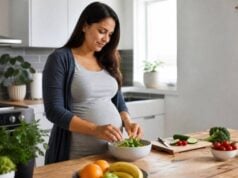
Protein matters because the body needs amino acids for tissue repair, immune function, muscle maintenance, and fullness. A practical target is to include a protein source at each meal and most snacks. This might mean eggs, Greek yogurt, cottage cheese, chicken, fish, lean meat, tofu, tempeh, lentils, beans, protein smoothies, or a simple protein-rich snack that can be eaten one-handed.
Fiber helps with fullness and constipation, which is common after a C-section because of anesthesia, pain medication, iron supplements, reduced movement, dehydration, and abdominal tenderness. Good options include oats, berries, beans, lentils, vegetables, chia seeds, whole grains, potatoes with skin, and fruit. Increase fiber gradually and drink enough fluids, especially if breastfeeding.
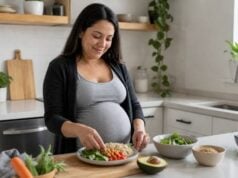
A simple postpartum plate can look like this:
- Protein: about one palm-sized portion or more, depending on appetite and needs.
- High-fiber carbohydrate: oats, rice, potatoes, beans, lentils, fruit, whole-grain bread, or pasta.
- Colorful produce: vegetables, fruit, or both.
- Healthy fat: avocado, olive oil, nuts, seeds, eggs, fatty fish, or full-fat dairy in portions that fit your appetite.
- Fluid: water, milk, unsweetened tea, or another tolerated drink.
This structure is easier than tracking every bite during the newborn stage. For more meal-building detail, building a high-protein plate can help make meals more filling without making them complicated.
C-section recovery also raises the importance of specific nutrients. Iron may matter if there was significant blood loss or anemia. Vitamin C, zinc, and protein support wound healing. Calcium, vitamin D, iodine, choline, omega-3 fats, and B12 may need attention depending on breastfeeding status and dietary pattern. People following vegetarian or vegan diets should be especially careful with B12, iron, iodine, choline, zinc, and omega-3 intake.
A moderate calorie deficit can come later from small adjustments, not severe restriction. Examples include:
- adding protein to breakfast instead of grazing through the morning
- choosing a high-fiber snack instead of skipping food until ravenous
- using a plate method at dinner instead of measuring every ingredient
- reducing liquid calories if they are not helping fullness
- planning easy lunches before hunger becomes urgent
- keeping freezer meals or ready-to-eat proteins available
A postpartum meal plan for new moms may be useful if decision fatigue is high. The best plan is one that is realistic with interrupted sleep, feeding demands, and limited prep time.
Avoid very low-calorie diets, detoxes, laxative teas, appetite-suppressant supplements, and “flat belly” programs. They can increase dehydration, digestive problems, anxiety around food, and nutrient shortfalls. They also do not address the real drivers of postpartum fat loss: consistent nourishment, movement progression, sleep protection, support, and time.
Breastfeeding and Calorie Needs
If you are breastfeeding, weight loss needs to protect milk supply, recovery, and your own energy. Breastfeeding uses energy, but it does not guarantee automatic weight loss, and eating too little can make the postpartum period harder.
Well-nourished breastfeeding mothers generally need additional calories compared with their pre-pregnancy needs. The exact amount varies by body size, activity, milk production, whether feeding is exclusive or partial, and how much stored energy is being mobilized. In practical terms, breastfeeding often means your deficit should be smaller and your meals should be more consistent.
A safe breastfeeding-friendly approach is usually:
- wait until breastfeeding is established before intentionally cutting calories
- avoid skipping multiple meals or going long stretches without food
- keep protein and carbohydrates in meals, especially around active parts of the day
- drink to thirst and keep fluids nearby during feeds
- watch for changes in milk supply, dizziness, intense fatigue, or unusual irritability
- aim for gradual loss rather than rapid drops
Some people lose weight steadily while breastfeeding. Others hold weight until feeding patterns change, sleep improves, or hormones shift. Both patterns can be normal. It is also common for appetite to feel intense during cluster feeding, growth spurts, or broken sleep.
The goal is not to “eat for two” in an unlimited way, but it is also not to diet as though lactation costs nothing. A meal that includes protein, fiber-rich carbohydrates, and fat is usually more helpful than relying on caffeine and snacks until evening. If cravings are strong, check whether you are under-eating earlier in the day before assuming it is a willpower problem.
Useful breastfeeding-friendly meals include:
- Greek yogurt with oats, berries, and nuts
- eggs with whole-grain toast and fruit
- rice bowl with chicken, tofu, beans, vegetables, and avocado
- lentil soup with bread and a side of fruit
- salmon or sardines with potatoes and vegetables
- smoothie with milk, protein, fruit, oats, and nut butter
- turkey, hummus, or tofu wrap with vegetables
If milk supply drops, your baby is not gaining as expected, or you are feeling weak or lightheaded, pause weight loss efforts and speak with a lactation consultant or clinician. Weight loss medications, strong appetite suppressants, and many supplements are not automatically safe while breastfeeding. They should be discussed with a qualified healthcare professional before use.
For deeper guidance on this specific situation, protecting milk supply during weight loss is often more useful than following a standard calorie-cutting plan.
Safe Movement and Exercise Progression
Exercise after a C-section should progress from gentle movement to structured training. Walking, breathing, pelvic floor work, and gradual strength rebuilding usually matter more than early intense workouts.
In the first days and weeks, walking helps circulation, digestion, mood, and blood clot prevention. This might mean walking slowly around the room, then the hallway, then outside for a few minutes. The right amount leaves you feeling better or only mildly tired afterward. If bleeding increases, pain worsens, dizziness appears, or incision symptoms flare, scale back and contact your clinician if symptoms concern you.
Breathing and core reconnection are different from abdominal workouts. Early work may include relaxed diaphragmatic breathing, gentle pelvic floor contractions if comfortable, and learning to exhale during effort when standing, lifting the baby, or getting out of bed. Rolling to the side before sitting up can reduce strain on the incision area.
Common early movement principles include:
- keep walks short and frequent before making them long
- avoid holding your breath when lifting or standing
- support the incision with a pillow when coughing, sneezing, or laughing
- avoid lifting more than your baby until your clinician says otherwise
- stop movements that cause sharp pain, pelvic heaviness, urinary leakage, or abdominal bulging
- build from low-impact movement before running, jumping, or heavy lifting
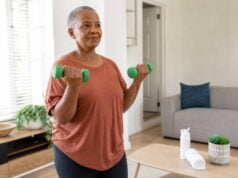
After medical clearance, strength training can be very helpful for postpartum weight loss because it rebuilds muscle, improves function, and makes daily tasks easier. Start with basic movement patterns: sit-to-stand, supported squats, wall push-ups, rows with a band, hip hinges, step-ups, carries with light loads, and gentle core exercises that do not cause doming or pressure.
Cardio can begin with walking and progress to stationary cycling, low-impact intervals, swimming once bleeding has stopped and the incision is fully closed, or other low-impact options. Running, jumping, and high-intensity intervals should wait until your body is ready, especially if you have leakage, pelvic pressure, pain, diastasis symptoms, or poor sleep.
A practical weekly progression after clearance might include:
- Start with consistency: 10–20 minutes of walking most days.
- Add gentle strength: 15–25 minutes, two days per week.
- Increase total movement: longer walks, errands on foot, or short movement breaks.
- Progress load slowly: add resistance only when symptoms stay calm.
- Return to impact last: running or jumping should feel boringly easy in small doses before increasing.
For general movement targets, walking for weight loss is often the most realistic foundation after a C-section. If you are ready for structured resistance training later, begin conservatively rather than jumping into a pre-pregnancy routine.
A pelvic floor physical therapist can be especially helpful if you have urinary leakage, pelvic heaviness, pain with sex, scar sensitivity, diastasis recti, back or hip pain, or fear of movement. These symptoms are common, but they are not something you simply have to tolerate.
C-Section Symptoms That Need Care
Some symptoms after a C-section need prompt medical advice, and some need urgent care. Weight loss, exercise, and meal planning should pause when there are signs of infection, heavy bleeding, blood clots, high blood pressure complications, or severe mood symptoms.
Call your maternity unit, midwife, obstetrician, GP, or emergency services according to the severity of symptoms and your local instructions. Tell them clearly that you recently had a baby by C-section and how many days or weeks postpartum you are.
| Symptom | Why it matters | What to do |
|---|---|---|
| Fever of 100.4°F or 38°C or higher | May signal infection | Seek medical advice promptly |
| Incision redness, swelling, worsening pain, pus, foul smell, or opening | May signal wound infection or healing problem | Contact a clinician the same day |
| Heavy bleeding, soaking a pad in an hour, clots larger than an egg, or foul-smelling discharge | May signal hemorrhage or infection | Seek urgent medical care |
| Chest pain, trouble breathing, fast heartbeat, fainting, or coughing blood | May signal a blood clot or heart/lung problem | Seek emergency care |
| One-sided calf pain, redness, warmth, or swelling | May signal a blood clot | Seek urgent medical advice |
| Severe headache, vision changes, upper belly pain, sudden swelling of face or hands | May signal postpartum high blood pressure or preeclampsia | Seek urgent medical care |
| Thoughts of harming yourself or your baby, feeling unsafe, or frightening thoughts that feel hard to control | May signal a serious postpartum mental health emergency | Seek immediate help |
It is also worth getting help for symptoms that are not emergencies but still affect recovery: persistent constipation, pain that is not improving, burning with urination, worsening back or pelvic pain, numbness that concerns you, ongoing incision sensitivity, or inability to sleep even when the baby sleeps.
Do not restart exercise to “test” symptoms. Do not try to diet through fever, dizziness, heavy bleeding, or severe fatigue. The safest weight loss plan is one that respects medical recovery.
Postpartum care should not be limited to one visit if something feels wrong. If a concern is dismissed but symptoms persist or worsen, seek another evaluation. You know your body, and postpartum complications can appear after leaving the hospital.
Plateaus, Sleep, and Stress
A slower scale after a C-section is often a recovery issue, not a discipline issue. Sleep disruption, stress, pain, constipation, fluid retention, and inconsistent meals can all make progress look stalled even when habits are improving.
Newborn sleep makes weight loss harder in several ways. Short sleep can increase hunger, cravings, fatigue, and the desire for quick energy. It also makes planned workouts less realistic. Add surgical soreness, feeding demands, and limited time, and it becomes clear why simple plans work better than rigid ones.
Instead of chasing a perfect routine, focus on “minimum effective” habits:
- eat a protein-containing meal within a few hours of waking
- keep one easy lunch option available
- walk for 5–15 minutes when possible
- prep snacks that include protein or fiber
- keep water near feeding spots
- choose one bedtime support habit, such as lowering screens or preparing night feeds
- ask for help with one recovery task, not everything at once
Stress eating can also show up after a C-section, especially when days feel repetitive, painful, lonely, or overstimulating. The answer is not shame. The answer is building a few alternatives that actually fit postpartum life: a hot shower, a short walk, a voice note to a friend, a high-protein snack, stretching while the baby is on a play mat, or stepping outside for daylight.
If evening cravings are intense, check the whole day first. Many postpartum cravings are partly caused by under-eating breakfast and lunch. A snack such as Greek yogurt, cheese and fruit, a smoothie, eggs, hummus and pita, or a turkey sandwich can prevent the “I need everything now” hunger that arrives late at night.
The scale may also stall because of water retention. Harder walks, new strength training, salty meals, menstrual cycle return, constipation, and poor sleep can all mask fat loss. Use other progress markers:
- incision pain is decreasing
- walking distance is improving
- clothes fit differently
- strength is returning
- hunger feels more stable
- bowel movements are more regular
- resting heart rate or energy feels better
- waist or hip measurements change slowly over time
For people who like data, weigh-ins can be useful, but only if they reduce confusion rather than increase anxiety. A weekly average is more meaningful than a single morning. If weighing triggers obsessive thoughts, use habits, measurements, or how clothes fit instead.
Sleep will not be perfect with a newborn, but protecting it where possible still matters. A practical guide to sleep and weight loss can help later, but in the early weeks, the goal is survival-level support: naps when possible, shared night duties if available, reduced evening stimulation, and asking for help before exhaustion becomes severe.
Simple Plan for the First Six Months
The most realistic C-section weight loss plan is built in phases. Each phase should match your healing, feeding situation, energy, support, and medical guidance.
Weeks 0–2: protect healing
During the first two weeks, do not make fat loss the main project. Eat regular meals, drink fluids, take medications as prescribed, manage constipation early, and move gently. Short walks around the home are enough. Keep snacks near feeding areas so you are not relying on random bites or skipping food for hours.
Good early foods include soups, eggs, yogurt, oatmeal, smoothies, rice bowls, fruit, cooked vegetables, sandwiches, lentils, fish, chicken, tofu, and freezer meals. Choose comfort and practicality. Healing is the priority.
Weeks 2–6: rebuild rhythm
Once pain is improving and you are moving more easily, start creating repeatable habits. Pick two or three meals that require little effort. Walk most days, even if it is only a few minutes. Start noticing hunger patterns. If you are breastfeeding, watch supply and energy before changing calories.
A useful goal is not “lose weight fast.” It is “make healthy choices easier while healing.” This might mean ordering groceries, asking someone to hold the baby while you shower and eat, batch-cooking protein, or keeping simple snacks in reach.
Weeks 6–12: begin structured progress
After your postpartum check and medical clearance, consider a modest calorie deficit if healing is going well. Keep protein high, include fiber daily, and begin light strength training two days per week if symptoms allow. Continue walking and gradually increase time or pace.
This is also a good time to address symptoms that have not resolved. Leakage, pelvic heaviness, incision sensitivity, abdominal doming, or pain with movement are reasons to seek pelvic floor or postpartum physical therapy, not reasons to quit movement entirely.
Months 3–6: build a sustainable routine
By three to six months, many people can tolerate more consistent strength training, moderate cardio, and a clearer nutrition plan. Progress may still be slower than expected because sleep and caregiving remain demanding. That is normal.
A sustainable weekly structure might include:
- two or three strength sessions
- walking most days
- protein at each meal
- two planned snacks if breastfeeding or very hungry
- one flexible meal plan for busy days
- a weekly check-in that looks at energy, symptoms, habits, and scale trend
If you want more structure, a weight loss plan for new moms can help you organize routines around childcare rather than pretending life is back to normal.
The best postpartum plan is not the strictest one. It is the one you can repeat while healing, feeding, sleeping imperfectly, and caring for a baby. C-section recovery asks for patience, but patience does not mean doing nothing. It means choosing the right next step, then building from there.
References
- Navigating Postpartum Weight Loss: Evidence and Interventions 2024 (Review)
- A review of public health guidelines for postpartum physical activity and sedentary behavior from around the world 2024 (Review)
- Guideline for Postpartum Physical Activity, Sedentary Behaviour & Sleep 2025 (Guideline)
- Maternal Diet and Breastfeeding 2026 (Government Guidance)
- Urgent Maternal Warning Signs and Symptoms 2024 (Government Guidance)
- Recovery – Caesarean section 2023 (Government Health Guidance)
Disclaimer
This article is for general educational purposes only and is not a substitute for medical advice, diagnosis, or treatment. After a C-section, follow your own clinician’s guidance for wound care, activity, breastfeeding, medication use, and postpartum warning signs, especially if you had complications or symptoms that concern you.
Share this article on Facebook, X, or your preferred platform to help other new parents approach C-section recovery and weight loss with safer, more realistic expectations.