Reaching a healthy weight before pregnancy is not about chasing a perfect number. It is about entering pregnancy with the best possible foundation for ovulation, blood sugar, blood pressure, nutrition, energy, and long-term health.
For some people, that means losing weight gradually before trying to conceive. For others, it means gaining weight, correcting nutrient gaps, building strength, improving sleep, or getting medical conditions under better control. The right plan depends on your starting point, health history, timeline, and whether you are already actively trying to become pregnant.
A useful pre-pregnancy plan should be safe, realistic, and pregnancy-aware. It should help you improve health without extreme dieting, nutrient restriction, overtraining, or unnecessary delay.
Table of Contents
- What Healthy Weight Means Before Pregnancy
- Why Preconception Weight Matters
- Set a Safe and Realistic Goal
- Build a Pregnancy-Ready Eating Pattern
- Exercise, Sleep, and Stress Habits
- Medical Checks, Medications, and Fertility
- What to Do When You Conceive
What Healthy Weight Means Before Pregnancy
A healthy pre-pregnancy weight is the weight range where your body can support ovulation, pregnancy, and your own metabolic health with the least avoidable risk. BMI can help screen for weight-related risk, but it is not a complete judgment of your health, fertility, or pregnancy potential.
BMI is commonly grouped as follows:
| BMI category | Range | What it may mean before pregnancy |
|---|---|---|
| Underweight | Less than 18.5 | May be linked with irregular periods, nutrient gaps, or a higher need for weight gain support. |
| Healthy weight | 18.5 to 24.9 | Often associated with lower weight-related pregnancy risk, though other health factors still matter. |
| Overweight | 25.0 to 29.9 | May increase risk for some pregnancy complications, especially when combined with high blood pressure, insulin resistance, or central weight gain. |
| Obesity | 30.0 or higher | More strongly linked with gestational diabetes, hypertensive disorders, cesarean birth, and other complications. |
BMI does not distinguish muscle from fat, and it does not show where body fat is carried. Waist size, blood pressure, A1C or fasting glucose, cholesterol, menstrual regularity, medications, sleep quality, and family history can all change the picture. If you are unsure whether weight loss is medically useful for you, a more complete starting point is evaluating BMI, waist size, and health risk rather than relying on the scale alone.
A “healthy weight before pregnancy” also depends on what is realistic. If your BMI is well above the healthy range, you do not need to reach a textbook BMI before trying to conceive to improve health. For many people, a modest weight loss of 5% to 10% can meaningfully improve blood pressure, insulin resistance, menstrual regularity, fatty liver markers, and physical comfort. That might be enough to reduce risk even if your BMI category does not change.
Being underweight deserves equal care. Trying to conceive while undernourished, overexercising, skipping periods, or restricting major food groups can affect ovulation and nutrient stores. A person with a low BMI, frequent dieting history, eating disorder history, or irregular cycles may need support to gain weight or restore energy availability before pregnancy.
The goal is not to make your body smaller at any cost. It is to make your body better prepared for conception, pregnancy weight gain, birth recovery, and the demands of early parenthood.
Why Preconception Weight Matters
Weight before pregnancy matters because it can influence fertility, pregnancy complications, delivery risk, and long-term metabolic health. It is one factor among many, but it is one of the few that can often be improved before pregnancy begins.
Higher body weight can affect reproductive hormones, ovulation, insulin sensitivity, and inflammation. Some people with obesity still ovulate regularly and conceive without difficulty, while others experience longer time to pregnancy, irregular cycles, or conditions such as PCOS. Weight is not the only cause of fertility struggles, but improving metabolic health may help some people ovulate more predictably.
During pregnancy, higher pre-pregnancy BMI is associated with increased risk of:
- gestational diabetes
- high blood pressure during pregnancy
- preeclampsia
- cesarean birth
- large-for-gestational-age infant
- sleep apnea or worsening sleep-disordered breathing
- blood clots, especially with additional risk factors
- more difficulty staying within recommended pregnancy weight gain ranges
These risks are not certainties. Many people with overweight or obesity have healthy pregnancies and healthy babies. The point of preconception weight care is not fear; it is risk reduction. Even small improvements in blood sugar, blood pressure, fitness, and nutrition can make pregnancy care easier.
Lower body weight can also matter. Being underweight before pregnancy may increase the chance of inadequate pregnancy weight gain or having a baby who is small for gestational age. If your periods are irregular or absent, or if you have been dieting heavily, your body may not be getting enough energy to support regular ovulation.
Preconception health is also about nutrient reserves. Folate, iron, iodine, vitamin D, B12, omega-3 fats, calcium, and protein all play roles in pregnancy health. A person can have obesity and still be undernourished in key micronutrients, especially after restrictive dieting, bariatric surgery, food insecurity, digestive disorders, or limited food variety.
This is why the safest approach focuses on health markers, not just pounds. A strong plan improves meals, movement, sleep, stress coping, medical care, and consistency at the same time. Those changes are more useful than an aggressive diet that produces quick weight loss but leaves you depleted, anxious, or likely to rebound.
Set a Safe and Realistic Goal
The safest pre-pregnancy weight goal is one you can pursue without crash dieting, nutrient restriction, or delaying pregnancy longer than is medically appropriate. A practical first target is often modest weight loss, better health markers, and a stable routine you could adapt once pregnant.
For people trying to lose weight before pregnancy, a typical safe pace is gradual: often around 0.5 to 1 pound per week, though larger bodies may sometimes lose faster early on. Faster loss may be appropriate only with medical supervision, especially if you have diabetes, high blood pressure, gallbladder disease, a history of eating disorder, or are using weight-loss medication.
A good goal might look like:
- losing 5% to 10% of starting weight before trying to conceive
- improving A1C, fasting glucose, cholesterol, or blood pressure
- building a consistent walking and strength routine
- eating enough protein, fiber, and micronutrient-rich foods
- taking a prenatal vitamin or folic acid consistently
- improving sleep and reducing late-night overeating
- stopping unsafe supplements or medications before conception
If you need a structured way to choose a first milestone, realistic weight-loss goals can help you avoid the trap of aiming for an ideal number that is too far away to guide daily decisions.
Avoid very low-calorie diets, detoxes, laxative cleanses, “fat burners,” and extreme carbohydrate restriction unless a clinician has specifically recommended and monitored the plan. Pregnancy can happen before you expect it, and the earliest weeks are a sensitive period for fetal development. A preconception diet should leave you nourished, not depleted.
A calorie deficit can be useful before pregnancy, but it should not be severe. The best deficit is usually the smallest one that produces steady progress while preserving energy, menstrual regularity, mood, sleep, and training performance. If you are counting calories, use the numbers as a guide rather than a test of discipline. If you are not counting, you can still create a moderate deficit through portions, meal structure, and food quality. A simple foundation is reducing calories without increasing hunger.
There are times when weight loss should not be the immediate goal. Consider pausing weight-loss efforts and getting medical guidance if you:
- may already be pregnant
- have missed a period after unprotected sex
- have a history of anorexia, bulimia, binge eating disorder, or compulsive exercise
- are losing weight unintentionally
- have severe fatigue, dizziness, fainting, or hair loss
- have uncontrolled diabetes, thyroid disease, hypertension, kidney disease, or liver disease
- are over 35 and concerned about delaying pregnancy
- have been trying to conceive for 12 months, or 6 months if you are 35 or older
If pregnancy timing matters, the goal may shift from “lose as much as possible first” to “improve the highest-impact health markers now.” That is still worthwhile.
Build a Pregnancy-Ready Eating Pattern
The best pre-pregnancy eating plan supports gradual weight change while building the nutrient reserves needed for early pregnancy. It should include enough protein, fiber-rich carbohydrates, healthy fats, and key micronutrients every day.
Start with a plate structure you can repeat:
- Protein: eggs, Greek yogurt, fish, poultry, lean meat, tofu, tempeh, beans, lentils, cottage cheese, or edamame
- High-fiber carbohydrates: oats, potatoes, brown rice, whole-grain bread, quinoa, beans, fruit, and starchy vegetables
- Colorful produce: leafy greens, peppers, tomatoes, berries, citrus, carrots, squash, broccoli, and other vegetables
- Healthy fats: avocado, olive oil, nuts, seeds, nut butters, olives, and fatty fish
- Calcium-rich foods: dairy, fortified soy milk, calcium-set tofu, yogurt, kefir, or fortified alternatives
This pattern works because it controls appetite without making meals feel tiny. Protein helps preserve lean mass during weight loss. Fiber helps fullness, blood sugar, bowel regularity, and cholesterol. Carbohydrates support training, mood, and thyroid-related energy needs. Fats support hormone production and help absorb fat-soluble vitamins.
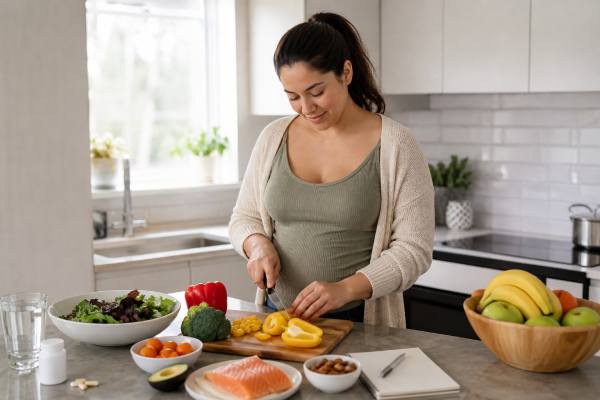
If your meals feel random, build around protein and produce first. A breakfast of Greek yogurt with berries and oats, a lunch bowl with chicken or tofu, beans, vegetables, and avocado, or a dinner of salmon, potatoes, and roasted vegetables can all fit a weight-loss plan while still supporting pregnancy readiness. For more day-to-day food structure, protein, fiber, and volume foods are a useful starting point.
Protein needs vary by body size, activity, and medical history, but many people trying to lose fat benefit from including a clear protein source at each meal. If you lift weights or are trying to preserve muscle while losing weight, setting a daily protein target can make the plan more precise.
Before pregnancy, folic acid deserves special attention. Most people who could become pregnant are advised to get 400 micrograms of folic acid daily before pregnancy and during early pregnancy. Some people need a higher dose, including those with a prior pregnancy affected by a neural tube defect, certain seizure medications, some malabsorption conditions, or other medical risk factors. Ask your clinician what dose is right for you.
A prenatal vitamin can help cover common gaps, but it does not replace food. It is also possible to overdo certain nutrients, especially vitamin A in retinol form. Choose a standard prenatal rather than stacking multiple supplements unless your clinician has recommended it.
Also review caffeine, alcohol, and food safety. If you are actively trying to conceive, it is wise to reduce alcohol and avoid binge drinking because you may not know you are pregnant right away. Moderate caffeine intake is often compatible with pregnancy, but people who drink large amounts may want to taper before conception to avoid headaches and fatigue later.
The most important eating habit is consistency. You do not need a perfect fertility diet. You need a repeatable pattern that supports a healthy weight, stable energy, and adequate nutrients.
Exercise, Sleep, and Stress Habits
The best movement plan before pregnancy combines aerobic activity, strength training, and daily movement you can maintain. Fitness before pregnancy can improve insulin sensitivity, blood pressure, stamina, mood, and confidence as your body changes.
A practical weekly target for many adults is:
- 150 minutes or more of moderate aerobic activity, such as brisk walking, cycling, swimming, or elliptical training
- 2 to 3 strength-training sessions
- light movement breaks on sedentary days
- mobility or gentle stretching as needed for comfort
Walking is one of the easiest places to start. It is accessible, low-impact, and easy to continue during pregnancy for many people. If you are starting from a low activity level, begin with 10 to 15 minutes most days, then build gradually. A step-based plan such as walking for weight loss can be useful if you prefer simple targets over formal workouts.
Strength training is especially valuable before pregnancy because it helps preserve muscle during weight loss and prepares your body for carrying more weight later. Focus on controlled full-body movements: squats to a box, hip hinges, rows, presses, step-ups, dead bugs, carries, and glute bridges. You do not need to train like an athlete. You need progressive, well-tolerated practice. A beginner-friendly option such as a 3-day strength plan can help you organize sessions without overcomplicating them.
If you have joint pain, a very high BMI, pelvic pain, shortness of breath, dizziness, or a history of pregnancy complications, choose lower-impact options and ask a clinician or physical therapist for guidance. Swimming, recumbent cycling, walking intervals, and machine-based strength training can all be effective.
Sleep matters more than many people expect. Short or broken sleep can increase hunger, cravings, fatigue, and stress eating. It can also make exercise feel harder. Aim for a consistent sleep window, a wind-down routine, morning light exposure, and a caffeine cutoff that protects bedtime. If you snore loudly, wake gasping, have morning headaches, or feel very sleepy during the day, ask about sleep apnea testing before pregnancy.
Stress does not prevent weight loss by magic, but it can change behavior. High stress can increase grazing, emotional eating, skipped workouts, poor sleep, and reliance on convenience foods. Choose two or three calming tools you will actually use:
- a 10-minute walk after work
- a simple dinner rotation
- breathing exercises before late-night snacking
- a weekly grocery routine
- preparing protein-rich snacks
- asking your partner or family for practical support
Pregnancy and early parenting are easier when your plan is not built on willpower alone. Make the healthy choice visible, available, and repeatable.
Medical Checks, Medications, and Fertility
A preconception visit is one of the most useful steps you can take if weight, medications, fertility, or health conditions are part of the picture. The goal is to identify issues that are easier to manage before pregnancy than after pregnancy begins.
Ask your clinician about:
- blood pressure
- A1C or fasting glucose, especially with PCOS, prior gestational diabetes, family history, or central weight gain
- thyroid testing if you have symptoms or known thyroid disease
- iron, B12, or vitamin D if you are at risk for deficiency
- medication safety before conception
- prenatal vitamin and folic acid dose
- immunizations
- sleep apnea symptoms
- fertility timing and when to seek evaluation
This is especially important if you have PCOS, diabetes, prediabetes, hypertension, kidney disease, autoimmune disease, thyroid disease, a history of blood clots, prior bariatric surgery, recurrent miscarriage, or previous gestational diabetes or preeclampsia.
Weight-loss medications require careful planning. Anti-obesity medications are generally not used during pregnancy, and some need to be stopped well before trying to conceive. The timing depends on the specific drug, dose, half-life, and your medical reason for taking it. If you use semaglutide, tirzepatide, liraglutide, phentermine, topiramate, naltrexone-bupropion, or orlistat, do not make assumptions; review the plan with the prescriber. A more detailed medication discussion belongs in a dedicated visit, and weight-loss medication and pregnancy planning is an area where individualized guidance matters.
Supplements deserve the same caution. “Natural” does not mean safe for conception or pregnancy. Avoid stimulant-heavy fat burners, detox teas, laxatives, high-dose vitamin A, and unverified hormone products. If a supplement promises rapid fat loss, appetite suppression, fertility boosting, or “hormone balancing,” treat it as a red flag until your clinician confirms it is safe.
If you have had bariatric surgery, pregnancy timing and nutrition need special care. Many clinicians recommend waiting until weight has stabilized after surgery before pregnancy, and nutrient monitoring is essential. Iron, B12, folate, calcium, vitamin D, and protein intake may need closer follow-up.
Fertility timing also matters. If you are under 35 and have been trying to conceive for 12 months, or 35 or older and trying for 6 months, seek fertility evaluation. Seek care sooner if your cycles are very irregular, you rarely ovulate, you have known endometriosis, your partner has known fertility concerns, or you have had recurrent pregnancy loss.
Weight can be part of fertility care, but it should not become a reason to postpone all evaluation indefinitely. You deserve both respectful weight support and timely reproductive care.
What to Do When You Conceive
Once you are pregnant, the goal usually shifts from weight loss to appropriate pregnancy weight gain, nutrition, and medical monitoring. Do not continue an intentional weight-loss diet after a positive pregnancy test unless your pregnancy clinician gives specific instructions.
Recommended pregnancy weight gain depends on your pre-pregnancy BMI and whether you are carrying one baby or multiples. For a singleton pregnancy, commonly used ranges are:
| Pre-pregnancy BMI category | Recommended total gain |
|---|---|
| Underweight | 28 to 40 pounds |
| Healthy weight | 25 to 35 pounds |
| Overweight | 15 to 25 pounds |
| Obesity | 11 to 20 pounds |
These ranges are not a personal prescription. Your clinician may adjust guidance based on your health, fetal growth, nausea, vomiting, appetite, twins, prior pregnancy history, or medical conditions. For a deeper look at ranges by starting BMI, healthy pregnancy weight gain by BMI is the more relevant topic once pregnancy begins.
If you become pregnant while trying to lose weight, take these steps:
- Stop intentional calorie restriction and contact your pregnancy clinician.
- Review all medications and supplements immediately.
- Continue your prenatal vitamin unless told otherwise.
- Keep balanced meals with protein, fiber-rich carbohydrates, healthy fats, and fluids.
- Continue exercise that feels comfortable and has been cleared as safe for you.
- Ask how much weight gain is appropriate for your situation.
Nausea, food aversions, fatigue, and constipation can make early pregnancy harder. If vegetables, meat, or large meals sound impossible, focus on tolerable basics: yogurt, eggs, oatmeal, smoothies, soups, whole-grain toast, fruit, beans, rice bowls, nuts, crackers with cheese, or simple sandwiches. Early pregnancy is not the time to prove dietary discipline.
If you are worried about gaining too much, bring it up early. Your clinician can help you monitor weight trends without shame and may refer you to a registered dietitian. The same applies if you are not gaining enough or cannot keep food down.
Seek prompt medical care if you are pregnant and have heavy bleeding, severe abdominal pain, fainting, severe dehydration, persistent vomiting, severe headache, vision changes, chest pain, shortness of breath, or swelling with high blood pressure symptoms. Those are not weight-management issues; they need medical evaluation.
The best preconception plan is the one that can transition smoothly into pregnancy. If your habits are built on regular meals, enjoyable movement, adequate protein, better sleep, and steady medical care, you will be better prepared than if you relied on a strict diet that only worked before pregnancy.
References
- Maternal and child nutrition: nutrition and weight management in pregnancy, and nutrition in children up to 5 years 2025 (Guideline)
- Overweight and obesity management 2025 (Guideline)
- Folic Acid: Sources and Recommended Intake 2025 (Government Resource)
- Weight Gain During Pregnancy 2024 (Government Resource)
- Influence of maternal body mass index on pregnancy complications and outcomes: a systematic review and meta-analysis 2024 (Systematic Review)
- Effectiveness of preconception weight loss interventions on fertility in women: a systematic review and meta-analysis 2024 (Systematic Review)
Disclaimer
This article is for general educational purposes only and is not a substitute for medical advice, diagnosis, or treatment. If you are planning pregnancy, already pregnant, using weight-loss medication, managing a medical condition, or have a history of eating disorder or pregnancy complications, work with a qualified healthcare professional on an individualized plan.
Share this article on Facebook, X, or your preferred platform to help others plan for pregnancy with safer, more realistic weight and health goals.