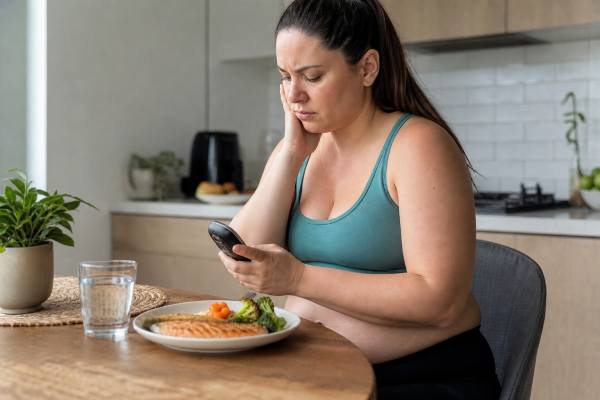
Weight loss with PCOS can feel confusing because the usual advice often sounds simple: eat less, move more, and be patient. But PCOS can change how hunger, cravings, blood sugar, energy, menstrual cycles, and body fat distribution behave. For many people, the problem is not a lack of effort. It is that insulin resistance can make the same plan feel harder to follow, slower to show results, and easier to derail.
That does not mean weight loss is impossible. It means the plan needs to match the biology. A PCOS-friendly approach usually focuses less on punishment and more on steady blood sugar, enough protein and fiber, strength-building activity, sleep, stress recovery, medical screening, and realistic progress tracking. The goal is not just a lower number on the scale. It is better metabolic health, more predictable appetite, improved symptoms where possible, and a plan that can be repeated without burning out.
Table of Contents
- Why Insulin Resistance Changes Weight Loss
- Why Eating Healthy May Not Be Enough
- Symptoms, Tests, and Red Flags
- Nutrition Strategies for PCOS and Insulin Resistance
- Exercise, Sleep, and Stress That Support Insulin Sensitivity
- Medications, Supplements, and Specialist Options
- Realistic Progress and Next Steps
Why Insulin Resistance Changes Weight Loss
Insulin resistance makes weight loss harder because the body has to produce more insulin to move glucose from the bloodstream into cells. Higher insulin levels can affect appetite, fat storage patterns, energy swings, and androgen production, all of which can make weight management feel less predictable.
Insulin is not “bad.” It is an essential hormone. After you eat carbohydrate-containing foods, your digestive system breaks many of them into glucose. Insulin helps move that glucose into muscle, liver, and other tissues where it can be used or stored. In insulin resistance, those tissues do not respond as well, so the pancreas often compensates by releasing more insulin.
In PCOS, this matters for several reasons:
- Hunger may feel more urgent. Blood sugar swings can make it harder to go long stretches without eating, especially if meals are low in protein, fiber, or fat.
- Cravings may cluster around refined carbohydrates. This is not a character flaw. It can be a response to energy dips, poor sleep, stress, or meals that digest quickly.
- Belly fat may be more prominent. Insulin resistance is closely linked with central fat storage, although body shape is also influenced by genetics, hormones, age, and overall body fat.
- Androgens can rise. Higher insulin can stimulate the ovaries to produce more androgens in some people with PCOS, which may worsen acne, excess facial or body hair, scalp hair thinning, and irregular ovulation.
- Progress may be masked by water shifts. Menstrual cycle changes, inflammation, sodium intake, constipation, hard workouts, and sleep loss can all affect scale weight.
This is why two people can follow similar calorie targets and have very different experiences. The calorie deficit still matters, but the ability to create and sustain that deficit is influenced by biology. For a deeper look at the broader condition, PCOS weight loss basics can help connect symptoms, lifestyle, and medical options.
It is also important to know that insulin resistance can occur in people with PCOS at many body sizes. Weight gain can worsen insulin resistance, but insulin resistance is not simply caused by weight. That distinction matters because it reduces blame and points toward better care: the plan should improve insulin sensitivity while also supporting sustainable fat loss if weight loss is an appropriate goal.
Why Eating Healthy May Not Be Enough
A healthy diet can still fail to produce weight loss if portions, meal timing, protein, fiber, sleep, stress, medications, or insulin resistance are not addressed. With PCOS, “I eat healthy” may be true, but the plan may not yet be structured enough to improve appetite control and create a consistent deficit.
Healthy foods still contain calories. Olive oil, nuts, smoothies, granola, avocado, rice bowls, protein bars, and “clean” desserts can all fit into a good diet, but they can also make a deficit disappear if portions creep upward. At the same time, simply cutting calories harder can backfire if it increases cravings, fatigue, or rebound overeating.
A more useful question is: Does this way of eating help me stay full, steady, and consistent?
For PCOS and insulin resistance, common sticking points include:
- Breakfasts that are mostly starch or sugar. Cereal, toast, pastries, sweet coffee drinks, or low-protein smoothies may leave you hungry soon after.
- Long gaps followed by large evening meals. Some people do well with fewer meals, but others experience stronger cravings and night eating when daytime intake is too low.
- Too little protein. Protein supports fullness and helps protect lean mass during weight loss.
- Too little fiber. Fiber slows digestion, supports gut health, and can reduce the blood sugar impact of meals.
- Liquid calories. Sweetened coffee, juice, alcohol, and frequent smoothies can add up quickly without much fullness.
- Weekend drift. A solid weekday plan can be offset by larger portions, takeout, alcohol, and grazing over two or three days.
This does not mean you need a rigid diet. Many people do better with a repeatable meal structure than with strict rules. For example, each meal might include a palm-sized protein, a high-fiber carbohydrate or starchy vegetable, colorful non-starchy vegetables, and a measured amount of fat. That kind of structure is often easier to maintain than constantly chasing the “perfect” PCOS diet.
There is no single best diet for every person with PCOS. Low-glycemic, Mediterranean-style, higher-protein, higher-fiber, moderate-carbohydrate, and calorie-controlled approaches can all work when they are sustainable. The most effective plan is usually the one that improves fullness, lowers dietary chaos, supports insulin sensitivity, and can be repeated on busy days. For more food-specific guidance, a PCOS-friendly eating pattern may help you compare practical options without turning meals into a set of forbidden foods.
Symptoms, Tests, and Red Flags
If weight loss feels unusually difficult with PCOS, it is worth checking for insulin resistance, prediabetes, thyroid disease, medication effects, sleep apnea, and other factors that can change appetite or metabolism. PCOS is common, but it should not be used as a catch-all explanation for every symptom.
Insulin resistance can be present before blood sugar reaches the diabetes range. Some people have normal fasting glucose but abnormal insulin response after meals. Others have high triglycerides, low HDL cholesterol, fatty liver, irregular cycles, or central weight gain that points to metabolic risk.
Helpful tests to discuss with a clinician may include:
- Fasting glucose and hemoglobin A1c
- Oral glucose tolerance test, especially when PCOS symptoms and risk factors are present
- Fasting lipid panel
- Blood pressure and waist measurement
- Liver enzymes if fatty liver is a concern
- Thyroid-stimulating hormone, especially with fatigue, cold intolerance, constipation, or unexplained weight change
- Total and free testosterone or related androgen testing when symptoms suggest androgen excess
- Pregnancy test when periods are absent or irregular and pregnancy is possible
Not everyone needs every test. The right workup depends on age, symptoms, cycle pattern, pregnancy plans, family history, medications, and previous results. If you want a practical symptom checklist, signs of insulin resistance can help you prepare for a medical visit.
Some symptoms deserve prompt medical attention rather than more dieting. Contact a healthcare professional urgently or soon if you have:
- Very heavy bleeding, bleeding between periods, or bleeding after sex
- No period for 90 days or more, unless your clinician has explained why
- Rapid onset of severe acne, excess hair growth, deepening voice, or other signs of quickly rising androgens
- Excessive thirst, frequent urination, blurred vision, or unexplained fatigue that could suggest high blood sugar
- Severe pelvic pain
- Symptoms of sleep apnea, such as loud snoring, gasping, morning headaches, or severe daytime sleepiness
- Signs of an eating disorder, including bingeing with loss of control, purging, extreme restriction, or intense fear of eating
- Rapid unexplained weight gain, new purple stretch marks, easy bruising, or muscle weakness
A good PCOS evaluation should feel collaborative. You should not be told only to “try harder,” but it is also not helpful to be told weight loss is impossible. The most useful care looks for modifiable barriers and treats PCOS as a metabolic, hormonal, reproductive, and emotional health condition.
Nutrition Strategies for PCOS and Insulin Resistance
The best nutrition strategy for PCOS and insulin resistance is one that keeps meals satisfying while reducing sharp blood sugar swings. Most people do better by building meals around protein, fiber-rich carbohydrates, vegetables, and healthy fats rather than cutting entire food groups without a clear reason.
A practical plate can look like this:
- Protein: eggs, Greek yogurt, cottage cheese, fish, chicken, turkey, tofu, tempeh, lean meat, beans, lentils, or protein powder when useful
- High-fiber carbohydrate: oats, berries, beans, lentils, potatoes with skin, quinoa, brown rice, whole-grain bread, or lower-glycemic grains
- Non-starchy vegetables: leafy greens, broccoli, peppers, zucchini, tomatoes, mushrooms, cucumber, cabbage, or cauliflower
- Fat for satisfaction: olive oil, avocado, nuts, seeds, tahini, or cheese in measured portions
Carbohydrates do not need to be eliminated. In fact, overly strict low-carb dieting can be hard to sustain and may worsen cravings for some people. The bigger issue is carbohydrate quality, portion, and what the carbohydrate is paired with. A bowl of plain pasta eaten quickly may affect fullness and glucose differently than a smaller pasta portion paired with chicken, vegetables, olive oil, and a side salad.
| Instead of relying on | Try building around | Why it may help |
|---|---|---|
| A low-protein breakfast | 25–35 grams of protein with fiber | May reduce mid-morning hunger and cravings |
| Refined carbs eaten alone | Carbs paired with protein and vegetables | Slows digestion and improves meal satisfaction |
| Large, unmeasured fats | Measured oils, nuts, dressings, and spreads | Keeps healthy foods from quietly exceeding calorie needs |
| Skipping meals until evening | A repeatable meal rhythm | Can reduce night cravings and impulsive eating |
| All-or-nothing dieting | Planned flexible meals | Improves consistency without rebound overeating |
Protein targets vary, but many weight-loss plans work better when protein is distributed across the day rather than saved for dinner. If you are unsure where to start, reviewing protein intake for weight loss can make meal planning more concrete.
Fiber is equally important. Beans, lentils, vegetables, berries, chia seeds, oats, and whole grains can help you feel full on fewer calories. If your current fiber intake is low, increase gradually and drink enough fluids to avoid bloating or constipation.
A useful PCOS meal plan does not need to be perfect. It needs to lower decision fatigue. Keeping a short list of reliable meals, such as eggs with vegetables, Greek yogurt with berries and chia, chicken bowls, lentil soup, tuna salad plates, tofu stir-fries, or bean-and-vegetable chili, can make consistency easier. Some people also benefit from planning emergency meals for busy days, such as frozen vegetables, microwave grains, rotisserie chicken, canned fish, prewashed salad, or high-protein yogurt.
Exercise, Sleep, and Stress That Support Insulin Sensitivity
Exercise helps PCOS even when the scale changes slowly because muscle contractions improve glucose uptake and insulin sensitivity. The most useful routine usually combines strength training, regular walking or cardio, and enough recovery to avoid burnout.
Strength training is especially valuable because muscle is metabolically active tissue. You do not need an extreme program. Two to four sessions per week can be enough for many people, especially when the plan uses basic movements such as squats, hinges, presses, rows, lunges, carries, and core stability work. Beginners can use machines, dumbbells, resistance bands, or body weight.
Cardio also matters. Brisk walking, cycling, swimming, incline treadmill walking, dance workouts, rowing, or low-impact intervals can improve fitness and help create a calorie deficit. For PCOS, the best exercise is not the one that burns the most calories in one session. It is the one you can repeat while still sleeping, eating, working, and recovering well. A PCOS exercise plan can help you combine strength and cardio without guessing.
Small movement after meals can be surprisingly useful. A 10- to 20-minute walk after lunch or dinner may support glucose control and reduce the urge to keep snacking. This is not a punishment for eating. It is a simple way to help muscles use circulating glucose.
Sleep can be the hidden barrier. Short or fragmented sleep can increase hunger, reduce impulse control, worsen cravings, and make exercise feel harder. PCOS is also linked with a higher risk of sleep apnea, especially when weight, snoring, or daytime sleepiness are present. If you often wake unrefreshed, sleep should be treated as part of the weight-loss plan, not as an optional wellness extra. For practical targets, sleep duration for weight loss can help you evaluate whether your routine is working for or against appetite control.
Stress does not magically create fat from nothing, but it can change behavior and physiology in ways that matter. High stress can make planning harder, increase comfort eating, disrupt sleep, and reduce daily movement. A realistic stress plan might include:
- A short walk before or after work
- A protein-rich planned snack before the highest-risk craving window
- A consistent bedtime wind-down
- Fewer trigger foods kept in plain sight
- A simple meal plan for the busiest two days of the week
- Therapy or structured support when anxiety, depression, trauma, or binge eating are present
The goal is not to become a perfectly calm person. It is to reduce the number of times stress makes decisions for you.
Medications, Supplements, and Specialist Options
Medical treatment can be appropriate when insulin resistance, irregular cycles, androgen symptoms, prediabetes, obesity, fertility goals, or weight-related health risks are present. PCOS care should be individualized because the right option depends on symptoms, pregnancy plans, metabolic risk, side effects, and personal preferences.
Metformin is commonly used in PCOS, especially when insulin resistance, impaired glucose tolerance, prediabetes, or type 2 diabetes risk is present. It is not a magic weight-loss drug, but it may modestly support weight and metabolic health in some people while improving insulin-related features. Gastrointestinal side effects are common at first, so clinicians often start with a lower dose and increase gradually. Extended-release forms may be easier to tolerate. If this is being considered, metformin and weight loss is worth discussing with your clinician in the context of PCOS, blood sugar, and side effects.
Hormonal contraceptives may be used to manage irregular bleeding, acne, and androgen-related symptoms when pregnancy is not desired. They do not treat insulin resistance directly, but they can protect the uterine lining when cycles are infrequent and may improve androgen symptoms. Anti-androgen medications such as spironolactone may be used for excess hair growth or acne in selected cases, usually with reliable contraception because of pregnancy-related risks.
GLP-1 receptor agonists and related anti-obesity medications may be considered for people who meet criteria for obesity treatment or diabetes care. These medications can reduce appetite and body weight and may improve metabolic markers. They also require careful screening, side-effect management, and pregnancy planning. They are not simply cosmetic weight-loss tools, and stopping them can lead to weight regain without a maintenance plan.
Inositol is a popular supplement in PCOS because of its possible effects on insulin signaling and ovulation-related outcomes. Evidence is mixed, product quality varies, and it should not replace medical care for prediabetes, diabetes, irregular bleeding, or fertility concerns. If you are comparing options, inositol should be viewed as a possible adjunct rather than the foundation of treatment.
Bariatric or metabolic surgery may be appropriate for some people with severe obesity or significant weight-related conditions, depending on local guidelines, BMI, health risks, prior treatment attempts, and personal goals. PCOS symptoms may improve with substantial weight loss, but surgery requires lifelong nutrition monitoring, supplementation, and follow-up.
Specialist care is especially important if you are trying to conceive, have repeated pregnancy loss, have diabetes or prediabetes, have very irregular bleeding, experience severe androgen symptoms, or feel stuck despite a structured plan. A team may include a primary care clinician, gynecologist, endocrinologist, registered dietitian, fertility specialist, sleep specialist, or mental health professional.
Realistic Progress and Next Steps
Progress with PCOS is often slower and less linear than expected, so the best plan tracks more than scale weight. Waist measurement, cycle regularity, cravings, energy, strength, sleep, blood pressure, glucose markers, lipids, and how consistently you can repeat your habits all matter.
A modest weight loss of 5–10% can improve metabolic and reproductive features for many people with PCOS, especially when excess weight is present. But even before that, better meal structure, more movement, and improved sleep can reduce cravings and improve energy. Do not dismiss those changes just because the scale is slow.
A practical first-month plan might look like this:
- Choose one meal structure. Build two or three repeatable breakfasts and lunches around protein and fiber.
- Add walking after one meal most days. Start with 10 minutes if that is realistic.
- Strength train twice per week. Keep it simple and repeatable.
- Set a sleep anchor. Pick a consistent wake time or bedtime and protect it most days.
- Track one useful metric besides weight. Options include waist measurement, cycle dates, cravings, steps, workouts, or fasting glucose if your clinician recommends it.
- Schedule medical follow-up. Review labs, menstrual patterns, medications, and symptoms rather than guessing.
If the scale has not moved after several weeks, do not immediately slash calories. First check for common issues: inconsistent weekends, liquid calories, portions of calorie-dense foods, low protein, low fiber, constipation, menstrual water retention, reduced daily movement, poor sleep, and medication changes. If you are truly consistent and still seeing no change, a clinician or dietitian can help adjust the plan safely. For broader strategy, weight loss with insulin resistance can help you troubleshoot without defaulting to extreme restriction.
Most importantly, PCOS weight loss should not require self-blame. The condition can make weight management harder, but harder does not mean hopeless. A better plan respects the biology: stable meals, enough protein and fiber, strength training, daily movement, sleep protection, stress support, appropriate testing, and medical treatment when needed. That combination is rarely flashy, but it is often what makes progress possible.
References
- Recommendations from the 2023 International Evidence-based Guideline for the Assessment and Management of Polycystic Ovary Syndrome 2023 (Guideline)
- Lifestyle management in polycystic ovary syndrome – beyond diet and physical activity 2023 (Review)
- Weight Management Strategies to Reduce Metabolic Morbidity in Women With Polycystic Ovary Syndrome 2025 (Review)
- Efficacy and safety of GLP-1 receptor agonists on weight management and metabolic parameters in PCOS women: a meta-analysis of randomized controlled trials 2025 (Meta-analysis)
- Standards of Care in Diabetes 2026 (Guideline)
Disclaimer
This article is for general educational purposes only and is not a substitute for professional medical advice, diagnosis, or treatment. PCOS, insulin resistance, irregular bleeding, fertility concerns, diabetes risk, medications, and supplements should be discussed with a qualified healthcare professional who can consider your medical history and goals.
If this article was helpful, consider sharing it on Facebook, X, or your preferred platform so others navigating PCOS and weight loss can find practical, evidence-informed guidance.