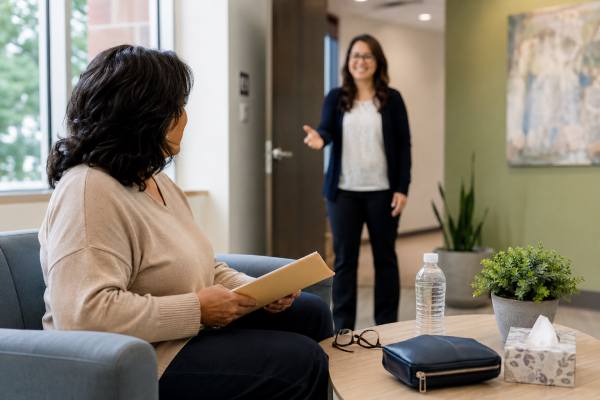
A neuropsychological evaluation can feel intimidating because it is longer and more detailed than a typical office visit. The goal, however, is not to “pass” or prove anything. It is to create an accurate picture of how your thinking skills, memory, attention, language, problem-solving, mood, behavior, and daily functioning are working in real life.
Good preparation helps the clinician interpret your results fairly. That means arriving rested when possible, bringing the right records, being honest about symptoms and effort, and avoiding anything that could distort the picture, such as skipping usual medications without medical advice or trying to rehearse test answers. The best preparation is practical, not complicated.
Table of Contents
- What the Testing Is Meant to Show
- Two Weeks Before Testing
- The Day Before and Morning Of
- What to Bring to the Appointment
- Medications, Sleep, and Symptoms
- What to Expect During Testing
- Preparing Children, Teens, and Older Adults
- After Testing and When to Get Help
What the Testing Is Meant to Show
Neuropsychological testing is designed to show patterns of cognitive strengths and weaknesses, not simply whether someone is “smart” or “not smart.” The results are most useful when they are interpreted alongside your medical history, emotional health, education, work demands, sleep, medications, and day-to-day functioning.
A neuropsychologist may evaluate areas such as attention, processing speed, learning, memory, language, visual-spatial skills, fine motor speed, reasoning, executive function, academic skills, mood, and behavior. The exact tests vary because the evaluation is usually built around a referral question. Someone being evaluated after a concussion may not receive the same test battery as someone being assessed for memory loss, ADHD, autism, a learning disorder, or changes after a stroke.
The appointment often includes an interview, questionnaires, standardized tests, and sometimes input from a family member, teacher, caregiver, or other person who knows the patient well. A related explanation of what neuropsychological testing measures can help clarify why different people may have different testing experiences.
A key point is that the tests are standardized. That means the instructions, timing, scoring, and comparison groups are carefully controlled. Your results are usually compared with people of a similar age and, when appropriate, education or other background factors. This helps the clinician understand whether a score is typical, lower than expected, or unusually strong for your situation.
You do not need to study for neuropsychological testing. In fact, trying to practice specific tests can make the results harder to interpret. A neuropsychologist is not looking only at right and wrong answers. They also observe how you approach tasks, how consistent your performance is, how you respond to frustration, whether fatigue changes your performance, and whether the pattern fits your real-world concerns.
It is also normal for some tasks to feel easy and others to feel surprisingly hard. Many evaluations are built so that no one gets every item correct. Difficult items help identify your upper limits, while easier items help establish a baseline. Feeling challenged does not mean you are doing badly.
Neuropsychological testing is different from a brief screening test and different from a standard IQ test. IQ testing can be one part of some evaluations, but neuropsychological testing usually looks more broadly at brain-behavior relationships, functioning, diagnosis, treatment planning, school or workplace supports, and changes over time. When the distinction matters, an explanation of IQ testing versus neuropsychological testing may be useful.
Two Weeks Before Testing
The best preparation starts with organizing information, not memorizing answers. In the week or two before testing, focus on gathering records and writing down the real-life problems you want the evaluation to address.
Start by confirming the appointment details. Ask how long the visit is expected to take, whether it will happen in one day or across multiple sessions, whether breaks are built in, and whether a family member or caregiver should attend the interview portion. Comprehensive evaluations often take several hours, and some are split across days to reduce fatigue or fit scheduling needs.
Next, make a short list of your main concerns. Keep it specific. Instead of writing “memory is bad,” note examples such as “forgot two bill payments this month,” “gets lost driving familiar routes,” “rereads work emails several times,” or “child knows material at home but freezes during timed tests.” Real examples help the clinician connect test scores with daily functioning.
It can also help to create a brief timeline. Include when symptoms began, whether they came on suddenly or gradually, what has improved or worsened, and what else was happening around that time. Important context may include a concussion, infection, surgery, stroke, seizure, medication change, sleep disruption, substance use, major stress, grief, pregnancy or postpartum changes, menopause, job changes, school difficulties, or a new psychiatric diagnosis.
If the evaluation is for ADHD, autism, learning differences, or developmental concerns, gather older school records if available. Report cards, standardized test scores, IEPs, 504 plans, speech-language evaluations, occupational therapy reports, and prior psychoeducational testing can help show whether a pattern is longstanding. For adults, childhood records can be surprisingly helpful because many neurodevelopmental conditions begin early even when they are recognized later. For ADHD-specific questions, it may help to understand when neuropsychological testing for ADHD adds value and when other clinical information is more important.
For memory concerns, ask the clinic whether an informant should come with you. A spouse, adult child, close friend, or caregiver may notice changes that the patient does not see, especially changes in finances, medications, navigation, cooking, judgment, or social behavior. This is not about undermining the patient’s account. It gives the neuropsychologist more than one view of daily functioning.
Avoid making major changes to your routine before testing unless a clinician tells you to. Do not start or stop supplements, caffeine, sleep aids, cannabis, alcohol reduction plans, or prescription medications solely to “perform better” on the test. A sudden change can affect sleep, attention, mood, or withdrawal symptoms and may make results less representative.
The Day Before and Morning Of
The day before testing should be ordinary, calm, and predictable. Aim for your usual routine, a reasonable bedtime, normal meals, and enough time to arrive without rushing.
Do not try to cram, rehearse puzzles, or search for test items online. Neuropsychological tests are not like school exams. Preparation that changes your exposure to test material can interfere with standardization and may make the results less useful. The most helpful goal is to show how you function under normal, honest conditions.
The night before, set out anything you need to bring. Charge your phone, plan transportation, check parking or transit details, and decide what you will eat before the appointment. If the evaluation may last several hours, pack a snack and water unless the clinic tells you not to. Choose comfortable clothing and bring layers, since testing rooms can be cooler or warmer than expected.
On the morning of testing, eat something that usually agrees with you. A heavy meal that makes you sleepy is not ideal, but neither is arriving hungry. If you normally drink caffeine, ask the clinic what they recommend; in many cases, your usual amount is more representative than suddenly stopping or drinking much more than normal. Sudden caffeine changes can cause headaches, anxiety, shakiness, or fatigue.
Arrive early enough to use the restroom, complete any forms, and settle in. If you are late, flustered, or rushed, tell the staff rather than trying to hide it. The clinician may still proceed, but they should know about anything that could affect performance.
During testing, do your best without overthinking what each task “means.” Some tasks measure speed, some measure accuracy, and some measure how you learn with repetition. Ask for clarification if you do not understand the instructions, but do not ask the examiner whether your answer is correct. They usually cannot coach you during standardized tasks.
It is acceptable to request a break if you feel overwhelmed, in pain, unusually tired, or physically unwell. Breaks are common, especially during longer evaluations. What matters is communicating clearly so the examiner can document the situation and pace the session appropriately.
| When | What to do | Why it helps |
|---|---|---|
| One to two weeks before | Gather records, write symptom examples, confirm appointment details | Helps the clinician choose tests and interpret results in context |
| Two to three days before | Check transportation, childcare, work coverage, and forms | Reduces stress and prevents rushed decisions |
| The night before | Sleep as normally as possible, pack materials, avoid alcohol or unusual routines | Improves the chance that results reflect typical functioning |
| Morning of testing | Eat, take usual medications unless instructed otherwise, bring assistive devices | Supports attention, stamina, vision, hearing, and comfort |
| During testing | Give honest effort, ask for instruction clarification, request breaks when needed | Produces more accurate and useful findings |
What to Bring to the Appointment
Bring anything that helps explain your medical, developmental, educational, emotional, or functional history. The most useful records are the ones that show the problem over time or document conditions that could affect thinking.
You do not need to bring every medical document you have ever received. Prioritize records related to the referral question. If you are not sure what matters, bring a reasonable set and let the clinician decide what is relevant.
Useful items may include:
- Photo identification and insurance information, if needed
- Glasses, contact lenses, hearing aids, mobility aids, or other assistive devices
- A current medication list, including dose, timing, and recent changes
- A list of supplements, sleep aids, cannabis products, alcohol intake, or other substances that could affect cognition
- Prior neuropsychological, psychological, psychoeducational, speech-language, occupational therapy, or academic testing reports
- School records, IEPs, 504 plans, teacher reports, disciplinary records, or standardized test scores
- Relevant medical records, such as neurology notes, psychiatry notes, brain imaging summaries, EEG reports, sleep study results, or hospital discharge summaries
- A short symptom timeline and examples of daily problems
- Names of clinicians involved in your care
- Legal, workplace, school, or disability forms only if the clinic has agreed to address them
For memory evaluations, medication lists are especially important because many drugs can affect attention, alertness, balance, or thinking speed. This includes sedating antihistamines, benzodiazepines, sleep medications, some pain medications, some bladder medications, some seizure medications, and combinations of several medicines. Do not stop them on your own, but make sure the neuropsychologist knows what you take.
For concussion, stroke, seizure, brain injury, or neurological conditions, bring imaging reports if you have them, not just imaging discs. The neuropsychologist may or may not need the images themselves, but written MRI, CT, PET, EEG, or neurology reports can help connect cognitive findings with medical history. A separate overview of neuropsychological testing after concussion or brain injury explains why timing and symptom history matter.
For school or work concerns, bring examples that show the functional problem. This might include teacher comments, missed deadlines, performance reviews, accommodation letters, or samples of writing or math work for a child. Do not bring excessive personal material unless requested; a few representative examples are usually more useful than a large folder of unsorted documents.
If a family member, caregiver, or partner is attending, ask the clinic whether they should stay for the full visit or only the interview. In many evaluations, observers are not allowed in the testing room because their presence can affect performance and test validity. This can feel surprising, especially for parents or caregivers, but it helps keep the testing conditions standardized.
Medications, Sleep, and Symptoms
Take medications as you normally would unless the referring clinician or testing clinic gives different instructions. The neuropsychologist needs to know how you function under realistic conditions, and sudden medication changes can distort the results.
This is especially important for medications that affect alertness, mood, pain, seizures, blood pressure, sleep, or ADHD symptoms. If you are unsure whether to take a stimulant, sedative, anti-anxiety medication, pain medicine, or sleep medication before testing, ask the clinic in advance. Different evaluations have different goals. For example, some clinicians may want to know how a person functions on their usual ADHD medication, while others may have a specific reason to compare functioning without it. Do not guess.
Sleep matters, but one imperfect night does not automatically invalidate the evaluation. Many people sleep poorly before medical appointments because they are nervous. Tell the examiner if you slept much less than usual, had a migraine, were up with a child, worked a night shift, used a sleep aid, or had symptoms of sleep apnea such as repeated awakenings or severe daytime sleepiness. The clinician can consider whether to proceed, pause, reschedule, or interpret results with caution.
Pain, fatigue, anxiety, depression, grief, trauma symptoms, and physical illness can also affect test performance. This does not mean testing is pointless if you have these symptoms. In many cases, part of the evaluation is to understand how cognitive and emotional symptoms interact. The key is accurate reporting. Minimize neither your symptoms nor your strengths.
Avoid alcohol or recreational drug use before the appointment, and tell the clinician if recent use, withdrawal, or a change in use could affect performance. This includes cannabis, sedatives, stimulants not prescribed to you, and heavy alcohol use. The purpose is not to shame you. It is to make sure the results are interpreted safely and accurately.
If you develop an acute illness, fever, new confusion, severe migraine, recent seizure, new neurological symptoms, or a major medication reaction right before testing, call the clinic. Rescheduling may be better than completing a long evaluation when you are acutely unwell. Sudden confusion, weakness on one side, trouble speaking, chest pain, a severe new headache, suicidal thoughts with intent, or dangerous behavior should be treated as urgent rather than as a routine testing issue. In those situations, seek immediate care; guidance on when to go to the ER for mental health or neurological symptoms can help clarify the difference between routine evaluation and urgent assessment.
What to Expect During Testing
Most neuropsychological evaluations involve an interview followed by several structured tasks. The appointment may be mentally tiring, but it should not be painful or invasive.
The interview usually covers your current concerns, medical history, mental health, sleep, medications, education, work, family history, and daily functioning. For children, the clinician may interview parents or caregivers and may request teacher questionnaires. For older adults or people with memory concerns, a collateral interview with someone who knows the person well can be important.
Testing itself may include paper-and-pencil tasks, spoken questions, drawing, puzzles, memory tasks, computer-based measures, questionnaires, reading or academic tasks, and motor-speed tasks. You may be asked to remember stories, copy designs, define words, solve problems, name objects, sort information, switch between rules, or respond quickly to symbols or sounds. The exact tasks depend on the referral question.
Some tests are timed. Timed tasks are not meant to rush you unfairly; they help measure processing speed, attention, efficiency, and mental flexibility. If speed has become a problem in daily life, timed tasks may capture information that untimed tasks miss.
You may also be given questionnaires about mood, anxiety, trauma symptoms, sleep, behavior, personality, pain, fatigue, or daily functioning. Answer honestly rather than trying to present yourself in the best or worst light. The neuropsychologist is looking for a consistent, clinically meaningful pattern.
Many evaluations also include performance validity measures. These are not trick questions in the everyday sense, and they do not assume dishonesty. They help the clinician judge whether the test results are an accurate reflection of your current abilities. Fatigue, severe distress, misunderstanding instructions, low effort, symptom exaggeration, or other factors can make results difficult to interpret. Validity measures protect both the patient and the clinician from drawing conclusions from unreliable data.
You can expect some uncertainty during the appointment. The examiner usually will not tell you after each task how you did. Many scores must be calculated, compared with norms, interpreted as a pattern, and integrated with the history. A single low score does not necessarily mean impairment, and a single strong score does not rule out a real problem.
If you want a fuller preview of the visit itself, a separate explanation of what happens during a neuropsychological evaluation may help you feel more prepared for the structure and pacing.
Preparing Children, Teens, and Older Adults
Preparation should match the person’s age, stamina, communication style, and reason for referral. Children, teens, and older adults often need extra planning so the testing day is accurate and humane.
For children, keep the explanation simple and non-threatening. You might say, “You’ll be doing different activities that show how you learn, remember, solve problems, and pay attention. Some will be easy, and some will be hard. Just try your best.” Avoid saying it will be “fun games” if the tasks may feel like schoolwork. Also avoid warning that the results will determine the child’s future. Too much pressure can increase anxiety and reduce cooperation.
Make sure children bring glasses, hearing aids, snacks, water, and any comfort item the clinic allows during breaks. A good breakfast and normal sleep are especially important. If your child takes ADHD medication, anxiety medication, seizure medication, or other regular medicine, ask the clinic beforehand whether to follow the usual schedule.
Parents should bring school and developmental records, including report cards, teacher concerns, prior evaluations, IEPs, 504 plans, speech or occupational therapy reports, and any documentation of early delays. Neuropsychological testing can help clarify learning, attention, executive function, emotional, and developmental patterns, but it is strongest when the clinician can compare current testing with the child’s history.
For teens, privacy and buy-in matter. Explain why the evaluation is happening and how it may help with school supports, treatment planning, driving concerns, sports recovery, or college accommodations. Teens may worry that the results will label them or expose personal information. It is reasonable to ask the clinician what information will be shared with parents, schools, or other providers.
For older adults, preparation often includes a trusted informant. This is especially important when the question involves memory loss, dementia, mild cognitive impairment, medication management, financial decisions, driving, or independent living. The goal is not to take control away from the person. It is to understand how cognition is affecting daily life. For more context, an overview of neuropsychological testing for dementia and memory loss explains how testing can fit into a broader cognitive workup.
Older adults should bring hearing aids, glasses, mobility aids, medication lists, and any recent medical records. Untreated hearing or vision problems can make cognitive testing look worse than it really is. Pain, fatigue, poor sleep, depression, grief, and recent illness should also be reported because they can influence attention and memory.
For anyone with language, cultural, educational, sensory, or motor differences, tell the clinic in advance. Testing should be as fair and appropriate as possible. The clinic may need an interpreter, different measures, extra time for accessibility needs, or records that clarify educational opportunity and language history.
After Testing and When to Get Help
After testing, expect some fatigue and a waiting period before results are ready. The most useful part often comes after the appointment, when the neuropsychologist explains the pattern and connects it to practical recommendations.
Many people feel drained after a long evaluation. Plan a low-demand evening if possible. Children may be irritable, quiet, silly, or exhausted. Adults may notice headache, mental fatigue, or emotional sensitivity. This does not mean anything went wrong. Long cognitive effort can be tiring, especially for people already dealing with sleep problems, pain, anxiety, depression, concussion symptoms, or neurological illness.
The results usually are not available immediately. Scoring, interpretation, record review, and report writing take time. Some clinics schedule a feedback visit; others send the report to the referring clinician and then review it with you. Ask when and how you will receive results, who will get a copy, and whether the report can be sent to a school, employer, attorney, disability office, therapist, neurologist, psychiatrist, or primary care clinician with your permission.
A good report should do more than list scores. It should explain the referral question, relevant history, tests used, behavioral observations, score patterns, diagnostic impressions when appropriate, limitations, and recommendations. Recommendations may include medical follow-up, psychotherapy, medication review, sleep evaluation, cognitive rehabilitation, school accommodations, workplace adjustments, driving evaluation, speech-language therapy, occupational therapy, or repeat testing after a certain interval.
Try not to interpret the raw numbers on your own before the feedback visit. Neuropsychological scores can include percentiles, standard scores, scaled scores, T-scores, confidence intervals, and descriptive ranges. A “low” score may or may not be clinically meaningful depending on the overall pattern, test reliability, effort, background, and reason for referral. A separate explanation of how to read neuropsychological test results can help you prepare for that discussion.
If the report does not make sense, ask questions. Useful questions include:
- What is the main pattern in the results?
- Do the findings support a diagnosis, rule one out, or show an unclear picture?
- Which results are most relevant to daily life?
- What should change at school, work, home, or in treatment?
- Should any medical causes be evaluated further?
- When, if ever, should testing be repeated?
- What symptoms would require urgent care rather than routine follow-up?
Neuropsychological testing is one part of a larger clinical picture. It can be powerful, but it is not a stand-alone answer to every concern. The most useful outcome is a clearer plan: what is likely going on, what remains uncertain, what supports may help, and what next steps are reasonable.
References
- Neuropsychological Assessment 2023 (Review)
- Neuropsychological Testing: What It Is, Purpose & Procedure 2023 (Patient Education)
- Update on Third Party Observers in Neuropsychological Evaluation: An Interorganizational Position Paper 2021 (Position Statement)
- Neuropsychological Assessment in Memory Services Guidance from the London Dementia Clinical Network 2021 (Guidance)
Disclaimer
This content is for general educational purposes only and is not a substitute for professional medical advice, diagnosis, or treatment. Preparation instructions can vary based on the referral question, medications, medical conditions, and clinic procedures, so follow the guidance from your own clinician or testing center.
Please share this article on Facebook, X formerly Twitter, or your preferred platform to help others prepare for neuropsychological testing with more confidence.