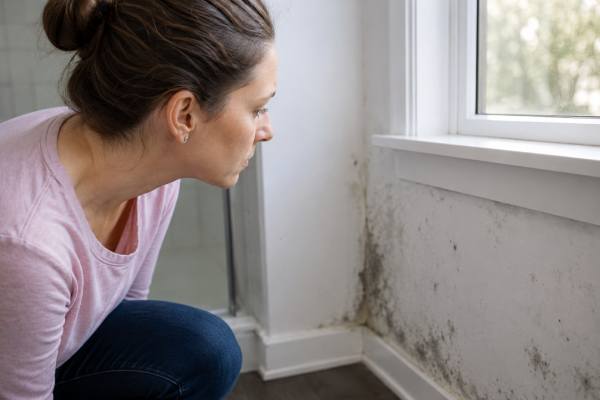
Mold is one of those household problems that can feel small at first and strangely hard to think about clearly. A musty closet, a bathroom ceiling spot, a damp basement corner, a leak that never fully dried: each seems manageable until symptoms start to blur into daily life. People often wonder whether mold is simply annoying, a serious respiratory trigger, or a sign that something deeper is happening to the immune system. The answer depends on the person, the amount of moisture, the setting, and the kind of health problem involved. In most homes, mold is less about mysterious toxicity than about dampness, irritants, allergy, asthma, and ongoing airway stress. In some people, though, especially those with asthma, allergies, immune suppression, or chronic lung disease, the stakes are higher. This guide explains what mold exposure can realistically do, which symptoms are most plausible, what tends to trigger indoor growth, and what to fix first at home.
Core Points
- Indoor mold most often affects immune health by triggering allergic inflammation, airway irritation, and asthma flares rather than by “weakening” the immune system.
- Musty odors, visible growth, repeated condensation, leaks, and water-damaged materials are more useful warning signs than most consumer mold tests.
- People with asthma, strong allergies, chronic lung disease, or immune suppression usually need faster exposure reduction and lower tolerance for home dampness.
- Routine air sampling and urine “mycotoxin” testing often add confusion without clearly guiding what to do next.
- The most effective fix is to stop the moisture source, dry wet areas within 24 to 48 hours when possible, and remove moldy materials that cannot be fully cleaned and dried.
Table of Contents
- What Mold Exposure Really Means
- Symptoms Most Linked to Mold
- Who Is Most Vulnerable
- Home Triggers That Keep It Growing
- What to Fix First at Home
- When to Test, Call a Pro, and See a Clinician
What Mold Exposure Really Means
Mold exposure is often misunderstood because people use one phrase to describe several different problems. Sometimes they mean visible mold growth on surfaces. Sometimes they mean a persistent musty smell. Sometimes they mean damp conditions that seem to worsen coughing, sinus symptoms, or fatigue. And sometimes they mean broad claims about “toxic mold” causing nearly every symptom imaginable. These are not the same thing, and treating them as if they are can lead to bad decisions.
In most homes, the main issue is not that mold is a sign of general immune collapse. It is that moisture allows fungi to grow indoors, and that growth can expose people to allergens, irritants, fungal fragments, and other biologic material that aggravates the airways, eyes, skin, and, in some cases, the immune system’s inflammatory response. In healthy people, that usually shows up as allergy-like or irritant symptoms. In more susceptible people, it can contribute to worse asthma control, persistent nasal symptoms, or less common immune-mediated lung problems.
That distinction matters because mold often triggers the immune system rather than “weakening” it in a simple way. This is one reason it helps to separate allergic or inflammatory problems from true immune deficiency. A person with mold-triggered congestion and itchy eyes is not necessarily dealing with weak immunity, just as someone with seasonal symptoms is not automatically immunocompromised. The difference between those concepts is easier to understand in the broader discussion of allergies and weak immunity.
Indoor mold is also a moisture problem first. Mold needs water or persistent dampness to grow. That means visible mold is often a clue that a building issue is still active: a leak, condensation, poor ventilation, hidden moisture behind a wall, damp carpeting, a wet crawl space, or repeated bathroom humidity. This is why the most effective response is usually not a special spray, a fogger, or a lab test. It is fixing the moisture source.
Another useful distinction is between ordinary household exposure and medically significant fungal infection. In most homes, visible mold does not mean the occupants are developing invasive fungal disease. That kind of infection is mainly a concern for people with major immune suppression, severe chronic lung disease, or very specific high-risk conditions. For everyone else, the better framework is allergy, irritation, asthma triggering, and exposure management.
So when people ask whether mold affects immune health, the most grounded answer is yes, but usually through immune reactivity and airway burden, not through a vague collapse of immune function. That keeps the problem serious without turning it into a catch-all explanation for everything.
Symptoms Most Linked to Mold
The symptoms most strongly linked to indoor mold and dampness are usually respiratory, nasal, eye, and skin symptoms. That may sound less dramatic than many mold narratives online, but it is exactly why the topic deserves a practical lens. Mold-related problems are often common symptoms that become more persistent, more recurrent, or more tied to a particular indoor space.
The most typical pattern includes:
- stuffy or runny nose
- sneezing
- itchy or red eyes
- scratchy throat
- cough
- wheeze
- chest tightness
- skin irritation or rash
- worsening asthma symptoms
These symptoms may be immediate, delayed, or intermittent. Some people notice them only in one room, only after showers, or only after spending several hours at home. Others notice a more chronic pattern that improves when they leave the environment for a few days. That kind of location-linked pattern matters.
For people with asthma, mold exposure can be more consequential because it can trigger flares rather than just mild irritation. That is especially true when mold sits alongside other indoor irritants such as dust, smoke, poor ventilation, pest exposure, or high humidity. A home with multiple triggers can feel worse than one with mold alone. Similar overlap can happen with sinus issues, which is why some people assume mold is causing repeated infection when the bigger problem is ongoing inflammation. If that sounds familiar, it may help to compare the pattern with other causes of recurring sinus symptoms and immune-linked questions.
Less common but still important are more significant immune or lung reactions. In susceptible people, mold exposure can contribute to hypersensitivity pneumonitis, an immune-mediated lung condition caused by repeated inhalation of sensitizing substances. This is not the same as simple allergy. It is rarer, more serious, and more likely in specific exposure settings or predisposed individuals. Likewise, people with immune suppression or chronic lung disease can face a different level of risk from fungal exposure than the average healthy adult.
What about headaches, fatigue, brain fog, dizziness, and generalized malaise? These are harder to interpret. They can occur in damp indoor environments, but they are much less specific. A musty, humid, poorly ventilated room can make people feel unwell for many reasons, including disrupted sleep, irritation, stress, coexisting pollutants, and chronic airway inflammation. That does not mean the symptoms are invented. It means they are weaker clues than cough, wheeze, rhinitis, asthma flares, or space-linked eye and throat irritation.
The most useful symptom question is not “Could mold cause this in theory?” It is “Does the pattern fit?” If symptoms worsen in damp indoor spaces, improve when away, recur after leaks or condensation, or cluster with asthma and allergy features, mold becomes more plausible. If the symptom list is broad but the environment is dry, odor-free, and visually sound, the explanation may lie elsewhere.
Who Is Most Vulnerable
Not everyone reacts to mold the same way, and this is where immune health becomes especially important. The same bathroom ceiling patch may be mildly irritating to one person and highly destabilizing to another. Vulnerability depends on underlying biology, the amount and duration of exposure, and whether the person already has inflamed or fragile airways.
The first high-risk group is people with asthma. Mold can act as a potent trigger, especially when the home is also humid, dusty, or poorly ventilated. Someone with otherwise manageable asthma may notice more frequent wheeze, chest tightness, nighttime symptoms, or rescue inhaler use when dampness develops at home. That is one reason home moisture control belongs in the same conversation as other factors that strain immune and respiratory resilience.
The second group is people with environmental allergies or atopy. These are the people more likely to develop nasal symptoms, eye irritation, skin symptoms, and strong inflammatory responses to indoor biologic exposures. Mold is not the only trigger in that category, but it often travels with other ones.
The third group is people with chronic lung disease, including COPD, bronchiectasis, or a history of repeated respiratory problems. Even when mold is not causing infection, it can still add a burden to already stressed airways.
The fourth and most medically important group is people with immune suppression. This includes some transplant recipients, people on chemotherapy, people taking substantial immune-suppressing medications, some patients with advanced blood cancers, and others with major impairment of immune defenses. In these individuals, mold is not just a nuisance or allergy trigger. Certain fungi can pose a more direct infectious risk, especially when exposure is heavy or prolonged. That is why persistent indoor mold should be addressed more urgently in households where anyone has the kinds of problems discussed in immune deficiency and higher infection risk.
Children, older adults, and people with poorly controlled chronic illness may also have less margin for a moldy environment, even if they are not formally immunocompromised. Children spend more time close to floors and soft furnishings, and their airways are smaller. Older adults may have less respiratory reserve. People with sleep problems or chronic inflammation may simply feel worse faster in a damp environment.
A final point is worth making: being vulnerable does not always mean being “medically fragile.” Sometimes it means your nose, sinuses, skin, or lungs are simply reactive. If your airway lining is already irritated, damp indoor environments can become a repeated stressor. That idea overlaps with broader discussions of barrier dysfunction and immune triggers, where the issue is not a failing immune system but a body that reacts too readily at exposed surfaces.
So vulnerability is not one thing. It ranges from common allergy sensitivity to serious fungal risk, and the right response depends on where you fall on that spectrum.
Home Triggers That Keep It Growing
Mold is rarely the original problem. Moisture is. If mold keeps returning, the home is still giving it what it needs. That is why cleaning without diagnosis often fails. The patch disappears, but the dampness remains, and the growth comes back a few weeks later.
The most common home triggers are straightforward:
- roof leaks
- plumbing leaks
- overflowing sinks, tubs, or appliances
- window condensation
- bathroom humidity
- poor kitchen exhaust
- damp basements and crawl spaces
- wet drywall, carpet, insulation, or ceiling tiles
- clothes dryers venting indoors
- flood damage that did not dry fully
Condensation is one of the easiest triggers to miss because it looks harmless compared with a burst pipe. But repeated moisture on windows, cold walls, pipes, or closet corners can be enough to support growth, especially in winter. High indoor humidity, especially in small apartments or tightly sealed homes, can create just enough persistent moisture for mold to settle into grout, drywall paper, window frames, and fabrics.
Bathrooms and kitchens are classic trouble spots because they generate steam. Basements and crawl spaces are different: they often involve outside water intrusion, poor drainage, cool surfaces, or humid air contacting colder materials. Bedrooms can also be surprisingly vulnerable, especially if wardrobes sit against cold exterior walls or furniture blocks airflow.
Soft and porous materials matter here. Mold growing on a tile surface is not the same problem as mold growing through drywall, carpet pad, ceiling texture, or soaked insulation. Porous materials trap moisture deeper, which makes them harder to truly salvage.
Indoor airflow also shapes the problem. A home with stale air, shut interior doors, blocked vents, and no bathroom exhaust will often stay wetter longer after daily activities. That is one reason moisture control overlaps with indoor humidity management and, in some cases, with better ventilation for cleaner indoor air. Ventilation does not “kill mold,” but it can reduce the damp indoor conditions that let it spread.
People also underestimate how often a smell is the clue. A musty odor is not a diagnosis by itself, but it is often a more practical signal than a consumer mold kit. If a room smells damp after rain, after showers, when the HVAC runs, or when a closet door is opened, something worth investigating is probably present even if the growth is hidden.
The home triggers that matter most are the ones that keep moisture returning. A one-time splash is less important than a slow plumbing seep. A cleaned wall is less important than the cold, damp corner behind it. If mold keeps coming back, the home is telling you the water problem was never solved.
What to Fix First at Home
The first rule of mold cleanup is simple: stop the water. If you skip that step, nearly everything else becomes temporary. Mold removal works only when the moisture source is identified and corrected.
Start with the source list:
- Fix roof, plumbing, window, or appliance leaks.
- Dry wet materials as fast as possible, ideally within 24 to 48 hours.
- Lower indoor humidity, usually with exhaust fans, better ventilation, air conditioning, or a dehumidifier.
- Remove or clean moldy materials based on what they are made of and how badly they are affected.
- Recheck the area after the repair to make sure dampness is not returning.
For smaller problems, many households can handle cleanup themselves. A limited area on hard, non-porous material may respond to detergent or soap and water, followed by complete drying. If you choose to use bleach, use it carefully and never mix it with ammonia or other cleaners. The bigger point is that “killing” mold is not enough. It still needs to be removed, and the wet conditions still need to be fixed.
Protective gear matters more than people think. Gloves, eye protection, and at least an N95-type respirator are sensible when scrubbing or removing moldy material because cleanup can stir up spores and fragments. This becomes more important if the material is dry and dusty, if you are working overhead, or if you will be removing drywall or insulation.
A few fixes are often higher value than repeated cleaning:
- replace moldy ceiling tiles, carpet padding, and heavily damaged drywall
- vent bathroom and kitchen moisture outdoors
- make sure the clothes dryer vents outside
- clear gutters and improve drainage away from the foundation
- move furniture slightly off cold exterior walls
- keep indoor humidity low enough to prevent recurring condensation
It is also worth resisting a few tempting shortcuts. Painting over moldy drywall does not solve the problem. Fragrance, ozone devices, and “mold bombs” do not repair hidden moisture. A portable purifier may help with airborne particles, but it will not fix wet building materials. That is why any discussion of air cleaning should stay grounded. A purifier can be useful in some cases, but it is secondary to moisture correction, much like the limits discussed in what HEPA filters can and cannot do.
If the moldy area is extensive, keeps returning, involves sewage or flood contamination, affects HVAC systems, or sits in hidden structural spaces, home cleanup may no longer be the right plan. In those cases, fixing it early is often cheaper and safer than letting a “small” problem mature into demolition.
Good mold control is rarely glamorous. It is building repair, drying, removal, and prevention. But those plain steps are what actually work.
When to Test, Call a Pro, and See a Clinician
One of the most useful things to know about mold is that the most popular tests are often not the most helpful ones. In many homes, routine air sampling does not tell you what you most need to know. If you can see mold, smell mold, or identify damp materials, you already have enough information to act. The key question is usually not “What species is it?” but “Why is there moisture here, and how do I eliminate it?”
This is why many public health and occupational sources discourage routine short-term indoor mold air sampling for ordinary home decisions. Results can be hard to interpret, may miss hidden moisture problems, and often do not map cleanly to health risk. The same caution applies to urine “mycotoxin” tests and broad blood panels sold as mold diagnostics. For most household exposures, they create anxiety more reliably than they create useful next steps.
Professional help makes more sense in a few situations:
- the moldy area is large or recurrent
- you suspect hidden mold inside walls, ceilings, or HVAC systems
- flooding or sewage was involved
- the structure is being damaged
- someone in the home is immunocompromised or medically vulnerable
- the occupants cannot safely do cleanup themselves
A professional can also help when the real issue is not visible mold but persistent dampness, musty odor, or repeated condensation that suggests a building problem. In those cases, building expertise may matter more than laboratory testing.
Medical evaluation is appropriate when symptoms are significant, persistent, or complicated by underlying disease. That includes worsening asthma, recurrent wheeze, chest tightness, unexplained fever, shortness of breath, persistent sinus symptoms, or signs of a more serious lung problem. If a person is immune-suppressed or has chronic lung disease, the threshold for getting medical advice should be lower.
A clinician can help sort out which category your symptoms fit into: allergy, asthma triggering, infection, irritation, or something else entirely. That evaluation often starts with a history, an exam, and targeted testing rather than mold-specific lab shopping. If allergy seems likely, conventional allergy workup may help. If infection is suspected in a high-risk person, that is a different pathway and should be taken seriously.
The final practical rule is this: trust persistent patterns, not just dramatic labels. If a home smells musty, symptoms improve when you leave, leaks keep recurring, or a damp area never stays dry, you do not need a perfect mold narrative to justify fixing it. You need a clear plan. And if the household includes someone at higher risk, the best move is usually faster exposure reduction, not waiting for better proof.
References
- Mold | Mold | CDC 2024 (Guidance)
- Mold Clean Up Guidelines and Recommendations | Mold | CDC 2024 (Guidance)
- Mold, Testing, and Remediation | Mold | CDC 2025 (Guidance)
- Indoor Mold: Important Considerations for Medical Advice to Patients 2024 (Review)
- A Brief Guide to Mold, Moisture and Your Home | US EPA 2026 (Guidance)
Disclaimer
This article is for educational purposes only and is not medical advice. Mold exposure can worsen allergy, asthma, sinus, and respiratory symptoms, but those symptoms can also have other causes. Seek medical care promptly for breathing difficulty, fever, chest symptoms, severe asthma worsening, or symptoms in someone who is immunocompromised or has chronic lung disease. Home cleanup advice also has limits; large, hidden, or contaminated mold problems may require professional remediation.
If you found this article helpful, consider sharing it on Facebook, X, or another platform you use.