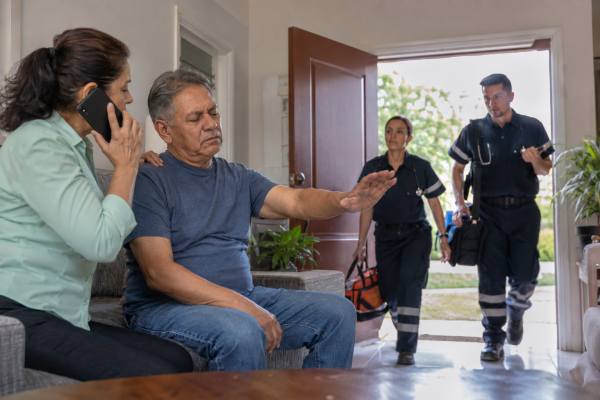
A stroke can start while a man is driving, lifting weights, working at a desk, watching a game, or waking up from a nap. The first clue may be obvious, like one side of the face drooping, or easy to miss, like strange speech, sudden dizziness, or trouble seeing. The safest rule is simple: any sudden face, arm, speech, balance, vision, numbness, confusion, or severe headache symptom should be treated as an emergency. Do not wait to see if it improves. Do not drive yourself. Call 911.
Men are more likely to delay care when symptoms seem embarrassing, mild, or “not that bad.” That delay can cost brain tissue. Some stroke treatments work only in a narrow time window, and emergency medical services can start evaluation before the hospital. Knowing FAST, and the expanded B.E. FAST signs, helps you act quickly when minutes matter.
Table of Contents
- FAST Symptoms and Other Stroke Warning Signs
- When to Call Emergency Care
- Why Stroke Signs Can Look Different in Men
- Stroke vs TIA and Other Lookalikes
- What to Do While Waiting for Help
- What Happens at the Hospital
- Risk Factors Men Should Take Seriously
- After a Scare: Follow-Up and Prevention
FAST Symptoms and Other Stroke Warning Signs
FAST is the quickest way to remember the most common stroke warning signs: Face drooping, Arm weakness, Speech difficulty, and Time to call 911. A stroke happens when blood flow to part of the brain is blocked or when a blood vessel in the brain bursts. Because the brain controls movement, speech, vision, balance, and awareness, symptoms often appear suddenly.
| Letter | What to check | What may look abnormal |
|---|---|---|
| F | Face | One side droops, the smile looks uneven, or the face feels numb. |
| A | Arms | One arm drifts down, feels weak, or cannot be lifted normally. |
| S | Speech | Speech is slurred, strange, confused, or hard to understand. |
| T | Time | Call 911 immediately and note when symptoms started. |
Many stroke teams now teach B.E. FAST because balance and vision changes are also common. The “B” stands for sudden balance loss, dizziness, trouble walking, or poor coordination. The “E” stands for eye or vision changes, such as sudden blurred vision, double vision, or loss of sight in one or both eyes.
Other warning signs include sudden numbness or weakness on one side of the body, sudden confusion, trouble understanding speech, and a sudden severe headache with no clear cause. The headache may feel different from past headaches, especially if it reaches full strength quickly.
A stroke symptom does not have to include pain. Many men expect a medical emergency to feel painful, like crushing chest pain during a heart attack. Stroke can be painless. A man may say, “My arm just feels weird,” “I cannot get the words out,” or “I feel drunk, but I have not been drinking.”
The word “sudden” matters. Longstanding shoulder weakness, chronic neck pain, or gradual vision changes over months do not fit the usual stroke pattern. A new symptom that appears within seconds or minutes is much more concerning.
Stroke symptoms often affect one side more than the other. One leg may drag. One hand may drop a coffee mug. One side of the mouth may sag. But some strokes affect balance, vision, swallowing, or awareness without a clear one-sided weakness. That is why FAST is helpful but not complete.
When to Call Emergency Care
Call 911 for any sudden stroke-like symptom, even if the man can still talk, walk, or joke about it. A mild symptom can still come from a blocked blood vessel. A symptom that fades can still be a warning of a larger stroke.
Emergency care is needed when there is sudden:
- Face drooping, uneven smile, or facial numbness
- Weakness, clumsiness, or numbness in one arm or leg
- Slurred speech, wrong words, or trouble understanding others
- Loss of vision, double vision, or sudden blurred vision
- Trouble walking, severe dizziness, or loss of coordination
- Confusion, unusual behavior, or trouble staying alert
- Severe headache with no known cause
- Trouble swallowing, new choking, or sudden voice change with other symptoms
Do not wait for all FAST signs to appear. One sign is enough. A man with only speech changes needs emergency care. A man with only sudden vision loss needs emergency care. A man whose arm weakness improves after five minutes still needs emergency care.
Calling 911 is safer than driving to the hospital. Emergency medical services can check vital signs, measure blood sugar, identify stroke signs, alert the hospital, and take the person to the right facility. Stroke-ready hospitals can move faster when they know a possible stroke patient is arriving.
The time symptoms began is one of the most important facts. If symptoms were first noticed at 7:10 p.m., say that. If the man woke up with symptoms, say the last time he was known to be normal. For example: “He went to bed normal at 10:30 p.m. and woke up at 6:20 a.m. with slurred speech.”
A common mistake is calling a spouse, adult child, doctor’s office, or friend before calling 911. Those calls can happen later. Emergency care should come first.
Another common mistake is letting embarrassment decide. Men may downplay symptoms because they do not want attention at work, do not want an ambulance in the driveway, or think they will be judged for being out of shape. Stroke care is time-sensitive. Pride should not get a vote.
Why Stroke Signs Can Look Different in Men
Men and women share the major stroke signs, but men often explain them differently. A man may describe weakness as “my grip is off,” speech trouble as “my mouth is not working,” or confusion as “I just need a minute.” He may blame dehydration, stress, alcohol, a hard workout, or sleeping wrong.
Work and fitness settings can make symptoms easier to misread. A man on a construction site may think stumbling is from fatigue. A man at the gym may assume arm weakness is a pinched nerve. A man in a meeting may cover speech trouble by staying quiet. A man working alone may notice something is wrong but wait until the task is finished.
Some strokes affect the back part of the brain, which can cause dizziness, double vision, vomiting, balance trouble, or trouble coordinating movements. These signs can look like vertigo, food poisoning, or being intoxicated. The danger is higher when dizziness comes with trouble walking, new vision changes, slurred speech, one-sided numbness, or severe headache.
Stroke can also affect thinking and judgment. A man having a stroke may insist he is fine even when his face is drooping. He may refuse help, get irritated, or answer questions incorrectly. Family members should trust the symptom, not the reassurance.
Men with existing health problems may also confuse stroke symptoms with their usual issues. A man with back pain may blame leg weakness on his spine. A man with diabetes may blame confusion or sweating on blood sugar. A man with migraines may assume vision changes are another migraine. These conditions can mimic stroke, but sudden neurological symptoms still need urgent evaluation.
Stroke is not only an older man’s problem. Risk rises with age, but younger men can have strokes too, especially with high blood pressure, smoking, stimulant use, untreated sleep apnea, clotting problems, heart rhythm problems, heavy alcohol use, or certain drug exposures. Men using anabolic steroids or stimulants should take sudden neurological symptoms seriously because these substances can strain the heart and blood vessels.
The safest mindset is to treat a new brain symptom as stroke until emergency clinicians prove otherwise.
Stroke vs TIA and Other Lookalikes
A transient ischemic attack, often called a TIA or “mini-stroke,” causes stroke-like symptoms that go away. The word “mini” can be misleading. A TIA is not harmless. It can be a warning that a larger stroke may happen soon.
A TIA can cause the same symptoms as stroke: face drooping, arm weakness, speech trouble, vision loss, numbness, dizziness, or confusion. The difference is that symptoms improve, often within minutes. Because the person may look normal by the time help arrives, many men decide not to go to the hospital. That is risky. A TIA needs urgent medical evaluation to find and treat the cause.
Several conditions can resemble stroke:
- Low blood sugar can cause sweating, confusion, weakness, or unusual behavior.
- Migraine can cause vision changes, numbness, speech symptoms, or headache.
- Seizure can cause confusion, weakness after the seizure, or trouble speaking.
- Inner ear problems can cause spinning dizziness and nausea.
- Bell’s palsy can cause facial weakness, often without arm or speech symptoms.
- Panic attacks can cause tingling, chest tightness, and a sense of doom.
- Severe infection, dehydration, or medication effects can cause confusion or weakness.
These possibilities do not make emergency care less important. Even trained clinicians need an exam, blood tests, brain imaging, and sometimes vessel imaging to tell the difference. A man should not try to diagnose himself at home.
One helpful clue is that stroke symptoms are usually sudden and focal, meaning they affect a specific brain-controlled function. For example, one arm is weak, one side of the face droops, or speech becomes slurred. General fatigue, vague lightheadedness, or whole-body weakness can have many causes, but when a clear stroke sign appears, emergency care is the right move.
Heart symptoms can also overlap with stroke risk. Atrial fibrillation, a fast and irregular heart rhythm, can allow clots to form and travel to the brain. Chest pain, shortness of breath, fainting, or a racing irregular heartbeat should also be taken seriously. Men who want a broader comparison of urgent cardiac symptoms may benefit from understanding heart attack symptoms in men, especially because heart and stroke risks often travel together.
What to Do While Waiting for Help
The first step is to call 911. After that, keep the person safe, calm, and easy for emergency workers to assess. Do not give food, drinks, aspirin, or blood pressure medicine unless emergency professionals tell you to.
Use this sequence:
- Call 911 and say, “I think this may be a stroke.”
- Note the exact time symptoms started or the last time he was normal.
- Keep him seated or lying down in a safe position.
- Do not let him drive, shower, eat, drink, or “walk it off.”
- Gather medication bottles, including blood thinners, diabetes medicines, and supplements.
- Write down major conditions such as atrial fibrillation, high blood pressure, diabetes, prior stroke, seizures, or recent surgery.
- Unlock the door, secure pets, and send someone to meet the ambulance if possible.
If the man is vomiting, very drowsy, or not fully alert, place him on his side if you can do so safely. This can reduce the chance of choking. Do not force anything into his mouth.
If he becomes unconscious and is not breathing normally, the 911 dispatcher may guide you through CPR. Follow the dispatcher’s instructions.
Avoid giving aspirin “just in case.” Some strokes are caused by bleeding in the brain. Aspirin can worsen bleeding. Doctors need brain imaging before choosing the right treatment.
Avoid trying to lower blood pressure at home during a suspected stroke. Blood pressure is often high during stroke, and sudden changes can be dangerous. Emergency clinicians will decide whether and how to treat it.
Do not wait for symptoms to become dramatic. Some severe strokes begin with subtle changes, such as slight facial droop, a few wrong words, or mild arm drift. It is better to call and be wrong than to wait and lose treatment time.
If symptoms stop before the ambulance arrives, still go to the hospital. Tell the crew exactly what happened and when. A resolved symptom may be the best chance to prevent the next, bigger event.
What Happens at the Hospital
Stroke teams move quickly because treatment depends on the type of stroke and the time since symptoms began. The first goal is to find out whether the problem is a blocked artery, bleeding in the brain, or another condition that looks like stroke.
The hospital team may check:
- Blood pressure, oxygen level, heart rhythm, and temperature
- Blood sugar, because low sugar can mimic stroke
- A neurological exam, including face, arm, leg, speech, vision, and coordination checks
- CT or MRI imaging of the brain
- Imaging of blood vessels in the head and neck
- Blood tests, including clotting tests if blood thinners are involved
- An electrocardiogram to look for heart rhythm problems
If the stroke is caused by a clot, some patients may be candidates for clot-busting medicine or a procedure to remove the clot from a large artery. These treatments are not right for everyone, and eligibility depends on timing, imaging, stroke severity, bleeding risk, and other medical details.
If the stroke is caused by bleeding, treatment is different. Doctors may focus on controlling bleeding, managing blood pressure, reversing blood thinners, reducing pressure around the brain, or using a procedure or surgery in selected cases.
The phrase “time is brain” is used because brain cells can be damaged when blood flow is blocked. Fast care can improve the chance of survival and reduce disability. Even when a man is not eligible for a specific clot treatment, quick hospital care still matters. Doctors can prevent complications, treat dangerous blood pressure or rhythm problems, and start a prevention plan.
Families should be ready to answer direct questions:
- When was he last known to be normal?
- What changed first?
- Did symptoms improve, worsen, or come and go?
- Does he take blood thinners?
- Has he had recent surgery, bleeding, head injury, or stroke?
- Does he have atrial fibrillation, high blood pressure, diabetes, seizures, or cancer?
- Did he use alcohol, cocaine, amphetamines, or other substances?
Clear answers help the team act faster. If you are unsure, say so. Guessing can cause problems, especially with timing and medications.
Risk Factors Men Should Take Seriously
Most stroke risk is built over years, not minutes. Emergency action matters when symptoms appear, but prevention matters long before that. Men often know their truck’s oil pressure, work numbers, or gym lifts better than their blood pressure. That is a problem.
High blood pressure is one of the most important stroke risks. It can damage blood vessels quietly for years. Many men feel fine with high readings, so they do not treat it consistently. Home checks, office checks, and a clear treatment plan can lower risk. A deeper look at blood pressure in men can help explain why regular monitoring matters even without symptoms.
Other major risks include high cholesterol, diabetes, smoking, obesity, atrial fibrillation, heavy alcohol use, physical inactivity, and sleep apnea. A man with several mild risks can still have a high total risk. For example, borderline blood pressure plus smoking plus diabetes may be more dangerous than any one factor alone.
Cholesterol matters because plaque can build up in arteries that supply the brain and heart. If plaque ruptures or narrows a vessel, blood flow can be blocked. Men with abnormal numbers should understand high cholesterol risks and treatment choices instead of assuming cholesterol is only a heart issue.
Diabetes raises stroke risk by damaging blood vessels and often traveling with high blood pressure, kidney strain, and cholesterol problems. Men with increased thirst, frequent urination, blurry vision, slow-healing cuts, or unexplained fatigue should not ignore possible blood sugar problems. Early action on type 2 diabetes in men can reduce long-term vascular damage.
Smoking injures blood vessels, raises clot risk, and worsens heart and lung health. Vaping is not a guaranteed safe substitute for vascular health. Men who smoke should ask for help quitting rather than relying only on willpower. Nicotine replacement, prescription options, counseling, and follow-up can improve the chance of success.
Sleep apnea is another underrecognized risk. Loud snoring, choking or gasping at night, morning headaches, and daytime sleepiness can point to repeated breathing pauses during sleep. Untreated sleep apnea can worsen blood pressure and strain the heart. Men with these signs should consider evaluation for sleep apnea symptoms and testing.
Atrial fibrillation deserves special attention. It may feel like fluttering, racing, skipped beats, shortness of breath, weakness, or nothing at all. Because atrial fibrillation can lead to clots, men diagnosed with it should understand their stroke prevention plan, including whether blood thinners are needed.
Alcohol can also matter. Heavy drinking can raise blood pressure, trigger rhythm problems, worsen sleep, and increase injury risk. Men do not need to pretend alcohol is the only cause of stroke, but it should be part of an honest risk review.
After a Scare: Follow-Up and Prevention
After a stroke or TIA evaluation, the next step is to understand what caused the event and how to lower the chance of another one. The prevention plan may include medicine, procedures, rehab, lifestyle changes, or monitoring.
Follow-up may involve a primary care clinician, neurologist, cardiologist, physical therapist, speech therapist, occupational therapist, or dietitian. The exact team depends on the cause and the symptoms left behind.
Common parts of a prevention plan include:
- Blood pressure control
- Cholesterol treatment, often with a statin when appropriate
- Diabetes management
- Blood thinners or antiplatelet medicines when indicated
- Treatment for atrial fibrillation or other heart problems
- Smoking cessation
- Sleep apnea evaluation and treatment
- Exercise and nutrition changes
- Weight management
- Limits on heavy alcohol use
- Rehab for weakness, balance, speech, swallowing, or thinking problems
Men should ask clear questions before leaving the hospital or follow-up visit:
- What type of event was this: stroke, TIA, bleeding, seizure, migraine, or something else?
- What test showed the likely cause?
- What symptoms mean I should call 911 again?
- What medicines am I taking now, and what side effects should I watch for?
- Do I need heart rhythm monitoring?
- Do I need carotid artery imaging or a heart ultrasound?
- When can I drive, work, lift weights, travel, or have sex?
- What follow-up appointments are already scheduled?
Do not stop blood thinners, blood pressure medicine, cholesterol medicine, or diabetes medicine without medical guidance. Side effects should be reported, but stopping suddenly can be dangerous.
Recovery can also affect mood, sleep, confidence, and relationships. Some men feel frustrated, embarrassed, angry, or anxious after a stroke scare. Others try to act normal too quickly. A change in speech, strength, balance, memory, or sexual function can be hard to talk about, but hiding problems makes recovery harder.
Prevention is easier when it is tied to routine care. Men who have not had a recent checkup should schedule one and review blood pressure, cholesterol, blood sugar, weight, sleep, smoking, alcohol, family history, and medications. A guide to men’s preventive screenings by age can help organize what to check before problems become urgent.
A stroke warning sign is never something to “sleep off.” If symptoms are happening now, call 911. If symptoms happened recently and resolved, seek urgent medical care today. If you are reading this after a past scare that was never checked, schedule medical follow-up and describe the event in detail. The goal is not to live in fear; it is to treat warning signs with the speed they deserve.
References
- Signs and Symptoms of Stroke 2026 (Official Page)
- Treatment and Intervention for Stroke 2024 (Official Page)
- Stroke Symptoms and Warning Signs 2026 (Official Page)
- The B.E. F.A.S.T. Experience 2026 (Official Page)
- 2024 Guideline for the Primary Prevention of Stroke: A Guideline From the American Heart Association/American Stroke Association 2024 (Guideline)
- 2026 Guideline for the Early Management of Patients With Acute Ischemic Stroke: A Guideline From the American Heart Association/American Stroke Association 2026 (Guideline)
Disclaimer
This article is educational and does not replace care from a qualified medical professional. Stroke symptoms are a medical emergency, even if they are mild or temporary. If you or someone nearby has sudden face drooping, arm weakness, speech trouble, balance problems, vision changes, confusion, numbness, or a severe unexplained headache, call 911 immediately.