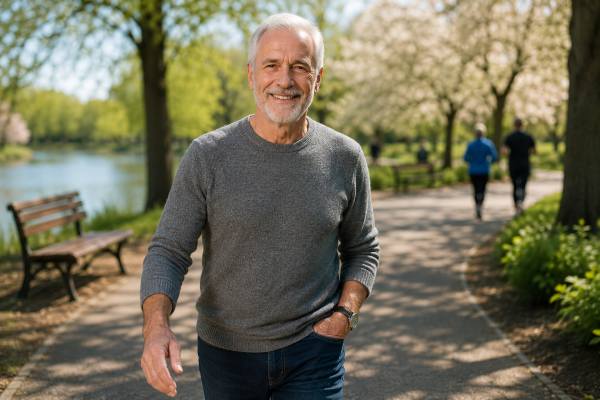
After 60, health is less about chasing youth and more about keeping reserve: the strength, balance, circulation, memory, and confidence needed to live the way you want. A man can feel “fine” and still be losing muscle, developing higher blood pressure, sleeping poorly, or ignoring urinary changes that slowly reduce daily freedom. The good news is that many problems that seem like normal aging are treatable, preventable, or easier to manage when found early.
The priorities change, too. A useful checkup after 60 looks beyond cholesterol and weight. It should include falls risk, medication side effects, sexual function, bladder symptoms, mood, sleep, hearing, memory, vaccines, cancer screening, and plans for staying active. Small changes made consistently often matter more than dramatic routines that do not last.
Table of Contents
- Health After 60 Is About Reserve
- Strength, Balance, and Fall Prevention
- Sexual Health and Relationships After 60
- Prostate, Urinary Symptoms, and PSA Decisions
- Heart, Metabolism, and Energy
- Memory, Sleep, Mood, and Social Connection
- Screenings, Vaccines, and Medication Reviews
- Protecting Independence and Knowing When to Get Help
Health After 60 Is About Reserve
Two men can both be 65 and have very different health futures. One may walk several miles, lift groceries easily, sleep well, and recover quickly from illness. Another may feel worn down by stairs, dizziness, poor sleep, bladder trips at night, and low confidence. The difference is not just age. It is health reserve.
Reserve means the body has enough backup capacity to handle stress. That stress might be the flu, surgery, a fall, a new medication, poor sleep, or a stressful year caring for a partner. Men with more reserve tend to bounce back faster. Men with low reserve are more likely to lose independence after an illness or injury.
The main areas to protect after 60 are:
- Leg and hip strength for stairs, standing, walking, and fall prevention
- Heart and blood vessel health for energy, erections, brain function, and kidney protection
- Bladder and prostate health so sleep and daily routines are not controlled by bathroom access
- Sleep quality, hearing, vision, and mood because they affect memory and safety
- Social connection and purpose, which often decline quietly after retirement, divorce, bereavement, or caregiving
A useful way to judge health after 60 is to ask what has changed in the past year. Can you stand from a chair without using your hands? Are you walking more slowly? Are you avoiding sex, travel, hobbies, or social events because of symptoms? Are you getting up to urinate several times a night? Have you stopped driving at night because of vision or confidence? These changes deserve attention even when they are not emergencies.
A routine visit is also the right time to review goals. Some men want to reduce medication burden. Some want to keep working. Some want to improve sexual function, protect memory, train for travel, or avoid becoming dependent on adult children. Care should match those goals, not just lab numbers.
Strength, Balance, and Fall Prevention
The most important exercise after 60 is the kind that keeps you able to get off the floor, climb stairs, carry bags, and walk without fear. Cardio helps the heart, but strength and balance protect independence in a more direct way.
Muscle loss is common with aging, but it is not harmless. Weak legs raise the risk of falls, slow walking, back pain, insulin resistance, and difficulty recovering from illness. If clothes fit the same but the waist is larger and the legs are thinner, muscle may be quietly being replaced by fat. More detail on age-related muscle loss in men can help explain why strength matters even when body weight has not changed much.
A good weekly plan does not need to be complicated:
- Strength training 2 to 3 days per week
- Balance practice most days, even for 5 minutes
- Walking or other moderate cardio most days
- Mobility work for hips, ankles, shoulders, and spine
- Recovery days, especially after harder lifting
Strength training should focus on movements used in real life: sit-to-stand, hip hinge, step-up, row, press, carry, and calf raise. Machines, resistance bands, dumbbells, kettlebells, and body-weight exercises can all work. The best option is the one you can do safely and progress over time.
A simple starting routine might include chair squats, wall pushups, resistance-band rows, step-ups, glute bridges, and farmer carries with light weights. Start with one or two sets. When the last few repetitions feel easy and form is steady, add a little resistance or another set.
Balance training should be specific. Walking alone helps, but it does not fully replace balance practice. Try standing on one foot near a counter, heel-to-toe walking, slow marching, side steps, and controlled turns. Tai chi, supervised balance classes, and physical therapy can be especially useful for men who have fallen before or feel unsteady.
Falls often have more than one cause. Weakness is one. Others include poor vision, numb feet, low blood pressure when standing, alcohol, sedating medications, loose rugs, cluttered stairs, and rushing to the bathroom at night. A man who falls once should not brush it off as clumsiness. A fall is a signal to check strength, shoes, vision, medications, blood pressure, and home safety.
Nutrition matters as much as training. Many men over 60 eat too little protein at breakfast and lunch, then expect dinner to make up the difference. Spreading protein through the day supports muscle repair. Eggs, Greek yogurt, fish, poultry, lean meat, beans, tofu, cottage cheese, and protein-rich soups can all help. Men with kidney disease should ask their clinician about the right protein target before increasing intake.
The most common mistake is doing the same easy routine for years. If the body is never challenged, strength will not improve much. The goal is not reckless heavy lifting. The goal is gradual overload: a little more resistance, better control, longer walking distance, or more stable balance over time. For men returning after years away, supervised strength training principles are often safer than guessing.
Sexual Health and Relationships After 60
Sexual changes after 60 are common, but they should not be dismissed automatically. Erections may take longer, need more direct stimulation, and be less rigid than before. That can be normal. A sudden or steady loss of erections, low desire, pain, curvature, or trouble with orgasm deserves a closer look.
Erectile dysfunction is often connected to blood vessel health. The penile arteries are small, so circulation problems may show up there before chest pain or shortness of breath. ED can be an early clue to high blood pressure, diabetes, high cholesterol, smoking-related vascular disease, sleep apnea, depression, medication side effects, or low testosterone. A sudden change in erections can be an early warning sign of heart or blood sugar problems, especially when it appears with fatigue, weight gain, reduced exercise tolerance, or increased thirst.
A useful evaluation usually includes blood pressure, diabetes screening, cholesterol, medication review, tobacco and alcohol history, sleep symptoms, mood, and sexual history. Testosterone testing may be appropriate when low desire, fewer morning erections, anemia, low bone density, hot flashes, or unexplained fatigue are present. Testing should be done in the morning and repeated if low, because one result can be misleading.
ED pills can work well, but they are not right for every man. Sildenafil, tadalafil, and similar drugs should not be used with nitrates for chest pain because the combination can cause a dangerous drop in blood pressure. Men using certain alpha-blockers for urinary symptoms, men with unstable heart disease, or men who become dizzy with blood pressure changes need individualized advice.
If pills do not work, the next step is not to give up. Incorrect timing, heavy meals, low stimulation, anxiety, low testosterone, nerve injury, diabetes, or medication conflicts may explain poor results. Other options include vacuum erection devices, penile injections, urethral medication, sex therapy, pelvic floor therapy, and penile implants for severe cases. A broader review of erectile dysfunction causes and treatments can help men understand how many options exist.
Sexual health is also relational. Men may avoid intimacy because they fear failure, while partners may interpret withdrawal as rejection. A direct conversation often reduces pressure: “My body is changing, but I still want closeness.” Intimacy can include touch, oral sex, sensual massage, planned timing, or medical treatment. The goal is a satisfying sex life, not proving that sex works exactly the same way it did at 35.
Warning signs that need prompt care include chest pain during sex, erections lasting more than four hours, new penile curvature with pain, blood in semen that persists or recurs, genital sores, testicular swelling, or sudden ED with neurologic symptoms such as weakness, facial droop, or trouble speaking.
Prostate, Urinary Symptoms, and PSA Decisions
Getting up once at night to urinate may not be a major problem. Getting up three or four times, planning every errand around bathrooms, straining to start, or feeling unable to empty the bladder is different. These symptoms can affect sleep, mood, energy, travel, and sexual confidence.
An enlarged prostate, also called benign prostatic hyperplasia or BPH, is one common cause. It can narrow the urine channel and make the bladder work harder. Symptoms may include weak stream, hesitancy, urgency, dribbling, frequent urination, and nighttime urination. Men often assume this is “just aging,” but treatment can make a large difference. More detail on enlarged prostate symptoms and treatment options can help separate mild symptoms from problems that need evaluation.
Not every urinary problem is the prostate. Overactive bladder, diabetes, urinary tract infection, bladder stones, constipation, sleep apnea, fluid timing, caffeine, alcohol, diuretics, nerve problems, and bladder cancer can also cause symptoms. Blood in the urine should always be checked. Fever, back pain, inability to urinate, severe pelvic pain, or confusion with urinary symptoms needs urgent care.
A basic evaluation may include symptom questions, a urine test, medication review, prostate exam when appropriate, kidney function, blood sugar testing, and sometimes a post-void residual test to see how much urine remains after urinating. PSA testing may be discussed, but it is not simply a “prostate size test.” PSA can rise from cancer, BPH, inflammation, recent ejaculation, urinary retention, catheterization, or some procedures.
Prostate cancer screening after 60 should be a shared decision. PSA testing may help detect some cancers earlier, but it can also lead to false alarms, biopsy, overdiagnosis, and treatment side effects such as incontinence and ED. Men in their 60s should discuss personal risk, family history, race, prior PSA results, overall health, and how they would feel about further testing. The decision often changes after 70 because the harms of routine screening tend to rise and the benefits take years to appear. A focused discussion of prostate cancer screening decisions can help prepare for that visit.
Treatment for urinary symptoms depends on the cause and how bothersome the symptoms are. Mild symptoms may improve with fluid timing, less evening alcohol, reduced caffeine, constipation treatment, bladder training, and medication review. Medicines can relax the prostate, shrink it over time, calm bladder urgency, or combine effects. Procedures may be considered when symptoms remain severe, medicines cause side effects, infections recur, stones form, kidney function is affected, or urinary retention occurs.
One practical step is to track symptoms for a week. Record bedtime, fluids after dinner, alcohol, caffeine, nighttime bathroom trips, urgency, leaks, and stream strength. That short diary can reveal patterns and make the medical visit more useful.
Heart, Metabolism, and Energy
Low energy after 60 is often blamed on age, but the usual causes are more specific: poor sleep, low activity, medication effects, depression, anemia, low thyroid, low testosterone, heart disease, diabetes, kidney disease, chronic pain, alcohol, or under-fueling. The pattern matters.
Fatigue that improves after movement may point to deconditioning or mood. Fatigue with shortness of breath, chest pressure, leg swelling, or reduced walking tolerance raises concern for heart or lung disease. Fatigue after meals, increased thirst, frequent urination, blurry vision, or slow wound healing may point to blood sugar problems.
Heart disease risk rises with age, but age alone should not make symptoms invisible. Chest pressure, shortness of breath with usual activity, pain spreading to the jaw or arm, new sweating with exertion, fainting, or sudden exercise intolerance needs prompt medical care. Men often describe heart symptoms as indigestion, tightness, weakness, or “just being out of shape.” A deeper review of early heart disease signs in men can help make those symptoms easier to recognize.
The main numbers to know after 60 are blood pressure, waist size, cholesterol, fasting glucose or A1C, kidney function, and weight trend. Waist size is especially useful because visceral fat around the organs raises risk even when weight seems acceptable. A man who gains belly fat and loses muscle may have a higher risk profile without a dramatic change on the scale.
Type 2 diabetes can damage nerves and blood vessels before obvious symptoms appear. In men, it may show up as ED, urinary frequency, numb feet, slow healing, fatigue, or recurrent infections. Screening is simple, and early treatment can protect the heart, kidneys, eyes, nerves, and sexual function. Men with belly fat, high blood pressure, abnormal cholesterol, family history, or past prediabetes should be especially alert to early diabetes symptoms and sexual health links.
Food choices after 60 should support muscle and blood vessels at the same time. That usually means protein at each meal, high-fiber carbohydrates, vegetables, fruit, beans, nuts, olive oil or other unsaturated fats, and fewer ultra-processed foods. Men do not need a perfect diet. They need a repeatable one.
Alcohol deserves a direct look. Even moderate drinking can worsen sleep, raise blood pressure, increase nighttime urination, affect erections, interact with medications, and increase fall risk. A man who says, “I only drink at night to relax,” may be using alcohol to treat anxiety, loneliness, pain, or insomnia. Reducing alcohol often improves sleep and energy within weeks.
Memory, Sleep, Mood, and Social Connection
Forgetting a name and remembering it later is common. Getting lost on a familiar route, missing bills repeatedly, making unusual financial decisions, losing the thread of conversations, or having family notice personality changes is not something to ignore.
Memory depends on more than the brain itself. Sleep apnea, hearing loss, vision problems, depression, anxiety, alcohol, medication side effects, thyroid disease, low B12, poorly controlled blood pressure, diabetes, and social isolation can all affect thinking. Some are treatable. That is why a memory concern should lead to an evaluation, not immediate fear of dementia.
Sleep is one of the most overlooked health issues in men over 60. Loud snoring, witnessed pauses in breathing, morning headaches, dry mouth, nighttime urination, daytime sleepiness, and high blood pressure can point to sleep apnea. Untreated sleep apnea can worsen blood pressure, heart rhythm problems, mood, memory, and sexual function. Men with these signs should consider evaluation for sleep apnea symptoms and sleep study timing.
Mood changes may look different in men. Depression may show up as irritability, anger, loss of interest, increased drinking, working constantly, social withdrawal, or complaints of fatigue rather than sadness. Anxiety may appear as chest tightness, restlessness, insomnia, stomach upset, or avoidance. Retirement, bereavement, divorce, chronic pain, caregiving, and financial stress can all trigger symptoms.
Hearing and vision are also brain-health issues. Poor hearing makes conversations exhausting and can lead men to avoid social events. Poor vision increases fall risk, driving risk, and cognitive load. Hearing aids, cataract care, updated glasses, and better lighting are not cosmetic upgrades; they help maintain function.
A useful memory check starts with questions:
- Is the change new, gradual, or sudden?
- Is it affecting money, driving, medication use, cooking, or appointments?
- Do others notice it?
- Is sleep poor?
- Has alcohol use increased?
- Were medications changed recently?
- Are hearing or vision problems causing confusion?
- Is there depression, grief, anxiety, or loneliness?
Sudden confusion, new weakness, trouble speaking, facial droop, severe headache, fever, or a major personality change needs urgent medical care. Gradual memory change still deserves timely evaluation, especially if it affects safety or daily tasks.
Social connection is not a luxury. Men who lose daily contact through retirement, widowhood, relocation, or illness may become less active, less motivated, and less likely to seek care. Scheduled connection works better than vague intentions. A weekly class, walking group, volunteer shift, faith community, coffee with friends, or regular call with family can protect mood and routine.
Screenings, Vaccines, and Medication Reviews
Preventive care after 60 should be personalized. A healthy 62-year-old and a frail 82-year-old should not have identical plans. Screening only helps when the result would change care and the man is likely to benefit from treatment.
Common checks to discuss include blood pressure, cholesterol, diabetes screening, kidney function, liver enzymes when appropriate, weight and waist trend, depression screening, hearing and vision, dental care, fall risk, osteoporosis risk, skin checks, and medication review. Men who want a broader age-based checklist can compare their visit with preventive screenings by age and then adjust it with their clinician.
Colon cancer screening is usually recommended through age 75 for many adults, with the exact test depending on prior screening history and risk. Stool tests, stool DNA tests, colonoscopy, and other options have different intervals, preparation needs, and follow-up requirements. Men with blood in the stool, unexplained weight loss, iron-deficiency anemia, or a major bowel habit change should not treat screening as the issue; those are symptoms that need diagnostic evaluation. A focused explanation of colon cancer screening options and red flags can help men choose a test and understand follow-up.
Lung cancer screening may apply to men with a significant smoking history, even if they quit years ago. It uses low-dose CT, not a chest X-ray. Men who smoked should ask whether their age, pack-year history, and quit date qualify.
Vaccines are part of independence because infections can cause hospitalization, falls, confusion, heart strain, and long recovery. Men after 60 should review flu, COVID, shingles, pneumococcal, tetanus, and RSV recommendations. Travel, immune status, lung disease, diabetes, liver disease, and caregiving may change the plan. A current review of vaccines men need by age can help organize questions before an appointment.
Medication reviews become more important with every decade. Drugs that were reasonable at 50 may cause dizziness, constipation, low sodium, confusion, urinary retention, ED, sleep problems, or falls at 70. Bring every prescription, over-the-counter drug, and supplement to the visit, or bring clear photos of the labels. Ask four questions:
- Do I still need this?
- Is the dose still right?
- Could it be causing dizziness, fatigue, urinary symptoms, sexual problems, or memory issues?
- Is there a safer option?
Supplements should be reviewed too. “Natural” does not mean safe. Some supplements affect bleeding risk, blood pressure, sleep, prostate symptoms, liver function, or prescription drug levels.
Protecting Independence and Knowing When to Get Help
Independence is easier to protect before a crisis. Waiting until after a fall, hospitalization, driving scare, or medication mix-up can leave fewer choices.
Home safety is a health intervention. Good lighting, secure railings, non-slip bathroom surfaces, clear walkways, proper footwear, and a plan for nighttime bathroom trips can prevent serious injury. Men who dislike “aging” modifications may find it easier to think of them as performance upgrades. A railing is not a defeat. It is a tool that lets you keep using the stairs.
Driving deserves honest review. Warning signs include getting lost on familiar routes, near misses, trouble with lane position, delayed reactions, night vision problems, or family refusing to ride along. Sometimes the answer is new glasses, cataract surgery, hearing care, medication changes, or avoiding night driving. Sometimes it is time for a formal driving evaluation.
Planning also includes legal and medical documents. A health care proxy, advance directive, updated medication list, emergency contacts, and a clear record of diagnoses can make care easier during an emergency. These steps do not mean something bad is expected. They reduce chaos if something does happen.
Men should seek prompt medical care for:
- Chest pressure, shortness of breath at rest, fainting, or stroke symptoms
- Sudden weakness, facial droop, confusion, or trouble speaking
- Inability to urinate
- Blood in urine or stool
- A fall with head injury, new pain, or trouble walking
- Unexplained weight loss, night sweats, or persistent fever
- New severe back, hip, pelvic, or bone pain
- A testicular lump or swelling
- New or worsening memory problems that affect safety
- Depression with thoughts of self-harm or feeling like others would be better off without you
For non-urgent but important changes, schedule a visit rather than waiting for the next annual exam. These include worsening urinary symptoms, repeated nighttime urination, ED, low libido, fatigue, poor sleep, balance problems, hearing loss, vision changes, constipation, dizziness, or medication side effects.
A strong plan after 60 is not extreme. It is steady. Lift something. Walk most days. Train balance. Protect sleep. Treat blood pressure and blood sugar seriously. Talk honestly about erections and urination. Keep vaccines and screenings current. Stay connected. Make the home easier to move through. Review medications. Ask for help early enough that help has time to work.
References
- Strength training in elderly: An useful tool against sarcopenia 2022 (Review)
- Falls Prevention in Community-Dwelling Older Adults: Interventions 2024 (Guideline)
- MANAGEMENT OF ERECTILE DYSFUNCTION 2026 (Guideline)
- EAU Guidelines on Non-Neurogenic Male Lower Urinary Tract Symptoms (LUTS) 2026 (Guideline)
- Recommendation: Prostate Cancer: Screening 2018 (Guideline)
- Dementia prevention, intervention, and care: 2024 report of the Lancet standing Commission 2024 (Review)
Disclaimer
This article is educational and does not replace care from a qualified health professional. Men with chest pain, stroke symptoms, inability to urinate, blood in urine or stool, major memory changes, severe depression, or sudden sexual or urinary changes should seek medical guidance promptly. Screening, medication, supplement, and treatment decisions should be based on personal risk, symptoms, exam findings, and clinician advice.