Foxglove is one of the most famous medicinal plants in history and one of the easiest to misunderstand. Its tall spires of purple, pink, or white bells make it a classic garden flower, yet the same plant contains potent cardiac glycosides that changed heart medicine. That tension defines foxglove: it is medically important, but it is not a casual home remedy. The true health value of Digitalis purpurea lies in what it taught modern pharmacology and in the controlled medicines developed from digitalis compounds, not in self-made teas or tinctures. In carefully measured prescription form, digitalis-type drugs can improve symptoms in selected people with heart failure or help control heart rate in some cases of atrial fibrillation. In raw plant form, however, foxglove is toxic, unpredictable, and potentially life-threatening. That is why a useful guide to foxglove must do two things at once: explain its genuine medicinal importance and make clear where the line between medicine and poison begins. This article covers its active compounds, realistic uses, dosage questions, safety risks, and what current evidence actually supports.
Essential Insights
- Foxglove gave rise to important heart medicines that can improve symptoms in selected heart failure and atrial fibrillation cases.
- Raw foxglove is highly toxic and should never be brewed, chewed, or self-dosed.
- Prescription digoxin maintenance commonly falls around 0.0625 to 0.25 mg daily in adults, but that does not apply to the plant itself.
- People with kidney disease, slow heart rate, heart block, or major electrolyte imbalance need special caution with digitalis-type drugs.
- Children and anyone pregnant or breastfeeding should avoid medicinal foxglove use entirely unless managed by a clinician.
Table of Contents
- What is foxglove
- Key compounds in foxglove
- What does foxglove help with
- How foxglove is used today
- Is there a safe foxglove dose
- Foxglove side effects and interactions
- What the evidence says now
What is foxglove
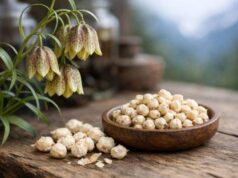
Foxglove, or Digitalis purpurea, is a biennial or short-lived perennial best known for its dramatic flowering spikes. It is native to parts of Europe and widely grown as an ornamental plant. The flowers are usually purple with spotted throats, though cultivated forms may be white, cream, or pink. Gardeners value it for height and color. Physicians and pharmacologists remember it for something else entirely: foxglove became one of the earliest plants to show that a powerful remedy could also be a dangerous poison.
That lesson became famous in the late eighteenth century, when William Withering described the therapeutic use of foxglove in patients with “dropsy,” a term then used for fluid retention associated with heart disease. His work helped transform a folk remedy into a more disciplined medical tool. It also showed that success depended on close observation, dose control, and respect for toxicity. In that sense, foxglove occupies an unusual place in herbal history. It is not just another traditional herb. It is one of the plants that pushed medicine toward standardization.
Modern readers need one important clarification. When people say “digitalis,” they may mean the plant, older standardized leaf preparations, or purified cardiac glycoside medicines such as digoxin and historically digitoxin. Those are not interchangeable. The living plant contains a mixture of active compounds that can vary by species, plant part, growing conditions, and preparation. Prescription drugs, by contrast, are purified, measured, and monitored.
That difference shapes almost every practical question about foxglove. Can it help the heart? Yes, but only in controlled pharmaceutical form and only for selected patients. Is the plant itself medicinal? Historically yes, but in modern self-care the safer answer is no. Foxglove is a good example of a plant that belongs more to toxicology and pharmacology than to kitchen herbalism.
It is also worth noting that every part of the plant can be hazardous if eaten. Leaves, flowers, stems, and seeds all deserve respect. The plant’s beauty can make people underestimate it, especially when it grows in home gardens. But foxglove is not a gentle tonic, not an edible flower, and not a plant to experiment with. Its story is powerful precisely because it sits so close to the boundary between treatment and toxicity.
Key compounds in foxglove
The core chemistry of foxglove revolves around cardiac glycosides, sometimes called cardenolides. These compounds are responsible for both the plant’s medicinal significance and its toxicity. In Digitalis purpurea, the best-known naturally occurring constituents include digitoxin, gitoxin, gitaloxin, and related glycosides. These molecules share a steroid-like core attached to sugar groups, a structure that gives them powerful biological activity in the heart.
Their main pharmacologic target is the sodium-potassium ATPase pump, often written as Na+/K+-ATPase. When cardiac glycosides inhibit this pump in heart cells, intracellular sodium rises. That alters sodium-calcium exchange and leads to greater intracellular calcium availability. In plain language, more calcium inside the cardiac cell can increase the force of contraction. This is the classic positive inotropic effect that made digitalis compounds historically valuable in heart failure.
These compounds also influence electrical conduction. By increasing vagal tone and slowing conduction through the atrioventricular node, digitalis-type drugs can reduce ventricular response in some people with atrial fibrillation. That is why digitalis entered medicine not only as a way to strengthen contraction, but also as a tool to slow certain rapid heart rhythms.
The chemistry becomes more nuanced when people assume that all foxglove compounds act exactly like the prescription drug digoxin. They do not. Digoxin is closely associated with digitalis therapy, but Digitalis purpurea is especially known for digitoxin-rich chemistry, while modern pharmaceutical digoxin has been more closely linked to Digitalis lanata and controlled manufacturing. That distinction matters because readers often jump from “foxglove contains heart-active compounds” to “foxglove tea works like digoxin.” It does not. The plant is chemically mixed, variable, and unsafe to dose casually.
Foxglove also contains secondary plant constituents beyond its cardiac glycosides, but they are not the main story. Unlike many culinary herbs, where polyphenols or volatile oils carry the discussion, foxglove’s reputation rests overwhelmingly on its cardiotonic yet toxic glycosides. Those molecules are the reason the plant became historically important, and they are the reason it is dangerous outside professional use.
A practical way to understand foxglove chemistry is this: the same compounds that can support a failing heart in the right setting can also trigger nausea, bradycardia, visual changes, conduction problems, and dangerous arrhythmias when the dose is wrong. That narrow margin is why modern medicine prefers purified, monitored products instead of plant material. It is also why people looking for gentle heart-support herbs usually turn to options like hawthorn for cardiovascular support rather than raw digitalis plants.
What does foxglove help with
This is the section where precision matters most. Foxglove itself does not belong in self-treatment, but digitalis-derived prescription medicines do have real therapeutic uses. So the most accurate answer is that foxglove helped medicine develop effective cardiac drugs, and those drugs still have a role in selected patients.
The clearest benefit is symptom control in some forms of heart failure. Digoxin does not cure heart failure and does not replace modern first-line therapies, but it can improve symptoms and reduce heart failure-related hospitalizations in carefully chosen patients. Its benefit is mainly supportive. It can help the heart contract more effectively and may improve exercise tolerance or reduce symptom burden in certain settings.
A second established use is rate control in some patients with atrial fibrillation or atrial flutter. Digoxin can help slow the ventricular response, especially in more sedentary patients or when first-line options are not sufficient or not tolerated. It is not the universal answer for atrial fibrillation, and it is often no longer the first drug clinicians reach for, but it retains a meaningful place in specific cases.
What foxglove does not reliably help with is equally important. Raw foxglove is not an evidence-based remedy for general fatigue, edema, anxiety, palpitations, or high blood pressure. Historically it was tried for many complaints, but modern practice has narrowed its role sharply. Most of the sweeping claims found online confuse the purified drug with the raw plant or repeat historical uses without modern context.
Readers also sometimes see early laboratory claims about digitalis compounds in cancer or antiviral research. These findings are scientifically interesting, but they are not clinical proof that foxglove should be used for those purposes. Many compounds look promising in cell studies and never become safe, effective treatments in people. With foxglove, that gap matters more because the toxicity risk is so clear.
A realistic benefits summary looks like this:
- Controlled digitalis-type medicines can improve symptoms in selected heart failure patients.
- They can help control heart rate in some atrial fibrillation cases.
- Their usefulness depends on individualized prescribing, renal function, electrolyte status, and monitoring.
- The raw plant itself should not be treated as a safe home cardiac remedy.
That last point deserves emphasis. The benefit belongs to the standardized medicine, not to the teacup, tincture bottle, or leaf from the garden. For people interested in milder nonprescription options for occasional symptom support, discussions more often center on herbs such as motherwort for gentle symptom-focused support, not foxglove. Foxglove’s medical value is real, but it exists inside a narrow clinical lane.
How foxglove is used today
Modern foxglove use is much more restricted than many herb profiles suggest. In contemporary practice, Digitalis purpurea is rarely used as a raw herb. Its true medical legacy now lives in prescription cardiac glycosides, especially digoxin, which are standardized, labeled, and monitored. That means the practical “use” of foxglove today is largely pharmaceutical rather than herbal.
In a clinical setting, digitalis-type therapy may be used in tablets, oral solution, or intravenous form depending on the situation. Dosing decisions are based on age, lean body weight, kidney function, cardiac rhythm, symptoms, and interacting drugs. That alone tells you why foxglove has no place in casual self-dosing. When clinicians use digoxin, they do not simply ask whether the drug can help. They ask whether this specific patient, with this renal function, this potassium level, this rhythm problem, and this medication list, is an appropriate candidate.
Outside formal medicine, foxglove’s most common use is ornamental. It is grown in borders, woodland gardens, and cottage-style plantings. That use sounds harmless, but even gardening has a safety angle. Gloves are wise when handling plants for extended periods, and handwashing after pruning is sensible, especially before eating. Children should be taught not to put any part of the plant in the mouth.
What foxglove should not be used for today is just as important:
- It should not be brewed into homemade tea.
- It should not be turned into a home tincture.
- It should not be chewed, juiced, or powdered.
- It should not be used as a folk heart remedy.
- It should not be confused with a harmless edible flower.
The reason is not only toxicity. It is also unpredictability. Raw plant material does not offer a stable, safe, or easily measurable dose. Two leaves from different plants may not contain the same amount of active glycoside. Seasonal changes, drying, plant age, and species mix can further alter potency.
There is also a deeper practical lesson here. Foxglove is one of the clearest examples of why some medicinal plants are not appropriate as “DIY herbs.” It helped create an important class of drugs, but that success depended on purification, dosing discipline, and clinical oversight. In other words, the plant’s historical value is not an invitation to self-experiment. It is the reason self-experimentation is a bad idea.
So when people ask how foxglove is used today, the honest answer is simple: as a source in the history and chemistry of prescription cardiac therapy, and as a garden plant that deserves careful respect. Its place in home herbalism is now mostly historical.
Is there a safe foxglove dose
For the raw plant, there is no safe self-treatment dose. That is the clearest and most practical answer. Foxglove should not be dosed at home in tea, capsule, tincture, or powdered form because its active cardiac glycosides are potent, variable, and associated with a narrow therapeutic window. Even small errors can matter.
This point often frustrates readers because the article title promises dosage, and many herb articles solve that expectation by listing traditional amounts. That would be a mistake here. Foxglove is not like chamomile, peppermint, or fennel, where traditional household dosing can be discussed in a reasonably safe frame. With foxglove, any dose guidance for plant material risks encouraging unsafe behavior.
What can be discussed responsibly is prescription dosing for purified digoxin, because that is how foxglove-related therapy is actually managed now. In adults, maintenance dosing often falls in the range of 0.0625 to 0.25 mg daily, with adjustments based on kidney function, age, body size, serum levels, response, and toxicity risk. In some settings, clinicians use loading doses under close supervision. These amounts apply only to regulated digoxin products, not to leaves, flowers, seeds, or homemade extracts.
Several variables make dosing especially sensitive:
- Kidney impairment slows clearance and raises toxicity risk.
- Older age and low lean body mass often require lower dosing.
- Low potassium, low magnesium, and high calcium can increase sensitivity.
- Interacting drugs can raise serum levels even when the prescribed dose has not changed.
Timing also matters less than consistency and monitoring. Prescription digoxin is usually taken once daily, but some patients need dose reductions, every-other-day schedules, or closer blood-level review. The important point is that the dose is individualized and revised when necessary. It is not a plant measured by teaspoons.
A useful way to frame foxglove dosage is to separate three ideas:
- Raw foxglove: no safe home dose.
- Historical digitalis leaf use: medically important, but obsolete for self-care.
- Modern digitalis therapy: precise prescription dosing only.
That distinction protects against one of the most common misunderstandings in herbal medicine: assuming that because a plant inspired a drug, the plant itself can be used like a weaker version of that drug. Foxglove is not a gentler digoxin. It is an unstable source of dangerous compounds.
So if a reader wants a direct answer, here it is. The safe self-care dose of foxglove is none. The only dose worth discussing is the prescription dose of purified digoxin, and that belongs under medical supervision, with follow-up and monitoring built into the plan.
Foxglove side effects and interactions
Foxglove safety is not a side note. It is the main event. Raw Digitalis purpurea can cause serious poisoning, and even prescription digoxin requires careful use because the therapeutic range is narrow. The most common early toxicity symptoms often involve the stomach and nervous system, while the most dangerous effects involve the heart.
Possible symptoms of foxglove or digitalis toxicity include:
- Nausea, vomiting, abdominal pain, and diarrhea.
- Loss of appetite or unusual fatigue.
- Dizziness, weakness, or confusion.
- Blurred vision, yellow-green halos, or altered color perception.
- Slow heart rate, irregular rhythm, or dangerous arrhythmias.
In severe cases, toxicity can become life-threatening. That is why suspected ingestion of raw foxglove should be treated as urgent medical or poison-center advice territory, not as something to “watch and wait” at home.
Prescription digoxin has a predictable list of interaction concerns. Drugs that raise digoxin levels or intensify its effects include amiodarone, verapamil, quinidine, certain macrolide antibiotics, azole antifungals, and several P-glycoprotein inhibitors. Electrolyte disturbances matter too. Hypokalemia, hypomagnesemia, and hypercalcemia can make toxicity more likely even when the digoxin dose itself has not changed. Renal impairment is another major risk factor because digoxin is cleared largely through the kidneys.
People who should avoid raw foxglove medicinal use include:
- Children and teenagers.
- Anyone who is pregnant or breastfeeding.
- People with kidney disease.
- People with bradycardia, conduction disease, or certain arrhythmias.
- Anyone taking multiple heart medicines or drugs known to interact with digoxin.
Even for patients prescribed digoxin, special caution is standard in older adults, those with low body mass, and those with unstable electrolyte balance.
A useful clinical insight is that foxglove toxicity can masquerade as other problems. Nausea, weakness, confusion, and palpitations are not unique symptoms. That is one reason the history, medication list, and plant exposure matter so much in evaluation. Another is that blood levels help, but the diagnosis is still interpreted in clinical context rather than by lab number alone.
The broad safety takeaway is simple. Foxglove is not merely “strong.” It is a high-risk plant whose beneficial pharmacology and toxicology are tightly linked. That is why its modern role belongs with monitored medicine, not general herbal self-care.
What the evidence says now
Current evidence supports a split conclusion. There is meaningful medical evidence for purified digitalis-type drugs in selected cardiovascular use, and there is no good basis for recommending raw foxglove as a home medicinal herb.
For prescription digoxin, the evidence shows a narrower but still relevant role than in past decades. It can improve symptoms and reduce hospitalizations in selected heart failure patients, and it can help with ventricular rate control in some cases of atrial fibrillation. At the same time, its use has declined because newer therapies often offer broader outcome benefits, a better safety profile, or simpler management. In modern cardiology, digoxin is rarely a casual first choice. It is a selective tool.
For raw Digitalis purpurea, the evidence points in the opposite direction. The plant’s pharmacology is too potent, too variable, and too toxic for unsupervised medicinal use. Case reports of foxglove ingestion continue to show clinically important poisoning from teas or mistaken plant use. That matters because it closes the door on the romantic idea that foxglove can be reclaimed as a gentle traditional herb.
Evidence also supports a broader principle that readers often miss: you cannot transfer the benefits of a purified drug back onto the whole plant without also inheriting the plant’s dosing uncertainty and toxic burden. Foxglove is one of the clearest examples of this rule. The success of digitalis in medical history does not validate home foxglove preparations. It validates purification, standardization, and monitoring.
There is ongoing research into cardiac glycosides beyond classic cardiology, including mechanistic work in oncology and virology. But that research remains largely preclinical or exploratory. It does not justify supplement use, off-label self-treatment, or the idea that foxglove is an overlooked cure for unrelated diseases.
So what should a reader take away from the evidence as it stands now?
- Foxglove is historically important and pharmacologically powerful.
- Its genuine medical legacy survives in controlled prescription therapy.
- The raw plant has no modern self-care role that outweighs its risks.
- The strongest practical message is caution, not experimentation.
That may sound less romantic than many herbal profiles, but it is more useful. Foxglove is not a failed medicinal plant. It is a successful medicinal plant whose success taught medicine to stop using the raw herb casually. That is an important distinction, and it is probably the most honest way to understand its value today.
References
- A Comprehensive Review on Unveiling the Journey of Digoxin: Past, Present, and Future Perspectives – PMC 2024 (Review)
- “Cardiac glycosides”—quo vaditis?—past, present, and future? – PMC 2024 (Review)
- Diagnosis and practical management of digoxin toxicity: a narrative review and consensus – PMC 2023 (Consensus Review)
- DailyMed – DIGOXIN tablet 2024 (Official Label)
- A case of intoxication with tea made from Digitalis purpurea – PMC 2021 (Case Report)
Disclaimer
This article is for educational purposes only and is not medical advice. Foxglove is a toxic plant, and suspected ingestion or misuse can be a medical emergency. Do not use Digitalis purpurea as a home remedy, and do not adjust prescription digoxin or any heart medicine without guidance from a qualified clinician.
If this article helped you, please share it on Facebook, X, or any platform you prefer so more readers can find accurate, safety-first information.