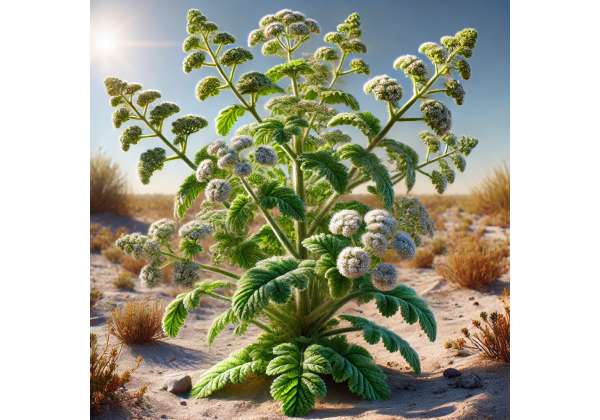
Ajowan (also spelled ajwain) is an aromatic seed from Trachyspermum ammi, a plant in the parsley family that has long been used as both a kitchen spice and a traditional digestive remedy. Its sharp, thyme-like flavor hints at its best-known constituent—thymol—which helps explain many of its classic uses: easing post-meal heaviness, supporting comfortable breathing during seasonal congestion, and offering a warming “settling” effect when the gut feels tight or gassy.
Modern interest in ajowan focuses on its volatile oils, antioxidant compounds, and potential antimicrobial actions. In everyday life, most people meet it as a spice in flatbread, lentils, pickles, or spice blends. In herbal practice, it may appear as chewed seeds, a warm infusion, powdered seed in honey, or—more cautiously—diluted essential oil for topical use.
Like many strong aromatics, ajowan can irritate sensitive stomachs or skin when overused, and its essential oil is not a casual supplement. Used thoughtfully, though, it can be a practical, low-cost addition to a digestive-support routine.
Quick Ajowan Highlights
- May help reduce gas and post-meal bloating when used as a culinary spice or warm infusion.
- Start with 0.5–2 g seeds per day (about 1/4–1 teaspoon), adjusting based on tolerance.
- Essential oil should be diluted for topical use and is generally not recommended for internal use without professional guidance.
- Avoid during pregnancy, breastfeeding, and for young children unless a clinician advises otherwise.
- Stop use if you develop burning stomach pain, rash, wheezing, or swelling.
Table of Contents
- What is ajowan?
- Key ingredients and medicinal actions
- Does ajowan help digestion and gas?
- Can ajowan support respiratory comfort?
- How to use ajowan in real life
- How much ajowan per day?
- Side effects, interactions, and evidence
What is ajowan?
Ajowan is the small, ridged “seed” (botanically a fruit) of Trachyspermum ammi. It’s often described as tasting like thyme mixed with pepper and oregano—intense, pungent, and warming. In South Asian and Middle Eastern cuisines, it’s used to flavor breads, legumes, fried snacks, pickles, and spice mixes, especially in dishes that can feel heavy or gas-forming. That culinary tradition is not accidental: many aromatic seeds are used precisely because they make meals feel easier to digest.
You may also see ajowan sold as:
- Ajwain seeds (most common)
- Carom seeds (a common trade name)
- Bishop’s weed (a confusing nickname sometimes used for different plants; check the Latin name to be sure)
- Ajowan essential oil or ajwain oil (a concentrated volatile oil, used very differently from the seeds)
Traditionally, ajowan has been used as a carminative (to reduce gas), antispasmodic (to ease cramping), and warming stimulant for sluggish digestion. It has also been used for cough and congestion, and sometimes as a comforting remedy after exposure to cold weather or damp conditions.
A practical way to think about ajowan is as a “high-impact aromatic.” A small amount can noticeably change a dish—and, for some people, noticeably change how that dish sits in the stomach. That strength is useful, but it also means dosing and preparation matter: chewing a pinch of seeds is very different from taking a spoonful of essential oil (which can be unsafe). For most wellness goals, the seed is the gentler, more traditional option.
Key ingredients and medicinal actions
Ajowan’s effects come primarily from its volatile (essential) oils and supporting plant compounds. The exact profile varies by growing conditions and processing, but several constituents show up repeatedly.
Major volatile compounds (the “aroma chemistry”)
- Thymol: Often the dominant compound. It contributes to ajowan’s sharp, medicinal scent and is associated with antimicrobial activity and a warming sensation.
- Carvacrol: A close chemical cousin of thymol, also found in oregano-like plants; often discussed for antimicrobial and anti-inflammatory actions.
- p-Cymene and γ-terpinene: Aroma compounds that can influence how thymol behaves and how the overall oil smells and acts.
- Limonene and pinene (minor): Common terpenes that may contribute to fragrance and mild soothing effects.
Non-volatile compounds (the “support team”)
- Phenolics and flavonoids: These are often linked with antioxidant capacity, which may be relevant to overall inflammatory balance.
- Fiber and trace minerals: Present in the seed as part of a normal spice serving, though not typically in large enough amounts to drive a major nutrient effect.
How these ingredients translate into “medicinal properties”
- Carminative and antispasmodic: Aromatic oils can relax smooth muscle in the gut and reduce the “trapped gas” feeling in some people.
- Antimicrobial activity (mostly topical or laboratory evidence): Thymol-rich oils can inhibit certain microbes in controlled settings. This does not automatically mean they treat infections in the body, but it helps explain traditional external uses and food-preservation interest.
- Respiratory comfort: Strong aromatics can create a sensation of clearer breathing by influencing airway smooth muscle tone and the perception of airflow.
- Analgesic and counter-irritant effects (topical): When used properly diluted, thymol-rich oils can create a warming, numbing, or distracting sensation that some people find useful for localized discomfort.
Ajowan belongs to the same broader “aromatic seed” tradition as cumin and caraway. If you enjoy comparisons, a helpful reference point is a caraway seed profile, since both are used for digestive comfort—yet ajowan tends to be sharper and more thymol-forward.
Does ajowan help digestion and gas?
Ajowan is best known for digestive support—particularly gas, bloating, and post-meal heaviness. While people often call it “anti-gas,” the more precise idea is that it may help in three overlapping ways: easing spasm, shifting fermentation discomfort, and improving the sensory experience of digestion.
1) It may reduce cramping and tightness
If your bloating comes with a “knotted” feeling—mild cramping, abdominal tension, or a sense that the belly won’t relax—ajowan’s aromatic oils may help calm smooth muscle. This is the classic antispasmodic pattern many people report: less gripping discomfort after a heavy, oily, or legume-rich meal.
2) It may improve comfort after gas-forming foods
Beans, lentils, cabbage, and some whole grains can create pressure through fermentation. Ajowan doesn’t “turn off” fermentation, but it may make the process feel less uncomfortable for some people by supporting motility and reducing spasm. In culinary practice, it’s commonly paired with legumes for this reason.
3) It can stimulate appetite and digestive secretions
Aromatic spices often increase salivation and the sensation of “warming” digestion. For someone who feels sluggish after meals, a small amount of ajowan may feel activating. However, this same stimulation can be too strong for people with reflux-prone digestion.
Practical ways people use it for digestion
- Chewing seeds: A pinch after meals (common in traditional use).
- Warm infusion: Ajowan in hot water, sometimes with ginger or fennel.
- Tempering in oil: Briefly blooming the seeds in hot oil and adding to food.
When it may not help
Ajowan is not ideal for everyone. If your main issue is heartburn, burning reflux, or a very irritated stomach, strong aromatics can sometimes worsen symptoms—especially at higher doses or on an empty stomach.
For readers who do well with aromatic seeds, it can be useful to compare approaches with fennel’s digestive uses, which is usually gentler and sweeter, while ajowan is sharper and more intense.
Can ajowan support respiratory comfort?
Ajowan has a long history in traditional systems for cough, congestion, and “tight chest” feelings, especially during seasonal colds or damp weather. Its strong aroma and warming sensation make it a common home remedy when breathing feels uncomfortable.
What it may do (realistically)
- Promote the sensation of clearer airflow: Aromatic oils can influence sensory nerves in the airway, changing how open or “clear” breathing feels.
- Support comfortable coughing: Warm infusions may soothe throat irritation and help the cough feel more productive.
- Relaxation effects on airway tone: Some compounds found in thyme-like oils have been studied for bronchodilatory potential in controlled settings, though human outcomes depend on dose, preparation, and individual sensitivity.
Common traditional approaches
- Steam inhalation (with caution): People sometimes add a small amount of crushed seeds to hot water and inhale steam. This can be soothing, but it can also irritate eyes and sensitive airways if too strong.
- Warm ajowan tea: Often used during congestion to provide warmth and comfort.
- Chest rubs (diluted oil): Some traditions use diluted aromatic oils on the chest for a warming feel.
Important safety note
Respiratory use is where people are most tempted to jump from seed to essential oil. Ajowan essential oil is highly concentrated and can irritate mucous membranes. For many people, the seed infusion is the safer first-line approach.
If you’re curious about thymol-rich aromatics more broadly, an internal comparison point is a thyme essential oil overview, since thyme and ajowan share some overlapping aromatic chemistry and similar “warming” traditions.
How to use ajowan in real life
Ajowan is easiest to use when you treat it like a culinary medicine—small amounts, used consistently, and matched to the meal or goal. Below are practical formats, from gentlest to most concentrated.
1) Culinary use (best starting point)
- Tempering/blooming: Heat a little oil or ghee, add 1/4–1/2 teaspoon ajowan seeds, let them sizzle briefly, then pour over lentils, vegetables, or yogurt sauces.
- Dough and breads: Add a pinch to flatbreads, crackers, or savory pancakes—especially when using heavier flours.
- Spice blends: Works well with cumin, coriander, turmeric, and black pepper.
Culinary use has two advantages: the dose stays modest, and it’s taken with food—often reducing irritation risk.
2) Chewing the seeds
- Typical approach: chew a small pinch after meals, then sip warm water.
- This is often used when the main goal is gas relief or “settling” after a heavy meal.
3) Ajowan tea (infusion)
A simple preparation:
- Lightly crush 1/4–1/2 teaspoon of seeds.
- Pour hot water over them.
- Steep 7–10 minutes, then strain.
- Sip slowly, ideally after food if you’re sensitive.
People often combine ajowan with other warming herbs. If you want a gentle pairing idea, consider ginger pairing ideas—ginger can complement ajowan’s warmth, but the combination may be too strong for reflux-prone digestion.
4) Powdered seed
- Powder can be mixed with honey, warm water, or stirred into yogurt.
- Because powder is easier to “overdo,” it’s wise to measure rather than eyeball.
5) Essential oil (topical use only, for most people)
Ajowan oil is concentrated. For topical use:
- Use a properly diluted blend (commonly 1–2% essential oil in a carrier oil).
- Patch test first.
- Avoid eyes, mucous membranes, broken skin, and sensitive areas.
If you are considering internal essential oil use, it’s best done only under qualified clinical supervision.
How much ajowan per day?
Ajowan dosing depends on the form (whole seed vs tea vs oil), your goal (post-meal comfort vs short-term respiratory support), and your tolerance. The ranges below are conservative, practical starting points for adults.
Typical adult seed range (general wellness)
- 0.5–2 g per day (roughly 1/4 to 1 teaspoon of seeds total)
- Many people do best splitting it: a small amount with meals rather than all at once.
For occasional post-meal discomfort
- Single dose: 0.5–1 g (about 1/4–1/2 teaspoon) after a heavy meal
- Try this 1–2 times in a day as needed, not indefinitely.
Ajowan tea (infusion)
- 1/4–1/2 teaspoon seeds per cup, up to 1–2 cups per day
- If you’re sensitive, start with 1/4 teaspoon and drink it after food.
Powder
- Start lower than whole seeds because it’s easy to take more than intended.
- A cautious approach is 250–500 mg once daily, increasing only if well tolerated.
Topical essential oil (ajwain oil)
- Aim for 1–2% dilution in a carrier oil for adults.
- Use for short periods, on small areas, and stop if redness or burning occurs.
Timing and duration
- Digestion: best taken with meals or shortly after meals.
- Respiratory comfort: short-term use during symptomatic periods is typical.
- Cycle breaks: if using daily, consider periodic breaks (for example, 1–2 weeks on, then a few days off) to reassess whether it’s still needed.
Dose-adjustment rules of thumb
- If you feel burning, nausea, or reflux: reduce the dose, take it only with food, or stop.
- If nothing changes after a week of consistent, modest use: it may not be the right tool for your symptom pattern.
If you frequently combine spices for digestion, you may also want to review black pepper health notes, since pepper can add heat and may amplify irritation in reflux-prone individuals—similar to high-dose ajowan.
Side effects, interactions, and evidence
Ajowan sits in a familiar herbal category: promising traditional use + strong aroma chemistry + uneven modern evidence. That mix calls for balanced expectations and careful safety habits.
Common side effects (more likely at higher doses)
- Heartburn or burning stomach discomfort: especially in people prone to reflux or gastritis.
- Nausea or throat irritation: more likely with concentrated tea or large doses of powder.
- Headache or “too stimulating” feeling: uncommon, but possible with strong aromatics.
Topical risks (essential oil and strong preparations)
- Skin irritation or chemical burn: especially if applied undiluted or under occlusion.
- Eye and airway irritation: strong vapors can bother sensitive people.
- Allergic reaction: rash, itching, swelling, or wheezing require stopping immediately and seeking care if severe.
Who should avoid ajowan (or use only with clinical guidance)
- Pregnant or breastfeeding individuals: avoid medicinal dosing and essential oil use unless a clinician familiar with botanicals approves.
- Infants and young children: avoid essential oil exposure; use culinary spice only if age-appropriate.
- People with active ulcers, severe reflux, or inflammatory stomach conditions: ajowan may worsen burning symptoms.
- Those with known allergies to Apiaceae family plants (celery, carrot, coriander, fennel): cross-reactivity is possible.
Medication interactions (caution areas)
Evidence is not definitive, but these are sensible precautions:
- Blood thinners and antiplatelet drugs: monitor for easy bruising or bleeding; stop ajowan before surgery unless your clinician says otherwise.
- Diabetes medications: if you use ajowan regularly and notice lower readings, discuss adjustments with your prescriber.
- Multiple “hot” stimulants: combining several strong aromatics (high-dose ginger, pepper extracts, essential oils) may increase irritation.
What the evidence actually says
- The most consistent support for ajowan is traditional and culinary: it’s widely used for digestion, and many people report real symptom relief at spice-level doses.
- Modern studies suggest potential anti-inflammatory, antimicrobial, and analgesic actions, but many findings are preclinical (lab or animal), where results do not always translate directly to human outcomes.
- Human research exists in specific contexts (such as topical use), but sample sizes can be small and formulations vary—meaning results may not apply to all products.
Quality matters
Ajowan products can differ dramatically:
- Seeds vary in freshness and volatile oil content.
- Essential oils vary by chemotype and processing.
- Powders can be adulterated or stale.
If you want ajowan mainly for digestion, the simplest, most reliable approach is often fresh whole seeds used in food or a mild infusion—measured, taken with meals, and stopped if irritation appears.
References
- Evaluating the Efficacy of Carum Copticum Seeds on the Treatment of Patients with Nonalcoholic Fatty Liver Disease: A Multi-Center, Randomized, Triple–Blind, Placebo-Controlled Clinical Trial Study 2021 (RCT)
- Exploring the Effectiveness of Ajwain Cream in Treating Taxane-induced Peripheral Neuropathy in Cancer Patients: A Pilot, Randomised and Double-blind Clinical Trial – PMC 2024 (RCT)
- Effectiveness of topical ajwain oil in reducing pain during local anaesthesia administration in paediatric dental patients: A randomized controlled trial – PMC 2025 (RCT)
- Anti-Inflammatory Activity of Thymol and Thymol-Rich Essential Oils: Mechanisms, Applications, and Recent Findings – PMC 2025 (Review)
- Pharmaco-toxicological aspects of thymol in veterinary medicine. A systematic review – PMC 2025 (Systematic Review)
Disclaimer
This article is for educational purposes only and does not provide medical advice, diagnosis, or treatment. Herbs and essential oils can cause side effects and interact with medications, and product quality can vary widely. If you are pregnant, breastfeeding, have a medical condition, take prescription medicines, or are considering using ajowan essential oil, consult a qualified healthcare professional before use. Seek urgent care for signs of an allergic reaction (trouble breathing, swelling of the face or throat, widespread rash) or severe symptoms.
If you found this guide useful, consider sharing it on Facebook, X (formerly Twitter), or your favorite platform so others can use ajowan more safely and effectively.