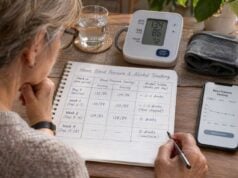
The old idea that a daily drink is good for the heart is no longer a safe takeaway from the evidence. Heavy alcohol use clearly raises cardiovascular risk, including hypertension, atrial fibrillation, cardiomyopathy, stroke, and premature death. Light or moderate drinking is more complicated: older observational studies often found lower rates of coronary disease among moderate drinkers than nondrinkers, but those comparisons can be distorted by lifestyle differences, former drinkers being grouped with abstainers, and other confounding factors. Newer genetic and contemporary cohort studies have weakened the case that alcohol itself protects the heart. For people who do not drink, there is no cardiovascular reason to start. For people who do drink, risk depends on amount, pattern, age, sex, medications, liver health, blood pressure, rhythm disorders, and cancer risk—not just whether intake falls under a traditional “moderate” limit. The point at which drinking becomes “too much” can therefore be lower than a population guideline if alcohol worsens your blood pressure, triggers AFib, raises triglycerides, disrupts sleep, or interferes with your health goals.
Table of Contents
- What “Moderate Drinking” Actually Means
- Does Moderate Alcohol Protect the Heart?
- How Alcohol Can Harm the Cardiovascular System
- Why Drinking Pattern Matters as Much as the Weekly Total
- Signs That “Moderate” Is Too Much for You
- Wine, Beer, or Spirits: Is Any Type Better?
- Lower-Risk Choices and When to Avoid Alcohol
What “Moderate Drinking” Actually Means
Traditional U.S. definitions commonly describe moderate drinking as up to one standard drink per day for women and up to two for men. A standard drink contains about 14 grams of pure alcohol: roughly 12 ounces of 5% beer, 5 ounces of 12% wine, or 1.5 ounces of 40% spirits.
These limits are not a threshold below which alcohol becomes healthy. They are population-level upper boundaries used in public health guidance, and many authorities increasingly emphasize that less alcohol generally means less health risk.
Real-world servings often exceed a standard drink. A pint of strong craft beer, a large wine pour, or a cocktail with multiple shots may contain two or more. Counting glasses instead of standard drinks can therefore double or triple your actual intake.
“Moderate” also does not average across a week. Fourteen drinks on Saturday is not equivalent to two each day. Binge drinking creates high blood alcohol levels and acute cardiovascular stress that a weekly average hides.
If you use alcohol to sleep, to manage anxiety, or to prevent withdrawal symptoms, the question is no longer simply whether the amount fits a guideline. The pattern itself deserves attention.
Does Moderate Alcohol Protect the Heart?
The idea of cardioprotection came mainly from observational studies in which light or moderate drinkers had lower rates of coronary heart disease than people labeled as nondrinkers. Alcohol can raise HDL cholesterol, and wine contains polyphenols, which offered plausible biological explanations.
But observational comparisons are difficult. Moderate drinkers may differ from abstainers in income, diet, exercise, social connection, healthcare use, and smoking. Some “nondrinker” groups include former heavy drinkers who stopped because of illness, making abstinence look less healthy than it truly is.
Mendelian randomization studies use genetic variants associated with alcohol consumption as natural experiments. These studies have generally not produced strong evidence that drinking is required for cardiovascular protection, and some suggest higher alcohol exposure increases risks such as stroke and peripheral artery disease.
A large 2022 analysis that combined conventional epidemiology with genetic methods found that the apparent protection at low intake was largely explained by healthier lifestyle characteristics among light to moderate drinkers. Cardiovascular risk rose with greater habitual consumption.
There is still scientific uncertainty about precise risk at very low intake and about specific outcomes. But uncertainty is not a reason to prescribe alcohol. The evidence does not support telling a nondrinker to start drinking for the heart.
If you enjoy alcohol and drink small amounts, the decision is about balancing pleasure and risk—not obtaining a cardiovascular nutrient.
How Alcohol Can Harm the Cardiovascular System
Alcohol affects different cardiovascular conditions in different ways.
Blood pressure: Habitual intake is associated with higher blood pressure in a dose-response pattern. Even lower daily intake may produce a small systolic increase over time. The amount of alcohol that raises blood pressure can be lower than many people expect.
Atrial fibrillation: Alcohol can acutely trigger AFib and increase recurrence in people with established AFib. Reducing intake can lower AFib burden in some patients.
Cardiomyopathy: Years of heavy drinking can weaken and dilate the heart muscle, leading to heart failure. Susceptibility varies, and there is no precise lifetime dose that predicts who will develop it.
Stroke: Heavy drinking raises both hemorrhagic and ischemic stroke risk through blood pressure, rhythm disturbances, clotting effects, and other pathways.
Triglycerides: Alcohol can raise triglycerides, particularly in people with obesity, diabetes, fatty liver, or genetic susceptibility. Severe hypertriglyceridemia also increases pancreatitis risk. Alcohol-related triglyceride elevation can be an important reason to abstain.
Heart rhythm and sudden stress: Binge drinking can produce “holiday heart,” rapid rhythms, dehydration, and electrolyte changes.
The same person may experience several of these effects at once. A nightly drinking pattern that raises blood pressure, disrupts sleep, and triggers palpitations can create more risk than any single mechanism suggests.
Why Drinking Pattern Matters as Much as the Weekly Total
Two people can consume seven drinks per week with very different risk patterns. One has a single drink with dinner on seven separate days. The other has all seven during one night. The weekly total is identical, but the peak exposure is not.
Binge drinking causes larger changes in heart rate, blood pressure, hydration, sleep, and electrical stability. It is also more likely to lead to injury, medication mistakes, smoking, or very high sodium and calorie intake.
Timing matters too. Alcohol close to bedtime may make you fall asleep faster but often fragments sleep later in the night and can worsen snoring and obstructive sleep apnea. Poor sleep then contributes to higher blood pressure and arrhythmia vulnerability.
Drinking with a large high-fat meal can also worsen post-meal triglycerides. Sugary mixers add calories and carbohydrate, which may be particularly relevant for people with diabetes or high triglycerides.
A useful personal audit includes not only “How many drinks per week?” but also:
- What is the most I drink on one occasion?
- How often do I have alcohol-free days?
- Do I drink within three hours of bedtime?
- Does alcohol trigger palpitations or higher next-day pressure?
- Do my drinks contain more than one standard serving?
- Do I miss medication or exercise because of drinking?
These questions often reveal risk that the label “moderate” hides.
Signs That “Moderate” Is Too Much for You
Population limits should never override your own medical response. Alcohol is too much for you if it reliably worsens a condition you are trying to control.
Examples include:
- blood pressure rises despite otherwise good habits;
- AFib or palpitations occur after drinking;
- triglycerides remain high or rise sharply;
- sleep apnea or snoring worsens;
- you develop reflux, poor sleep, or morning headaches that undermine exercise and diet;
- you need increasing amounts to get the same effect;
- you cannot stick to limits you set;
- alcohol interacts with medication or causes falls, dizziness, or low glucose.
For someone with AFib, even one or two drinks may be “too much” if episodes reliably follow. For someone with severe hypertriglyceridemia, clinicians may recommend complete abstinence until levels are controlled. For someone with resistant hypertension, reducing alcohol may be a higher priority than debating whether intake technically qualifies as moderate.
If you want to test the effect, an alcohol-free month can provide useful information about blood pressure, sleep, and triglycerides when other habits stay relatively stable.
Wine, Beer, or Spirits: Is Any Type Better?
No form of beverage removes the risk from ethanol. Red wine receives the most attention because it contains polyphenols such as resveratrol, but you can obtain polyphenols from grapes, berries, nuts, olive oil, tea, and other foods without alcohol.
The amount of ethanol matters more than whether it arrives as wine, beer, or spirits. Beverage choice can still affect calories, carbohydrates, and drinking speed. Beer may add substantial carbohydrate; sweet wine and cocktails may contain added sugar; spirits are concentrated and easy to pour heavily.
Wine drinkers in observational studies may also have different dietary and socioeconomic patterns from beer or spirits drinkers. That makes it difficult to attribute lower risk to the beverage itself.
If you choose to drink, select the type based on preference and keep the serving small rather than assuming one beverage is medicinal. A larger “healthy” red wine pour can contain more alcohol than a small serving of spirits.
Lower-Risk Choices and When to Avoid Alcohol
The lowest alcohol-related risk comes from not drinking. If you do drink, lower-risk habits include keeping servings small, avoiding binges, having alcohol-free days, not using alcohol for sleep, and alternating with nonalcoholic drinks in social settings.
Avoid alcohol completely when advised for pregnancy, certain liver or pancreas diseases, before driving, with specific medications, and during recovery from alcohol use disorder. People with severe triglyceride elevation, alcohol-triggered AFib, or alcohol-related cardiomyopathy may also be advised to abstain.
If you drink heavily every day or have withdrawal symptoms, do not stop abruptly without medical guidance. Withdrawal can be dangerous.
For heart health, put energy into interventions with much stronger evidence: do not smoke, control blood pressure and LDL cholesterol, stay physically active, maintain a healthy weight, manage diabetes, sleep adequately, and follow a Mediterranean- or DASH-style eating pattern.
Alcohol is not required for any of those benefits. If a drink fits your life and medical situation, keep the tradeoff in perspective. If it worsens your numbers or symptoms, “moderate” is no longer the right benchmark—your response is.
How alcohol changes different heart numbers
Alcohol can make a lipid panel look superficially mixed. It often raises HDL cholesterol, which historically contributed to the idea that moderate drinking was cardioprotective. But raising HDL with alcohol does not prove that cardiovascular events will fall. HDL is a marker within a complex system, and treatments or exposures that change HDL do not necessarily improve outcomes.
Triglycerides may rise, especially with higher intake, excess calories, diabetes, obesity, or sugary mixers. Blood pressure can rise progressively with regular drinking. Heart rate may be faster during or after drinking, and rhythm instability can increase in people prone to AFib.
This is a good example of why one “good” lab number should not outweigh several unfavorable changes. A higher HDL level does not cancel out elevated blood pressure, AFib, or weight gain.
Alcohol and heart failure deserve special attention
Long-term heavy intake can directly weaken heart muscle, causing alcohol-associated cardiomyopathy. Symptoms may include shortness of breath, swelling in the legs, fatigue, and reduced exercise tolerance. Improvement is possible when alcohol is stopped early enough, but established heart failure requires medical treatment and follow-up.
People who already have heart failure may also be sensitive to alcohol’s effects on rhythm, blood pressure, adherence, and fluid balance. Recommendations vary by cause and severity, so ask the treating cardiology team rather than relying on generic “moderate” limits.
Alcohol-free drinks are not all equivalent
Nonalcoholic beer, wine, and mocktails can make social situations easier, but read labels. Some contain meaningful amounts of sugar or calories, and products labeled “nonalcoholic” may contain a small residual amount of alcohol depending on local rules. That can matter for pregnancy, medications, religious reasons, or recovery from alcohol use disorder.
For cardiovascular goals, sparkling water with citrus, unsweetened tea, or another low-sugar beverage is often the simplest substitute. The point is to preserve the social ritual without automatically replacing alcohol with a large sugar load.
Questions to ask yourself before calling your intake moderate
Count standard drinks honestly for two weeks. Then ask whether you ever exceed your planned amount, whether drinking clusters on weekends, and whether it changes sleep, blood pressure, palpitations, food choices, or medication adherence.
Also ask why you drink. Drinking because you enjoy a small amount with a meal is different from needing alcohol to fall asleep, feel normal, or manage anxiety. Escalating tolerance, morning drinking, withdrawal symptoms, or repeated unsuccessful attempts to cut down are signs to seek professional help rather than negotiate a new “moderate” limit.
What a heart-healthy replacement looks like
If you reduce alcohol, use the opportunity to improve the whole routine. Replace an evening drink with a walk, herbal tea, or another relaxing ritual. If alcohol was paired with salty snacks, change both. If it was used for sleep, address the underlying insomnia or sleep apnea instead.
The cardiovascular benefits of exercise, blood pressure control, LDL lowering, smoking cessation, and a nutrient-dense diet are much better established than any proposed benefit from alcohol. Those are the habits worth treating as medicine.
Why age and medications can change the equation
The same drinking pattern may become riskier with age. Older adults generally have less total body water, may metabolize alcohol differently, and are more likely to take medications that interact with it. Blood pressure drugs, sedatives, anticoagulants, diabetes medicines, and sleep medications can all change the consequences of drinking.
Falls are an important cardiovascular-adjacent risk because anticoagulated people with AFib may face serious bleeding after injury. Alcohol can also worsen orthostatic dizziness in people taking blood pressure medication. A pattern tolerated at 40 may therefore be a poor fit at 70.
Medication labels are not always enough to answer the question. Ask a pharmacist or clinician specifically whether alcohol changes sedation, bleeding risk, liver metabolism, glucose control, or blood pressure with your current regimen.
How to decide whether to cut down or stop
Use your health priorities as the test. If alcohol is associated with rising blood pressure, repeated AFib, high triglycerides, poor sleep, weight gain, or difficulty taking medication reliably, a substantial reduction is more useful than debating epidemiology.
Try a defined period without alcohol and observe what changes. Keep the experiment long enough to include ordinary workdays, weekends, and social situations. If you feel better and objective markers improve, that is personally relevant evidence.
If you resume drinking, do not automatically return to the prior amount. Some people find that one drink on selected occasions preserves the social or culinary enjoyment they value without recreating the old pattern. Others discover that abstinence is easier than repeated negotiation.
Alcohol is only one part of cardiovascular prevention
The largest gains usually come from combining risk reduction. Treat high LDL cholesterol, control blood pressure, exercise, avoid tobacco, manage diabetes, sleep adequately, and maintain a healthy body weight. If you have established cardiovascular disease, take prescribed preventive medications consistently.
This perspective also prevents alcohol from becoming a distraction. A person who drinks one glass of wine twice a week but smokes daily should focus first on smoking. A person who drinks nightly and has alcohol-triggered AFib has a different priority. Risk management is most effective when the highest-impact factor gets attention first.
Cardiovascular prevention works best when the plan is simple enough to keep. If alcohol repeatedly undermines sleep, exercise, medication adherence, or food choices, its indirect effects may matter as much as ethanol itself. Removing that friction can make several proven heart-healthy habits easier at once, which is often more valuable than debating a theoretical benefit from one drink.
References
- Association of Habitual Alcohol Intake With Risk of Cardiovascular Disease. 2022
- Alcohol Consumption and Cardiovascular Disease Risk: Placing New Data in Context. 2022 (Review)
- Alcohol consumption in relation to cardiovascular diseases and mortality: a systematic review of Mendelian randomization studies 2022 (Systematic Review)
- Alcohol Consumption and Cardiovascular Disease: A Narrative Review of Evolving Perspectives and Long-Term Implications 2024 (Review)
- Alcohol and Atrial Fibrillation: An Update and New Perspectives. 2024 (Review)
Disclaimer
This article is for general education and does not replace personalized medical or addiction care. Alcohol recommendations may differ based on pregnancy, medications, liver disease, heart rhythm disorders, triglycerides, blood pressure, and a history of alcohol use disorder. Do not abruptly stop heavy daily drinking without medical guidance if withdrawal is possible.