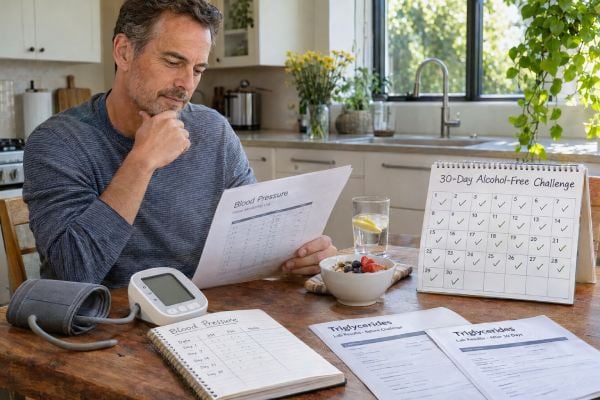
Taking 30 days off alcohol can produce measurable changes in cardiovascular risk factors, especially if you normally drink several times a week or drink heavily. Blood pressure may begin to fall within days to weeks, and triglycerides can improve when alcohol has been a major driver of high levels. The size of the change varies widely: someone having one drink occasionally may notice little difference, while a person drinking several drinks most days may see a meaningful drop in blood pressure and fasting triglycerides. A month without alcohol can also improve sleep, calorie intake, liver function, and blood sugar control, which may indirectly support heart health.
The key is to treat a 30-day break as a useful experiment, not a guaranteed “detox.” Measure what changes, pay attention to withdrawal risk if you drink heavily, and use the results to decide what long-term drinking pattern makes sense for you.
Table of Contents
- What Can Change During 30 Alcohol-Free Days?
- How Blood Pressure May Change
- How Triglycerides May Change
- Who Is Most Likely to See a Big Improvement?
- How to Measure Your Results Properly
- How to Get More Heart Benefit From the Month
- What to Do After 30 Days
What Can Change During 30 Alcohol-Free Days?
A month without alcohol is long enough for several short-term effects of regular drinking to fade. It is not long enough to erase years of cardiovascular risk, but it can show whether alcohol is contributing to your blood pressure, triglycerides, sleep problems, calorie intake, or other health issues.
Alcohol can affect the cardiovascular system in several ways. It can raise sympathetic nervous system activity, disturb sleep, increase calorie intake, alter liver fat metabolism, and promote higher blood pressure at heavier intake levels. It can also raise triglycerides in some people because the liver prioritizes alcohol metabolism and may increase production of triglyceride-rich particles.
During an alcohol-free month, possible changes include:
- Lower systolic and diastolic blood pressure, particularly in people who previously drank more than about two standard drinks per day.
- Lower fasting triglycerides when alcohol was contributing to elevated levels.
- A lower resting heart rate in some heavier drinkers.
- Better sleep continuity, although sleep can temporarily worsen during early withdrawal in people who drink heavily.
- Fewer liquid calories and less late-night eating.
- Improvement in insulin sensitivity and some liver markers in certain people.
- Weight loss if alcohol calories are not replaced with sweets or larger portions.
Not every marker moves in the direction people expect. HDL cholesterol may fall when alcohol is stopped because alcohol itself can raise HDL. That does not mean stopping alcohol is harmful. HDL is only one marker, and deliberately drinking to raise HDL is not recommended as a heart-protection strategy.
A standard U.S. drink contains about 14 g of pure alcohol: roughly 12 oz of regular beer, 5 oz of wine, or 1.5 oz of 80-proof spirits. Home pours are often larger than one standard drink, so counting “glasses” can underestimate intake.
How Blood Pressure May Change
Blood pressure can improve surprisingly quickly when alcohol is a meaningful contributor. Controlled research shows that reducing alcohol has little average effect in people who already drink two or fewer drinks per day, but the effect becomes larger at higher baseline intake. In people drinking six or more drinks per day, cutting intake substantially has produced average reductions of roughly 5.5 mm Hg systolic and 4 mm Hg diastolic in pooled trial data.
Those averages are not a promise for any one person. They show a dose-response pattern: the more alcohol was pushing blood pressure up, the more room there is for improvement.
What may happen in the first week
If you are a moderate or heavier drinker, blood pressure can begin shifting within several days. Alcohol’s acute effects vary over time; pressure can sometimes dip shortly after drinking and then rise later. Once drinking stops, that repeated cycle is removed.
The first few days can be misleading, however. Poor sleep, anxiety, caffeine changes, dehydration, or withdrawal can temporarily raise heart rate and blood pressure. This is one reason a single reading on day 2 is not a good measure of your month’s result.
If you drink heavily every day or have ever had alcohol withdrawal symptoms, do not assume that abruptly stopping is safe. Tremor, sweating, agitation, hallucinations, seizures, or severe confusion can occur with withdrawal and require medical care.
What may happen by weeks 2 to 4
By the second through fourth week, readings often provide a clearer picture. An older ambulatory blood pressure study in heavy drinkers found that one month of abstinence lowered average 24-hour systolic pressure by about 7 mm Hg and diastolic pressure by about 7 mm Hg. Those participants drank far more than typical social drinkers, so the result should not be generalized to everyone.
For someone with mild hypertension, even a smaller sustained reduction matters. Blood pressure risk is continuous, and lifestyle improvements can add to the effects of weight management, exercise, lower sodium intake, and prescribed medication.
If you want a broader plan, a structured alcohol and blood pressure strategy can help you judge whether reduction or long-term abstinence is the more realistic target.
How Triglycerides May Change
Triglycerides are more variable than LDL cholesterol and can change within days based on alcohol, food, fasting time, recent weight change, diabetes control, and even what you ate the night before the test. Alcohol is a common but not universal cause of elevated triglycerides.
Alcohol can raise triglycerides through several mechanisms. The liver converts excess energy into fatty acids, packages triglycerides into very-low-density lipoprotein particles, and may clear triglyceride-rich particles less efficiently. Alcohol can also stimulate appetite and make it easier to consume excess carbohydrate and fat, which compounds the effect.
A recent long-term study of people consuming at least 20 g of alcohol per day found that sustained reduction was associated with lower triglycerides over time. Short-term detoxification studies have also documented triglyceride reductions within several weeks in some people with alcohol use disorder. Still, the response depends strongly on baseline intake and metabolic health.
What kind of triglyceride change is realistic?
There is no reliable “30-day percentage” that applies to everyone. A person with triglycerides of 350 mg/dL who drinks heavily may see a large fall when alcohol is removed. Someone with triglycerides of 120 mg/dL who drinks two glasses of wine per week may see almost no change.
You are more likely to see a noticeable drop if you have one or more of these features:
- Triglycerides above 150 mg/dL.
- Regular intake of several drinks at a time.
- Binge drinking on weekends.
- Obesity or excess abdominal fat.
- Prediabetes, diabetes, or insulin resistance.
- A diet high in added sugar or refined carbohydrate.
- Fatty liver disease.
If triglycerides are very high, especially 500 mg/dL or higher, alcohol avoidance becomes more important because severe hypertriglyceridemia can raise pancreatitis risk. At that level, dietary changes should be coordinated with a clinician rather than treated as a casual self-experiment. See a broader guide to high triglycerides and how to reduce them for the other major causes that may need attention.
Who Is Most Likely to See a Big Improvement?
The biggest cardiovascular changes usually occur in people with the highest alcohol exposure or the most room for improvement at baseline. A 30-day break is most informative when you compare it with your usual pattern rather than with someone else’s results.
| Starting pattern | Likely 30-day effect | What to watch |
|---|---|---|
| Occasional light drinking | Often little measurable BP or triglyceride change | Sleep, calories, personal preference |
| 1–2 drinks most days | Variable; modest BP or triglyceride improvement is possible | Home BP trend and fasting lipids |
| More than 2 drinks most days | Greater chance of meaningful BP reduction | Withdrawal risk, BP, heart rate |
| Frequent binge drinking | Potential improvement in BP, triglycerides, sleep, and rhythm symptoms | Palpitations, hydration, relapse pattern |
| High triglycerides plus alcohol use | Potentially substantial triglyceride fall | Repeat fasting lipid panel |
People with atrial fibrillation or recurrent palpitations may have another reason to reduce alcohol. Alcohol can trigger rhythm disturbances in susceptible people, particularly after heavier episodes. If rhythm symptoms are part of your reason for taking a break, review common AFib triggers such as alcohol, sleep loss, stress, and dehydration.
The month may also expose a behavioral pattern that lab tests cannot capture. If you notice that it is difficult to stop once you start drinking, you spend a lot of time thinking about alcohol, or you repeatedly drink more than planned, that information matters more than a small laboratory change.
How to Measure Your Results Properly
A useful alcohol-free month should produce data you can compare. The simplest approach is to establish a baseline, keep other major habits reasonably stable, and repeat the same measurements near the end.
Home blood pressure
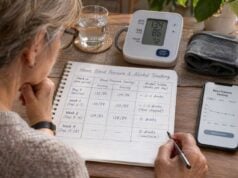
Use a validated upper-arm monitor with the correct cuff size. For a useful baseline, measure twice in the morning and twice in the evening for at least three, preferably seven, days before or at the start of the alcohol-free period. Sit quietly for five minutes, keep your back supported and feet flat, and avoid exercise, nicotine, and caffeine for about 30 minutes beforehand.
Repeat the same schedule during the final week. Compare averages, not the single lowest reading. A consistent home blood pressure monitoring schedule makes the result far more meaningful.
Triglycerides and cholesterol
For triglycerides, use the same laboratory when possible. If your first test was fasting, repeat it fasting under similar conditions. Avoid comparing a fasting result with a nonfasting result after a large meal.
Because triglycerides fluctuate, a small difference may reflect normal variation. A large change, especially when baseline triglycerides were clearly elevated, is more informative.
Body weight and waist size
Weigh under the same conditions, such as after waking and using the bathroom. A lower weight can itself improve blood pressure and triglycerides, so note whether weight changed during the month. This helps separate a direct alcohol effect from the effect of consuming fewer calories overall.
Sleep and symptoms
Track sleep duration, snoring, morning headaches, palpitations, reflux, and daytime energy. These are subjective, but they can help explain why blood pressure changes. Better sleep alone can support healthier blood pressure regulation.
How to Get More Heart Benefit From the Month
The cleanest experiment is not to change everything at once. If you completely overhaul your diet, double your exercise, start a medication, and stop alcohol on the same day, you will not know what caused the result. Still, a few supportive habits make an alcohol-free month easier and healthier.
First, replace the drinking ritual rather than leaving an empty space. Sparkling water, unsweetened tea, alcohol-free beer or wine, or a simple citrus-and-seltzer drink can preserve the social habit. Check alcohol-free products if complete abstinence is important to you because some contain small amounts of alcohol.
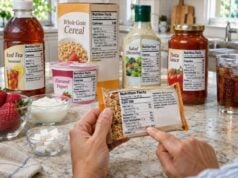
Second, watch sugar. People sometimes replace alcohol with desserts, sweet coffee drinks, or sugary mocktails. That can blunt triglyceride improvement. Emphasize water, unsweetened drinks, fruit, vegetables, legumes, whole grains, nuts, fish, and unsaturated fats instead. A practical food strategy for lowering triglycerides is especially helpful if your baseline level is high.
Third, keep sodium reasonable. Restaurant meals, cured meat, packaged snacks, and takeout can raise blood pressure enough to hide part of the alcohol-related improvement.
Fourth, move most days. Aim for a pattern you can sustain rather than an extreme 30-day challenge. Brisk walking, cycling, swimming, and resistance training all support cardiovascular health.
Finally, plan for social pressure. A short answer such as “I’m doing a 30-day health experiment” is often enough. You do not owe anyone a detailed explanation.
What to Do After 30 Days
At day 30, the most useful question is not “Did I complete the challenge?” It is “What did I learn that should change what I do next?”
Compare your average blood pressure, triglycerides, weight, sleep, and symptoms with baseline. If blood pressure fell clearly and rises again when alcohol returns, that is practical evidence that alcohol matters for you. The same is true if triglycerides improve substantially.
If you choose to drink again, avoid compensatory binge drinking. A month off does not create a protective buffer. Keep portions honest and notice whether old habits return quickly. People with hypertension, high triglycerides, atrial fibrillation, liver disease, pregnancy, certain medication interactions, or a history of alcohol use disorder may be advised to avoid alcohol entirely.
If you felt physically dependent on alcohol before the break, had withdrawal symptoms, or could not complete the month despite repeated attempts, discuss this with a healthcare professional. Treatment can include counseling, medications, and structured support; it does not require waiting for alcohol use to become “severe.”
A 30-day break works best as a diagnostic window into your own habits and physiology. For some people, the cardiovascular changes are small. For others, the month reveals that alcohol was a major, modifiable driver of blood pressure and triglycerides.
How to interpret a “good” 30-day result
The most useful result is not necessarily the biggest drop. A small but consistent improvement can still tell you that alcohol was contributing to your cardiovascular profile. For example, an average home blood pressure change from 132/82 mm Hg to 126/78 mm Hg is meaningful even if you do not feel different. Blood pressure often causes no symptoms, so objective measurements matter more than energy level or mood when judging cardiovascular effects.
Triglycerides need similar context. Suppose a fasting level falls from 240 mg/dL to 165 mg/dL after a month without alcohol. That is a much stronger signal than a change from 145 to 132 mg/dL because triglycerides naturally vary from test to test. The larger change also suggests that alcohol, total calorie intake, or eating patterns linked with drinking were important drivers. If the level remains elevated, other causes still need attention, including excess weight, diabetes, hypothyroidism, kidney disease, genetics, medications, and a high intake of refined carbohydrate.
Do not overinterpret changes in HDL. Alcohol can raise HDL cholesterol, so HDL may fall when drinking stops. Older ideas about alcohol being “heart healthy” partly came from this HDL effect and from observational studies in which moderate drinkers differed from nondrinkers in many other ways. Current cardiovascular guidance does not recommend starting alcohol to improve HDL or protect the heart.
Also consider what happened to your sleep, appetite, and routine. If you slept better and stopped late-night snacking, some of the blood pressure or triglyceride improvement may have come from those secondary changes. That still counts as a benefit. Real-life health effects often occur through several connected behaviors rather than one isolated biochemical pathway.
What if your numbers do not improve?
No change does not mean the month was pointless. It may mean alcohol was not a major driver of your particular blood pressure or triglyceride level. That information can narrow the search for other causes.
If blood pressure remains high, check measurement technique before concluding that lifestyle changes failed. A cuff that is too small, talking during the reading, measuring immediately after exercise, or relying on one office value can all distort the picture. Persistent average home readings in the hypertensive range deserve medical evaluation even if you feel well.
If triglycerides remain elevated, look at the full lipid panel, fasting glucose or A1C when appropriate, thyroid function when indicated, weight trend, and medication list. Very high triglycerides require more urgent attention because pancreatitis risk rises as levels become severe.
Finally, a 30-day break is not a test you can “fail.” Some people discover that alcohol was affecting their numbers substantially. Others discover that the bigger cardiovascular levers are sodium, weight, sleep apnea, diabetes control, smoking, or medication. Either result gives you a clearer next step.
References
- Alcohol Reduction and 15-Year Cardiometabolic Changes in Glycemic, Lipid and Blood Pressure Profiles: A Target Trial Emulation Study. 2026
- Dynamic evaluation of blood marker changes induced by acute binge drinking in healthy individuals: a randomized controlled trial 2026 (RCT)
- Alcohol Use and Cardiovascular Disease: A Scientific Statement From the American Heart Association 2025 (Position Statement)
- Alcohol Intake and Risk of Hypertension: A Systematic Review and Dose-Response Meta-Analysis of Nonexperimental Cohort Studies. 2024 (Systematic Review)
- One-month alcohol abstinence national campaigns: a scoping review of the harm reduction benefits. 2022 (Review)
- Effect of alcohol abstinence on blood pressure: assessment by 24-hour ambulatory blood pressure monitoring. 1999
Disclaimer
This article is for general education and is not a substitute for individual medical care. If you drink heavily or have had alcohol withdrawal symptoms, stopping abruptly can be dangerous and should be discussed with a healthcare professional. Seek urgent medical care for seizures, severe confusion, hallucinations, chest pain, or other severe symptoms.