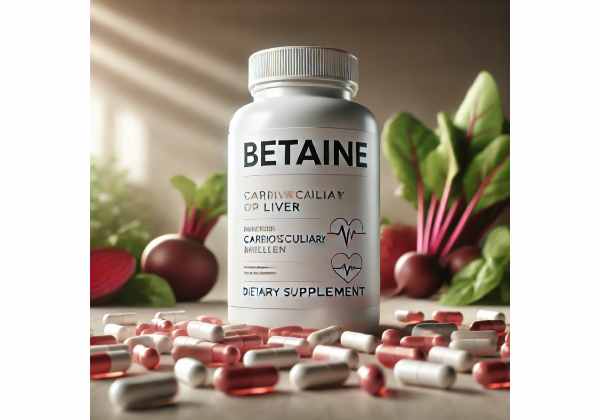
Betaine is one of those supplements that seems simple at first and then gets more interesting the closer you look. Also called trimethylglycine, or TMG, it is not a stimulant, a sedative, or a classic “brain booster.” Its value is more foundational. Betaine helps the body manage methylation and homocysteine balance, and it also acts as an osmolyte, which means it helps cells hold the right fluid balance under stress. Those jobs matter well beyond the liver and cardiovascular system. They may also influence mood, cognitive resilience, and long-term brain health.
That said, betaine is best approached with realistic expectations. The science is promising, but direct human evidence for memory, focus, depression, and anxiety is still limited. This guide explains what betaine does, where it may fit for mental wellness, how to use it, and where caution matters.
Table of Contents
- What Betaine Does in the Brain
- Possible Benefits for Mood and Cognition
- Who May Want to Consider Betaine
- Dosage, Forms, and Timing
- Safety, Side Effects, and Cautions
- Food Sources and Quality Tips
What Betaine Does in the Brain
Betaine is a naturally occurring compound found in foods such as beets, spinach, wheat bran, wheat germ, and shellfish. In the body, it is made partly from choline, which is one reason it often appears in conversations about choline and brain health. Its two main functions are the reason it draws attention in mental wellness.
First, betaine is a methyl donor. In practical terms, that means it helps transfer methyl groups in one-carbon metabolism, especially in the pathway that converts homocysteine back into methionine. That matters because methionine is used to make S-adenosylmethionine, or SAMe, a compound involved in methylation reactions throughout the body. Those reactions affect gene regulation, phospholipid metabolism, detoxification, and the handling of several neurochemical pathways. Betaine is not directly making serotonin or dopamine in the way a precursor might, but it helps support the metabolic environment in which those systems operate.
Second, betaine is an osmolyte. Osmolytes help cells maintain fluid balance and protect proteins when the body is under chemical or metabolic stress. That role is well established in tissues such as the liver and kidney, but it also has relevance for the nervous system. Brain cells depend on stable hydration, membrane integrity, and controlled stress responses. A compound that supports cellular stability may have indirect value for cognitive resilience, especially when inflammation, oxidative stress, or high homocysteine are part of the picture.
This is why betaine is better understood as a systems-support supplement than as a quick nootropic. It may influence brain health through several connected routes:
- helping reduce elevated homocysteine
- supporting methylation balance
- contributing to cellular stress tolerance
- indirectly supporting membrane and protein stability
That mechanism profile is attractive, but it is important not to overstate it. Betaine is not a proven stand-alone treatment for brain fog, low mood, anxiety, or memory loss. Its strongest case is biochemical plausibility plus useful human data in related areas, especially homocysteine lowering. For brain and mental wellness, the real question is not whether betaine has any role. It likely does. The real question is how large that role is in everyday people, and whether it produces noticeable mental benefits outside of specific deficiencies or metabolic patterns.
That is why betaine works best when viewed as part of a broader support plan rather than a miracle supplement on its own.
Possible Benefits for Mood and Cognition
The most credible way to think about betaine’s mental wellness potential is to separate direct evidence from indirect evidence.
The indirect case is stronger. Elevated homocysteine has been associated in many studies with poorer vascular health, cognitive decline, and some mood disorders. Because betaine helps convert homocysteine into methionine, it may reduce one contributor to long-term brain stress, especially in people whose one-carbon metabolism is under strain. This does not mean homocysteine is the whole story behind depression or memory problems, but it does mean betaine may be relevant in people with a measurable biochemical need.
The direct case is still developing. Preclinical research suggests betaine may help regulate neuroinflammation, oxidative stress, mitochondrial strain, and cellular injury pathways that matter in neurodegenerative and psychiatric conditions. Those mechanisms are intriguing because they point to more than one possible route of benefit. Human data, however, remain limited and uneven.
What may it help with in real life?
- Mood support: There is some early clinical and mechanistic interest in betaine as an adjunct where methylation balance matters, especially in relation to homocysteine and SAMe metabolism. That is one reason it sometimes comes up in discussions of SAMe and mood support. Still, betaine is not an established first-line supplement for depression or anxiety.
- Cognitive resilience: Its best theoretical role may be in supporting long-term brain health rather than producing an immediate focus boost. If elevated homocysteine, inflammation, or poor methyl-donor status are part of the picture, betaine may help indirectly.
- Psychiatric research niches: A small human study in schizophrenia reported improvement in positive symptoms, which is notable but far from enough to generalize betaine as a psychiatric treatment.
Just as important is what betaine probably does not do well. It is unlikely to act like caffeine for alertness, like L-theanine for acute calm, or like a prescription stimulant for attention. Most people will not feel a dramatic effect after one dose. When benefits do occur, they are more likely to show up as subtle improvements in mental steadiness, resilience, or lab markers over weeks rather than a fast, obvious shift.
A balanced summary looks like this:
- Betaine has biologically plausible pathways that matter to the brain.
- It has stronger support for homocysteine lowering than for direct mood or cognition outcomes.
- The early psychiatric and neuroprotection research is promising but not yet strong enough to justify big claims.
- It is most reasonable when used with targeted expectations.
For readers looking for a brain-health supplement with solid mechanistic logic and modest but incomplete human evidence, betaine is interesting. For readers seeking a fast, reliable mental effect, it is usually not the first option to reach for.
Who May Want to Consider Betaine
Betaine is not a universal supplement, and it does not need to be. Its best use tends to be in people who have a reason to think methylation support or homocysteine balance may matter.
The clearest group is people with elevated homocysteine or borderline one-carbon nutrient status. If testing shows homocysteine is high, betaine may be worth discussing with a clinician, especially when folate, vitamin B12, vitamin B6, and dietary choline are also being reviewed. In that setting, betaine is not being used as a vague “brain booster.” It is being used to support a measurable metabolic pathway.
A second group is people whose diet is low in major methyl-donor nutrients. Someone who eats little choline-rich food, few leafy greens, and not many whole grains may have a weaker nutrition base for this pathway. That does not automatically mean they need betaine, but it raises the odds that support could be useful.
A third group includes people interested in prevention rather than symptom chasing. Betaine may appeal to those who want to support long-term brain health through vascular, metabolic, and methylation pathways. This is a slower, less dramatic reason to use it, but probably the most realistic one.
People who may be more cautious include those with severe mood symptoms, major anxiety, significant memory decline, or unexplained brain fog. In those cases, supplements should not delay a fuller workup. There are many other explanations for cognitive complaints, and many causes of memory problems have nothing to do with betaine status.
Betaine may be a reasonable fit when several of these apply:
- homocysteine is elevated or high-normal
- diet is low in key methyl-donor nutrients
- there is interest in gentle metabolic support rather than a stimulant effect
- a person tolerates methylation-related supplements well
It may be a poor fit when expectations are off. If someone wants rapid relief for panic, insomnia, severe depression, or attention problems, betaine is unlikely to meet that need on its own. It may also disappoint people who judge supplements only by whether they “feel something” on day one.
A practical way to frame it is this: betaine is better matched to a “repair the terrain” strategy than to a “flip the switch” strategy. It is most compelling when the goal is to support biochemical balance that may, over time, affect mental clarity, resilience, or neurological risk. That is useful, but it is narrower and more conditional than many supplement labels suggest.
Dosage, Forms, and Timing
When people shop for betaine, the first source of confusion is the label. For brain health, methylation support, and homocysteine balance, the form to look for is usually betaine anhydrous, often listed as trimethylglycine or TMG. That is the form most relevant to the pathways discussed in this article.
For general supplement use, a cautious starting range is often 500 mg to 1,000 mg daily. Many products and wellness protocols fall in the 1.5 to 3 grams per day range, often split into one or two doses. Human studies focused on homocysteine lowering have used higher amounts, sometimes around 6 grams daily, but that does not mean higher is better for brain outcomes. At the moment, there is no well-established “optimal” betaine dose specifically for mood, focus, or memory.
A sensible practical approach looks like this:
- Start low, especially if you are sensitive to supplements.
- Take it with food if your stomach is easily irritated.
- Increase gradually rather than jumping straight to multi-gram doses.
- Reassess after several weeks, not several hours.
Timing is usually flexible. Betaine is not strongly stimulating, so many people take it in the morning or early afternoon simply because it is easier to remember. If using a split dose, breakfast and lunch is a common pattern. There is rarely a strong reason to take it right before bed unless a clinician has advised a specific schedule.
One important point is dose realism. The most evidence-based reasons to use betaine are not the same as the most aggressively marketed reasons. In the broader world of evidence-based nootropics, this matters a lot. A bigger dose does not automatically create a better cognitive effect. In fact, higher intakes may increase the chance of digestive side effects and may be more likely to affect cholesterol in ways you do not want.
If you want a clean, low-complexity supplement routine, betaine often fits best in one of two ways:
- single-agent use: to test whether it is well tolerated and whether it seems useful
- targeted stack use: with nutrients such as folate, vitamin B12, or choline when the goal is broader one-carbon support
The right form should say exactly what it contains, the dose per serving, and whether it is plain powder or capsules. Avoid products that bury betaine inside a proprietary blend. With a supplement like this, transparency matters more than flashy branding.
Safety, Side Effects, and Cautions
Betaine is generally regarded as well tolerated, especially at modest doses, but “generally well tolerated” is not the same as risk-free. The most common downsides are digestive. Some people notice nausea, stomach discomfort, bloating, loose stools, or a general sense that the dose is too heavy. Starting lower and taking it with meals can reduce that problem.
A more important caution is its possible effect on blood lipids at higher intakes. Some human research suggests betaine can raise total cholesterol and LDL cholesterol when the dose reaches about 4 grams per day or more. That does not mean everyone will experience this, but it is enough to matter if you already have elevated LDL, a strong family history of cardiovascular disease, or are using betaine long term.
Another reason for caution is context. Betaine changes methylation-related metabolism, so it makes more sense as part of an informed plan than as a random add-on. If homocysteine is one reason you are considering it, it is smart to also look at folate and vitamin B12 status rather than assuming betaine alone is the answer.
People who should get medical guidance before using betaine include:
- anyone pregnant or breastfeeding
- anyone with a known metabolic disorder such as homocystinuria
- people with significant kidney, liver, or cardiovascular concerns
- people taking multiple targeted supplements for methylation
- anyone treating a psychiatric disorder with prescription medication
It is also worth remembering that betaine is not a substitute for established care. If you have depression, panic attacks, worsening memory, psychosis, or severe fatigue, it should not replace diagnosis and treatment.
A few practical safety habits go a long way:
- do not assume “natural” means unlimited
- avoid stacking several high-dose methyl donors all at once
- review labs if you are using it for a clear metabolic reason
- stop or reduce the dose if side effects show up quickly
For many people, the safest way to use betaine is to treat it like a targeted nutritional tool, not a casual wellness extra. That mindset naturally keeps doses more reasonable, helps set better expectations, and lowers the chance of chasing internet hype into an unnecessarily complicated regimen.
Food Sources and Quality Tips
Before reaching for a supplement, it helps to know where betaine naturally shows up in food. Good dietary sources include beets, spinach, wheat bran, wheat germ, quinoa, and some shellfish. In practice, betaine intake varies a lot with eating patterns. Someone eating plenty of whole grains, vegetables, and minimally processed foods may already get a useful amount, while a more refined diet may provide much less.
That matters because food does more than deliver one isolated compound. A food-first approach also brings folate, minerals, fiber, and plant compounds that support brain and vascular health from multiple angles. If your goal is prevention and steady mental performance, improving overall diet quality may do as much as, or more than, adding a capsule.
A simple food-first plan might include:
- a spinach-based lunch a few times each week
- oats or other whole grains instead of ultra-processed cereals
- beets or beet-based salads as a regular side dish
- more varied plant foods overall
For broader nutrition support, building around brain-friendly foods usually gives better long-range results than relying on a single supplement.
If you do choose a supplement, focus on quality markers that actually matter:
- the label clearly states betaine anhydrous or TMG
- the dose per serving is easy to understand
- there are no oversized proprietary blends
- the company uses third-party testing or good manufacturing practices
- the marketing claims stay realistic
It is also reasonable to think about fit rather than just purity. A person with high homocysteine and low nutrient intake may benefit more from betaine than someone with a strong diet, normal labs, and no clear metabolic reason to use it. In other words, quality includes the match between the supplement and the person taking it.
The smartest way to use betaine is usually the least dramatic way: know why you are taking it, use a sensible dose, support it with good nutrition, and reassess whether it is actually helping. That approach is quieter than most supplement marketing, but it is much more likely to lead to a useful result.
References
- Beneficial Effects of Betaine: A Comprehensive Review 2021 (Comprehensive Review). ([PMC][1])
- Decoding Betaine: A Critical Analysis of Therapeutic Potential Compared with Marketing Hype—A Narrative Review 2024 (Narrative Review). ([ScienceDirect][2])
- Betaine Dietary Supplementation: Healthy Aspects in Human and Animal Nutrition 2025 (Review). ([MDPI][3])
- Betaine: A Promising Natural Product for Neurological and Psychiatric Diseases 2025 (Review). ([Bentham Direct][4])
- Betaine supplementation improves positive symptoms in schizophrenia 2022 (Clinical Study). ([ScienceDirect][5])
Disclaimer
This article is for educational purposes only and does not diagnose, treat, or replace medical care. Supplements can affect people differently based on health status, medications, lab values, and the reason they are being used. Betaine may not be appropriate for everyone, especially people with metabolic disorders, cardiovascular risk concerns, pregnancy, or active psychiatric illness. If you are considering betaine for mood, cognition, high homocysteine, or a diagnosed medical condition, review it with a qualified clinician who can consider your symptoms, history, and any needed testing.
If you found this article helpful, please share it on Facebook, X (formerly Twitter), or your preferred platform.