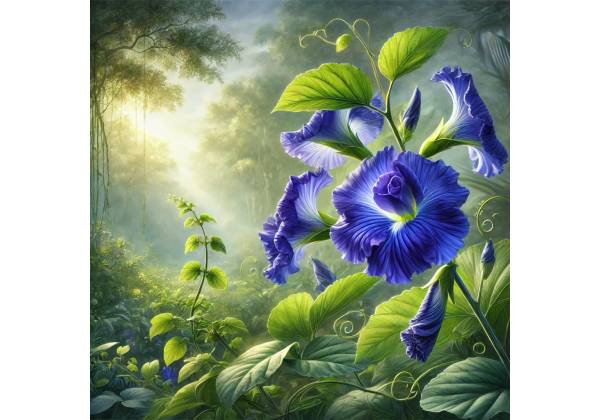
Butterfly pea (Clitoria ternatea) is a vivid blue flower traditionally brewed into teas and used as a natural colorant across Southeast Asia and beyond. Its appeal is not only visual. The petals contain distinctive anthocyanins called ternatins, along with other polyphenols that have been studied for antioxidant activity and potential support for metabolic and cognitive health. In everyday life, butterfly pea is most often enjoyed as a caffeine-free “blue tea” that turns purple when mixed with citrus—an easy way to add beauty and a gentle herbal profile to drinks and desserts.
Interest in butterfly pea has grown because it sits at the intersection of food and wellness: it is widely consumed, generally well tolerated in culinary amounts, and it has early human research for post-meal blood sugar, blood lipids, and antioxidant markers. Still, the evidence is not yet strong enough to treat it like a medicine, and product quality and dosing matter, especially with concentrated extracts.
This guide explains what butterfly pea contains, what it may help with, how to use it well, how much is reasonable, and who should approach it with extra caution.
Key Takeaways
- Regular tea use may support antioxidant status and post-meal metabolic balance when paired with healthy meals.
- Typical tea dosing is 1–2 g dried flowers per cup, up to 2–3 cups daily for short periods.
- Concentrated extracts can be stronger than tea and may cause stomach upset or headaches in sensitive people.
- Avoid during pregnancy and breastfeeding unless guided by a clinician.
- People using diabetes or blood pressure medications should monitor responses and start with small servings.
Table of Contents
- What is butterfly pea
- Key compounds in butterfly pea
- Butterfly pea health benefits
- How to use butterfly pea
- How much butterfly pea per day
- Side effects, interactions, and who should avoid
- What the evidence actually says
What is butterfly pea
Butterfly pea is a climbing plant in the legume family (Fabaceae) whose deep blue flowers have been used for generations as a beverage, a food dye, and a traditional herb. Depending on region, it may be called blue pea, blue tea flower, or “telang” flower. The part most commonly used today is the dried flower petal, although some traditions also use leaves, seeds, and roots in different preparations.
Why it turns blue and purple
Butterfly pea’s signature color comes from anthocyanins—water-soluble pigments that plants use for protection and signaling. Butterfly pea is special because many of its anthocyanins are polyacylated (ternatins), which makes the blue color relatively stable in water compared with many other natural blue pigments. When you add acid (like lemon or lime), the chemistry shifts and the drink becomes violet or magenta. This pH-sensitive color change is part of its culinary charm, but it also explains why the exact shade can vary by recipe.
Traditional roles and modern use
In traditional practice, butterfly pea has been used as a calming, cooling herb and as a support for memory, hair, and skin. In modern wellness culture, it is more likely to be used for:
- a caffeine-free tea that feels “light” and soothing
- a natural, plant-based food colorant
- an ingredient in functional drinks and beauty products
A key distinction is that most people consume butterfly pea as a food-level herb. That context matters because culinary amounts have a different risk profile than concentrated extracts or capsules.
Forms you will see
Butterfly pea commonly appears as:
- whole dried flowers for tea
- powdered flower for smoothies and baking
- liquid extracts for drinks and recipes
- standardized extracts in capsules (less common, but increasing)
If you are new to it, start with simple tea use. It is the most forgiving form, easiest to measure, and easiest to stop if it does not agree with you.
Key compounds in butterfly pea
Butterfly pea’s effects—both the real-world ones (taste, color, gentle herbal feel) and the studied ones (antioxidant markers, post-meal metabolism)—are tied to its phytochemistry. It is not a “one molecule” herb. Its value comes from a pattern of compounds that behave differently depending on water temperature, steep time, and whether the beverage is consumed with food.
Ternatins and related anthocyanins
The most distinctive compounds in butterfly pea petals are ternatins, a group of anthocyanins responsible for the intense blue color. Anthocyanins are often described as antioxidants, but an equally useful way to think about them is as “stress-response messengers.” They can influence pathways involved in oxidative balance and vascular signaling. That said, anthocyanins are sensitive to environment: high heat for long periods, light exposure, and very acidic conditions can change their structure and color.
Flavonols and phenolic acids
Beyond ternatins, butterfly pea contains other polyphenols, including flavonols and phenolic acids. These compounds contribute to overall antioxidant capacity and may support normal inflammatory balance. They also help explain why some people find butterfly pea tea “settling” after meals: polyphenols can interact with digestive enzymes and post-meal oxidative stress.
If you are interested in how anthocyanin-rich plants compare across foods and supplements, blueberry extract anthocyanins and dosing guidance can provide a useful reference point for what is known about this broader compound family.
Peptides and other constituents
Different parts of Clitoria ternatea (not just the flowers) contain bioactive peptides and additional plant chemicals that have been explored in preclinical research. Most consumer products focus on flowers, which are primarily valued for anthocyanins and flavor. This matters because you may see claims derived from studies using roots or leaves. Those findings may not translate directly to flower tea.
What preparation does to the chemistry
Small preparation changes can shift what you extract:
- Short steep (5–8 minutes): brighter color, lighter flavor, often easier on digestion
- Long steep (10–15 minutes): deeper color, stronger herbal taste, more concentrated polyphenols
- Adding acid: turns color purple and can change anthocyanin stability over time
- Adding sweetener: improves palatability but can also change how you experience post-meal effects if sugar is high
The practical takeaway is simple: dose and preparation are part of the “active ingredient.” If you want predictable results, keep your recipe consistent.
Butterfly pea health benefits
Butterfly pea is often marketed as a “beauty and brain” herb, but the most responsible benefit framing is narrower: it may support antioxidant status and post-meal metabolic balance, and it has traditional calming use with early research interest. The strongest outcomes are not dramatic symptom cures; they are modest shifts in measurable markers and subjective wellness when the tea is used consistently and paired with healthy habits.
1) Antioxidant support and oxidative balance
Human studies and reviews commonly discuss butterfly pea in relation to antioxidant capacity. In plain terms, this means the body may show improved ability to handle oxidative stress after a meal, especially meals higher in sugar or fat. This is a realistic benefit category because it aligns with how polyphenol-rich foods tend to behave: they do not “erase” unhealthy meals, but they can soften the metabolic aftershocks when used as part of an overall balanced diet.
2) Post-meal blood sugar and insulin response
One reason butterfly pea became popular in functional drinks is early evidence that flower extracts can influence post-meal glucose and insulin responses, especially when consumed with sugar. This does not make butterfly pea a diabetes treatment, but it suggests a plausible supportive role for people trying to build healthier beverage habits. The key caution is that it is not a license to “cancel out” sugary drinks. If the beverage itself is loaded with sugar, the benefit may be overwhelmed.
3) Post-meal blood fats and “heavy meal” support
Another promising area is postprandial lipemia—the rise in blood triglycerides after a high-fat meal. Early human data suggests butterfly pea extract may reduce certain post-meal lipid markers and improve antioxidant responses. This benefit is most meaningful for people who routinely eat rich meals and want supportive strategies beyond simply adding more supplements. A better long-term approach is still meal composition, but butterfly pea may be a useful add-on.
4) Calm, focus, and the “tea ritual” effect
Many people experience butterfly pea tea as calming, even though it does not contain caffeine. Some of that may be the ritual: a warm drink, a brief pause, and hydration. Some may be the mild neuroactive potential suggested in traditional use. If your goal is calm focus rather than colorful drinks, it helps to compare butterfly pea with other gentle options such as chamomile and its calming compounds, which has a longer track record in sleep and relaxation use.
5) Skin and hair-related interest
Butterfly pea is increasingly used in topical products, especially hair and scalp formulations. The most realistic expectation is support for scalp comfort and cosmetic outcomes, not medical treatment. If scalp symptoms are severe or persistent, medical evaluation matters because fungal and inflammatory causes often need targeted care.
How to use butterfly pea
Butterfly pea is unusually versatile: it can be a simple tea, a culinary dye, or a functional ingredient in drinks and skin care. The “best” use depends on your goal. If you want gentle wellness support, tea is usually the most practical. If you want color and creativity, powder and extracts are convenient but easier to overuse.
Butterfly pea tea (classic method)
A simple, repeatable approach:
- Add dried flowers to hot water.
- Steep until the color is deep blue.
- Strain and drink warm, or chill for iced tea.
For taste, many people add ginger, lemongrass, or a small amount of honey. If you add lemon or lime, the drink turns purple. That acidity also brightens flavor, which can reduce the need for added sugar.
“Color-change” drinks and mocktails
Butterfly pea is popular in layered drinks: blue tea plus citrus served separately, or blue ice cubes melting into lemonade. If you use it for parties, treat it like a culinary herb and keep the tea relatively light. Stronger brews can be slightly earthy and may bother sensitive digestion.
If you want another tart herbal tea that blends well with butterfly pea for flavor and color contrast, hibiscus tea uses and safety notes is a common pairing, especially for people who prefer a tangy profile.
Food uses: rice, desserts, and baking
Butterfly pea is used to color rice, noodles, puddings, frostings, and yogurt. Tips that keep results consistent:
- Mix powder into a small amount of warm liquid first to avoid clumps.
- Expect color shifts when recipes include acid (citrus, yogurt) or high heat.
- Store colored foods away from direct sunlight to reduce fading.
Topical and cosmetic use
You will see butterfly pea in shampoos, scalp treatments, and skin products. In these contexts, its role is partly antioxidant support and partly marketing appeal. If you try a butterfly pea topical product:
- patch test first if you have sensitive skin
- avoid broken skin and mucous membranes
- stop if itching or redness increases
Extracts and capsules: use with more caution
Extracts can deliver much higher amounts of plant compounds than tea. They may be appropriate for research-style dosing or clinician-guided use, but they require careful label reading. Choose products with clear sourcing, standardized content when available, and realistic claims. If a product promises fast weight loss or “detox,” it is usually a sign to look elsewhere.
How much butterfly pea per day
Butterfly pea dosing depends on form. Tea dosing is typically measured in grams of dried flowers, while extracts may be measured in grams of extract or milligrams of a standardized preparation. Because products vary, a conservative approach is to start with tea and use extracts only when you understand what the dose represents.
Tea dosing (most common)
A practical adult range is:
- 1–2 g dried flowers per cup (about 1–2 teaspoons, depending on flower size)
- steep 5–10 minutes
- drink 1–3 cups per day for short periods, then reassess
If you are using butterfly pea primarily as a beverage replacement (instead of sweet drinks), 1–2 cups daily is usually enough to build a consistent habit without pushing dose intensity.
Powder dosing
Powder is easy to overdo because it looks small but can be concentrated. A cautious culinary range is:
- 0.5–1 teaspoon per day, mixed into smoothies, yogurt, or recipes
If you notice stomach upset, reduce the amount or switch back to tea.
Extract dosing (when you want a stronger effect)
Human studies often use gram-level doses of flower extract with test meals, but those extracts are prepared and measured under controlled conditions. In consumer products, “extract” can mean many things. If you use a capsule or powdered extract:
- follow the product label
- start with the lowest dose for 3–7 days
- avoid stacking multiple polyphenol-rich extracts at once
A cautious, general consumer range often falls around 250–500 mg extract once or twice daily, but the real “active” amount depends on standardization and extraction method. If the label does not clarify what the extract contains, treat it as a higher-uncertainty product and avoid high doses.
Timing, duration, and what to track
- Timing: Many people prefer butterfly pea with or after meals, especially if the goal is post-meal support.
- Duration: Try a structured window such as 2–4 weeks, then reassess.
- What to track: digestion, headaches, sleep quality, and how you feel after meals. For people monitoring blood sugar, watch for unexpected drops if you combine butterfly pea with glucose-lowering medications.
If your main goal is metabolic wellness, butterfly pea works best alongside foundational strategies (fiber, protein balance, movement). Herbal support is additive, not a substitute.
Side effects, interactions, and who should avoid
Butterfly pea is widely consumed as a food ingredient, and many people tolerate tea amounts well. Side effects are more likely with concentrated extracts, high daily doses, or sensitive digestion. The safest approach is “food first, dose second”: start with mild tea and increase only if you have a clear reason and good tolerance.
Possible side effects
Reported or plausible side effects include:
- stomach upset, nausea, or loose stools (more common with strong brews or extracts)
- headache or lightheadedness in sensitive individuals
- allergic reactions (rare, but possible with any botanical)
If you experience persistent symptoms, stop use and reassess. Many reactions resolve simply by lowering dose or switching from extract to tea.
Medication interactions and special cautions
Because butterfly pea has shown post-meal effects on glucose and lipid markers in human studies, caution is sensible with medications that influence these systems:
- Diabetes medications: Monitor for changes in blood sugar, especially if you use higher-dose extracts.
- Blood pressure medications: If you are prone to low blood pressure or dizziness, start with small servings and avoid combining multiple blood pressure-lowering herbs at once.
- Sedatives and sleep aids: Butterfly pea is not a strong sedative, but if you are sensitive to calming herbs, evaluate how it affects alertness, especially when combined with other calming products.
If you take blood thinners, the evidence for a direct interaction is limited, but it is still wise to avoid high-dose extracts without professional guidance, because polyphenol-rich botanicals can behave unpredictably across individuals.
Who should avoid butterfly pea
Avoid or use only with clinician guidance if you are:
- pregnant or breastfeeding
- giving herbal extracts to children
- managing chronic liver or kidney disease (especially if using concentrated products)
- prone to severe allergies or prior reactions to herbal teas
- preparing for surgery (stop higher-dose extracts in advance unless advised otherwise)
Quality and contamination issues
As with any dried flower product, quality matters. Choose food-grade products from reputable sellers, especially if you drink it daily. Avoid products with artificial dyes added to “enhance” color, and be cautious with bulk flowers of unknown origin. If the product has a chemical smell or unusual bitterness beyond normal herbal taste, do not use it.
What the evidence actually says
Butterfly pea sits in a promising but still developing evidence category. The strongest human data focuses on measurable, short-term outcomes—post-meal glucose, insulin, triglycerides, and antioxidant status—often using carefully prepared flower extracts consumed with specific meals. Topical research is emerging as well, especially in scalp and skin applications. However, many popular claims (rapid weight loss, major anxiety relief, “detox cures”) are not supported strongly enough to be presented as reliable outcomes.
Where evidence is most convincing
The most consistent theme is postprandial support. In controlled settings, butterfly pea flower extract has been shown to influence post-meal metabolic responses and antioxidant measures in adults. This type of finding matters because modern diets often include high-sugar and high-fat meals that can amplify post-meal oxidative stress. Even if effects are modest, they are clinically interesting.
A second area with direct human relevance is topical use, where early clinical work suggests butterfly pea formulations can be well tolerated and may support scalp-related outcomes in defined populations. This does not mean butterfly pea replaces antifungal or anti-inflammatory treatments when they are needed, but it supports the idea that the plant has plausible cosmetic and skin-comfort applications.
Where evidence is limited or indirect
Claims about memory enhancement, anxiety relief, and sleep improvement are widely repeated, partly because traditional medicine systems use Clitoria ternatea for “mind and nerves.” Much of the mechanistic and cognitive research is preclinical or uses different plant parts than the flower. That does not invalidate traditional experience, but it does limit how confidently we can translate findings into dosing advice for the average tea drinker.
Similarly, claims about fat loss and cholesterol improvement often come from animal studies or small human studies with short duration. These signals are worth watching, but they should be framed as “potential,” not “proven.”
What this means for readers
A practical way to apply the evidence is:
- Use butterfly pea as a supportive food-herb, not as a primary treatment.
- Keep dosing consistent and moderate, especially if you drink it daily.
- If your goal is metabolic health, use butterfly pea alongside fundamentals: fiber, protein balance, and movement after meals.
- If your goal is calm, treat butterfly pea as part of a routine (hydration and ritual) rather than expecting a strong sedative effect.
In short, butterfly pea is a visually striking herb with early human evidence for post-meal metabolic and antioxidant outcomes, and emerging topical evidence. It is best used as a steady, moderate habit rather than a high-dose experiment.
References
- Acute effect of Clitoria ternatea flower beverage on glycemic response and antioxidant capacity in healthy subjects: a randomized crossover trial 2018 (RCT)
- Clitoria ternatea Flower Extract Attenuates Postprandial Lipemia and Increases Plasma Antioxidant Status Responses to a High-Fat Meal Challenge in Overweight and Obese Participants 2021 (RCT)
- Anthocyanins From Clitoria ternatea Flower: Biosynthesis, Extraction, Stability, Antioxidant Activity, and Applications 2021 (Review)
- Anti-dandruff effects of butterfly pea flowers (Clitoria ternatea)-based shampoo: A pretest-posttest control study 2024 (Clinical Study)
- Clitoria ternatea: Perspectives on Its Application in Foods and Potential Health Benefits 2025 (Review)
Disclaimer
This article is for educational purposes only and does not provide medical advice, diagnosis, or treatment. Butterfly pea is commonly consumed as a food and tea, but concentrated extracts may affect individuals differently and may interact with medications. If you are pregnant, breastfeeding, managing diabetes or blood pressure, have liver or kidney disease, are preparing for surgery, or take prescription medications, consult a qualified clinician or pharmacist before using butterfly pea regularly or in extract form. Stop use and seek medical guidance if you develop significant allergic symptoms, persistent gastrointestinal distress, fainting, or other concerning reactions.
If you found this article helpful, please share it on Facebook, X (formerly Twitter), or your preferred platforms to help others make safer, more informed choices.