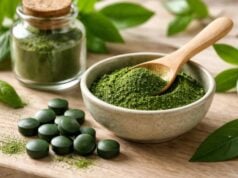
Cardamom (Elettaria cardamomum) is a fragrant spice from the ginger family, prized for its sweet, eucalyptus-like aroma and its long tradition of use for digestion and breath-freshening. Beyond the kitchen, cardamom’s essential oils and polyphenols have drawn modern interest for their potential roles in easing post-meal discomfort, supporting cardiometabolic markers, and moderating low-grade inflammation. Its chemistry is distinctive: tiny black seeds inside pale green pods hold concentrated volatile compounds that influence flavor and may also contribute to physiological effects.
Most people experience cardamom as a culinary ingredient, where it is generally well tolerated. Supplements, however, can deliver higher, more targeted doses—sometimes with effects that feel noticeable, and sometimes with no clear change at all. The difference often comes down to product type, dose, duration, and individual baseline health. This guide explains what cardamom is, what’s inside it, what benefits are realistic, how to use it in everyday life, and how to approach dosing and safety with the kind of caution that good health decisions deserve.
Top Highlights
- May ease bloating and post-meal heaviness when used consistently as a spice or tea.
- Some trials suggest modest improvements in inflammatory markers and blood pressure with supplemental doses.
- Typical supplemental ranges in studies are often around 1–3 g/day of ground green cardamom, commonly used for 8–16 weeks.
- High doses can aggravate reflux or cause stomach upset; essential oil should not be taken internally without professional guidance.
- Avoid concentrated supplements if pregnant, or if you have gallbladder disease or recurrent gallstones unless a clinician advises otherwise.
Table of Contents
- What is cardamom?
- Cardamom key ingredients
- What does cardamom help with?
- Best ways to use cardamom
- How much cardamom per day?
- Cardamom safety and interactions
- What the evidence actually says
What is cardamom?
Cardamom is the seed pod of Elettaria cardamomum, a tropical plant in the Zingiberaceae (ginger) family. The spice most people recognize as “cardamom” is green cardamom: pale green pods that contain small, aromatic black seeds. Those seeds are where most of the flavor lives—and where most of the bioactive compounds are concentrated. When you crush the seeds, you release volatile oils that give cardamom its signature profile: warm, sweet, resinous, and lightly cooling.
You may also encounter black cardamom, which comes from related species (often Amomum spp.). Black cardamom pods are larger, darker, and typically smoked or dried over heat, creating a bold, camphor-like, smoky flavor. For health discussions, it’s important to keep these types separate. The majority of clinical research and supplement products focus on green cardamom, and you should not assume black cardamom has identical effects at the same dose.
How it’s used traditionally
Across cuisines and traditional herbal systems, cardamom has been used for:
- Digestive comfort after heavy meals (bloating, gas, nausea-adjacent feelings)
- Breath freshening and oral comfort
- Warming “circulation” and post-meal sluggishness (a traditional framing that often overlaps with digestion)
These uses are plausible because cardamom’s volatile oils are concentrated, fast-acting in the senses, and closely tied to the gut-brain axis: aroma and taste can influence salivation, digestive secretions, and the perception of post-meal comfort.
Choosing and storing for potency
Cardamom’s effects—culinary and functional—depend on freshness. Ground cardamom loses aroma relatively quickly because volatile oils evaporate. For the best quality:
- Buy whole green pods when possible and grind seeds as needed.
- Store in an airtight container away from heat and light.
- If the aroma is faint, the functional “punch” is likely reduced too.
As a spice, cardamom is best understood as a daily micro-dose: small amounts used often, rather than one large, dramatic dose. Supplements can change that equation, which is why dosage and safety deserve their own sections.
Cardamom key ingredients
Cardamom’s “key ingredients” are primarily volatile essential-oil compounds plus a supporting cast of polyphenols and other phytochemicals. Together, they help explain why cardamom can feel both warming and lightly cooling, and why it’s often described as settling for the stomach.
Volatile oils: the core actives
The aroma compounds in green cardamom seeds include:
- α-terpinyl acetate (often a dominant contributor to the classic sweet-spicy aroma)
- 1,8-cineole (eucalyptol) (cooling, penetrating, and often linked to “clear” aromatic notes)
- Linalool and linalyl-related compounds (floral, calming-leaning aromatics)
- Limonene, sabinene, pinene, and myrcene (bright, resinous, and terpene-rich complexity)
These compounds don’t just influence flavor. Volatile oils can interact with the body through taste and smell pathways (which can influence digestive reflexes), and they may also have antimicrobial and anti-inflammatory activity in laboratory settings. In practical terms, this is why cardamom is traditionally used as a “mouth and stomach” spice: it can freshen the palate and support a comfortable post-meal state.
Polyphenols and antioxidant capacity
Cardamom also contains polyphenols that may support antioxidant defenses. Polyphenols are not unique to cardamom, but cardamom’s combination of polyphenols plus volatile oils is distinctive. This matters for modern research interest: oxidative stress and chronic low-grade inflammation are often measured in cardiometabolic studies, and cardamom is sometimes tested as a dietary adjunct.
Micronutrients: a minor role, but not irrelevant
As a spice, cardamom provides small amounts of minerals (such as manganese) and fiber, but these are not the main reason it’s studied for health outcomes. If you’re using cardamom for wellness, you’re primarily using it for phytochemicals, not as a major nutrient source.
Context: cardamom within the ginger family
Because it’s in the same botanical family, cardamom is frequently paired with other Zingiberaceae spices in both cooking and traditional practice. If you want a useful comparison point for digestive-active compounds, ginger’s active compounds and digestive uses offers a helpful contrast: ginger leans more pungent and warming, while cardamom is more aromatic and cooling-leaning, even when both support post-meal comfort.
What does cardamom help with?
Cardamom’s benefits are best described as practical and incremental rather than dramatic. For many people, the most noticeable effects show up in digestion and sensory comfort (breath, taste, “settled stomach”). For others, interest centers on cardiometabolic markers that may shift modestly over time with consistent use.
1) Digestive comfort after meals
Cardamom is commonly used for:
- Bloating and gas
- A heavy or “stuck” feeling after rich meals
- Mild nausea-adjacent sensations
- Post-meal sluggishness (especially when paired with warmth and movement)
A realistic expectation is better comfort, not a cure for chronic digestive disease. If you have persistent reflux, severe abdominal pain, or unexplained symptoms, cardamom should be viewed as supportive at most—not diagnostic or curative.
2) Breath and oral freshness
Chewing a few seeds can freshen breath quickly because aromatic terpenes release immediately. This is partly “sensory masking,” but aromatic compounds may also influence oral microbial balance in ways that are still being studied. Practically, it’s a low-stakes use that many people enjoy.
3) Cardiometabolic support (modest changes)
In research settings, green cardamom has been studied for potential effects on:
- Blood pressure (small average reductions in some analyses)
- Inflammatory markers (often modest improvements)
- Lipid-related markers (changes that can be statistically significant yet clinically small)
These outcomes typically require weeks to months and are more likely to show up with supplemental doses rather than culinary pinches.
4) Appetite and cravings (indirect, not guaranteed)
Cardamom’s intense aroma can influence appetite and food satisfaction. For some people it increases enjoyment of meals; for others it supports a “finished” feeling after eating. This is subtle and highly individual, but it can be useful if you’re building mindful eating routines.
Where cardamom is not a good match
- It is not a reliable stand-alone treatment for depression, panic disorder, or severe insomnia.
- It is not a substitute for blood pressure medication or diabetes care.
- It is not likely to resolve chronic constipation or IBS on its own.
If your main goal is digestive calm and you prefer a more direct gut-focused herb, comparing cardamom with peppermint for digestive comfort can help clarify fit: peppermint tends to be more immediately “gut-forward,” while cardamom often shines as a supportive spice used consistently.
Best ways to use cardamom
Cardamom is unusually flexible because you can use it as a culinary spice, a tea, or a supplement. The “best” approach depends on whether you want gentle daily support or a more targeted trial for a specific goal.
Culinary use: the most sustainable approach
For everyday wellness, culinary cardamom offers two advantages: consistency and safety. Easy ways to use it include:
- Adding crushed seeds to oatmeal, yogurt, or fruit
- Stirring ground cardamom into coffee or tea
- Using it in rice dishes, lentils, and soups for warmth without heat
- Baking with it alongside vanilla, citrus, or chocolate
A practical tip: if you use whole pods, lightly crush them to expose seeds, then remove the pod shell after steeping or cooking if you don’t enjoy the texture.
Cardamom tea: simple, gentle, and useful after meals
Tea is a good option when your goal is post-meal comfort. A straightforward method:
- Lightly crush 3–6 green pods (or crush ¼–½ teaspoon of seeds).
- Steep in hot water for 8–12 minutes.
- Drink warm, ideally after a meal that typically causes bloating.
You can adjust strength based on taste. If it feels too intense, reduce pods rather than shortening steep time; shorter steeping can pull less aroma but still leave a sharp edge.
Supplements: more concentrated, more variable
Supplements may use ground cardamom seed powder, extracts, or blends. If you choose this route, look for:
- Clear labeling in grams or milligrams per serving
- A defined plant part (seed or fruit/pod)
- Batch testing or quality standards when available
Supplements make the most sense when you want to test cardamom at doses similar to those used in trials (often around a few grams daily), and you’re willing to track changes over time.
Essential oil: useful aromatically, but not a casual ingestible
Cardamom essential oil is concentrated and should be treated with respect. Aromatic use (diffusion) may be enjoyable, but internal use is not a DIY practice. If you use essential oils on the skin, dilute appropriately and consider sensitivity testing.
Smart pairing: using cardamom in real life
Cardamom pairs well with other spices in ways that can support consistency. One classic approach is blending it into warming spice mixes with black pepper and cinnamon. If you want a better sense of how black pepper fits into spice-based routines, black pepper benefits and culinary uses provides context for why these pairings are common—and why “synergy” is often more about habits and palatability than dramatic pharmacology.
How much cardamom per day?
Cardamom dosing depends on whether you’re using it as a spice, a tea, or a supplement. A helpful way to think about it is in tiers: culinary use for daily baseline support, and supplemental use for a time-limited trial when you want measurable change.
Culinary ranges
As a food spice, common daily amounts are modest. Many people land somewhere around:
- ¼ to 1 teaspoon/day of ground cardamom (roughly, depending on grind and density)
- Or 3–10 pods/day, used across meals and beverages
These aren’t strict “therapeutic” doses; they are realistic cooking amounts that can still provide meaningful aromatic compounds over time.
Tea dosing
For tea, a typical approach is:
- 3–6 crushed pods per cup, steeped 8–12 minutes
- 1–2 cups per day, often after meals or in the evening
Tea is a good starting point if you want gentle digestive support without committing to capsules.
Supplement dosing: what studies often use
In clinical trials and meta-analyses, a frequently used dose of green cardamom powder is about 3 g/day, often divided with meals, and used for 8–16 weeks. Not every study uses the same preparation or population, but this “few grams daily” pattern shows up repeatedly in the research.
A reasonable, cautious adult strategy if you’re using a powdered supplement is:
- Start at 1 g/day with food for 3–7 days.
- Increase gradually toward 2–3 g/day if well tolerated.
- Track outcomes you actually care about (post-meal comfort, home blood pressure readings, sleep quality, cravings) rather than looking for vague “detox” feelings.
Timing: when to take it
- For digestion: take with or after meals.
- For breath: chew seeds after eating or drinking coffee.
- For cardiometabolic goals: consistency matters more than time of day; taking with meals improves tolerance for many people.
How long to trial it
A fair trial for digestion may be 1–2 weeks. For blood pressure or inflammatory markers, trials typically run longer—often 8+ weeks. If you don’t notice any benefit after a consistent trial, it may simply not be the right tool for your body or your goal.
If your primary goal is cholesterol support, remember that spices tend to act as supportive levers, not primary interventions. It can help to compare expectations with more direct dietary tools like artichoke’s digestive and lipid-related benefits, then decide whether cardamom belongs in your routine as a complement rather than a centerpiece.
Cardamom safety and interactions
For most people, cardamom used in food is safe and well tolerated. Safety questions become more relevant when you move into concentrated supplements, essential oils, or high daily doses. The good news is that many side effects are predictable and avoidable when you treat cardamom like a potent spice rather than a harmless powder.
Common side effects
Potential side effects are usually mild and may include:
- Stomach upset, nausea, or loose stools (more likely with higher doses)
- Heartburn or reflux irritation in sensitive individuals
- Headache or “too aromatic” sensations (rare, but possible)
If cardamom worsens reflux, reduce the dose or shift to using it only with food rather than on an empty stomach.
Gallbladder considerations
People with gallbladder disease or recurrent gallstones should be cautious with concentrated spice supplements. Cardamom is sometimes discussed as a digestive stimulant, and stimulating bile flow is not always desirable when gallbladder issues are active. Culinary amounts are typically fine for many people, but high-dose supplementation should be discussed with a clinician if you have known gallbladder problems.
Medication interactions: what to watch
Cardamom is not known for a large interaction profile at culinary doses, but caution makes sense when:
- You take blood pressure medication and plan to use high-dose supplements (monitor for lightheadedness).
- You take glucose-lowering medication and use concentrated doses (track blood sugar trends if relevant).
- You take anticoagulants or antiplatelet drugs (interaction risk is not well established, but caution is reasonable with concentrated supplements, especially before surgery).
If you have surgery scheduled, it is wise to disclose supplement use, and consider pausing concentrated herbal supplements in advance as directed by your surgical team.
Pregnancy, breastfeeding, and children
- Pregnancy: culinary use in food is commonly considered acceptable, but avoid high-dose supplementation unless a clinician specifically advises it.
- Breastfeeding: use food amounts; avoid concentrated extracts unless professionally guided.
- Children: culinary amounts are generally fine; avoid supplement dosing without pediatric guidance.
Essential oil safety
Cardamom essential oil is highly concentrated. Do not treat it as interchangeable with the spice. Avoid internal use unless you are under qualified professional supervision, and keep essential oils away from children and pets.
A simple safety rule: if you enjoy cardamom, start with food-level use. Only consider supplements if you have a clear goal, a measurable dose, and a plan to stop if side effects appear.
What the evidence actually says
Cardamom research has grown, but it still sits in a middle zone: promising signals, modest effect sizes, and important limitations. The best evidence is not that cardamom “treats” a disease, but that green cardamom supplementation may modestly improve certain markers in specific populations over weeks to months.
What recent reviews and meta-analyses suggest
Recent systematic reviews and meta-analyses of randomized trials commonly report small improvements in some combination of:
- Inflammatory markers (such as hs-CRP, IL-6, and TNF-α)
- Blood pressure (often modest average reductions)
- Lipid-related markers (some improvements in total cholesterol and triglycerides in pooled analyses)
These findings can be encouraging if you view cardamom as a supportive dietary tool. They are less impressive if you expect medication-level changes. A modest shift can still matter when it helps people stick with broader lifestyle changes, but it should not be oversold.
What individual trials show
Individual studies often focus on specific groups—such as people with metabolic concerns or women with PCOS—using doses around a few grams daily for several months. In some trials, cardamom is paired with a broader intervention (like a calorie-controlled diet), which makes real-world sense but complicates interpretation: the benefit may come from the overall program, with cardamom acting as an additional nudge rather than the main driver.
Key limitations to keep in mind
- Population clustering: many trials come from limited geographic regions, which may affect generalizability.
- Short duration: most studies run weeks to a few months, not years.
- Product variability: “cardamom” can mean different preparations with different phytochemical profiles.
- Outcome focus: markers move more easily than clinical endpoints; fewer studies track long-term outcomes people care most about.
How to use evidence wisely
A good evidence-based approach looks like this:
- Choose cardamom for goals it plausibly supports (digestion, mild cardiometabolic support, culinary consistency).
- Use it as part of a broader plan (diet quality, sleep, activity, stress management).
- If supplementing, run a time-limited trial with a measured dose and clear stopping rules.
In other words, cardamom is best viewed as a high-value, low-drama tool: a spice with credible biological activity, a generally favorable culinary safety profile, and a research base that supports cautious optimism—without justifying hype.
References
- Cardamom consumption may improve cardiovascular metabolic biomarkers in adults: A systematic review and meta-analysis of randomized controlled trials 2024 (Systematic Review and Meta-Analysis)
- Effect of cardamom consumption on inflammation and blood pressure in adults: A systematic review and meta‐analysis of randomized clinical trials 2023 (Systematic Review and Meta-Analysis)
- Effect of cardamom supplementation on a number of metabolic factors: A systematic review and meta-analysis 2022 (Systematic Review and Meta-Analysis)
- Green cardamom plus low-calorie diet can decrease the expression of inflammatory genes among obese women with polycystic ovary syndrome: a double-blind randomized clinical trial 2022 (RCT)
Disclaimer
This article is for educational purposes only and does not provide medical advice. Cardamom used in food is generally well tolerated, but concentrated supplements and essential oils can cause side effects and may not be appropriate for everyone. Talk with a qualified healthcare professional before using cardamom supplements if you are pregnant or breastfeeding, have gallbladder disease, experience frequent reflux, have a chronic medical condition, or take prescription medications (especially for blood pressure, blood sugar, or blood clotting). Seek medical care for persistent digestive symptoms, unexplained pain, or any sudden worsening of health.
If you found this guide helpful, please share it on Facebook, X (formerly Twitter), or your preferred platforms so others can make better-informed choices.