Catmint (Nepeta cataria) is an aromatic mint-family herb best known for its effect on cats, but it has a long, quieter history in human herbalism. Traditionally prepared as a tea or tincture, catmint has been used for gentle calming, occasional digestive discomfort, and the “wired but tired” feeling that can come with stress. It also contains distinctive plant compounds—especially nepetalactones—that give it a unique scent and may explain why it has drawn interest as a natural insect repellent.
If you are considering catmint for wellness, it helps to think of it as a mild, supportive herb rather than a fast-acting remedy. Many people use it in the evening to unwind, after meals to settle the stomach, or during seasonal discomfort for comfort. This guide walks through what catmint is, what’s in it, how people use it, typical dosage ranges, and the key safety cautions that matter most.
Quick Overview
- May support relaxation and easier wind-down in the evening when used as a warm tea.
- Can be soothing for occasional bloating or mild cramping after meals.
- Typical adult tea range: 1–2 g dried herb per cup, up to 2–3 cups daily.
- Avoid medicinal doses during pregnancy due to potential uterine stimulation.
- People using sedatives, sleep medicines, or heavy alcohol intake should avoid or use only with clinician guidance.
Table of Contents
- What is catmint and what’s in it?
- Catmint benefits you can expect
- How catmint may work
- Best ways to use catmint
- How much catmint per day
- Catmint safety and interactions
- What the evidence actually says
What is catmint and what’s in it?
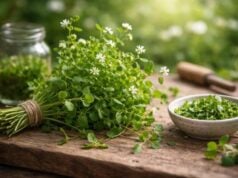
Catmint (Nepeta cataria) is a member of the mint family (Lamiaceae). In everyday language, “catmint” can refer to several Nepeta species, including ornamental garden varieties. Nepeta cataria is also commonly called catnip, and it’s the species most often discussed in traditional herbal use for people. The aerial parts—leaves and flowering tops—are typically used. They can be brewed fresh or dried, with a flavor that is mildly minty, herbal, and sometimes slightly bitter.
What makes catmint distinctive is its volatile oil profile. The best-known compounds are nepetalactones, a group of iridoid monoterpenes. These are largely responsible for the plant’s characteristic odor and are closely tied to its insect-repellent interest. Catmint may also contain related iridoid compounds (such as nepetalic acid derivatives), plus other terpene constituents that vary with growing conditions, harvest timing, and the plant’s “chemotype” (its naturally dominant chemical pattern).
Alongside volatile oils, catmint contains polyphenols (including rosmarinic-acid-type compounds common in the mint family), flavonoids, and tannins. This broader mix matters because people rarely experience one isolated compound; they experience the combined effect of aroma, warmth from a tea, and a range of plant constituents that can support comfort in different ways.
Quality and preparation influence what you actually get. A strong-smelling dried herb with a green color generally indicates better preservation of aromatic compounds than a dull, dusty product. Tea emphasizes water-soluble compounds and the sensory ritual of drinking something warm, while tinctures can capture more of the aromatic fraction. If you already respond well to mint-family herbs like peppermint for digestive comfort, catmint may feel familiar—just softer and more “relaxing” in its character.
Catmint benefits you can expect
Catmint is best approached as a gentle, supportive herb. People typically reach for it when they want a mild nudge toward relaxation, not a strong sedative effect. The most common traditional uses fall into a few practical buckets.
1) Stress and tension support (especially evening wind-down).
Catmint tea is often used when the mind feels busy but you want to settle without feeling “knocked out.” Many people describe the effect as subtle: muscles unclench a little, breathing feels easier, and it becomes simpler to transition into rest. If you are already building good sleep habits—dim lights, consistent bedtime, less late caffeine—catmint may work as a calming layer rather than a standalone fix.
2) Occasional sleep support.
Catmint is sometimes used 30–60 minutes before bed. The goal is not forced sleep, but a smoother “off-ramp” from the day. If insomnia is severe, persistent, or linked to mood symptoms, catmint may be too mild on its own. In that situation, it can still be useful as part of a broader plan: relaxation skills, consistent timing, and addressing underlying triggers.
3) Digestive comfort (bloating, gassiness, mild cramping).
Traditional herbalism often describes catmint as carminative and soothing—meaning it may help the gut feel less cramped and unsettled. People commonly use it after a heavy meal or when stress shows up as a “tight stomach.” This is one of the most practical, low-stakes ways to try catmint because you can evaluate it quickly: do you feel more comfortable within an hour or two?
4) Seasonal comfort and “warming” support.
Catmint has been used in folk traditions during seasonal discomfort, especially when restlessness, a scratchy throat, or body tension makes it harder to relax. In these contexts, catmint is usually not the “main event.” Instead, it plays a supportive role: hydration, warmth, and comfort.
5) Menstrual and muscle tension comfort (mild).
Some people use catmint when cramps are mild and stress-related tension is high. The expectation should be modest—think “a little easier,” not dramatic pain relief.
If you want a similar calming tea with a longer track record in everyday use, chamomile as a bedtime infusion is a common comparison. Catmint can be a good alternative when you want something herbal and mild, or when you like rotating calming teas rather than relying on one option.
How catmint may work
Catmint’s effects are usually described in the language of tone and comfort: calming the nervous system, easing tension in the gut, and supporting rest. While traditional use guides much of what people do with catmint, there are a few plausible ways it may work—without over-promising certainty.
Aromatic nervous system signaling.
A big part of catmint is its volatile oil. When you brew tea, you inhale the aroma before you even take a sip. Smell is tightly linked to the limbic system (the brain’s emotion and memory network), which is why aromatic herbs can feel calming quickly even when the biochemical effects are mild. This doesn’t mean “it’s all placebo.” It means the route of experience includes sensory pathways that matter.
Smooth muscle comfort (gut and possibly uterine tissue).
Many mint-family herbs are traditionally used for cramping and digestive discomfort. Catmint’s traditional reputation for easing colic-like discomfort suggests it may support smooth muscle relaxation in the gastrointestinal tract. Practically, this could look like reduced “grip” or spasm feeling, less bloating pressure, and a calmer after-meal sensation. The same general concept is also why pregnancy cautions exist: anything that may influence smooth muscle tone can be a concern in sensitive situations.
Antioxidant and anti-inflammatory potential.
Catmint contains polyphenols and other compounds that, in lab settings, are often associated with antioxidant behavior. In real life, the question is dose and relevance: a cup of tea is not a high-dose supplement. Still, consistent intake of polyphenol-containing herbs can be a gentle way to support a diet pattern that favors plant compounds.
Thermal and comfort effects during seasonal discomfort.
Warm tea itself can relax the throat, encourage hydration, and promote a calmer baseline. Catmint has also been described in folk use as “warming” and comfort-promoting, which may relate more to how it’s used (hot infusions, rest, relaxation) than to a single isolated compound.
Insect-repellent signaling (primarily topical use).
Nepetalactones have drawn interest because insects rely heavily on smell-based navigation. Catmint-derived aromatic compounds may interfere with those cues, making it harder for mosquitoes and other insects to orient toward a host. For people, this is less about “internal” use and more about topical or environmental applications—always with careful attention to skin sensitivity and proper dilution.
In short, catmint is most consistent with a gentle calming and soothing profile. If you try it, you’ll usually learn more from timing and context (evening vs midday, after meals vs empty stomach) than from chasing a single “active ingredient” number.
Best ways to use catmint
Catmint is flexible: you can treat it like a tea herb, a culinary aromatic, or a tincture-style botanical. The “best” method depends on your goal—relaxation, digestion, or occasional seasonal comfort.
Tea (infusion) for relaxation and digestion
Tea is the most approachable form and the easiest to fine-tune.
- Use dried leaf and flowering tops (or fresh, if available).
- Pour hot water over the herb, cover, and steep. Covering matters because the aroma compounds can evaporate quickly.
- Many people prefer catmint after dinner (digestive comfort) or 30–60 minutes before bed (wind-down).
If you want a gentle evening blend, catmint is often paired with other calming herbs. A simple option is to rotate it with lemon balm tea for stress support so you can notice which one fits your body and routines best.
Tincture or glycerite for convenience
A tincture can be useful if you don’t want a full cup of tea or you’re traveling. It also makes dose adjustments easier: you can start low, see how you feel, and increase gradually. Because tinctures vary by strength, the label matters (ratio and alcohol percentage are helpful details).
Capsules for people who dislike herbal taste
Capsules are less ritual-based and more “supplement-like.” They may be useful for people who want a consistent intake without dealing with flavor. The tradeoff is that capsules don’t give you the aromatic experience that many people find central to catmint’s calming feel.
Topical and environmental use (cautious)
Catmint is sometimes used in topical applications (compresses) or in insect-repellent contexts. If you use any essential oil product, keep it external and well diluted, avoid eyes and mucous membranes, and do a small patch test first. For many people, the safest approach is to treat catmint as a tea herb and use separate, well-formulated products for insect protection.
Practical “how to tell it’s working” tips
Because catmint is subtle, use clear signals:
- For sleep: track “time to unwind” and “how restless you feel,” not just total hours.
- For digestion: note bloating pressure, cramping, and comfort within 1–2 hours after use.
- For stress: notice jaw/shoulder tension, breathing ease, and irritability.
If you feel nothing, you can adjust dose modestly or change timing. If you feel too drowsy, reduce dose, move it earlier, or reserve it for evenings only.
How much catmint per day
There is no single “official” catmint dosage that fits everyone. Herbal products vary widely in potency, and your ideal amount depends on your sensitivity, your goal (sleep vs digestion), and how you’re using it. The safest approach is to start low, go slow, and keep it consistent for a few days before deciding whether it helps.
Typical adult tea range
A common, practical range is:
- 1–2 g dried catmint per cup (about 240 ml / 8 oz)
- Steep 10–15 minutes, covered
- Drink 1 cup once daily to start
- If tolerated, increase to 2–3 cups daily, usually spaced out (after meals or evening)
For sleep-focused use, many people do best with one stronger cup in the evening rather than multiple cups throughout the day—especially if daytime drowsiness is a concern.
Tincture range (general guidance)
Because tinctures differ, follow label directions. A commonly used adult range for many herbal tinctures is:
- 1–3 ml, up to 2–3 times per day
If you’re using it for sleep, you might use a single dose 30–60 minutes before bed. If you’re using it for digestion, a smaller dose after meals may be enough.
Capsules and extracts
Capsules vary in strength and extraction method. Many products fall in a broad range such as:
- 300–600 mg, 1–2 times per day, adjusting based on response
Avoid stacking multiple catmint products (tea + capsules + tincture) at full strength until you know how you respond.
How long can you use it?
For occasional stress or sleep support, catmint is often used as needed (a few nights a week) or in short stretches (1–2 weeks) during higher-stress periods. If you find yourself relying on it nightly for months, that’s a useful signal to reassess sleep foundations and possible underlying causes.
When to take it
- For relaxation: late afternoon or evening
- For sleep: 30–60 minutes before bed
- For digestion: after meals or when discomfort begins
If you want a stronger, more clinically familiar sleep herb, valerian is often used for deeper sedation, while catmint is generally positioned as a gentler option.
Catmint safety and interactions
Catmint is widely considered a low-risk herb when used in typical food and tea amounts, but “natural” does not automatically mean “safe for everyone.” Safety depends on dose, form (tea vs essential oil), and your health context.
Common side effects
Most side effects—when they occur—are mild and dose-related:
- Drowsiness or feeling “too relaxed”
- Headache (occasionally, especially with strong infusions)
- Upset stomach or nausea (more likely on an empty stomach)
- Skin irritation if topical products are concentrated or poorly diluted
If you feel groggy the next morning, lower the dose, steep for less time, or move your use earlier in the evening.
Who should avoid catmint (or use only with clinician guidance)
- Pregnant people: Avoid medicinal doses. Catmint has a traditional reputation for stimulating menstruation or affecting uterine tone.
- Breastfeeding: Safety data are limited; avoid concentrated forms unless a clinician familiar with herbal use approves.
- Young children: Avoid concentrated tinctures or essential oil products; if used at all, keep to very mild tea amounts and consult a pediatric clinician.
- People with known mint-family allergies: If you react to other Lamiaceae plants, use caution.
Medication and supplement interactions
The most practical interaction concern is additive sedation. Use caution (or avoid) if you take:
- Sleep medications
- Anti-anxiety medicines that cause drowsiness
- Sedating antihistamines
- Alcohol in moderate-to-large amounts
- Other strongly sedating herbs or supplements
If you need full alertness for driving, operating equipment, or safety-sensitive work, test catmint only at home first.
Essential oil caution
Catmint essential oil is highly concentrated and should not be treated like tea. Avoid oral use unless under professional supervision. For topical use, keep dilution low, patch test, and avoid eyes and mucous membranes. Store essential oils away from children and pets.
When to stop and seek help
Stop using catmint and seek medical advice if you develop hives, swelling, wheezing, severe dizziness, fainting, or persistent gastrointestinal symptoms. Also seek help if sleep problems persist for more than a few weeks, especially if paired with mood changes, loud snoring, breathing pauses, or daytime impairment.
What the evidence actually says
Catmint sits in an interesting place: it is widely known, widely used in folk traditions, and chemically distinctive—yet human clinical research for stress and sleep remains limited. That doesn’t make it useless; it just changes how you should interpret the claims.
Where the evidence is stronger
Modern research has paid serious attention to catmint’s chemical profile and its insect-repellent potential, especially around nepetalactone-rich essential oil. Laboratory and controlled repellence testing suggests catmint-derived compounds can meaningfully affect insect behavior. This supports the idea that catmint is not merely “folklore”—it contains compounds with real biological activity.
Where the evidence is moderate
Studies examining extracts and essential oils often show antimicrobial or antioxidant signals in lab settings. These findings are useful for understanding what’s in the plant, but they do not automatically translate into “treats infections” or “reduces inflammation” in humans at tea-level dosing. Real-life effects depend on absorption, dose, and individual variability.
Where the evidence is weakest (and why that matters)
For sleep, anxiety, and digestive comfort, most guidance still leans on traditional use, small-scale studies, and indirect evidence from related plants. That’s why it’s important to keep expectations realistic and evaluate your response with simple tracking.
A practical way to use the evidence
If your goal is gentle relaxation, catmint is reasonable to try because it’s generally well tolerated in typical tea amounts and easy to dose. Use it like a personal experiment:
- Choose one goal (sleep wind-down or digestion).
- Use one form (tea is simplest).
- Keep timing consistent for 3–7 days.
- Note changes you can actually feel: tension, restlessness, bloating, comfort.
If you see no benefit, that’s useful information. Catmint may simply not be the right fit for you, or you may need a different approach (sleep hygiene, stress skills, or an evidence-backed medication plan). If you do see benefit, you’ve found a low-intensity tool you can keep in rotation—especially during stressful weeks or after heavy meals.
Ultimately, catmint is best framed as a supportive herb with promising chemical research and long-standing traditional use, rather than a proven treatment for any specific medical condition.
References
- The genus Nepeta: Traditional uses, phytochemicals and pharmacological properties 2021 (Review)
- Investigation of Volatile Iridoid Terpenes in Nepeta cataria L. (Catnip) Genotypes 2022
- Phytochemical profiling of antimicrobial and potential antioxidant plant: Nepeta cataria 2022
- Evaluating repellence properties of catnip essential oil against the mosquito species Aedes aegypti using a Y-tube olfactometer 2024
- A Safer Alternative Bio-Repellent: Targeting Mosquito Odorant-Binding Proteins with Catnip-Derived Nepetalactones from Nepeta cataria Leaves 2026
Disclaimer
This article is for educational purposes and does not replace personalized medical advice. Herbal products can vary widely in strength and purity, and “natural” ingredients can still cause side effects or interact with medications. If you are pregnant, breastfeeding, managing a chronic condition, or taking prescription medicines—especially sedatives or sleep medications—talk with a qualified healthcare professional before using catmint. Seek medical care promptly for severe allergic reactions, persistent symptoms, or sleep problems that interfere with daily function.
If you found this guide helpful, consider sharing it on Facebook, X (formerly Twitter), or your favorite platform so others can read it too.