CBD has moved from niche wellness shelves into the mainstream, especially among people looking for calmer mood, better sleep, sharper stress recovery, or gentler support than traditional cannabis products. But interest has outrun certainty. Cannabidiol does not produce the classic intoxicating high linked with THC, yet that does not make it simple, risk-free, or clearly effective for every brain-health goal people hope it will meet. Research is strongest in a narrow medical setting, while evidence for anxiety, sleep, cognition, and everyday mental wellness is still developing and often mixed.
That gap matters. A helpful CBD guide should separate promising signals from proven uses, explain how dosing differs across products, and make safety practical rather than alarmist. This article covers how CBD may affect the brain, where it may help, where claims get ahead of the science, how to use it more carefully, and what side effects and interactions deserve real attention.
Table of Contents
- How CBD Acts in the Brain
- Possible Benefits for Mental Wellness
- What CBD May and May Not Help
- Dosage, Forms, and How to Start
- Side Effects and Drug Interactions
- How to Choose a Safer Product
How CBD Acts in the Brain
CBD affects brain function in a broad, indirect way. Unlike THC, it does not mainly work by strongly stimulating the CB1 receptor that drives intoxication, altered perception, and the typical cannabis high. Instead, CBD appears to influence several signaling systems at once. These include parts of the endocannabinoid system, serotonin signaling, inflammatory pathways, stress-related circuits, and ion channels involved in neuronal excitability.
That helps explain why CBD attracts attention for such different targets: anxiety, sleep, seizure control, inflammation, pain, and neuroprotection. In the brain, researchers are especially interested in a few recurring patterns.
- Stress and fear processing: CBD may alter activity in circuits involving the amygdala, hippocampus, and prefrontal cortex, which help shape threat detection, emotional learning, and recovery after stress.
- Serotonin-related effects: Some of its anxiolytic potential may involve 5-HT1A signaling, a pathway already familiar in anxiety research.
- Inflammation and oxidative stress: Preclinical work suggests CBD may reduce inflammatory signaling and oxidative damage, both of which matter in long-term brain health.
- Neuronal balance: CBD may influence calcium flow and other mechanisms tied to excitability, which is one reason it has established medical use in certain seizure disorders.
This is also why “brain health” claims around CBD can sound convincing even when clinical proof is still incomplete. A compound can affect pathways that matter to cognition or mood without producing a reliable real-world benefit in healthy adults. That distinction is important. Changes in blood flow, brain connectivity, or laboratory markers do not automatically translate into better memory, better focus, or lower stress in daily life.
Another point that gets lost in marketing is that CBD’s effects are highly context-dependent. Dose matters. Formulation matters. Food intake matters. Individual biology matters. A 10 mg gummy, a 50 mg softgel, and a high-dose prescription liquid are not interchangeable. The same person can also respond differently depending on whether they are using CBD for situational anxiety, chronic insomnia, pain-related sleep disruption, or a medical condition involving multiple drugs.
So what should readers take from the mechanism story? CBD is biologically active, and its brain effects are plausible. It is not a placebo ingredient dressed up in science language. But it is also not a precision “brain booster.” The best current view is more grounded: CBD is a pharmacologically interesting compound with real effects, meaningful uncertainty, and a stronger evidence base for some uses than others.
Possible Benefits for Mental Wellness
Most people do not go looking for CBD because they want to understand receptor pharmacology. They want to feel better. In practice, the main mental-wellness reasons people try CBD are anxiety, stress, sleep difficulty, irritability, and a general sense of being mentally “switched on” in an uncomfortable way.
The most encouraging human evidence so far is in anxiety. Small clinical studies and recent reviews suggest CBD may reduce anxiety symptoms in some settings, especially social or situational anxiety. In research, this often shows up as lower subjective anxiety during stressful tasks, reduced anticipatory distress, or calmer emotional reactivity. For people dealing with persistent tension, racing thoughts, or the physical edge of stress, that is the signal that has generated the most interest.
Still, promising is not the same as settled. Anxiety studies remain relatively small, dosing varies a lot, and results are not equally strong across all anxiety disorders. CBD should not be framed as a proven standalone treatment for generalized anxiety disorder, panic disorder, or trauma-related symptoms. Anyone with severe or function-limiting symptoms still needs proper evaluation, especially if they already struggle with anxiety symptoms and triggers that interfere with work, sleep, or relationships.
Sleep is another common reason people reach for CBD, but the picture is mixed. Some people report that CBD helps them settle at night, particularly when stress, pain, or hyperarousal is the real sleep barrier. Others notice little change. Some even feel more alert. That variation makes sense because CBD is not simply a sedative. It may help sleep indirectly in some people by lowering pre-sleep tension rather than by strongly pushing the brain into sleep mode.
Other mental-wellness claims deserve more caution:
- Mood support: There is not enough good human evidence to say CBD reliably treats depression.
- Focus and cognition: Marketing often implies sharper concentration or clearer thinking, but direct evidence for cognitive enhancement in healthy people remains limited.
- Emotional steadiness: Some users describe feeling less reactive, but this is not the same as proven treatment for mood instability.
- Recovery support: Early interest exists around craving, withdrawal-related stress, and substance use disorders, but CBD is not established care for addiction treatment.
The practical takeaway is that CBD may be most useful when mental strain has a strong stress or anxiety component. Someone who is wired, tense, restless, or stuck in a cycle of anticipatory stress may be more likely to notice a benefit than someone expecting a dramatic memory upgrade or a fast antidepressant effect.
That is a narrower promise than many labels suggest, but it is also more honest. CBD may support mental wellness for some people, especially around stress reactivity and anxiety. It is far less convincing as a general-purpose cure for every brain and mood complaint.
What CBD May and May Not Help
When people search for CBD and brain health, they are often asking several different questions at once. Can it calm me down? Help me sleep? Protect my brain long term? Improve memory? Support recovery from burnout, alcohol use, or chronic stress? The most useful answer is not yes or no. It is where the evidence is strongest, where it is early, and where claims outrun proof.
What CBD may help with:
- Situational or stress-linked anxiety
This is the best-supported non-epilepsy use so far. CBD may reduce anxiety during stressful experiences such as public speaking, social performance, or acute emotional strain. - Sleep problems driven by stress
If someone cannot settle because their nervous system feels overactivated, CBD may help indirectly. That is different from saying it is a proven insomnia treatment. People trying to improve both rest and mood should also look closely at the bigger picture around sleep and mental health, because no supplement can fully compensate for chronic sleep disruption. - Seizure disorders in specific medical settings
This is where CBD has the clearest established role. Prescription cannabidiol is used for certain rare epilepsies under medical supervision. That does not mean store-bought CBD oils are interchangeable with prescription treatment. - Possibly some psychiatric or neurologic symptoms
Researchers are studying CBD in psychosis risk states, substance use disorders, and neurodegenerative conditions. There are interesting signals, but not enough for broad consumer claims.
What CBD may not reliably help with:
- Better memory in healthy adults
- Sharper concentration on demand
- Depression as a proven primary treatment
- Dementia prevention
- Bipolar disorder self-management
- Replacement for therapy, sleep treatment, or addiction care
This is especially important in an addictions-focused context. Some people use CBD as part of an effort to drink less, sleep better during recovery, or reduce stress that triggers relapse. That may be understandable, and early research has explored craving and cue reactivity. But CBD should be viewed as experimental support, not as core treatment. It does not replace therapy, medication-assisted treatment, relapse prevention work, or medical care for withdrawal and co-occurring psychiatric symptoms.
A more realistic way to think about CBD is this:
- It may help downshift arousal.
- It may help some people feel less keyed up.
- It may support comfort and recovery when stress is a major driver.
- It is not a guaranteed fix for low mood, brain fog, poor focus, or complex mental illness.
That realism protects people from two common mistakes: dismissing CBD as useless when it is actually helpful for a narrower purpose, or expecting it to do far more than the evidence supports. Used thoughtfully, CBD may fit into a broader mental-wellness plan. Used as a substitute for diagnosis or treatment, it can delay better care.
Dosage, Forms, and How to Start
CBD dosing is one of the most confusing parts of the topic because the numbers on the market range from tiny to extremely high. A consumer oil may provide 5 to 25 mg per serving. Research studies on anxiety often use much larger single oral doses, commonly in the hundreds of milligrams. Prescription cannabidiol for epilepsy is weight-based and medically monitored. Those are completely different use cases.
That means there is no single “brain health dose” for CBD. Anyone promising one is oversimplifying.
For everyday self-use, the safer mindset is start low, go slowly, and judge effect before increasing. A cautious, practical approach often looks like this:
- Start with the lowest clearly labeled dose, often around 5 to 10 mg once daily.
- Hold that dose for several days rather than increasing after one try.
- If needed and tolerated, raise by small increments such as 5 to 10 mg.
- Stop increasing if you develop side effects, next-day grogginess, stomach upset, or no meaningful benefit.
- Reassess after 2 to 4 weeks. If nothing has changed, more may not be better.
Forms matter too.
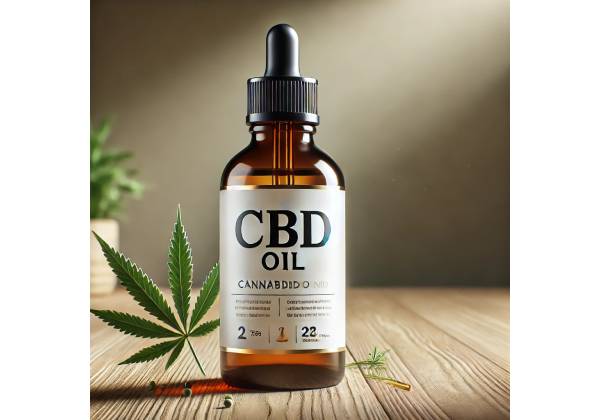
- Oils and tinctures: Flexible dosing, often easier for fine adjustments.
- Capsules and softgels: More convenient and consistent per dose.
- Gummies: Easy to use but sometimes less precise and often loaded with sugar or extra ingredients.
- Beverages: Usually low dose and not ideal for careful titration.
- Vapes: Faster onset but harder to dose well and not a wise default for routine wellness use.
Timing depends on the goal. Some people use CBD in the evening if the target is unwinding or better sleep onset. Others take it earlier if daytime stress is the problem. If a product makes you drowsy, nighttime use is more sensible. If it makes you feel alert or unchanged, moving it earlier may help.
Absorption is another overlooked issue. Oral CBD has variable bioavailability, and food can meaningfully change how much is absorbed. That is why the same dose can feel different depending on whether you take it on an empty stomach or with a meal. Consistency matters more than perfection. Try to take it the same way each time so you can judge response more honestly.
One more practical rule: do not compare CBD with other calming products as if all supplements behave the same. A person who has used magnesium, melatonin, or l-theanine for anxiety and sleep may assume CBD should feel similar. It often does not. CBD tends to be subtler, more variable, and more dependent on context, dose, and product quality.
Side Effects and Drug Interactions
CBD is often marketed with a “natural means harmless” tone. That is one of the least useful ways to think about it. CBD is active enough to change brain and liver-related processes, which means it can cause side effects and can also interfere with other medications.
Common side effects are usually mild to moderate, but they are real. The ones reported most often include:
- sleepiness or fatigue
- diarrhea or stomach upset
- nausea
- dry mouth
- reduced appetite
- dizziness
- changes in alertness
- irritability or agitation in some users
For some people, the main issue is not obvious discomfort but subtle impairment. They feel a bit heavier, slower, or less sharp the next day. That matters if you drive, work in a safety-sensitive role, or already feel cognitively stretched.
The bigger concern is interactions. CBD is metabolized in the liver and can affect enzymes that process many medications. That raises the chance that CBD changes how strongly another drug works, or that another drug changes how strongly CBD works. The risk is more than theoretical.
Extra caution is warranted with:
- seizure medicines
- blood thinners
- sedatives and sleeping pills
- benzodiazepines
- some antidepressants and antipsychotics
- medicines that already stress the liver
Combining CBD with alcohol or other sedating substances can increase drowsiness and impair coordination. If someone already struggles with alcohol, sleep, and anxiety, this overlap deserves serious attention. The goal should be less nervous-system chaos, not stacking multiple downers and hoping for calm.
CBD is also not a good self-experiment for everyone. People who should be especially cautious, or avoid it unless a clinician advises otherwise, include:
- those who are pregnant or breastfeeding
- children and adolescents using non-prescription products
- people taking regular prescription medication
- people with liver disease
- anyone with a history of allergic reaction to cannabis-derived products
- people with severe depression, bipolar symptoms, psychosis, or suicidal thinking who need proper treatment rather than supplement trial-and-error
Another practical point: “feeling fine” does not rule out risk. Some safety concerns, including liver-related issues, may not be obvious right away. That is one reason higher-dose or long-term use should not be casual, especially when medications are involved.
The safest framing is simple. CBD may be reasonably tolerated by many adults, especially at lower doses, but it is not consequence-free. The more medical complexity a person has, the less sensible it is to treat CBD like a routine wellness snack.
How to Choose a Safer Product
Even if CBD itself is the topic, the real-world experience often depends just as much on the product as the ingredient. The market is full of oils, gummies, capsules, drinks, and “calm” blends that look polished but vary widely in strength, purity, and honesty. A safer CBD choice starts with skepticism.
Look for these basics before buying:
- Third-party testing: The product should have a recent certificate of analysis from an independent lab.
- Batch-specific results: Testing should match the batch you are buying, not a generic report from years ago.
- Clear CBD amount: The label should state total CBD and CBD per serving.
- THC disclosure: Full-spectrum products may contain small amounts of THC. That may matter for sensitivity, side effects, or drug testing.
- Simple ingredient list: Fewer extras usually make it easier to judge what is helping or causing side effects.
- Company transparency: Reputable brands explain source material, extraction, and testing in plain language.
The label language also matters. Be wary of products that promise to treat depression, PTSD, dementia, ADHD, addiction, or “brain inflammation” with certainty. Those are not signs of a more advanced formula. They are often signs of weaker quality control and more aggressive marketing. This caution applies to CBD just as much as it does to the broader world of nootropics and brain boosters.
It also helps to know the common product categories:
- CBD isolate: Contains CBD only. Best if you want to avoid THC exposure.
- Broad-spectrum CBD: Contains CBD plus other cannabinoids or terpenes, but usually no THC.
- Full-spectrum CBD: Includes a broader range of plant compounds and may contain trace THC.
None of these is automatically best. People who are sensitive to THC, subject to drug testing, or prone to feeling overstimulated often prefer isolate or broad-spectrum products. People who believe they respond better to a fuller hemp extract may choose full-spectrum, but they should understand the tradeoff.
A short buying checklist can prevent a lot of disappointment:
- Decide your goal first: anxiety, sleep support, stress recovery, or something else.
- Choose one product form only.
- Buy the smallest size that still provides a clear serving amount.
- Avoid “stacked” formulas with melatonin, kava, valerian, and multiple botanicals unless you already know how you respond.
- Track dose, timing, benefits, and side effects for at least two weeks.
CBD is most useful when used deliberately, not impulsively. A clean label, modest starting dose, and realistic expectation will take most people farther than a trendy product with vague claims about instant calm and total brain optimization.
References
- Cannabidiol and brain function: current knowledge and future perspectives 2024 (Review)
- Therapeutic potential of cannabidiol (CBD) in anxiety disorders: A systematic review and meta-analysis 2024 (Systematic Review and Meta-Analysis)
- Using Cannabis and CBD to Sleep: An Updated Review 2024 (Review)
- Update on Cannabidiol Clinical Toxicity and Adverse Effects: A Systematic Review 2023 (Systematic Review)
- Cannabidiol (CBD) 2025 (Official Guidance)
Disclaimer
This article is for educational purposes only and is not medical advice, diagnosis, or treatment. CBD can cause side effects and may interact with prescription medicines, alcohol, and other supplements. Do not use this article to self-treat severe anxiety, depression, insomnia, substance use problems, seizures, or other mental or neurological symptoms. Speak with a qualified healthcare professional before using CBD if you are pregnant, breastfeeding, under 18, have liver disease, take regular medication, or have a diagnosed mental health condition.
If you found this article useful, please share it on Facebook, X, or any platform where it may help someone make a more informed decision.